
Léal Souvenir — History & Facts
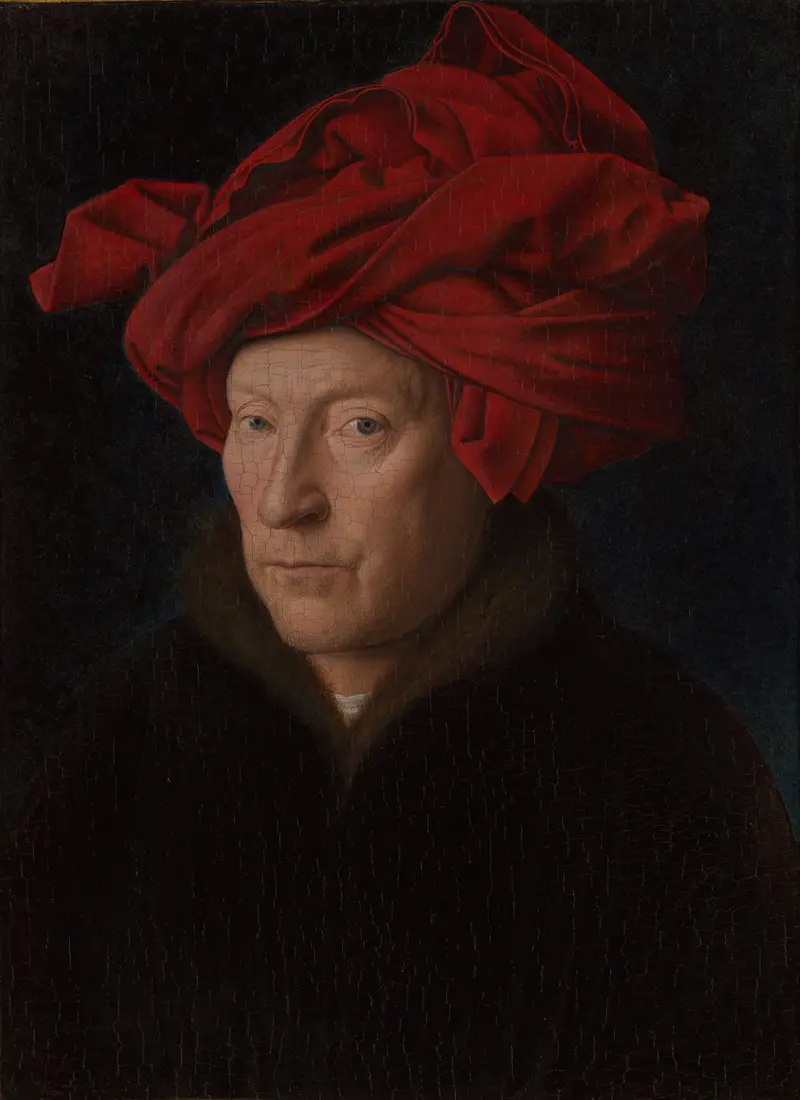
Few portraits in early Netherlandish painting have sparked as much debate as Léal Souvenir by Jan van Eyck. The work bears a cryptic inscription—“Leal Souvenir” (“Loyal Memory”)—alongside the date 1432, but the sitter’s identity remains a mystery to this day. Some have speculated that the painting was a memorial, perhaps for a recently deceased friend or patron, while others see it as a declaration of fidelity, whether romantic or platonic.
The cool, direct gaze of the subject, paired with the enigmatic motto, continues to invite speculation nearly six centuries after its creation. The painting presents a man in three-quarter view, his face rendered with astonishing precision, every stubble and wrinkle carefully observed. The sitter’s fur-lined robe and red chaperon suggest a figure of some means, but his expression is grave, almost mournful, as if caught in a moment of reflection. The stone parapet in the foreground carries the painted inscription, merging the real and the represented, a device van Eyck would use again in works like The Arnolfini Portrait.
Unlike the idealized faces common in Italian portraiture of the time, van Eyck’s subject is unflinchingly real, his individuality captured in the delicate play of light across his skin and the watery gleam in his eyes. The precise origins of Léal Souvenir are unclear, and the identity of its commissioner is lost to history. What is certain is that this small panel helped set a new standard for portraiture in Northern Europe, influencing generations of painters with its psychological depth and technical brilliance. Today, the painting resides in the National Gallery, London, where it stands as a testament to van Eyck’s revolutionary approach to likeness and memory.
Its journey from fifteenth-century Bruges to a modern museum remains largely undocumented, but its impact on the art of portraiture is unmistakable.
More Artworks by Jan van Eyck

Adam
Jan van Eyck
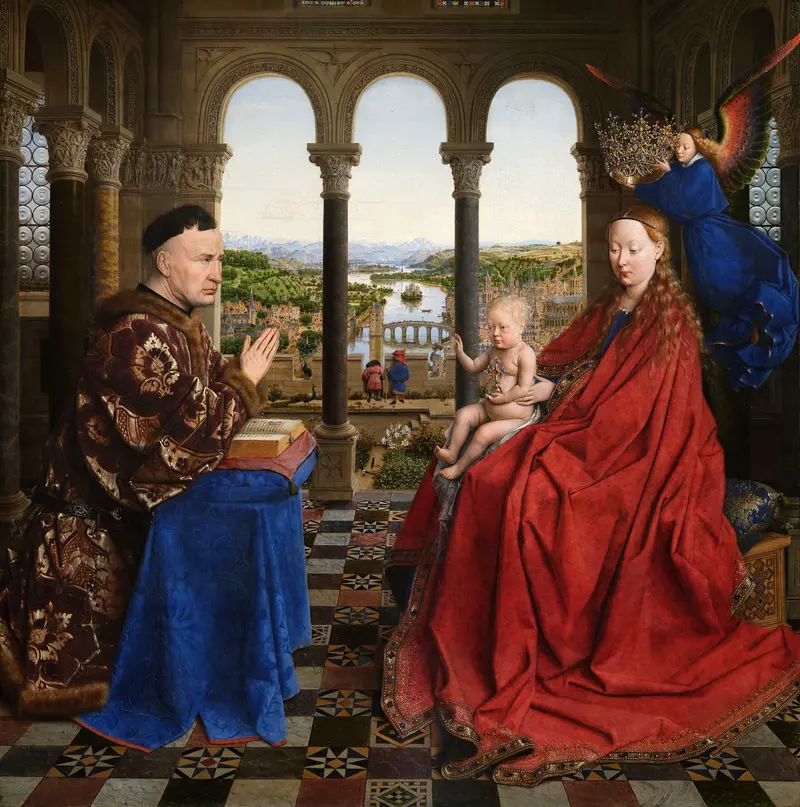
Madonna of Chancellor Rolin
Jan van Eyck
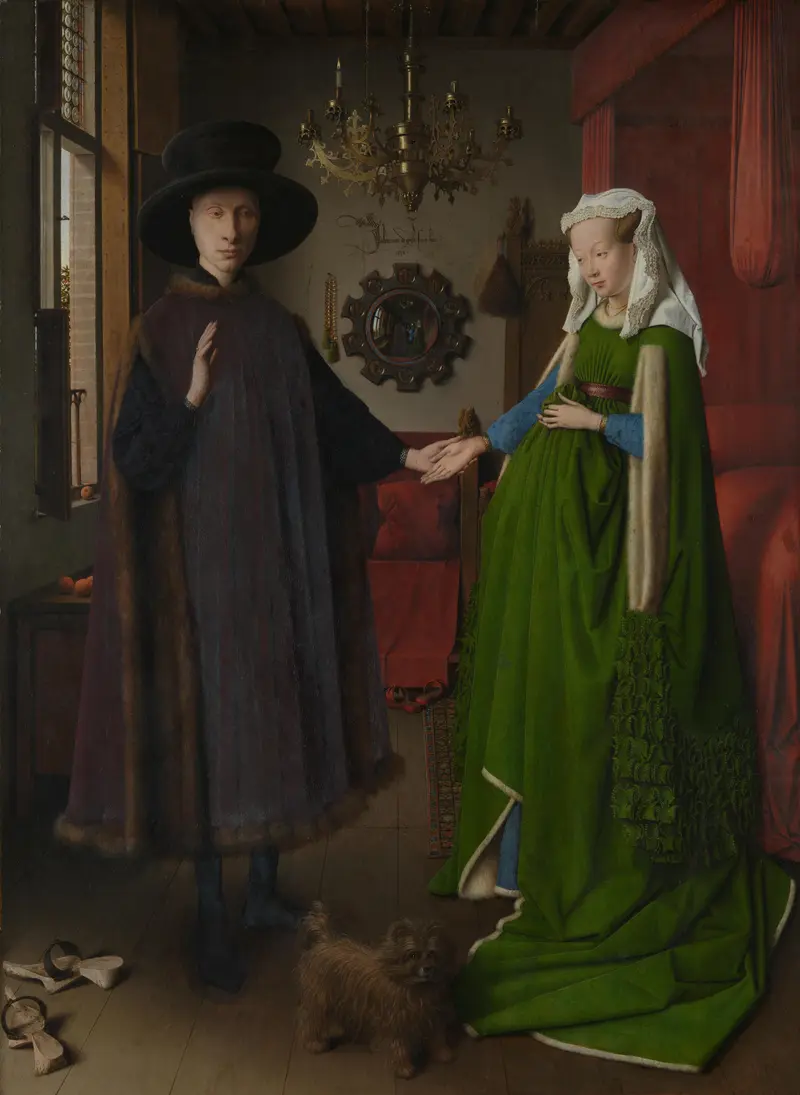
The Arnolfini Portrait
Jan van Eyck
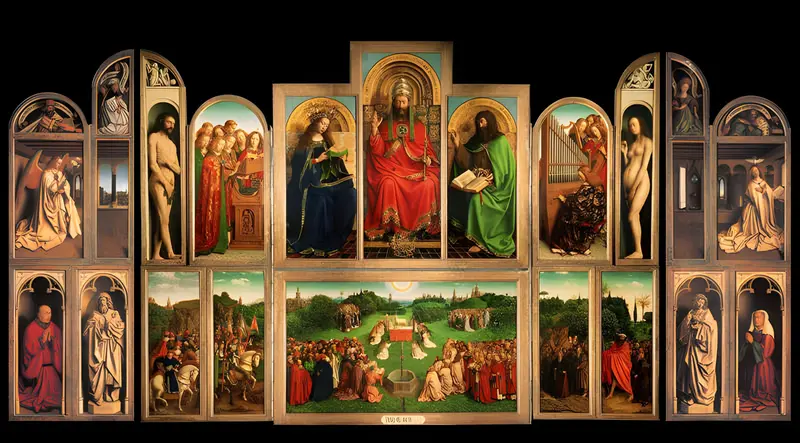
Ghent Altarpiece
Jan van Eyck

Dresden Triptych
Jan van Eyck
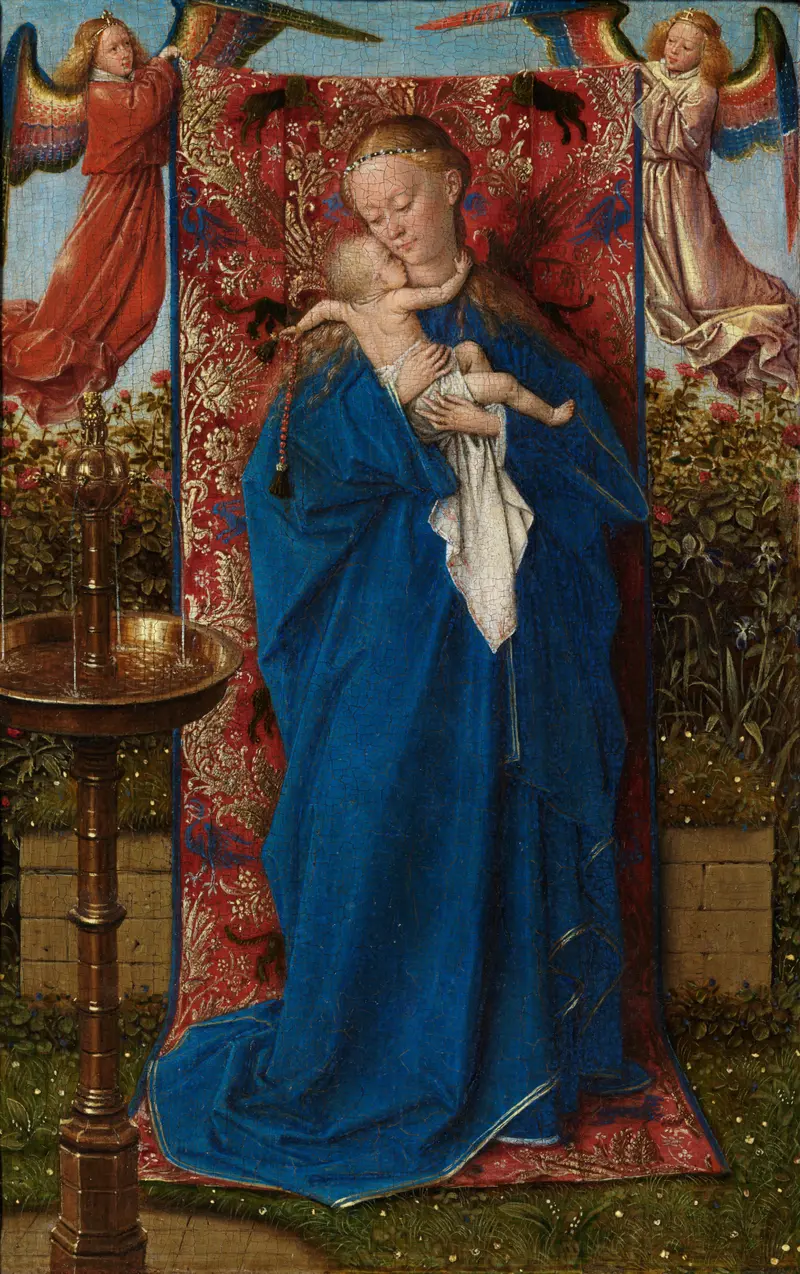
Madonna at the Fountain
Jan van Eyck

Madonna with Canon Joris van der Paele
Jan van Eyck

Prophet Zacharias; Angel of The Annunciation
Jan van Eyck
Portrait of a Man (Self Portrait?)
Jan van Eyck
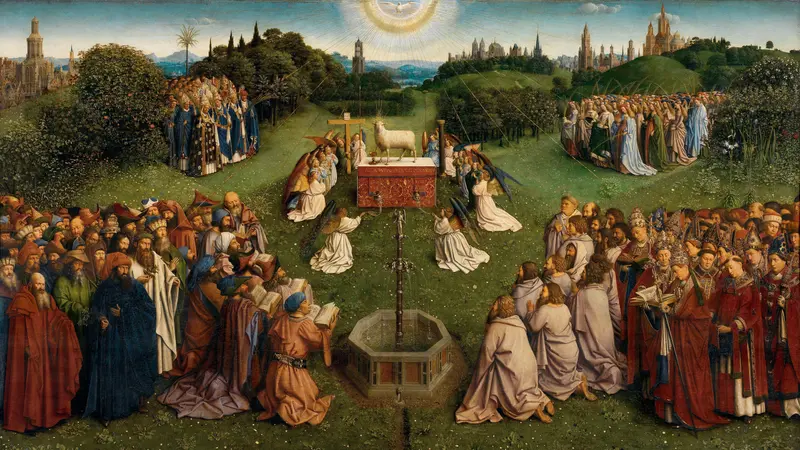
Adoration of the Lamb from the Ghent Altarpiece
Jan van Eyck





