
Les Bords De L’oise — History & Facts
As time dances between reality and illusion, the landscape unfolds, inviting contemplation and reflection in a world where nature breathes life into the canvas. Look to the left at the gentle curve of the river, its surface shimmering, a mirror capturing both sky and earth. Notice how Daubigny’s delicate strokes create a soft interplay of greens and blues, drawing the eye toward the horizon where sunlight spills over the treetops. The composition balances tranquility with vitality, as the subtly applied colors evoke a sense of warmth and serenity, inviting the viewer to linger in this idyllic moment. In the foreground, the wildflowers bloom with an understated vibrancy, contrasting with the tranquil waters.
They symbolize the ephemeral beauty of nature, while the distant hills suggest depth and continuity, a reminder of the passage of time. The illusion of movement is palpable; the ripples in the water beckon to be touched, while the clouds shift ever so slightly, blurring the line between the painted and the real. This tension reveals a deeper truth about our connection to the natural world, urging us to appreciate its fleeting moments. Created in 1876, the artist painted this piece during a period of personal and artistic exploration.
Living in France, Daubigny was part of the Barbizon School, which championed plein air painting and celebrated the beauty of the countryside. As the Impressionist movement blossomed, he sought to capture the essence of nature’s fleeting moments, thus contributing to a transformative era in art that embraced light and atmosphere.
More Artworks by Charles François Daubigny
Browse all →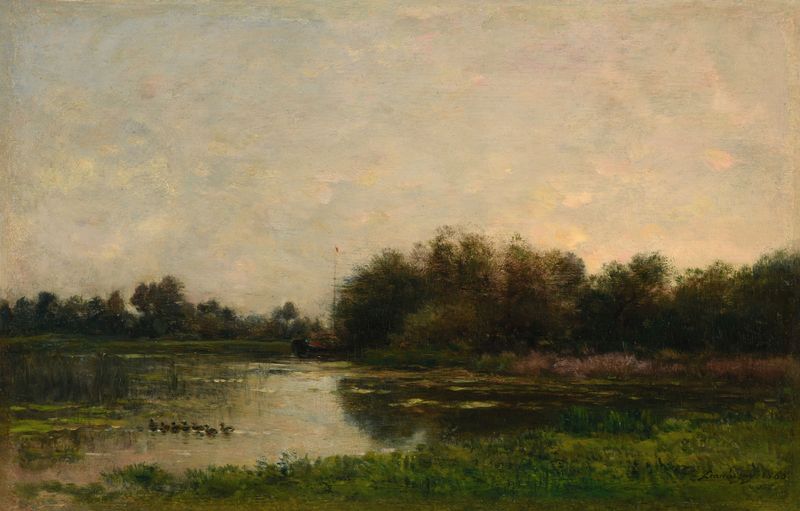
Bords de l’Oise
Charles François Daubigny
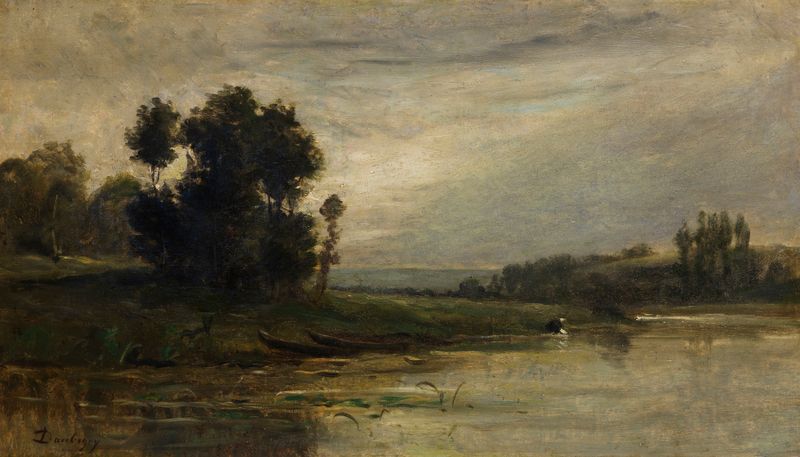
Bords de l’Oise
Charles François Daubigny
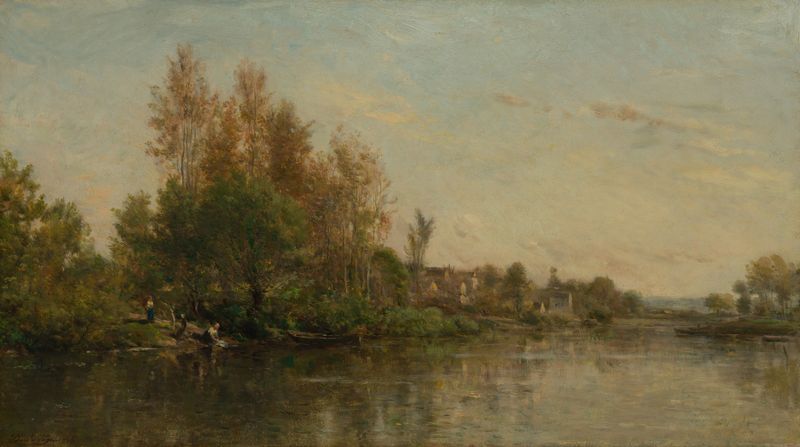
The Banks of the Oise
Charles François Daubigny
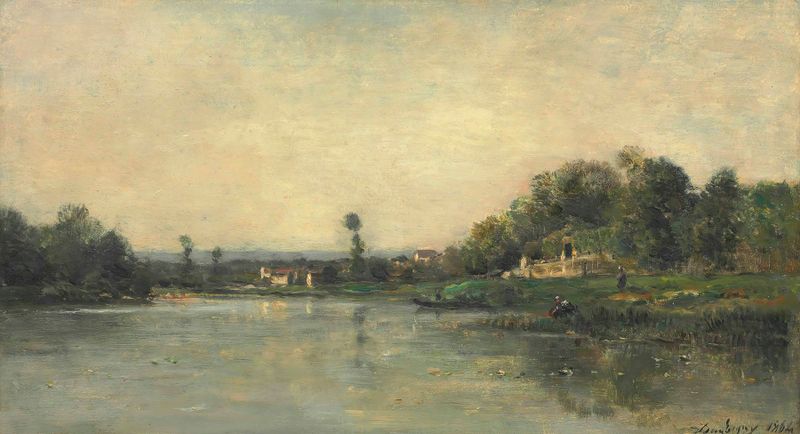
Les Bords De L’oise
Charles François Daubigny
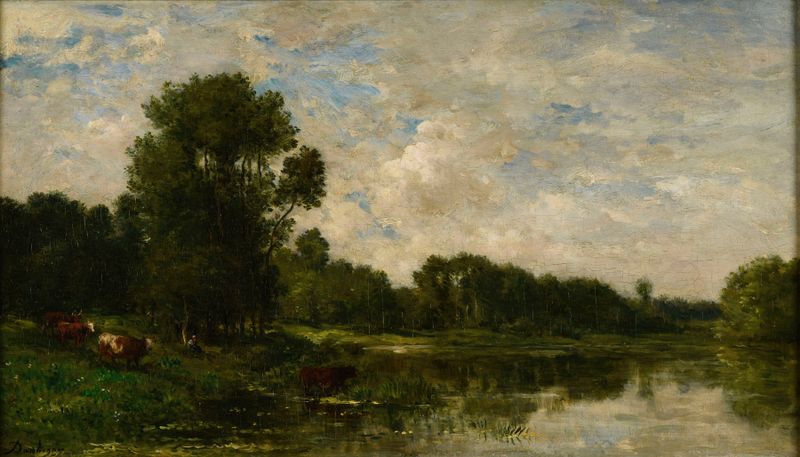
Bords de l’Oise
Charles François Daubigny
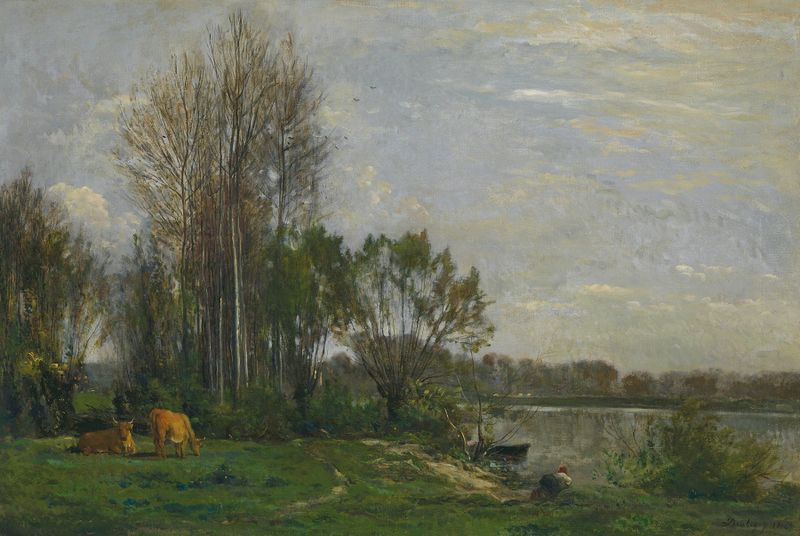
Les Bord De L’oise
Charles François Daubigny
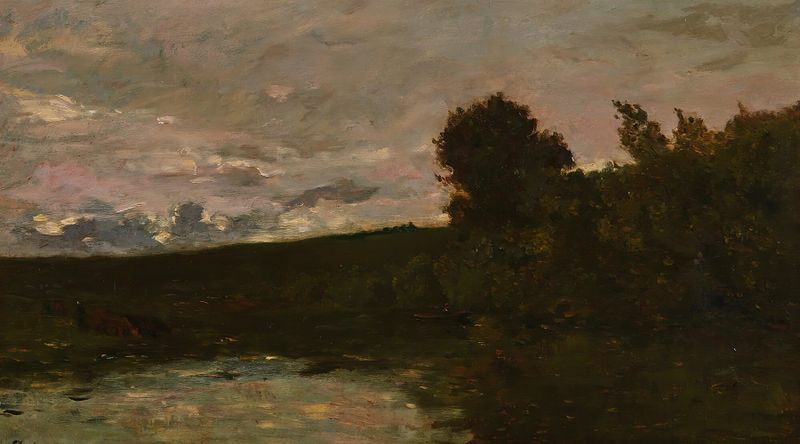
Bord De Riviére
Charles François Daubigny
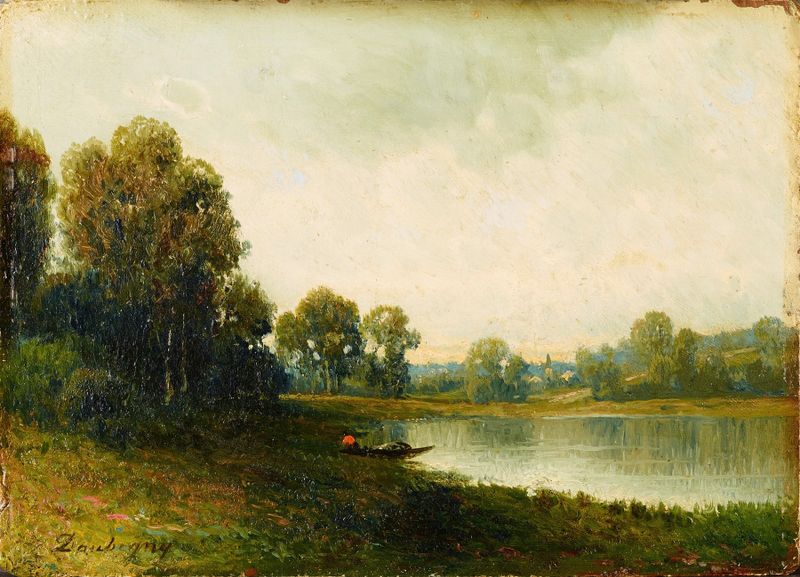
Landscape
Charles François Daubigny
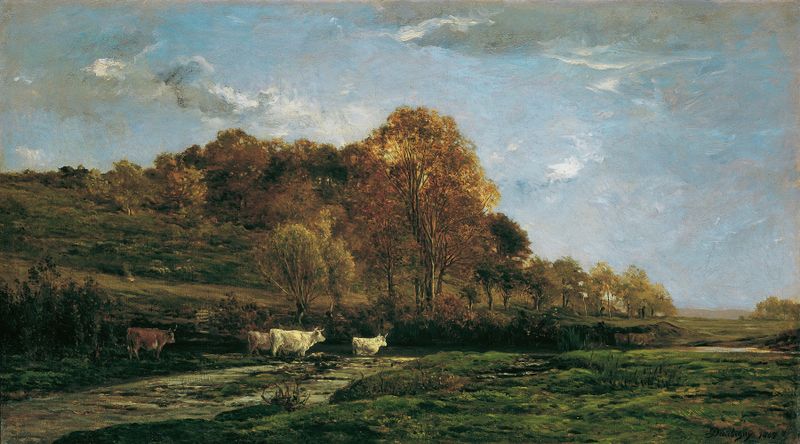
Herbstliche Aulandschaft Abendstimmung
Charles François Daubigny
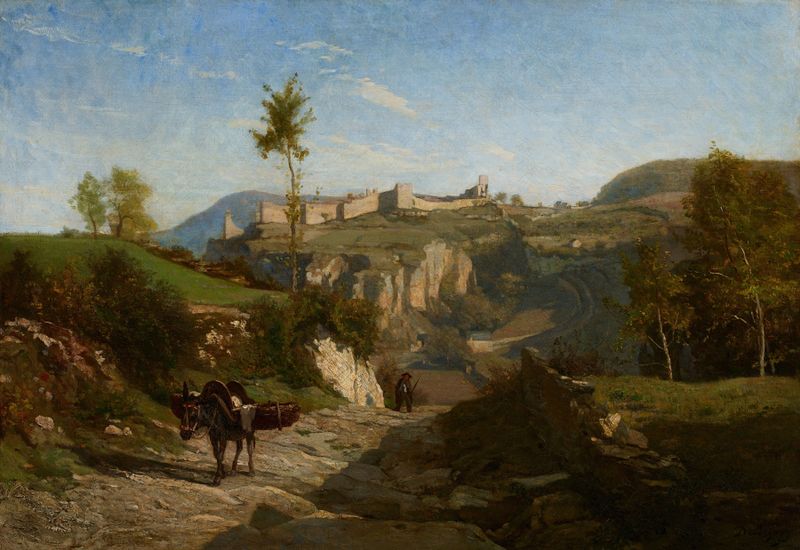
Landscape near Crémieu
Charles François Daubigny





