
Les canots amarrés — History & Facts
When did color learn to lie? In Les canots amarrés, the vivid palette transforms a quiet moment into a dreamscape, inviting us to question the nature of reality. Here, boats rest in tranquil waters, yet they pulse with an energy that straddles the line between waking and dreaming. Look to the foreground, where the boats are moored, their vivid blues and ochres shimmering against the reflective surface of the water. Notice how the brushstrokes create a sense of movement, as if the boats could drift away at any moment.
The contrast between the stillness of the canoes and the swirling colors of the surrounding scenery evokes a sense of longing, pulling the viewer deeper into this ethereal realm. The whimsical curves of the shoreline beckon, promising stories hidden in the depths of the color. Delve deeper, and you’ll find the tension between reality and imagination. The vivid hues are not merely representational; they illuminate the emotions of nostalgia and yearning.
Each brushstroke dances, echoing the artist's inner tumult, while the interplay of light and shadow suggests two worlds—the concrete and the fantastical—coexisting in harmony. These contrasts reflect the artist’s fascination with nature and the dreamlike quality that often eludes the conscious mind. In 1887, Vincent van Gogh was living in Paris, immersed in the Post-Impressionist movement and experimenting with color and form. This period marked a significant evolution in his artistic journey, as he sought to convey deeper emotional truths through vibrant hues.
Influenced by Japanese prints and the evolving art scene, he painted this work during a time of both personal struggle and creative awakening, capturing a moment that blends reality with the whimsical allure of dreams.
More Artworks by Vincent van Gogh
Browse all →
Starry Night
Vincent van Gogh

The Bedroom
Vincent van Gogh
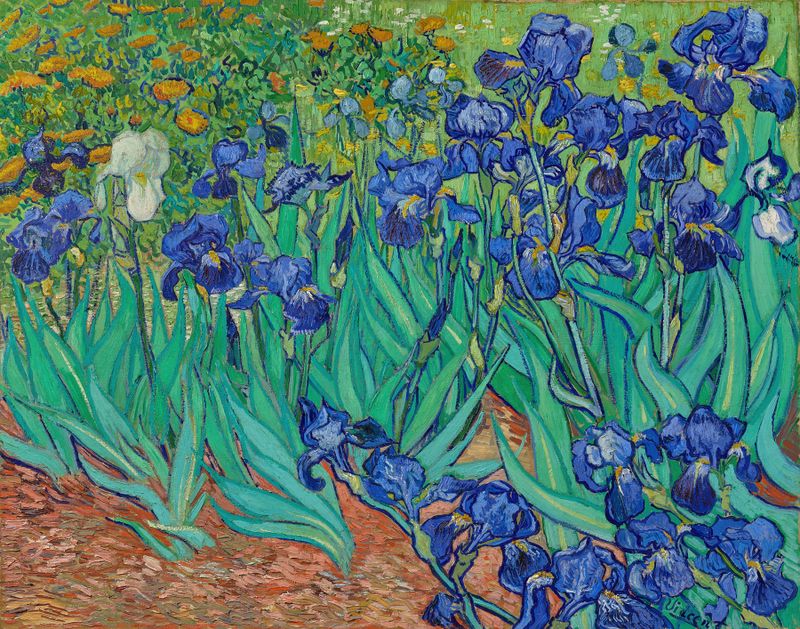
Irises
Vincent van Gogh
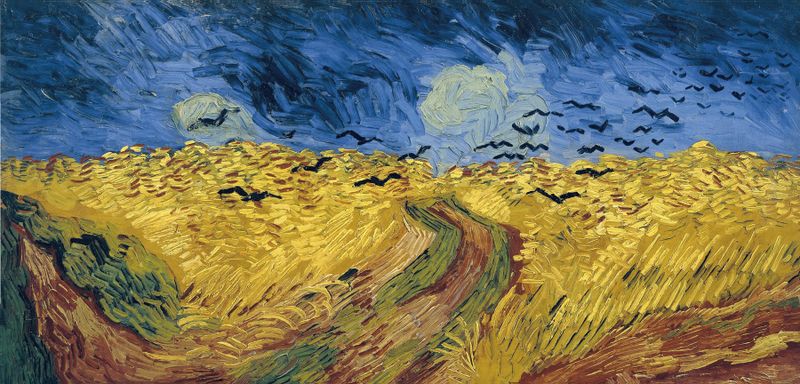
Wheatfield with Crows
Vincent van Gogh
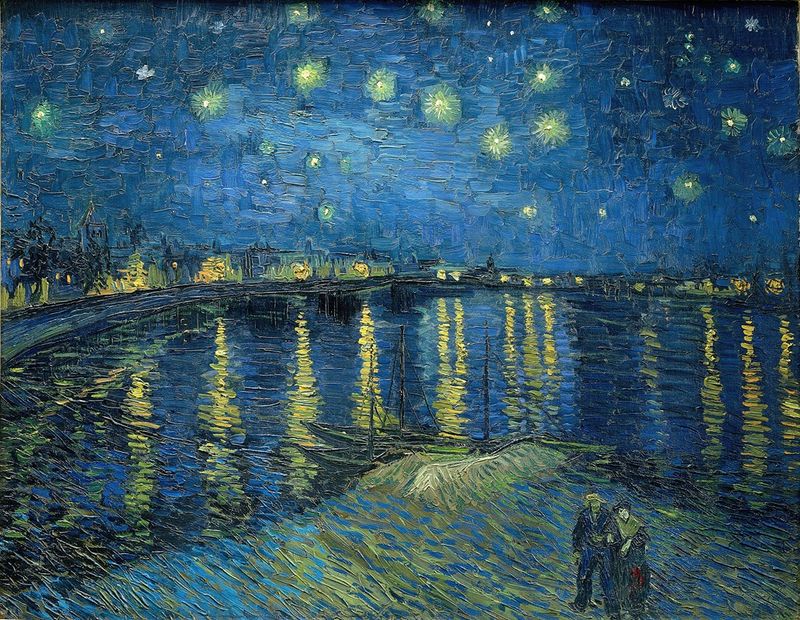
Starry Night over the Rhone
Vincent van Gogh

The yellow house
Vincent van Gogh
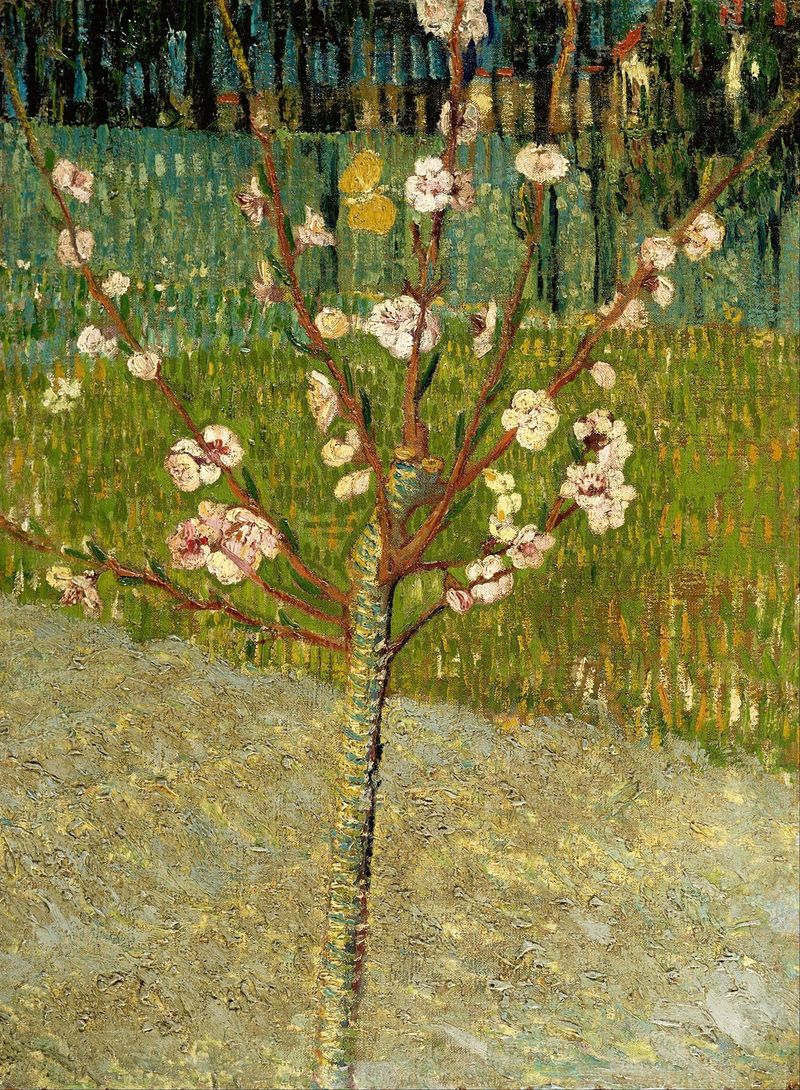
Almond tree in blossom
Vincent van Gogh

Portrait of Dr Gachet
Vincent van Gogh

The Church in Auvers-sur-Oise, View from the Chevet
Vincent van Gogh

Self-Portrait
Vincent van Gogh





