
Les deux enfants, Vernouillet — History & Facts
This thought lingers like a whisper, echoing through the tender portrayal of childhood innocence and fleeting moments captured on canvas. In Les deux enfants, Vernouillet, the delicate interplay of light and shadow reveals the essence of hope intertwined with the simplicity of youth. Look to the left at the soft, radiant faces of the two children, their vibrant skin contrasting with the lush greenery surrounding them. The artist’s brushstrokes are fluid and gentle, as if echoing the carefree laughter that once filled this serene moment.
Notice how the dappled sunlight bathes their figures, creating a halo effect that elevates their innocence to something almost ethereal. The warm palette of yellows and greens invites a sense of tranquility, while the loose composition reflects a spontaneous capture of joy. Yet beneath this idyllic surface lies a deeper narrative. The juxtaposition of the children’s carefree expressions against the encroaching shadows of the forest hints at the inevitable passage of time and the complexities of growing up.
Each detail—the way one child leans into the other, the slight tension in their body language—suggests a bond forged in shared experiences, a poignant reminder that hope often flourishes within the embrace of vulnerability. In 1909, Bonnard painted Les deux enfants, Vernouillet amid a flourishing art scene characterized by Post-Impressionism. Living in France, he was influenced by the shifting dynamics of modernity and beauty, reflecting his belief in art as a medium to express the contemplative nature of life’s bittersweet moments. During this period, he sought to capture the essence of everyday experiences, transforming them into lasting impressions on canvas.
More Artworks by Pierre Bonnard
Browse all →
Les deux fiacres (Boulevard des Batignolles)
Pierre Bonnard

Le Balcon Et L’ombrelle
Pierre Bonnard

Paysage de Vernon
Pierre Bonnard

Place Pigalle at Night
Pierre Bonnard
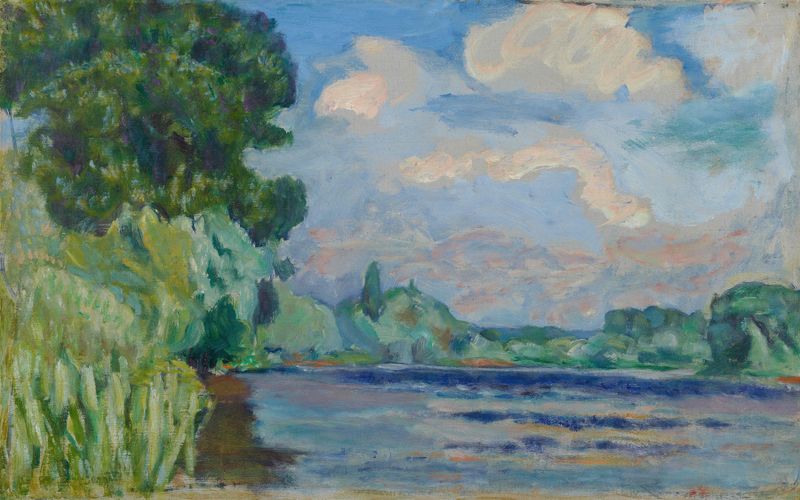
La Seine à Vernon
Pierre Bonnard

Les Toits
Pierre Bonnard
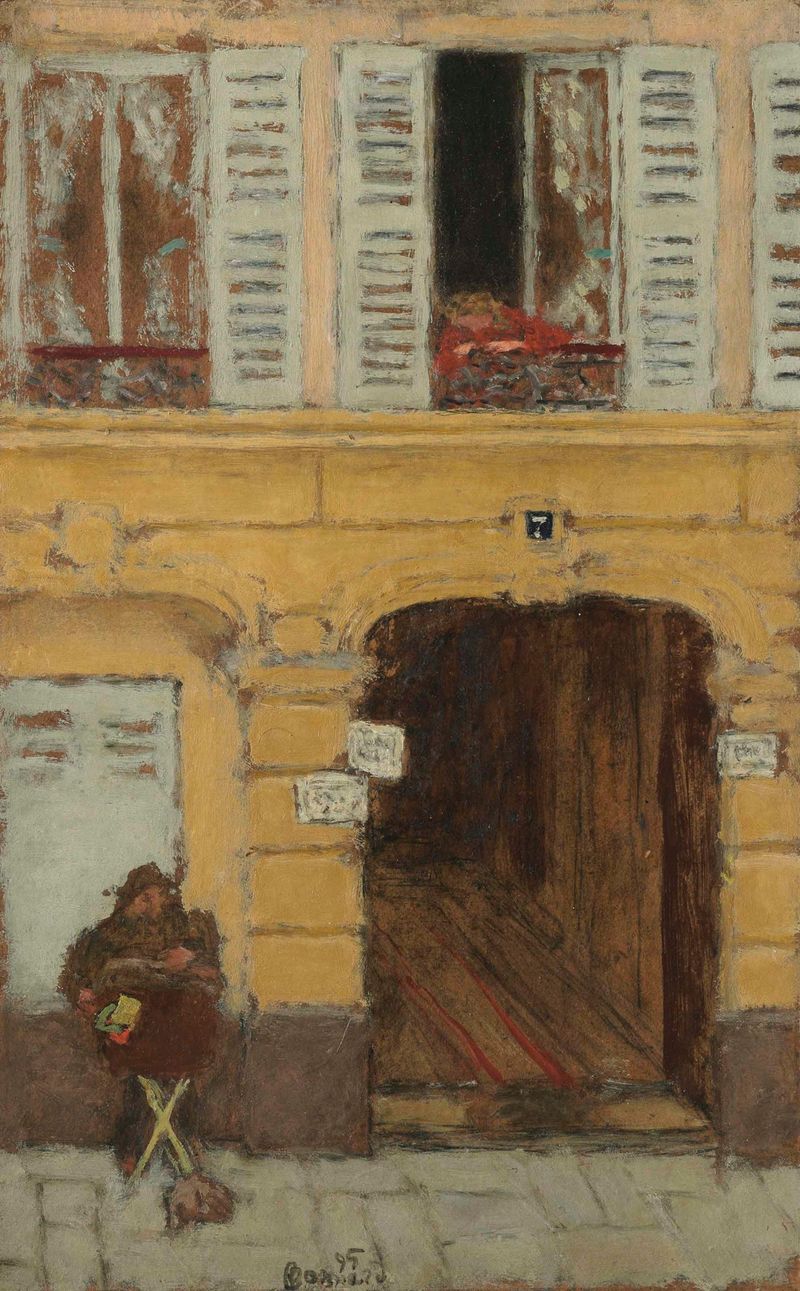
L’orgue de Barbarie ou Le joueur d’orgue
Pierre Bonnard

Paysage de Saint-Tropez
Pierre Bonnard

Soleil Couchant
Pierre Bonnard
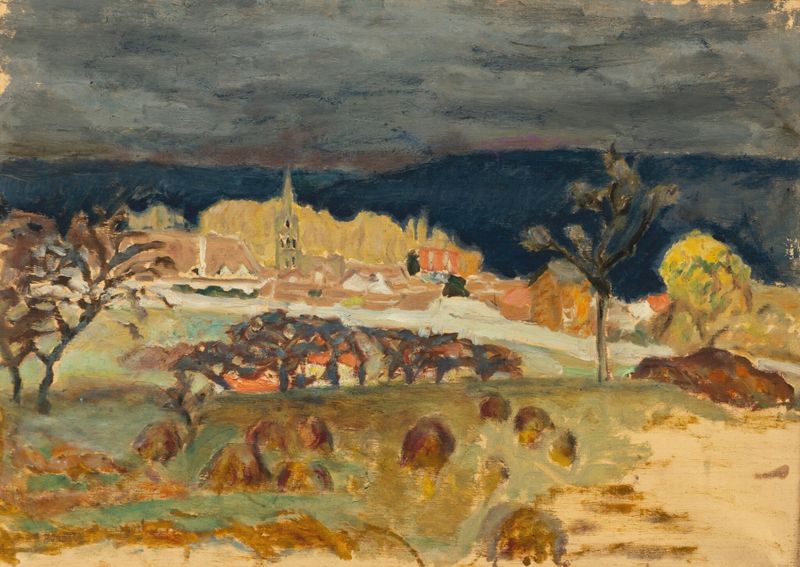
Village, ciel d’orage
Pierre Bonnard





