
L’escadre devant Villefranche — History & Facts
When did color learn to lie? In this poignant moment captured on canvas, a delicate tension lingers in the air, echoing the desires of both man and nature. Focus first on the captivating shoreline, where soft blues and greens blend seamlessly, inviting the viewer into a world both serene and wistful. The rhythmic brushstrokes evoke the gentle sway of the boats anchored in the harbor, their sails catching the fading light of day. Notice how the golden hues of the setting sun glimmer across the water's surface, creating a shimmering path that seems to beckon the viewer further into the scene. Yet, beneath the tranquil facade, a sense of longing pervades.
The small boats, though gracefully rendered, portray a stillness that suggests an unfulfilled journey. The distant hills, kissed by an almost ethereal mist, serve as a reminder of dreams yet to be realized, while the muted colors imply a melancholy reflection on the passage of time. Every detail, from the wispy clouds to the subtle waves, invites contemplation of the balance between hope and reality. In creating L’escadre devant Villefranche, Boudin found himself amidst a vibrant artistic community in France during the late 19th century, a time when Impressionism was beginning to emerge.
He painted this work while immersed in the coastal culture of Normandy, grappling with both personal aspirations and the changing landscape of artistic expression. His dedication to capturing the ephemeral qualities of light and atmosphere highlights a pivotal moment in art history, where beauty and longing intertwine.
More Artworks by Eugène Boudin
Browse all →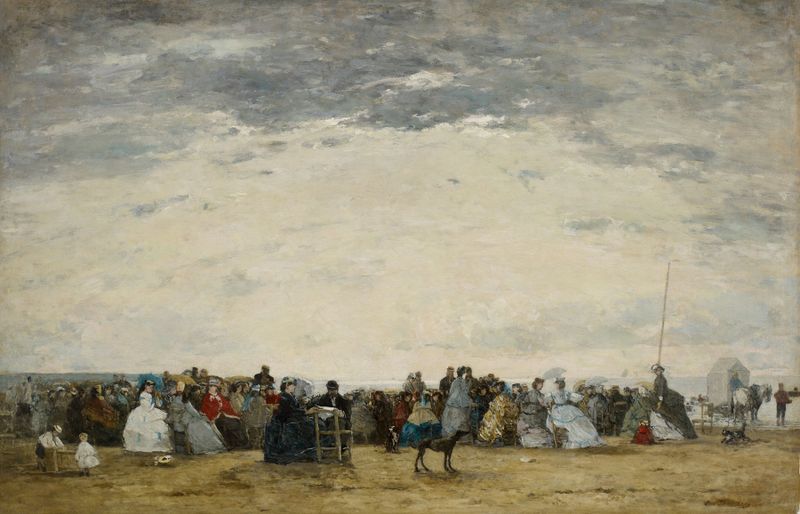
Vacationers on the Beach at Trouville
Eugène Boudin

Washerwoman near Trouville
Eugène Boudin
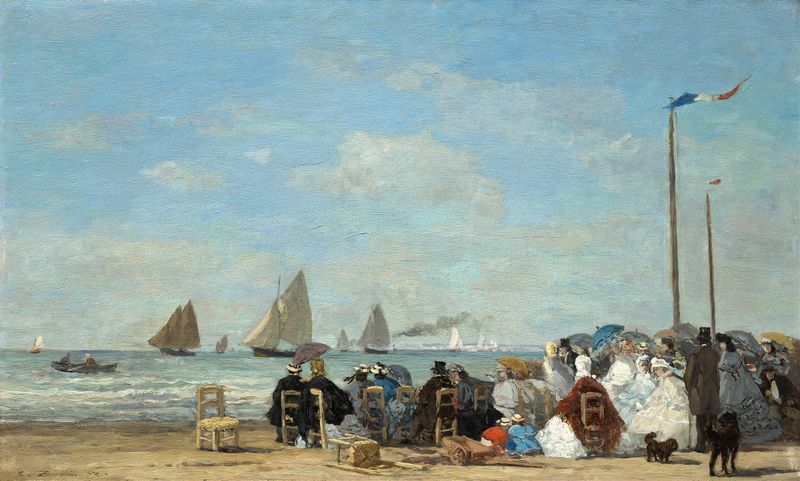
Beach Scene at Trouville
Eugène Boudin

Port aux environs d’Honfleur
Eugène Boudin

Le Faou, un coin du village
Eugène Boudin
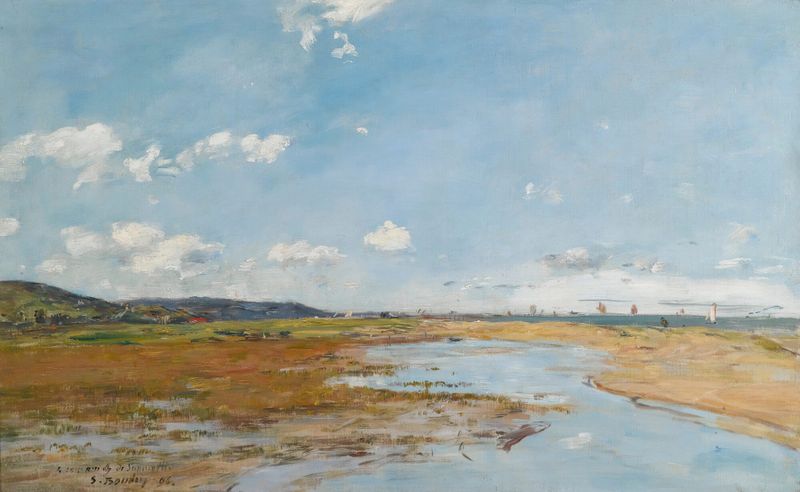
Deauville. Le Rivage
Eugène Boudin
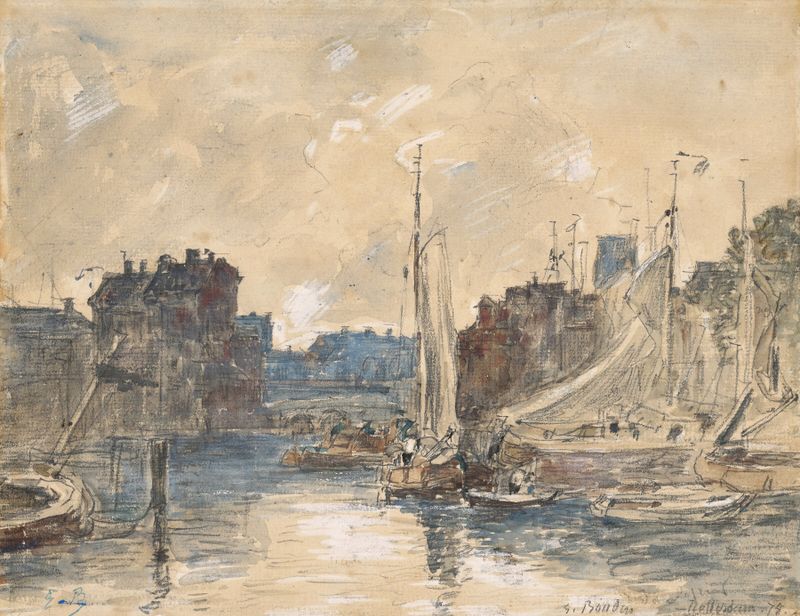
Port de Rotterdam
Eugène Boudin

View of Bordeaux, from the Quai des Chartrons
Eugène Boudin

Trouville, Scène De Plage
Eugène Boudin

Trouville, Le Port
Eugène Boudin





