
Liggende Adam — History & Facts
In this moment, Liggende Adam embodies the quiet stillness of time suspended. The figure rests, a testament to existence and the weight of years that shape the human experience, inviting viewers to contemplate the passage of life. Look to the center where Adam reclines, his body elegantly draped in soft hues of flesh and fabric. The chiaroscuro technique breathes life into his form, accentuating the gentle play of light and shadow across his skin.
Notice how the muted tones of the background enhance the figure’s presence, drawing the eye to the serene expression on his face and the delicate positioning of his hands, as if they hold secrets of creation. Beneath the surface lies a profound contrast between vulnerability and strength. The relaxed pose suggests peaceful surrender, yet the slight tilt of his head conveys an awareness of the world beyond the canvas, a tension between being and becoming. The gentle folds of the drapery whisper of time’s passage, while the careful attention to anatomical detail speaks to humanity’s struggle against it, creating a haunting dialogue that resonates deeply. Created in the late 16th to early 17th century, this work represents a pivotal moment in Lucas van Leyden’s career, as he sought to merge the traditions of Northern Renaissance art with emerging Baroque sensibilities.
During this period, Europe was experiencing significant shifts in culture and thought, with the rise of humanism influencing artistic expression. Van Leyden’s exploration of the human form reflects this evolving landscape, marking his contribution to a dialogue that would reverberate through art history.
More Artworks by Lucas van Leyden
Browse all →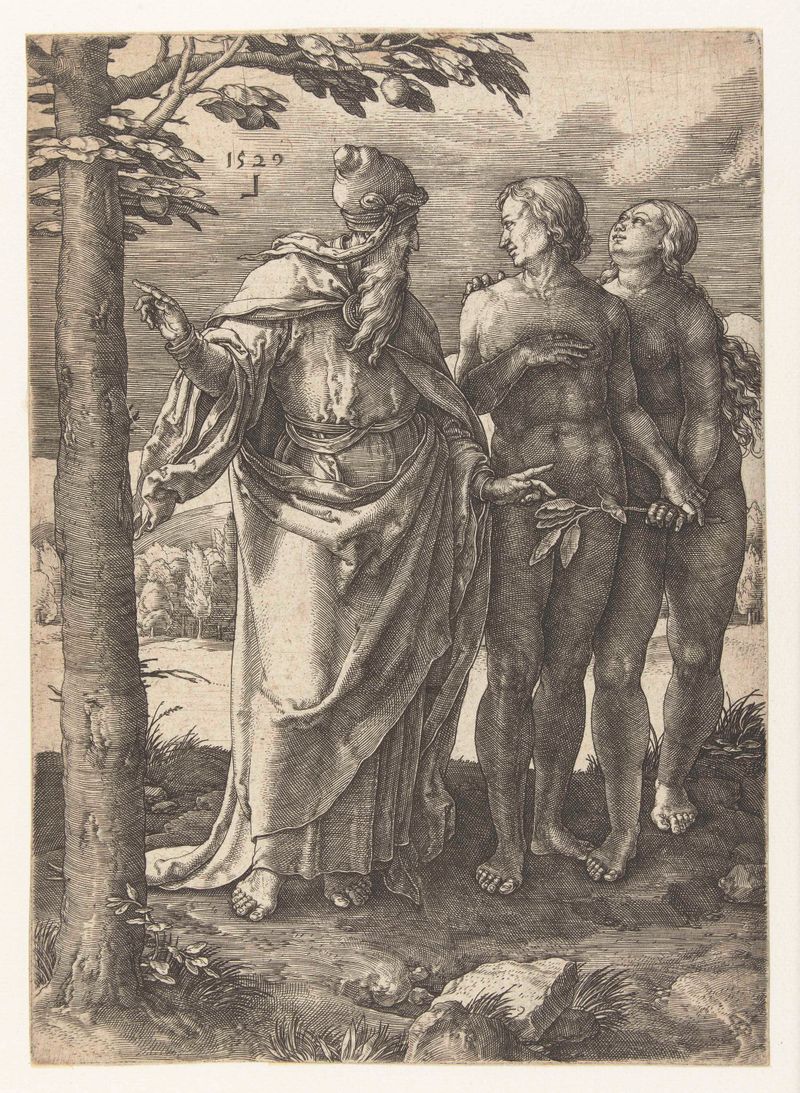
Het eerste verbod
Lucas van Leyden
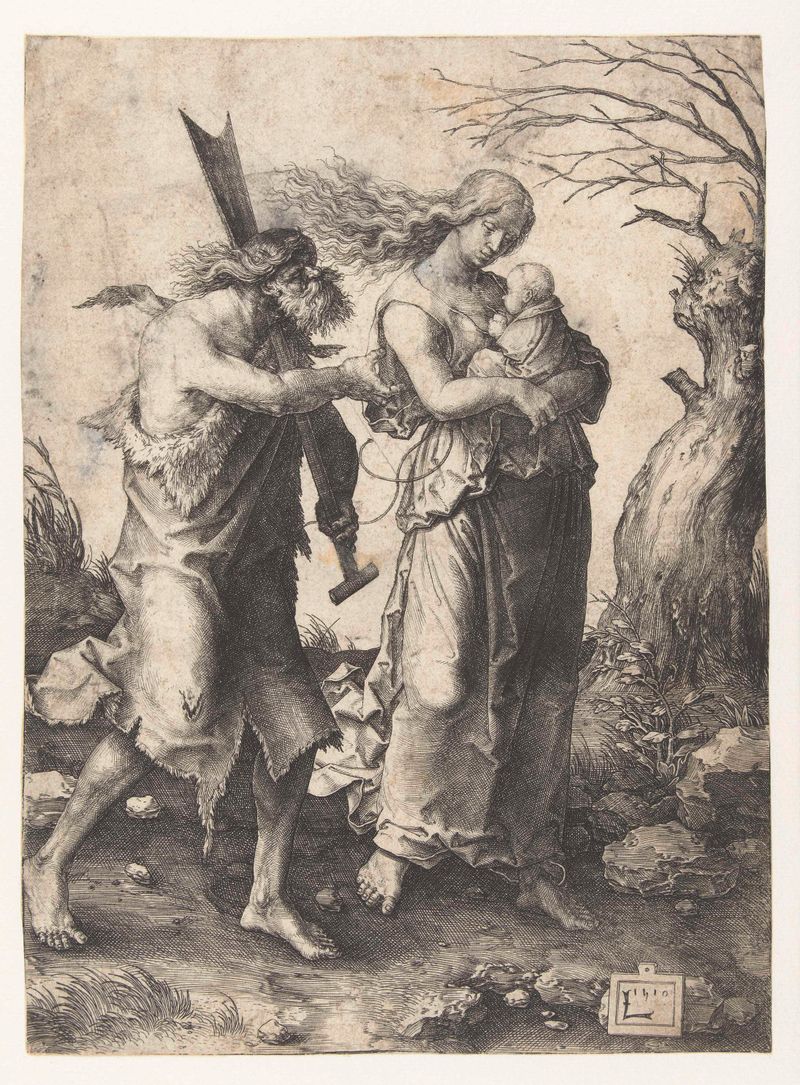
Adam en Eva na de verdrijving uit het paradijs
Lucas van Leyden
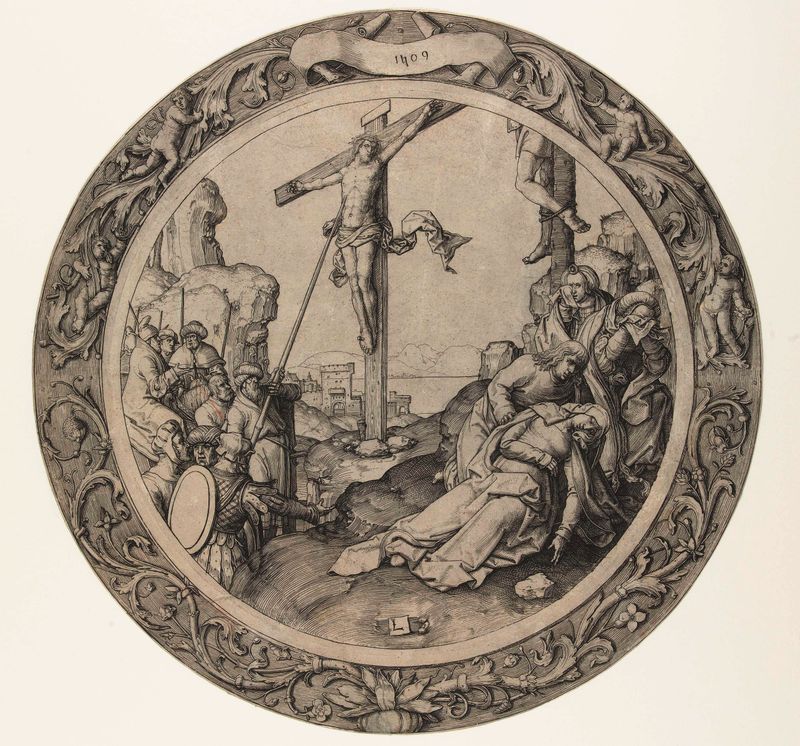
De kruisiging
Lucas van Leyden
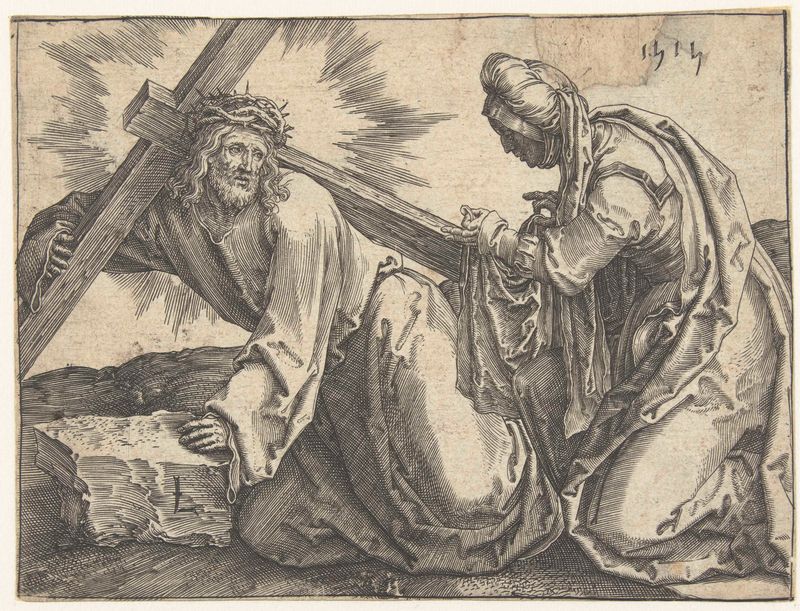
Kruisdraging
Lucas van Leyden
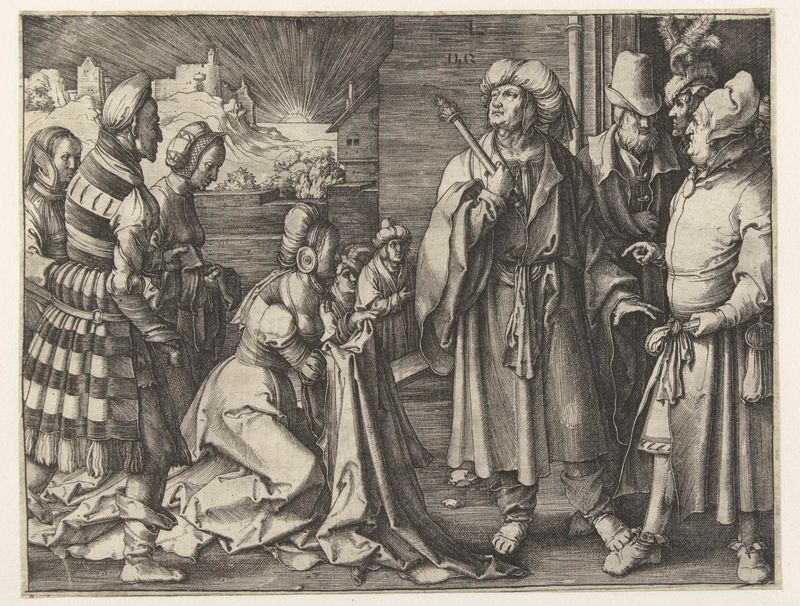
De vrouw van Potifar beschuldigt Jozef
Lucas van Leyden
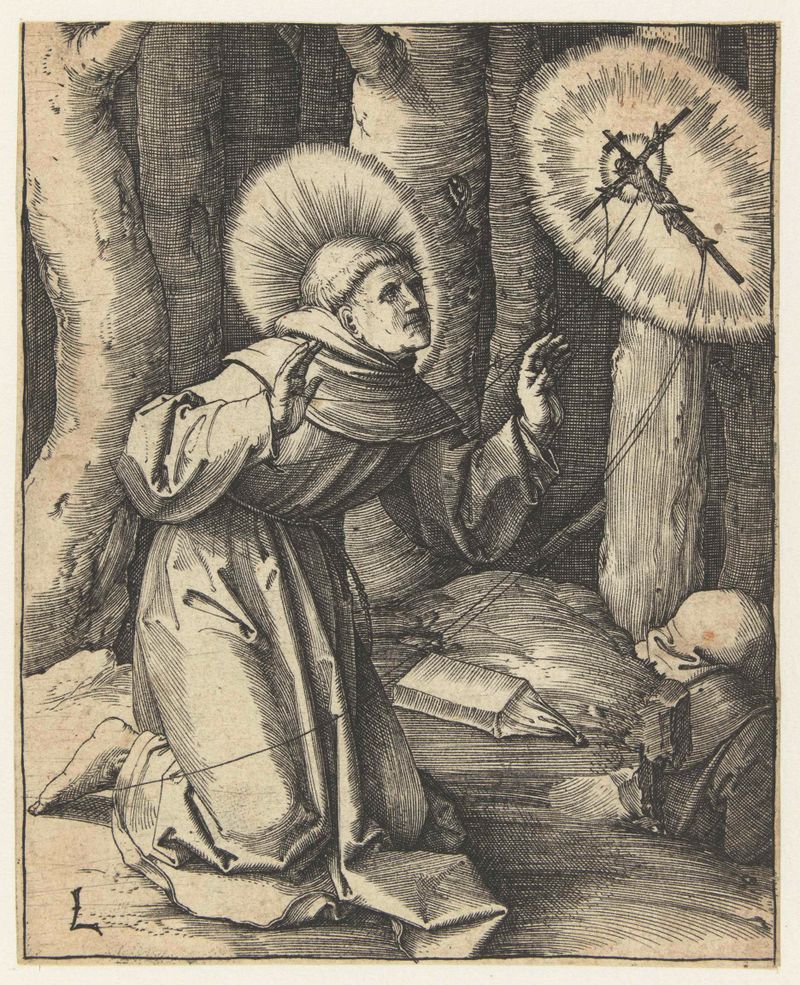
De stigmatisatie van de heilige Franciscus
Lucas van Leyden
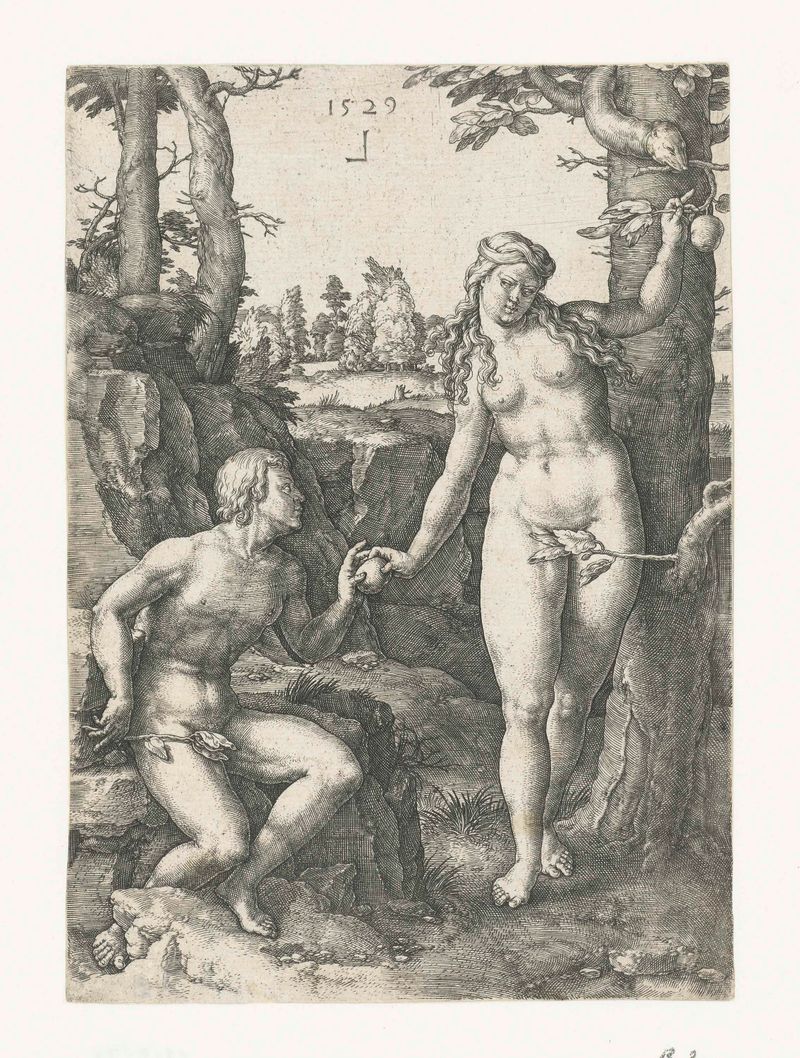
De zondeval
Lucas van Leyden
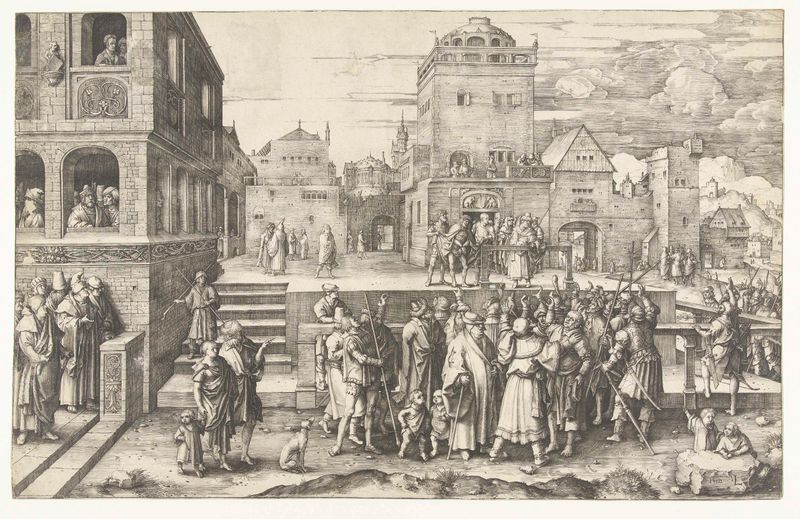
De grote Ecce Homo
Lucas van Leyden
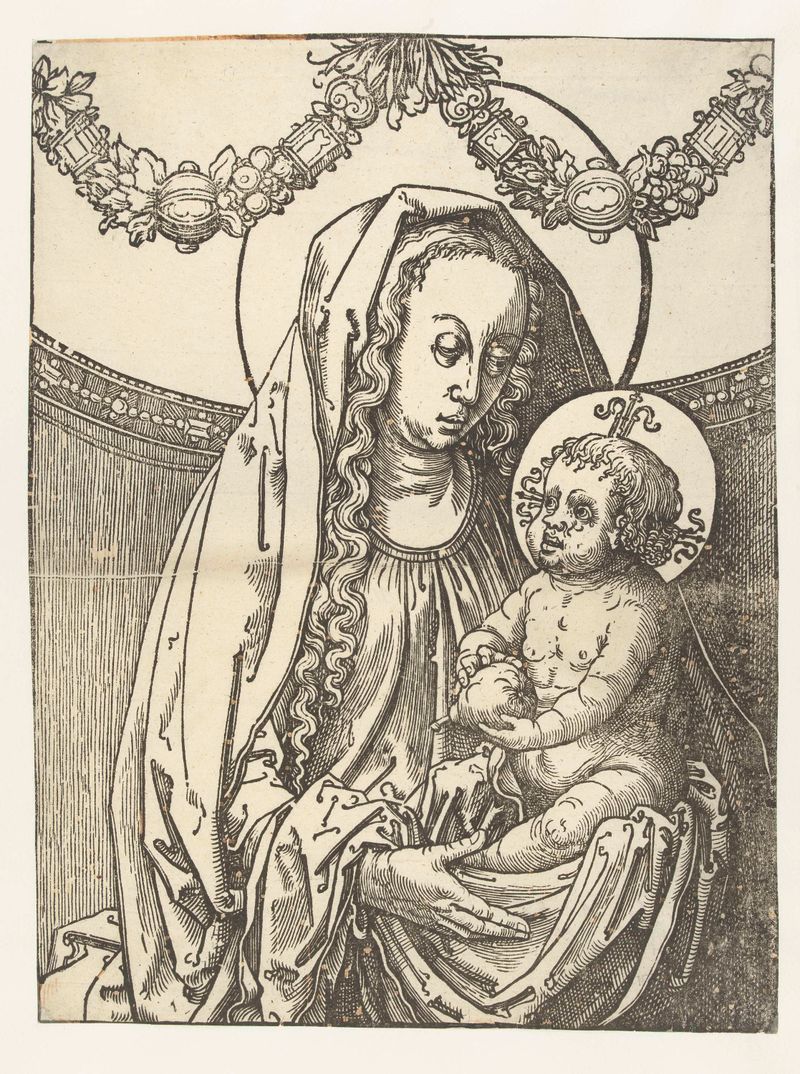
Maria met kind
Lucas van Leyden

Doornenkroning
Lucas van Leyden





