
Light + Mirrors and Crowd; interior of a Popular Ballroom in Antwerp — History & Facts
When Jules Schmalzigaug painted Light + Mirrors and Crowd; interior of a Popular Ballroom in Antwerp, he captured a world in motion at the very moment Belgian society was transforming under the electric glow of modernity. The painting is remarkable for its subject: not a grand salon or aristocratic fête, but the vibrant, democratic energy of a public ballroom, a rare focus among early twentieth-century artists. In Antwerp, such venues were gathering places for all classes, and Schmalzigaug’s choice to depict this scene speaks to the shifting social landscape of his time.
The work’s title hints at the artist’s fascination with the interplay of artificial light and reflective surfaces—an obsession that would come to define his mature style. Within the painting, the viewer is swept into a swirl of figures, their forms fractured and multiplied by the ballroom’s mirrors and the glare of electric lamps overhead. Schmalzigaug freezes the crowd at the height of festivity: dancers mid-step, laughter caught in motion, faces blurred by movement and reflection. The mirrors do not simply double the revelers; they dissolve the boundaries between individuals, suggesting both the intimacy and anonymity of the crowd.
Light splinters across the scene, creating a sense of rhythm and pulse that echoes the music and dance. Compared to the structured elegance of Renoir’s Le Bal du Moulin de la Galette, Schmalzigaug’s approach is more fragmented, closer in spirit to the energy of Futurism, though always rooted in the specificity of Antwerp’s popular culture. The precise date and medium of Light + Mirrors and Crowd remain uncertain, as does its early provenance. What is clear is that the painting stands at a pivotal moment in Schmalzigaug’s career, when he was experimenting with new ways to capture movement and light, influenced by both Futurism and the vibrant urban life of Belgium.
The work’s subsequent history is little documented; it is not known whether it was exhibited in Schmalzigaug’s lifetime or changed hands through private collections. Today, it is valued as a rare glimpse into the artist’s Antwerp years, before his tragic early death in 1917, and as a testament to the restless energy of a city—and an artist—on the cusp of modernity.
More Artworks by Jules Schmalzigaug

A View of Scheveningen
Jules Schmalzigaug
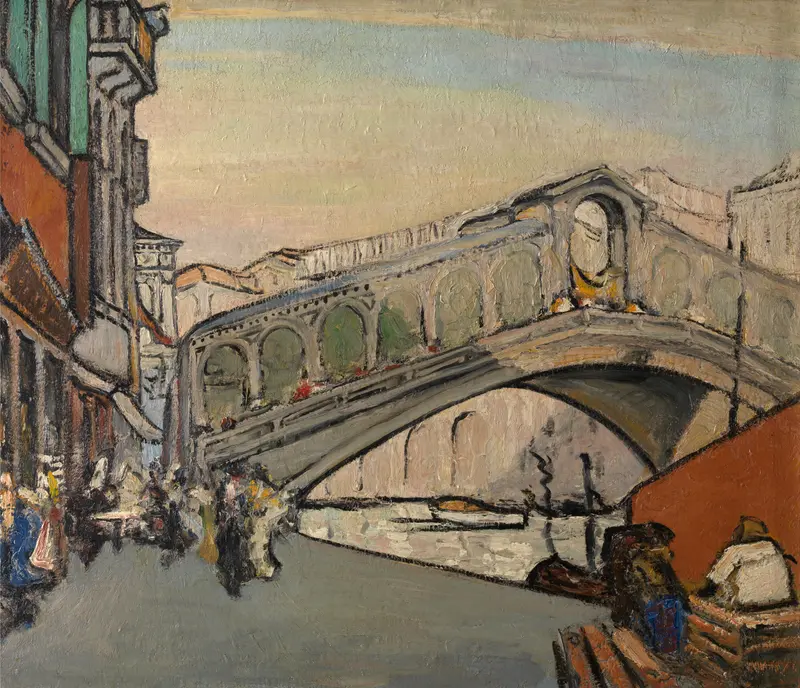
The Rialto Bridge in Venice
Jules Schmalzigaug

Abstract Bouquet
Jules Schmalzigaug
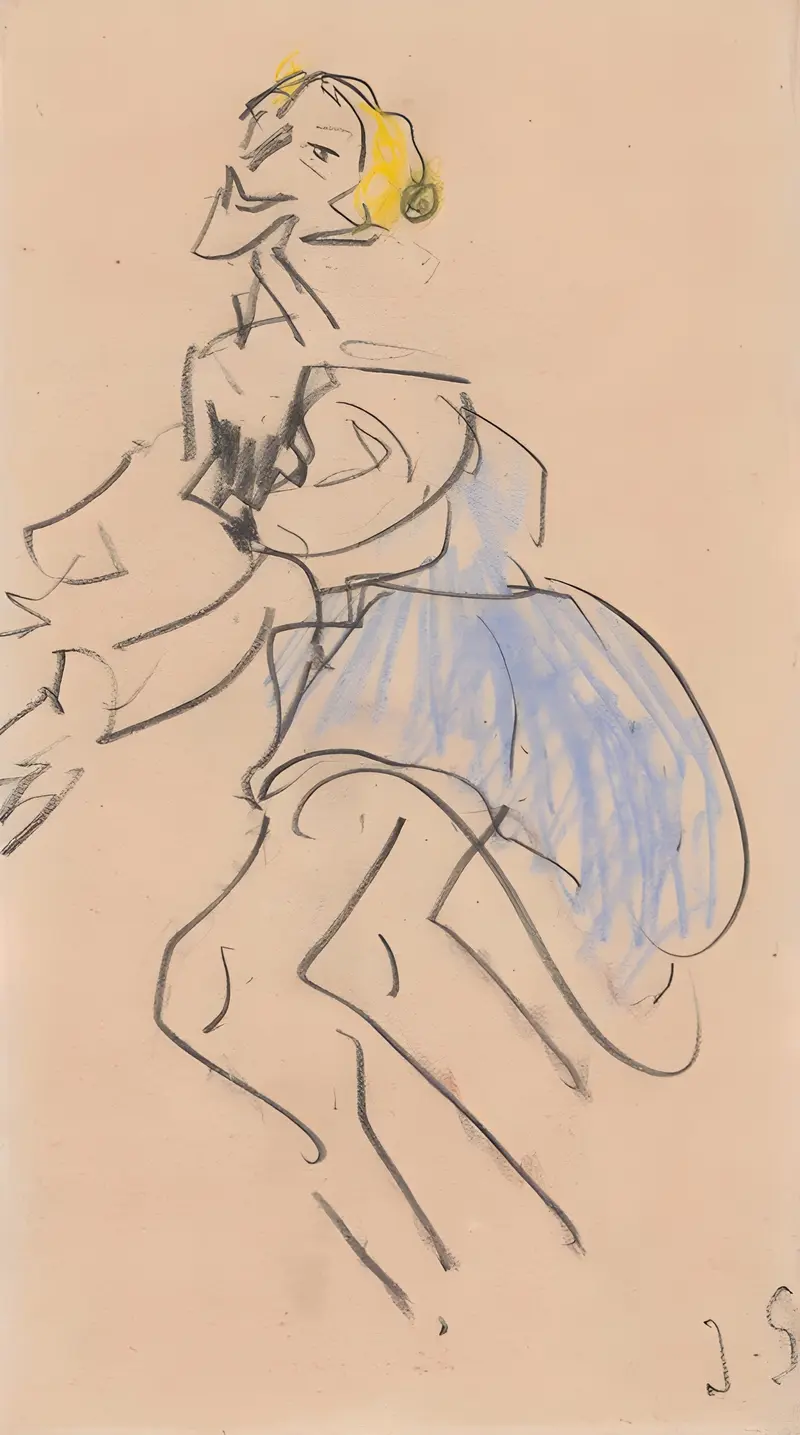
Dancer
Jules Schmalzigaug
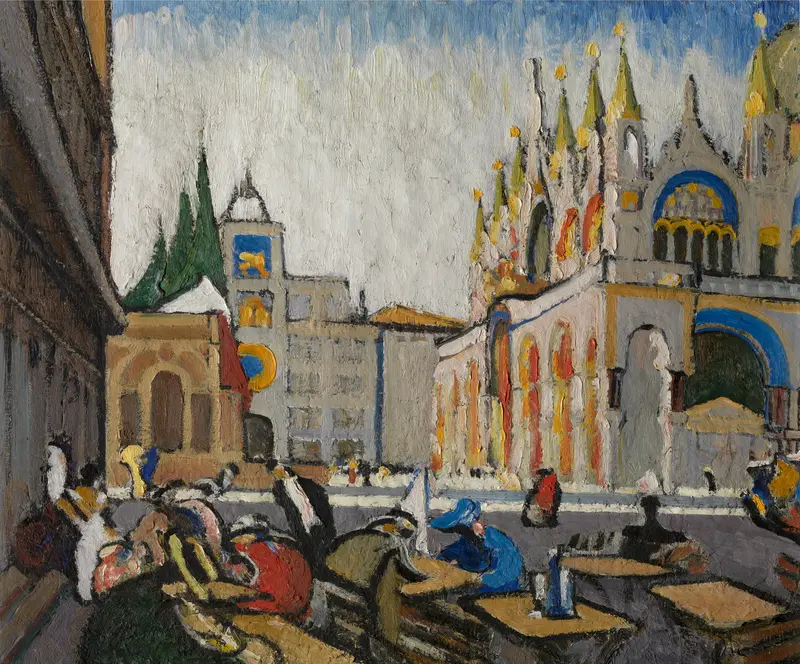
San Marco from the Piazetta
Jules Schmalzigaug
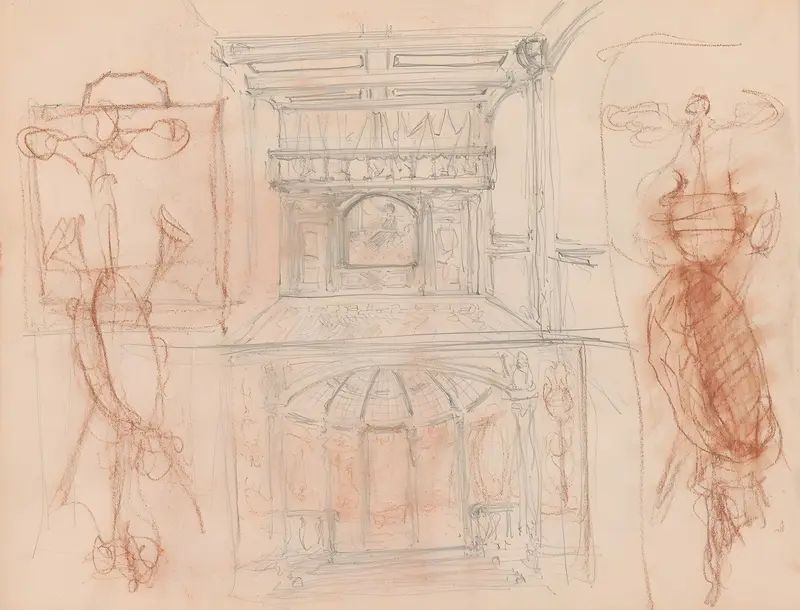
Architectural Elements
Jules Schmalzigaug
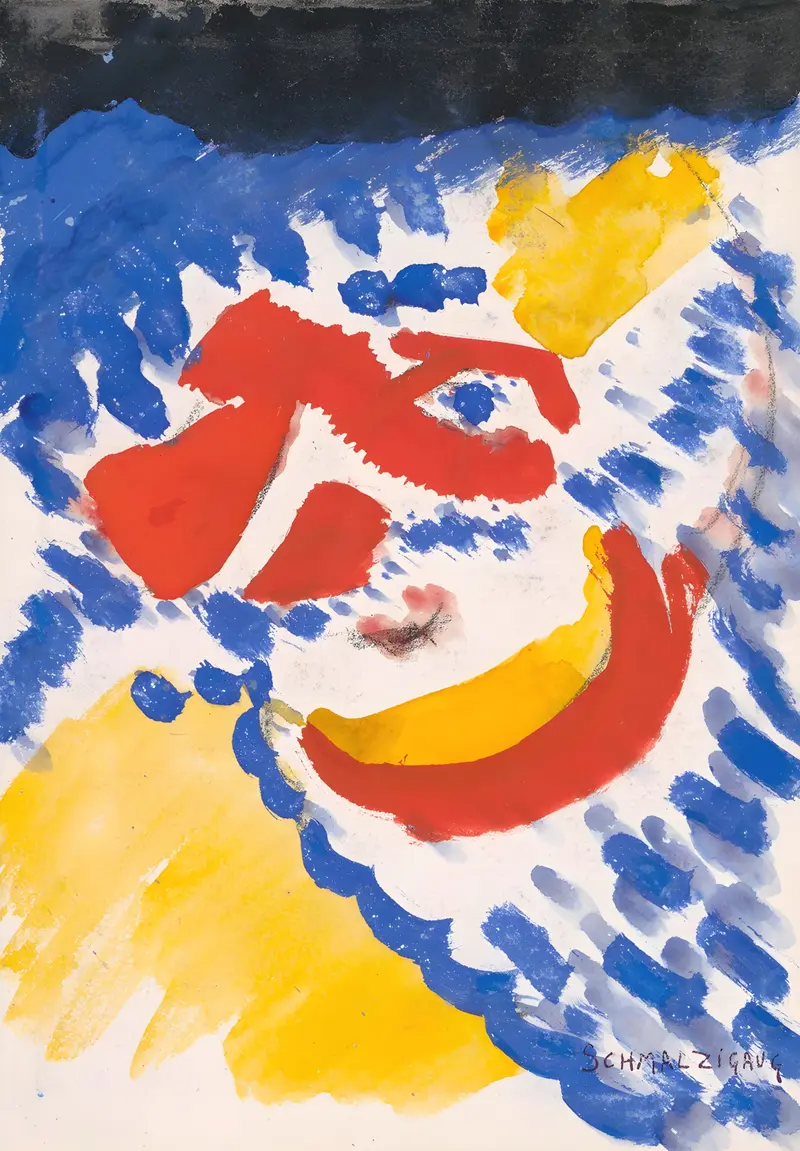
Blue, Red and Yellow Figures
Jules Schmalzigaug
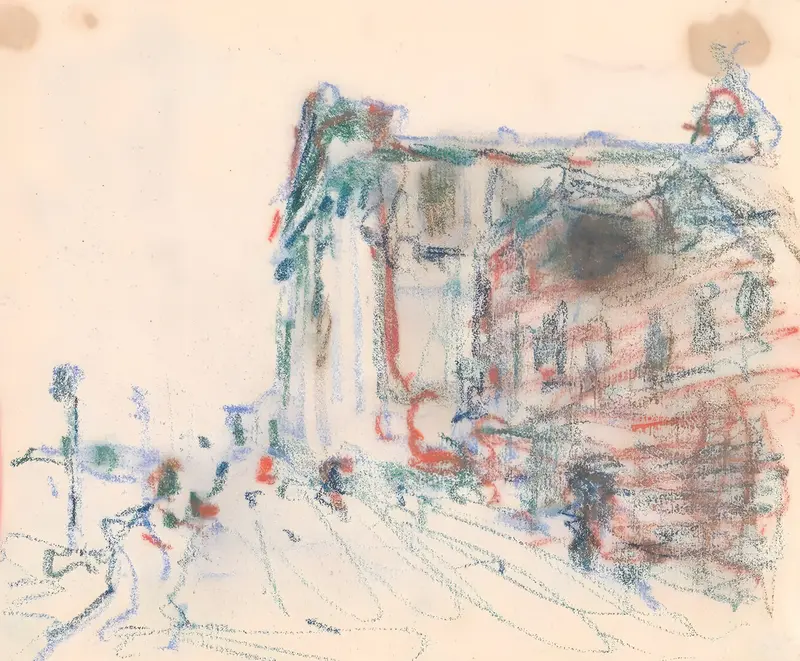
Chiesa dei Gesuati in Venice
Jules Schmalzigaug
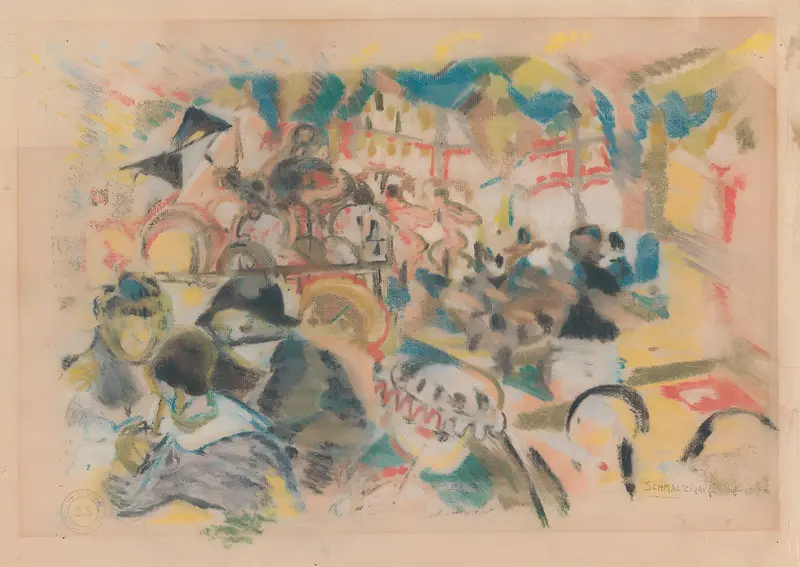
Café-chantant
Jules Schmalzigaug
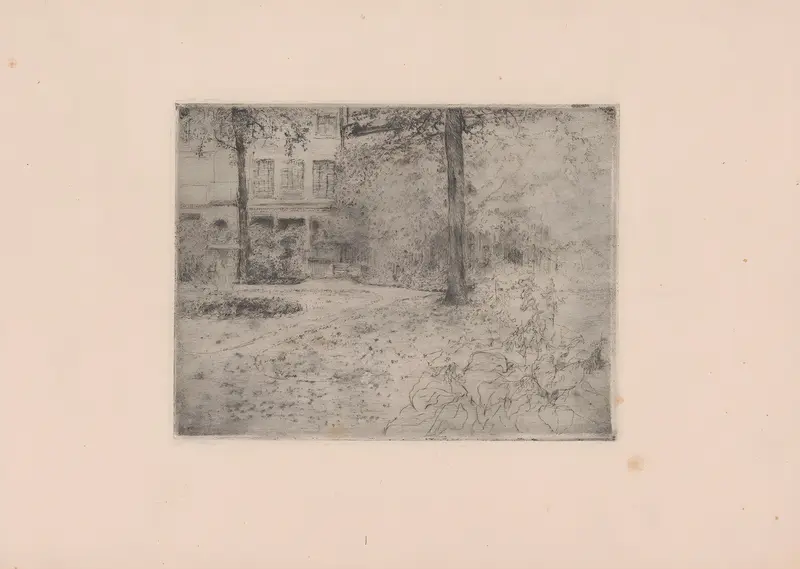
Backyard
Jules Schmalzigaug





