
Lille PdBA de ven danse de gueux — History & Facts
A ragged whirl of bodies, arms flung wide and faces twisted in laughter or grimace, draws the viewer into the unruly heart of Lille PdBA de ven danse de gueux by Adriaen Pietersz van de Venne. The eye is immediately caught by the central knot of dancers, their gestures exaggerated, their clothing little more than tatters, yet there is a wild energy to their movement. The figures seem to surge out from the smoky background, the artist’s quick, almost sketch-like brushwork lending a sense of immediacy—as if the dance might dissolve at any moment into chaos or collapse.
Light falls unevenly, highlighting the tangled limbs and expressive faces, while the earthy palette and rough lines reinforce the rawness of the scene. Every detail, from the outstretched hands to the lumpy, makeshift garments, signals not just poverty but a fierce, communal vitality. This is a vision born of the early seventeenth century, when images of peasants and beggars—known as “gueux” in French—became a favored subject for artists across the Low Countries. Works like this, created in the first quarter of the 17th century, were shaped by a society fascinated by the margins: the poor, the itinerant, the unruly.
Such paintings were collected by the urban elite, who saw in them both a moral lesson and a spectacle. Adriaen Pietersz van de Venne was one of the artists who excelled at capturing the rough humor and pathos of these scenes, often blurring the line between satire and sympathy. Though history has kept few traces of this particular work’s journey, its presence in a modern collection invites us to look again at the energy and humanity of those long-ago revelers, caught forever in their ragged dance.
More Artworks by Adriaen Pietersz van de Venne
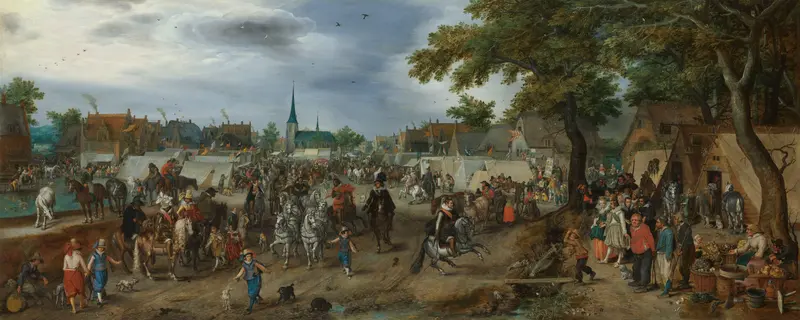
Princes Maurice and Frederick Henry at the Valkenburg Horse Fair
Adriaen Pietersz van de Venne
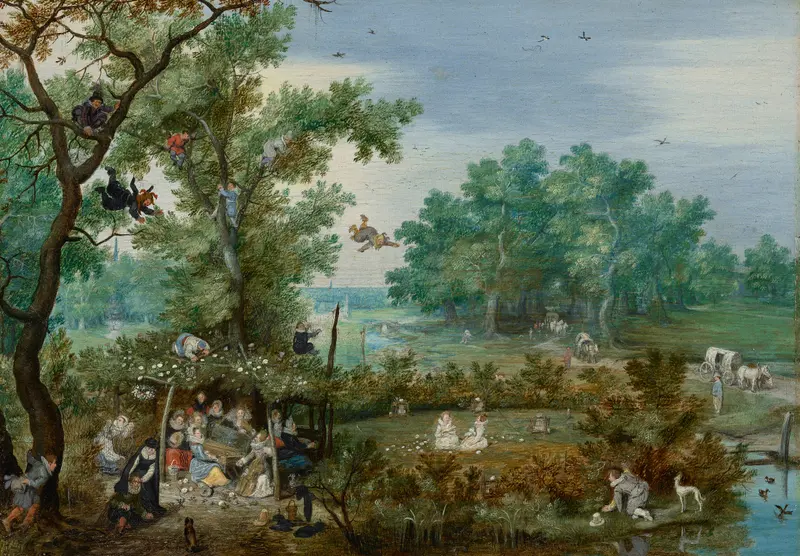
Merry Company in an Arbor
Adriaen Pietersz van de Venne
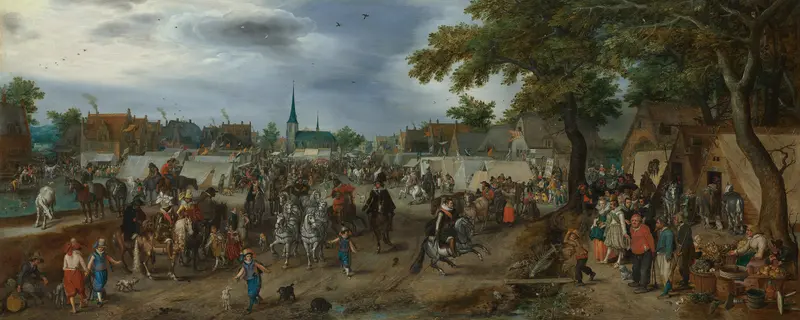
Princes Maurice and Frederick Henry at the Valkenburg Horse Fair
Adriaen Pietersz van de Venne
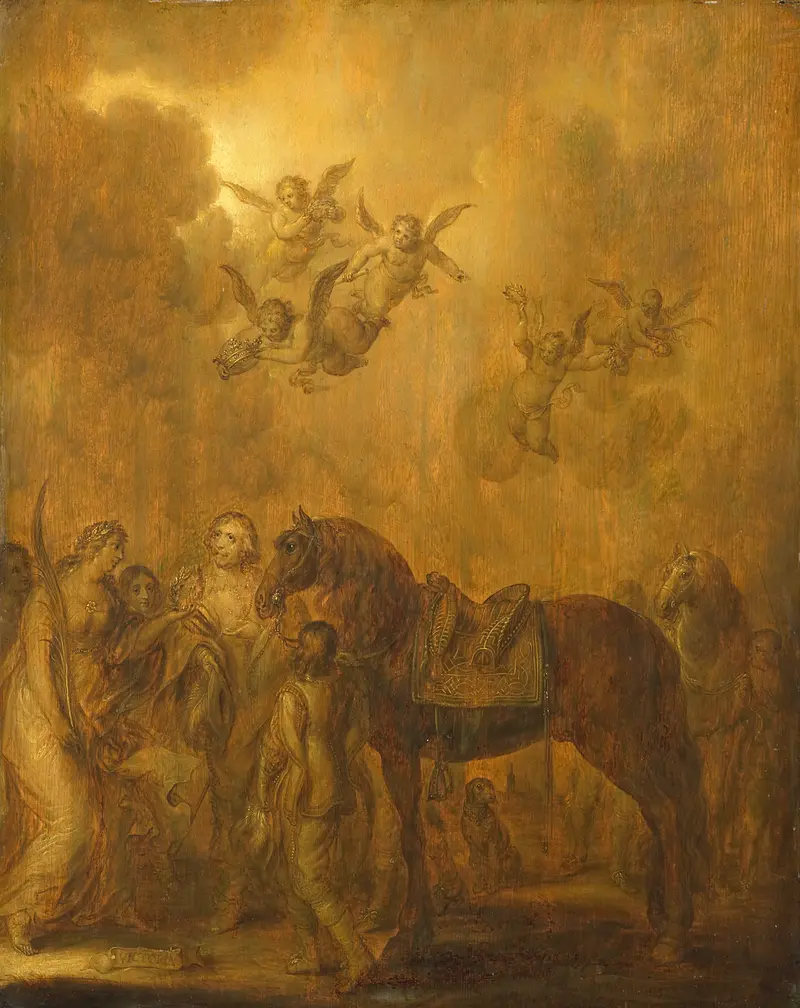
Allegory of the Stadtholdership of Prince Frederick Henry
Adriaen Pietersz van de Venne
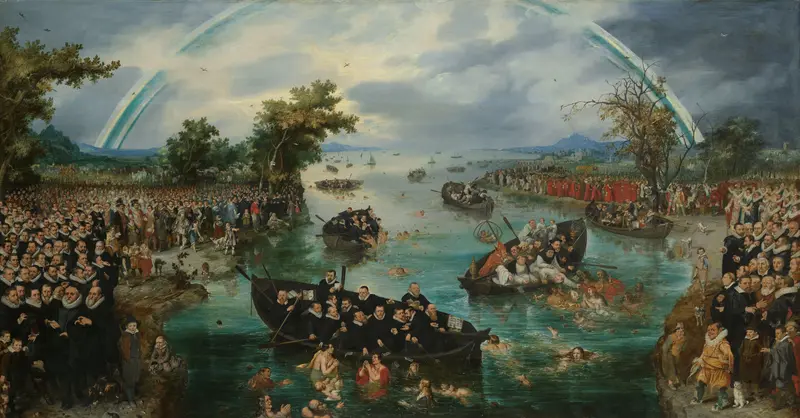
Fishing for Souls
Adriaen Pietersz van de Venne
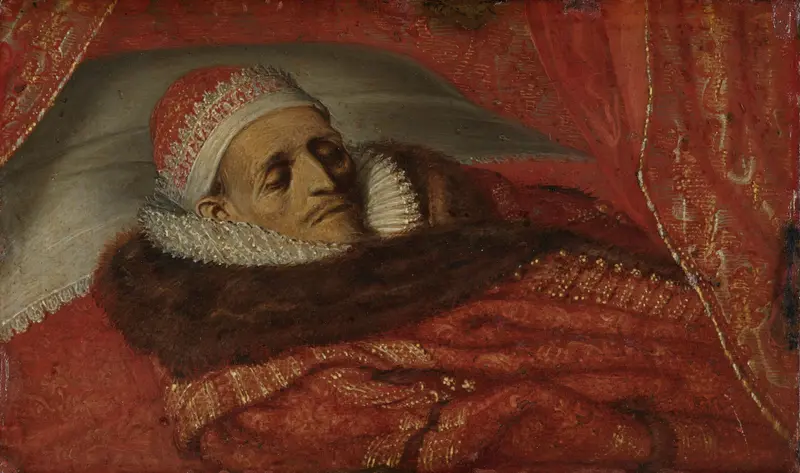
Stadtholder Prince Maurice Lying in State
Adriaen Pietersz van de Venne
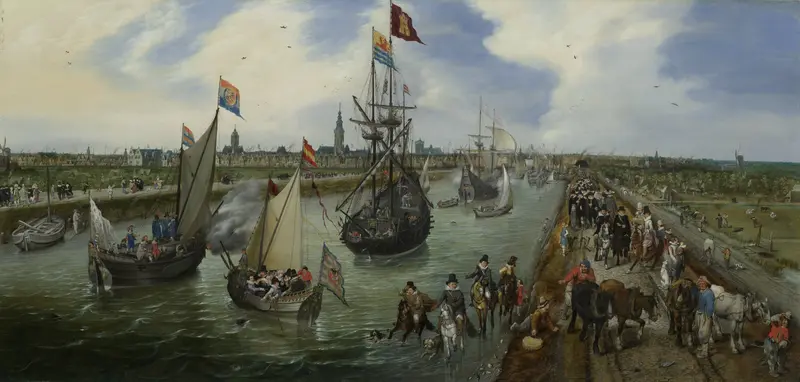
The Departure of a Dignitary from Middelburg
Adriaen Pietersz van de Venne
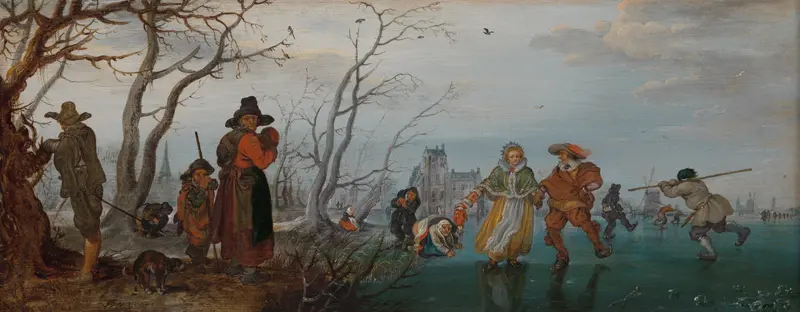
Winter
Adriaen Pietersz van de Venne

A Jeu de Paume Before a Country Palace
Adriaen Pietersz van de Venne
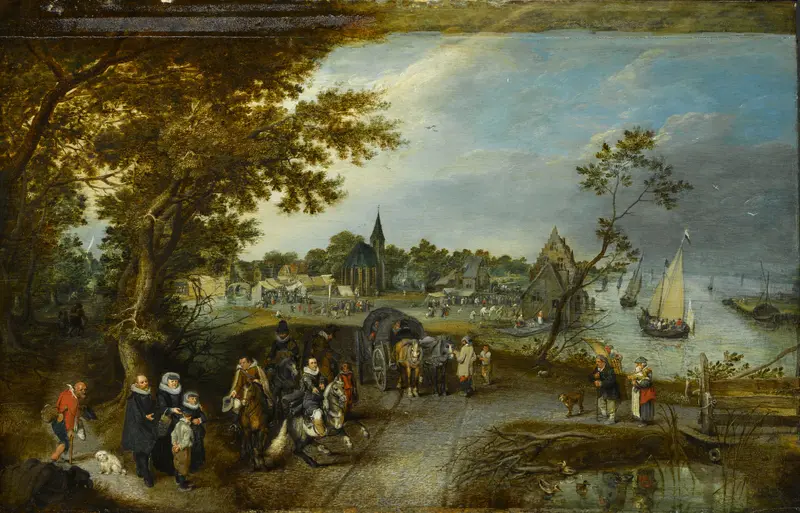
Landscape with Figures and a Village Fair (Village Kermesse)
Adriaen Pietersz van de Venne
More Genre Scene Art

Banquet of the Officers of the St George Civic Guard
Frans Hals

Rembrandt and Saskia in the Scene of the Prodigal Son
Rembrandt van Rijn

Bal du moulin de la Galette
Pierre-Auguste Renoir

Quadrille at the Moulin Rouge
Henri de Toulouse-Lautrec

A Burial at Ornans
Gustave Courbet

When Will You Marry?
Paul Gauguin