
L’incendie de l’Hôtel-Dieu en 1772 — History & Facts
Where does light end, and longing begin? In L’incendie de l’Hôtel-Dieu en 1772, the viewer is plunged into a moment of profound ecstasy and despair, where the flickering flames dance against the night sky, illuminating the anguish of a city in crisis. Look to the left where the inferno swallows the grand façade of the Hôtel-Dieu, its architectural elegance starkly contrasted against the chaos. The painter employs bold strokes of fiery orange and deep red, painting a vivid portrayal of destruction that commands attention. Move your gaze to the figures below—cloaked in shadows, their faces are etched with fear and desperation, each gesture pulsating with raw emotion.
The interplay of light and shadow creates a haunting atmosphere, a testament to the fragility of life in the face of calamity. Yet, amid the destruction, there lies an undercurrent of resilience, as some figures hurriedly aid the stricken, demonstrating a profound sense of community even amidst despair. The smoke curling upward symbolizes both loss and a yearning for salvation, a reminder of the human spirit’s capacity to endure. The juxtaposition of the violent flames and the tender acts of heroism reveals an intricate tapestry of conflicting emotions, where ecstasy arises not from pleasure but from the very act of survival. Nicolas Jean-Baptiste Raguenet painted this work during a tumultuous period in France, capturing the catastrophic moment when the Hôtel-Dieu, one of Paris's oldest hospitals, caught fire.
In 1772, as Enlightenment thinkers challenged traditional ways of understanding society, the artist reflected the turmoil surrounding public welfare and the fragility of human life. It was a time when art sought to document the realities of existence, merging beauty and tragedy into a single poignant narrative.
More Artworks by Nicolas Jean-Baptiste Raguenet
Browse all →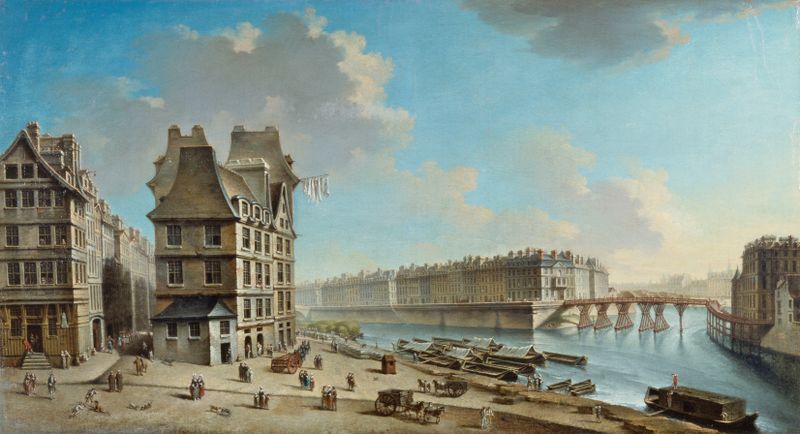
La Grève, l’Ile Saint-Louis et le Pont Rouge, vus de la place de la Grève
Nicolas Jean-Baptiste Raguenet
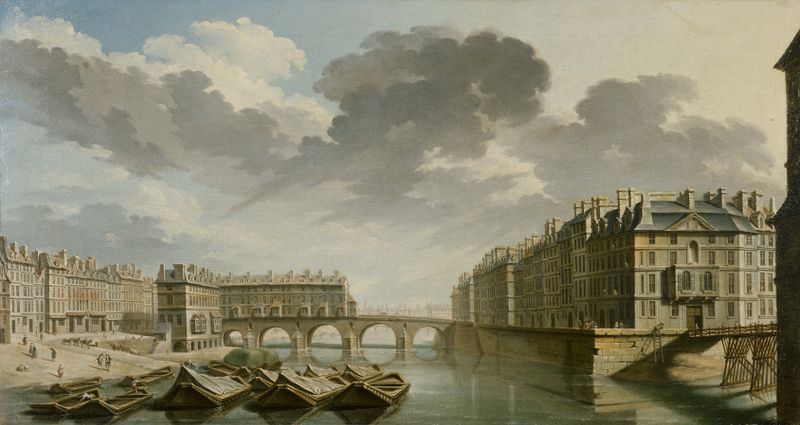
Le Quai des Ormes (actuel quai de l’Hôtel de Ville), le pont Marie et l’île Saint-Louis
Nicolas Jean-Baptiste Raguenet

Le Palais des Tuileries, vu du quai d’Orsay
Nicolas Jean-Baptiste Raguenet
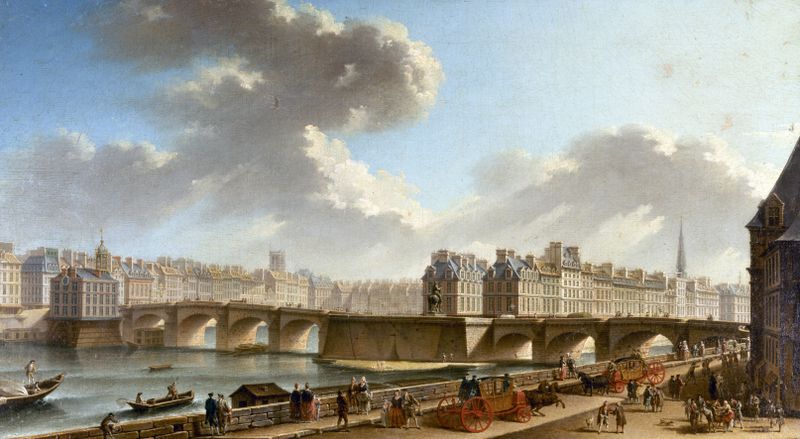
Le Pont-Neuf Et La Cité, Vus Du Quai De Conti
Nicolas Jean-Baptiste Raguenet
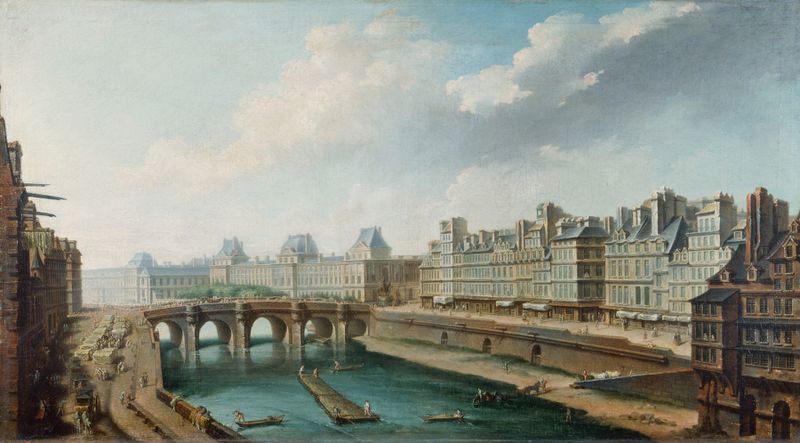
Le Louvre, le Pont-Neuf et le quai des Orfèvres, vus du quai des Grands-Augustins
Nicolas Jean-Baptiste Raguenet
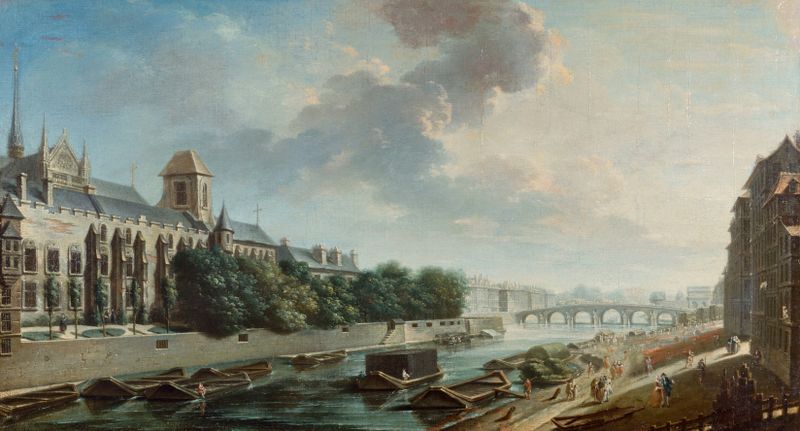
Le Palais de l’archevêché, vue de la rive gauche
Nicolas Jean-Baptiste Raguenet
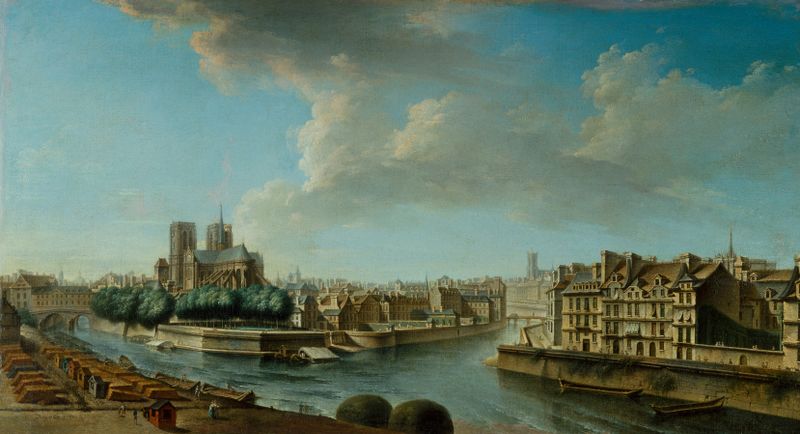
Le Chevet de Notre-Dame et la Pointe occidentale de l’Ile Saint-Louis
Nicolas Jean-Baptiste Raguenet
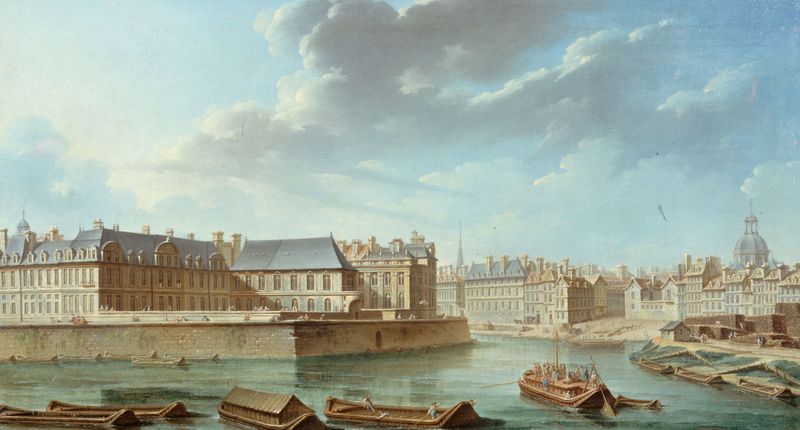
La Pointe orientale de l’île Saint-Louis, avec l’hôtel de Bretonvilliers et l’hôtel Lambert
Nicolas Jean-Baptiste Raguenet
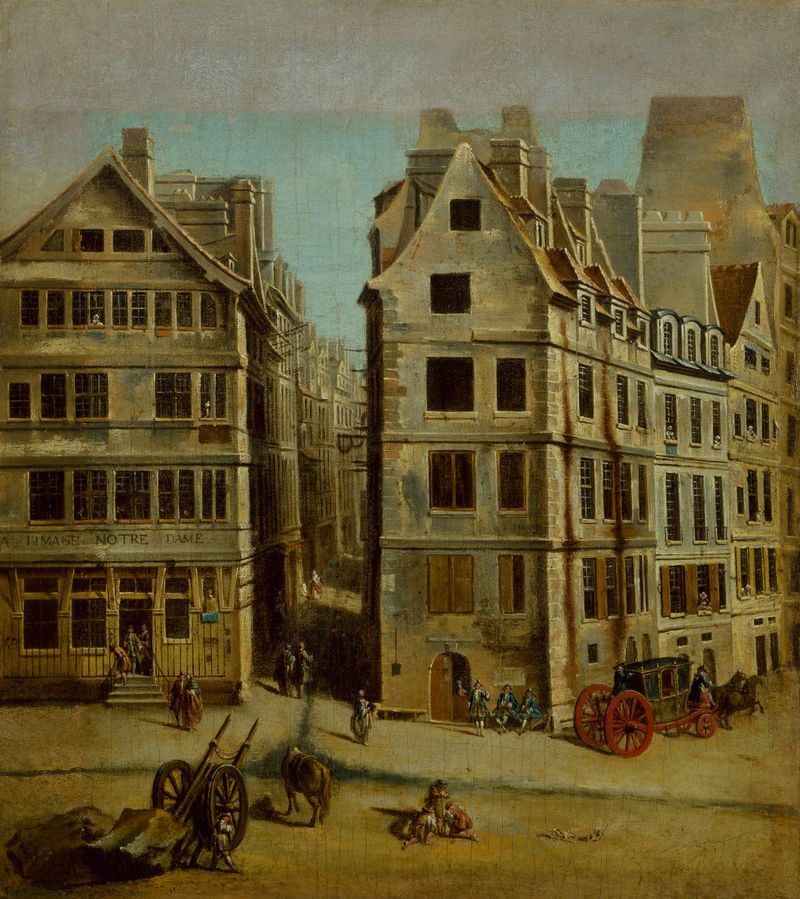
Le cabaret l’Image Notre-Dame, place de Grève, actuelle place de l’Hôtel de Ville
Nicolas Jean-Baptiste Raguenet

La joute des mariniers, entre le pont Notre-Dame et le pont au Change
Nicolas Jean-Baptiste Raguenet
More Historical Art
Browse all →
The Night Watch Militia Company of District II under the Command of Captain Frans Banninck Cocq
Rembrandt van Rijn

Lincoln Memorial
Henry Bacon

The Third of May 1808
Francisco de Goya

Isaac and Rebecca, Known as ‘The Jewish Bride’
Rembrandt van Rijn

The Charge of the Mamelukes (1814)
Francisco de Goya

De vier ruiters van de apocalyps
Albrecht Dürer