
Lisieux — History & Facts
In a world where whispers of creation linger in every brush stroke, a painting offers a glimpse into the delicate dance of artistic expression and the vibrant life that surrounds it. Look to the warm hues of ochre and deep greens that dominate the canvas, guiding your gaze towards the serene landscape that unfolds. Notice how the light plays across the textured surface, illuminating subtle details in the foreground while allowing the background to fade softly into an ethereal haze. The careful layering of color reveals not just a scene, but an invitation to step into a moment suspended in time, urging you to explore the depths of its emotional resonance. As you delve deeper, consider the contrast between the stillness of nature and the vibrancy of life that pulses within it.
The juxtaposition of shadow and light embodies the tension between creation and chaos, suggesting a world teeming with potential yet grounded in tranquility. Look closely, and you may find hints of unseen narratives—silent stories woven into the fabric of the landscape, echoing the artist's own journey of discovery. Willem Adrianus Grondhout painted Lisieux during a transformative period between 1888 and 1934, a time marked by personal exploration and artistic experimentation. Residing in the Netherlands, he navigated the evolving tides of European art, drawing inspiration from impressionism while forging his own unique path.
In this work, he encapsulates both the essence of his surroundings and the inner landscape of creation, bridging the gap between observation and imagination.
More Artworks by Willem Adrianus Grondhout
Browse all →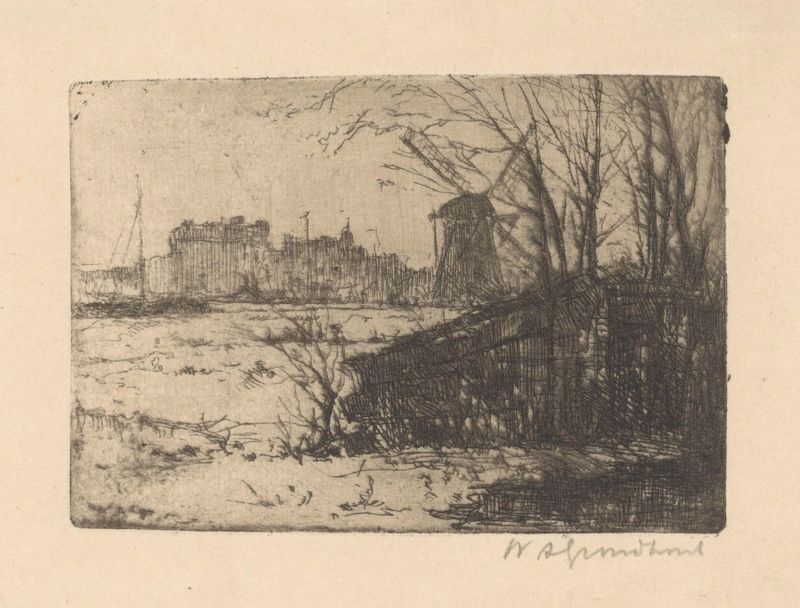
Landschap met molen in de Binckhorst in Den Haag
Willem Adrianus Grondhout
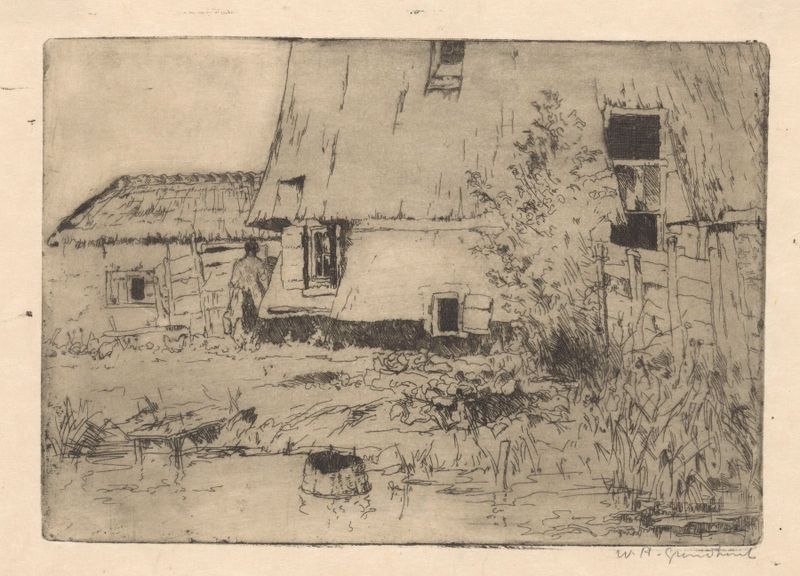
Voet van een molen in Voorburg
Willem Adrianus Grondhout
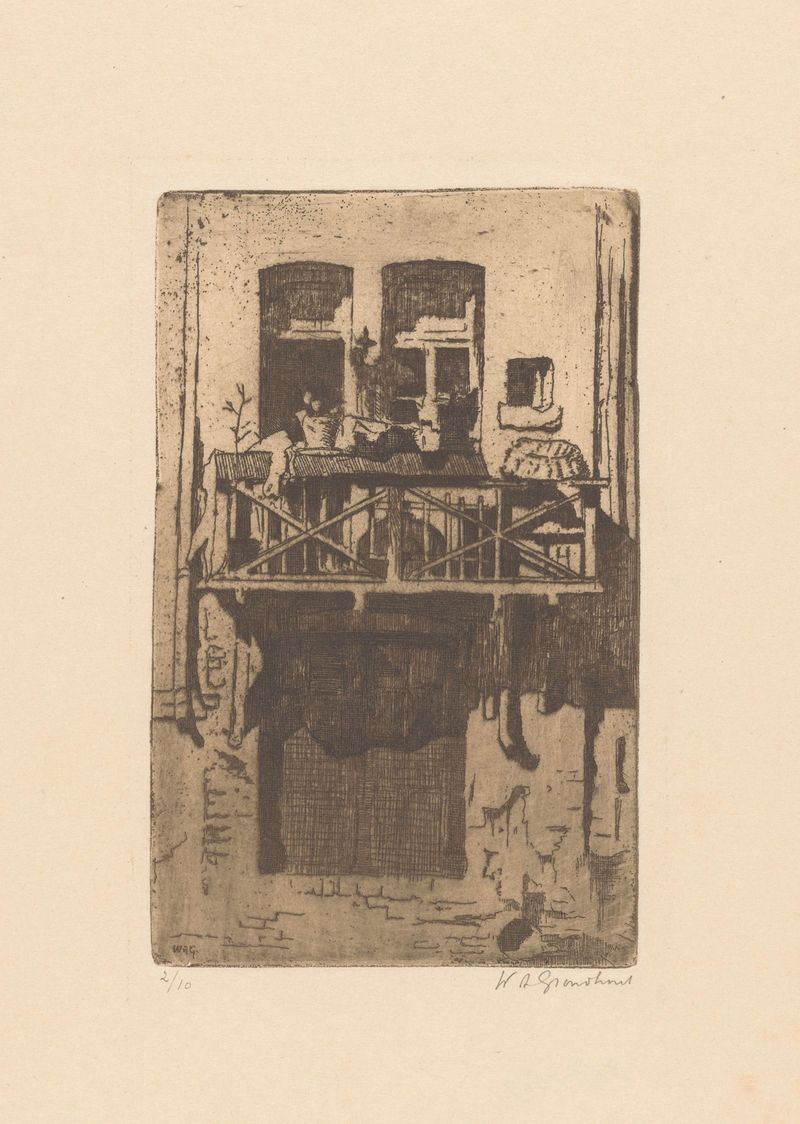
Balkon van een huis aan de Oudezijds Kolk in Amsterdam
Willem Adrianus Grondhout
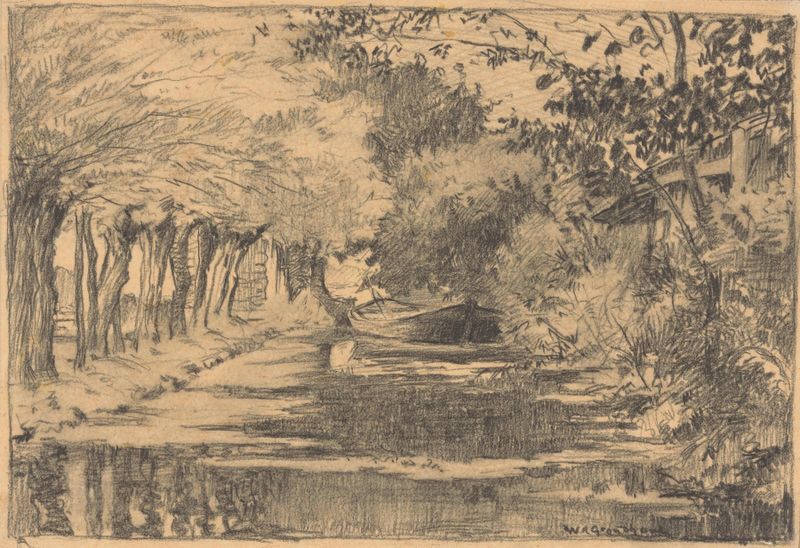
Broeksloot bij Voorburg
Willem Adrianus Grondhout
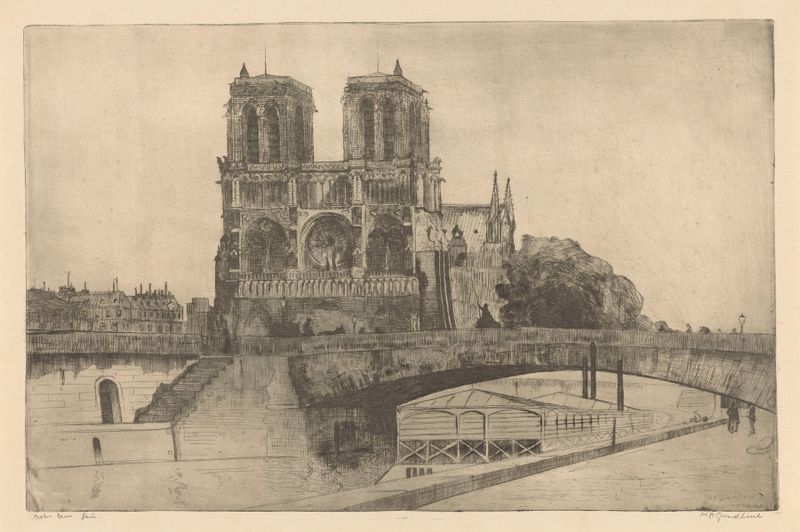
Notre-Dame, Paris
Willem Adrianus Grondhout
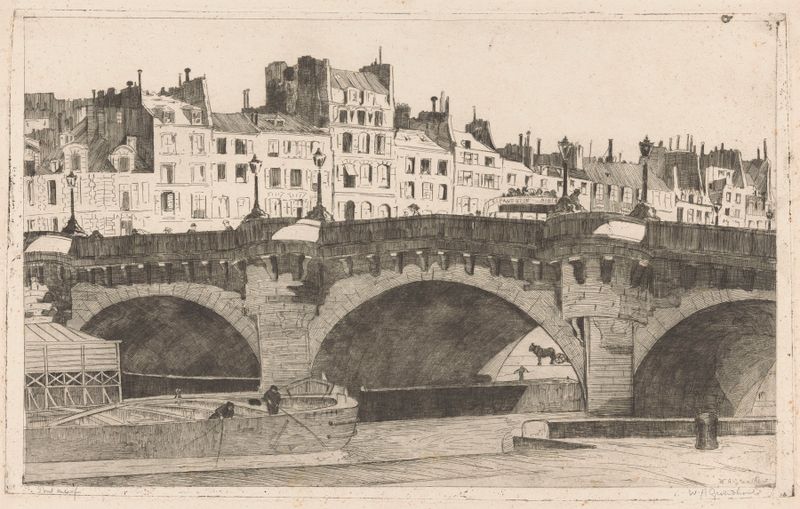
Pont Neuf
Willem Adrianus Grondhout
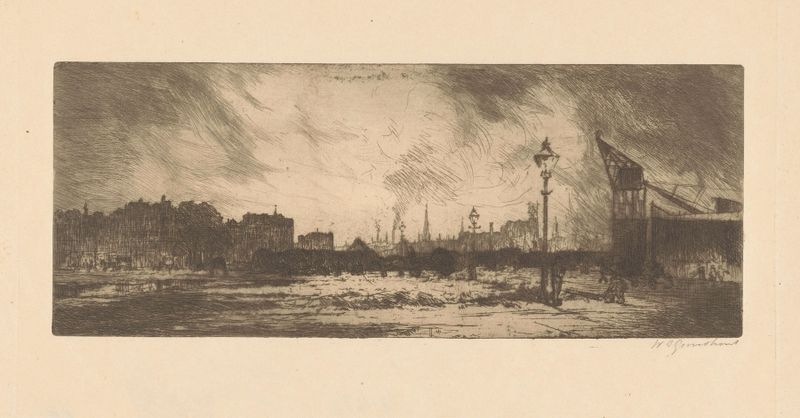
Havenkade met lantaarnpalen in Rotterdam
Willem Adrianus Grondhout
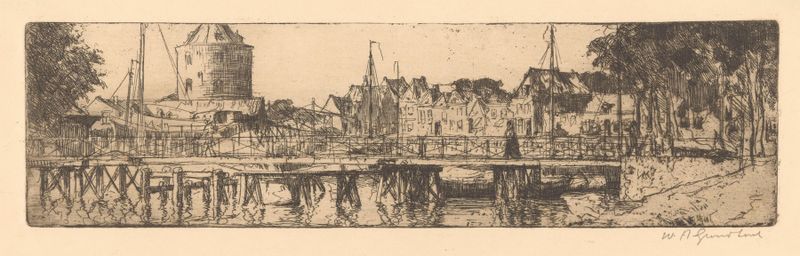
Enkhuizen
Willem Adrianus Grondhout
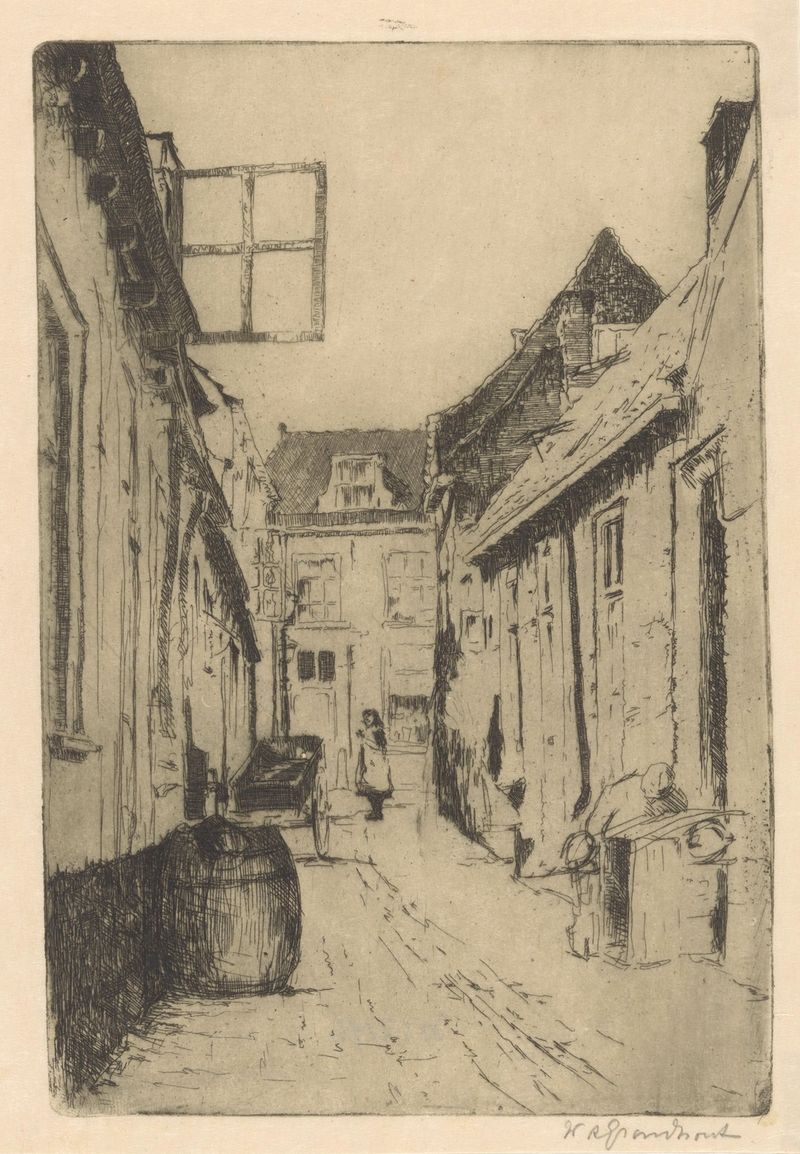
Straatje in Voorburg.
Willem Adrianus Grondhout
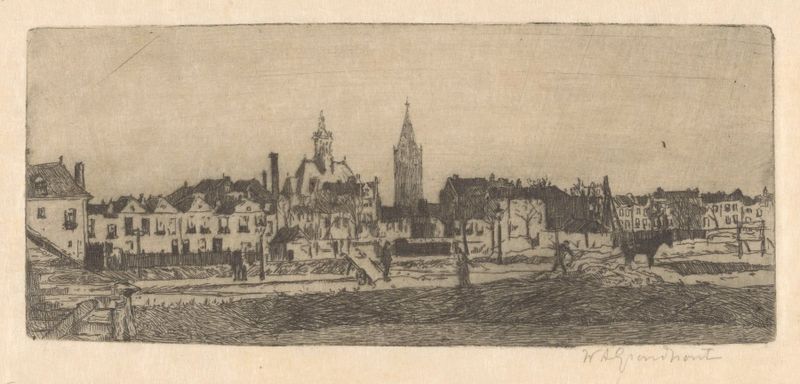
Delft
Willem Adrianus Grondhout





