Little Garden in the Black Forest — History & Facts
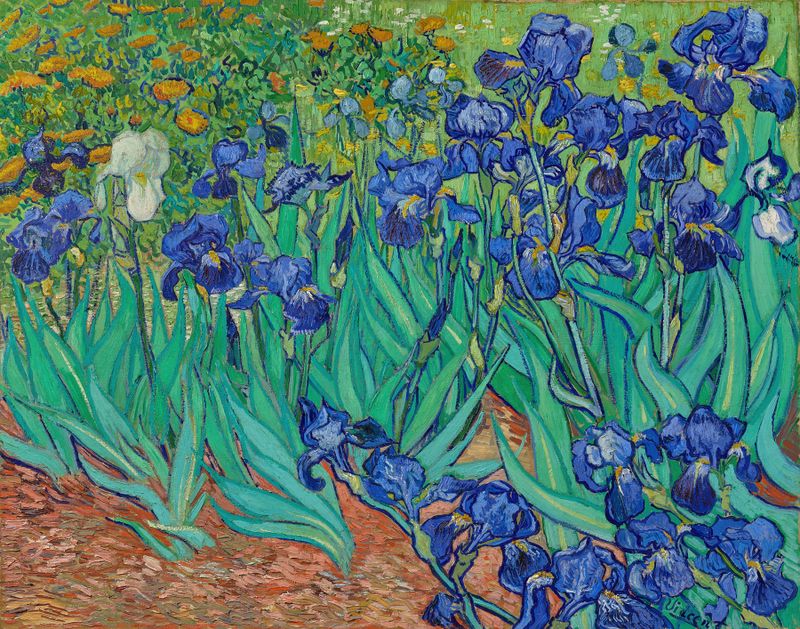
Amidst the towering pines of the Black Forest, a small clearing bursts forth with life. Sunlight filters through the leaves, casting dappled patterns on the soil, while vibrant flowers sway gently in the cool breeze. In the heart of this sanctuary, a woman kneels, her hands cradling freshly uprooted blooms, embodying both serenity and purpose. Look to the left at the delicate petals of the blossoms, painted with meticulous care, their colors rich and inviting.
The light plays beautifully on the canvas, illuminating the woman’s sun-kissed skin and the earthy tones of her simple dress. Notice how the winding path, leading deeper into the woods, draws the viewer's gaze, creating a sense of journey and exploration. Thoma’s brushwork gives life to the leaves, each stroke a testament to nature’s intricacies and the artist's profound connection to the landscape. The tension between the cultivated garden and the wild forest symbolizes hope and renewal.
Each flower represents a quiet resilience, a reminder of nature's beauty in the midst of darkness. The woman, absorbed in her task, reflects humanity's eternal bond with the earth and the nurturing spirit that fosters growth. This contrast evokes a sense of harmony amidst chaos, suggesting that even in the most shadowed corners of life, beauty can thrive. Hans Thoma painted Little Garden in the Black Forest in 1879 while living in Germany, amidst a burgeoning interest in the natural world and regionalism in art.
During this time, he was influenced by both the Romantic and Impressionist movements, which celebrated the beauty of everyday life and nature. This piece reflects his deep appreciation for the German landscape, as well as his desire to encapsulate moments of tranquility and connection with the earth.
More Artworks by Hans Thoma
Browse all →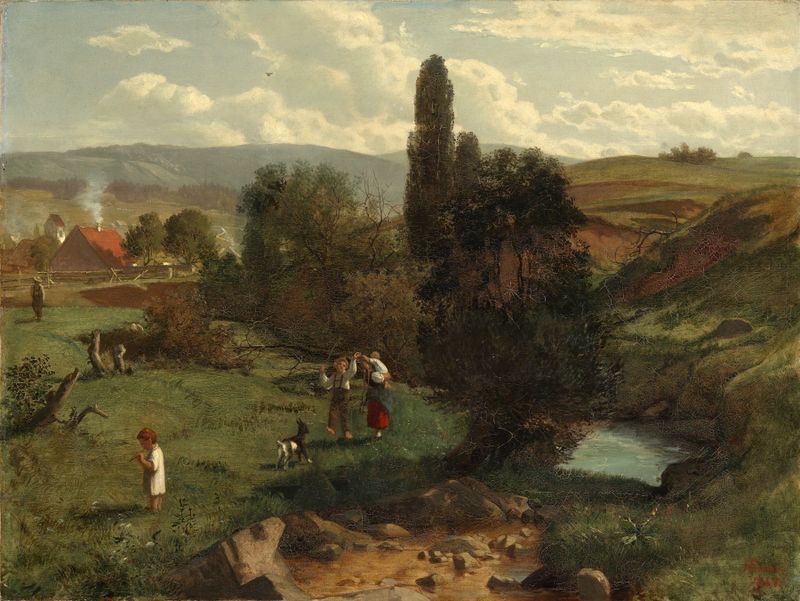
Schwarzwaldlandschaft
Hans Thoma
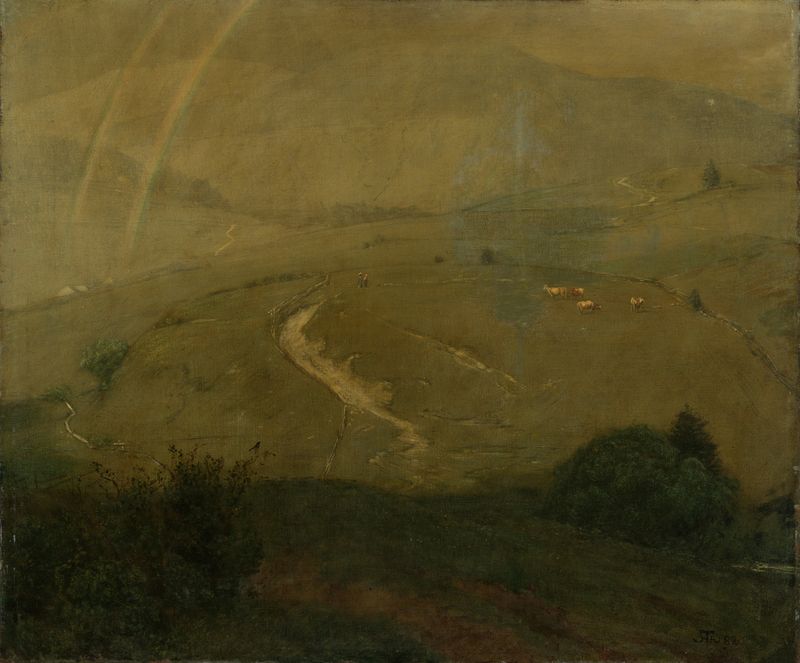
Regen im Schwarzwald
Hans Thoma
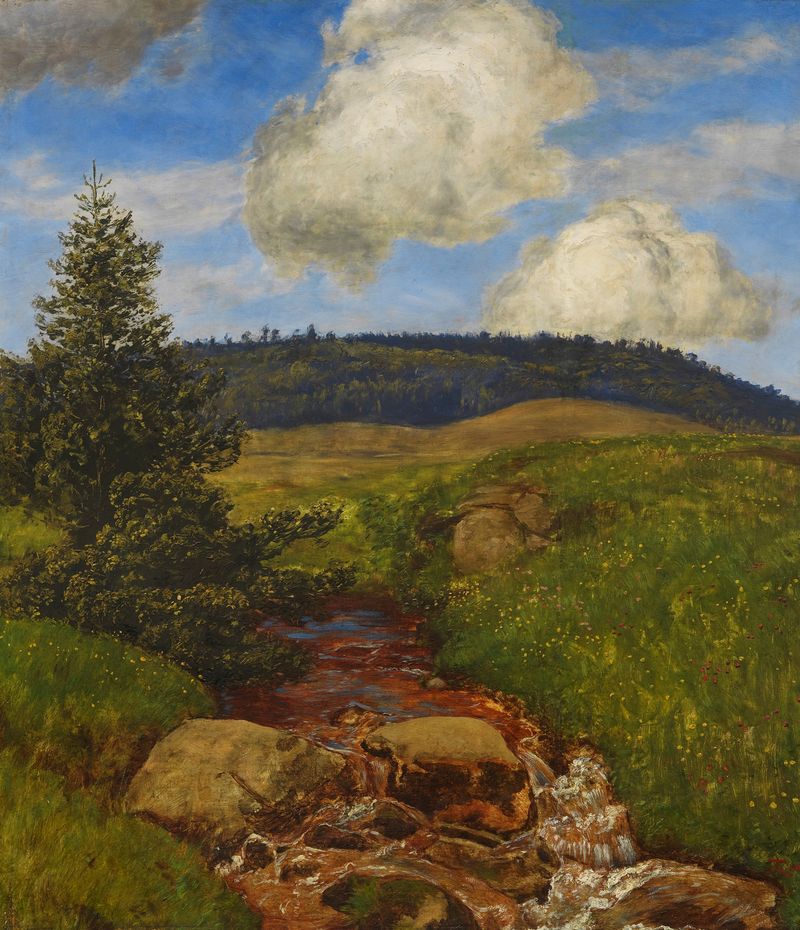
Schwarzwaldbach
Hans Thoma
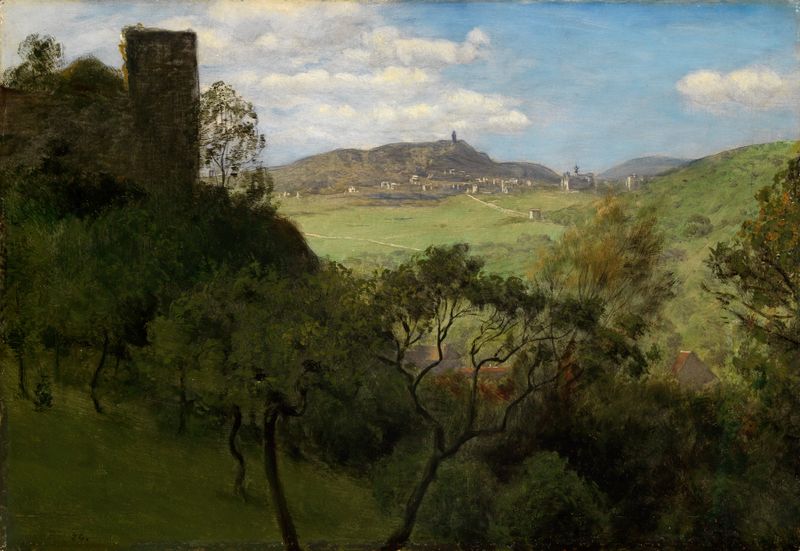
Blick auf Falkenstein im Taunus
Hans Thoma
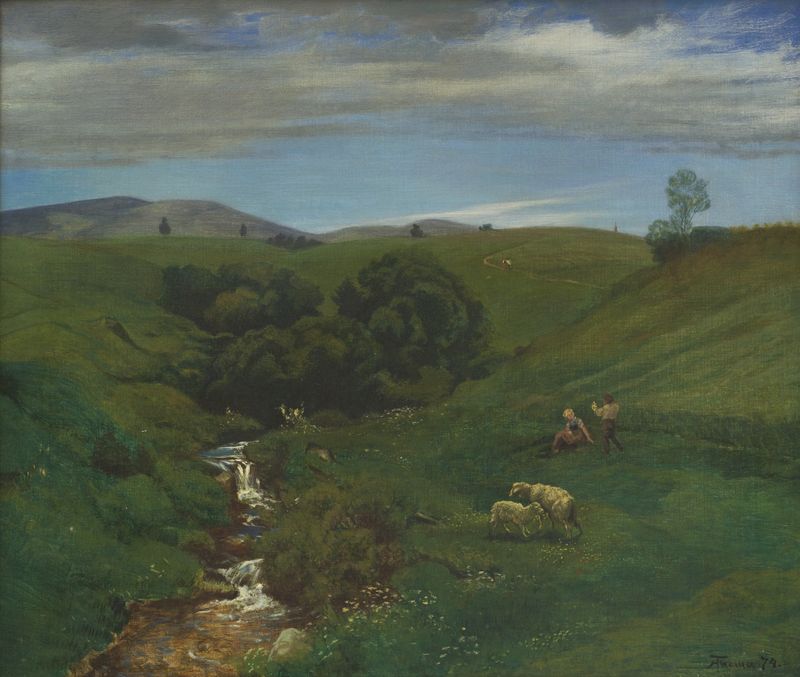
Black Forest Meadow near Bernau
Hans Thoma
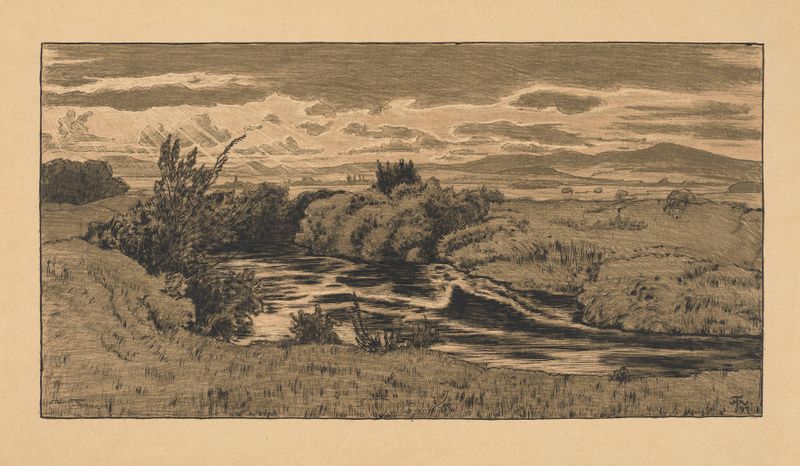
Evening by the Nidda River
Hans Thoma
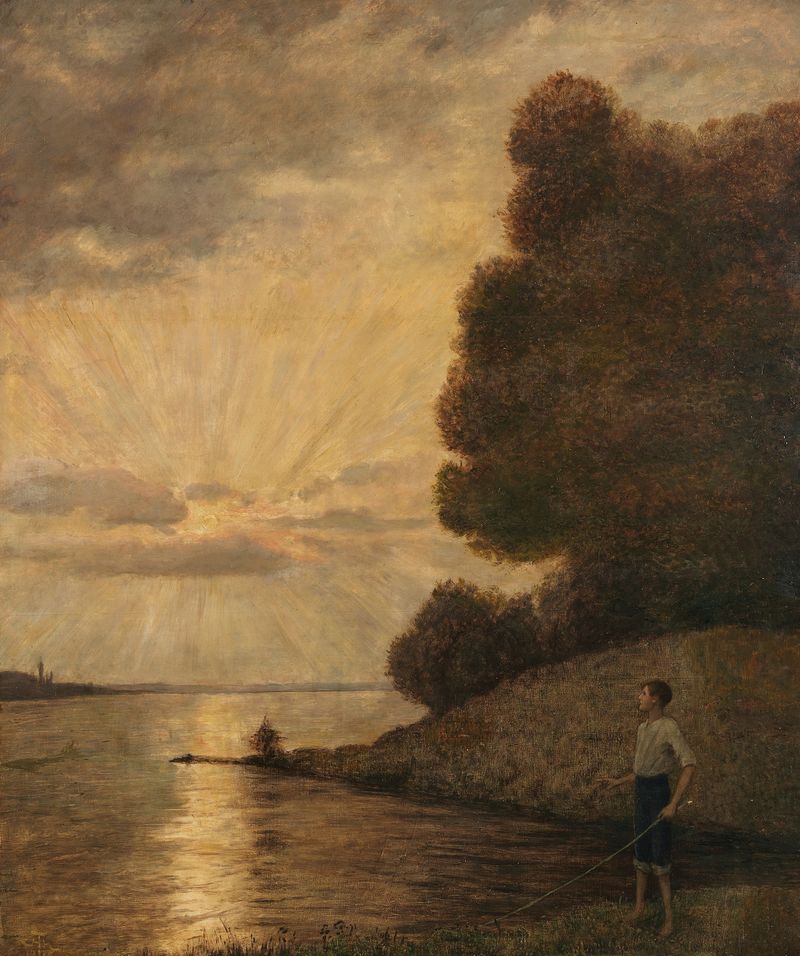
Sonnenuntergang am Oberrhein
Hans Thoma
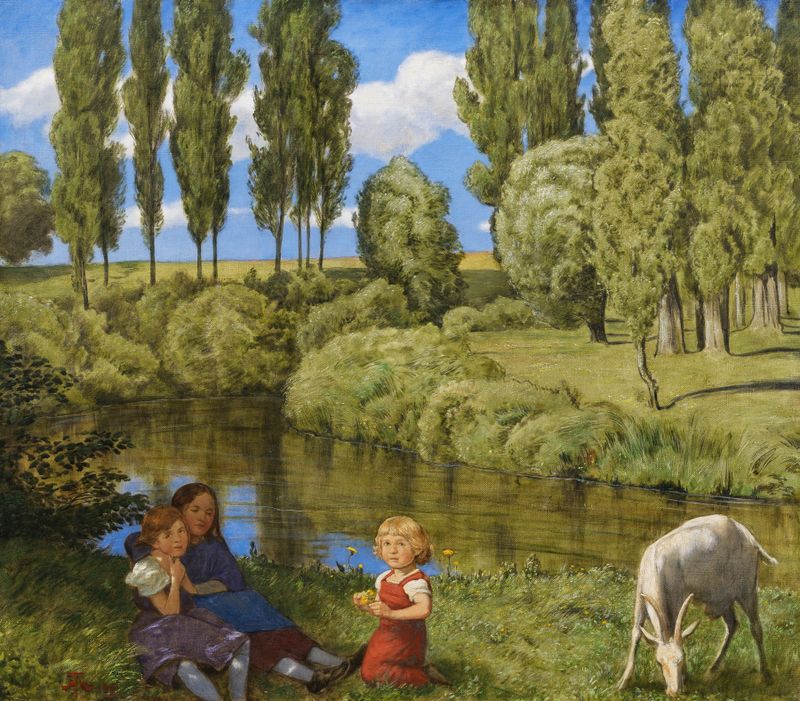
Am Stillen Bach
Hans Thoma
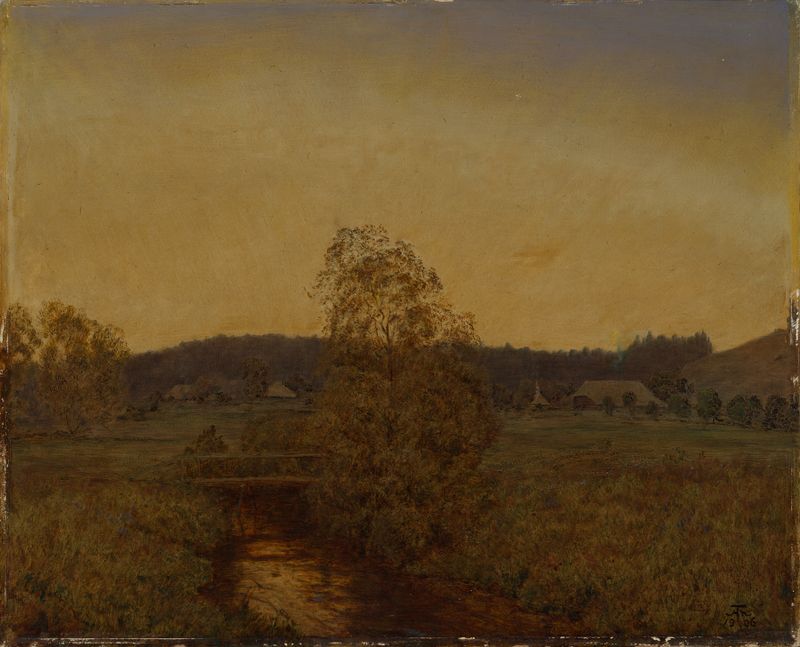
Der Abendstern
Hans Thoma
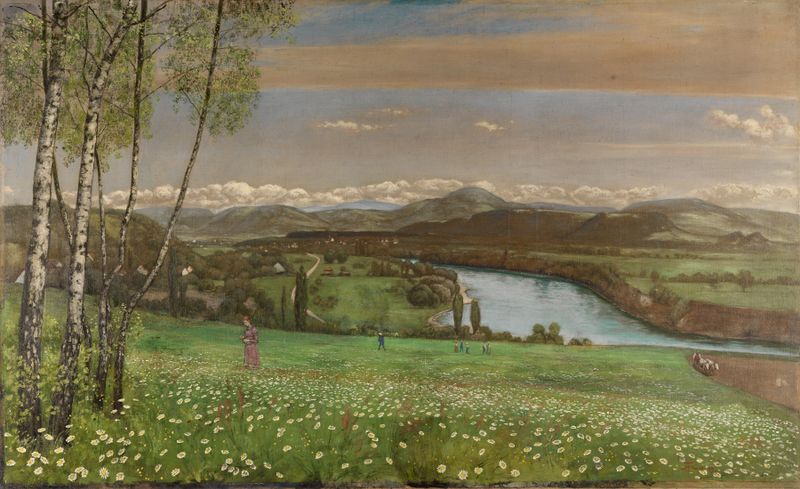
Das Rheintal bei Säckingen
Hans Thoma