
Lolotte — History & Facts
When Amedeo Modigliani painted Lolotte in 1917, he was in the midst of his most feverish and productive period, working in the bohemian heart of Montparnasse. What makes this portrait especially intriguing is the enduring uncertainty about the sitter’s true identity—“Lolotte” is believed to be a nickname, but scholars still debate whether she was a close friend, a model, or simply one of the many young women who passed through Modigliani’s studio during those tumultuous years. The painting emerged at a time when Modigliani was redefining the modern portrait, stripping away detail to focus on the essence of his subjects.
In a letter from 1917, the poet Jean Cocteau described Modigliani’s models as “ghosts clothed in flesh,” a phrase that seems to haunt this enigmatic work. In Lolotte, the sitter gazes outward with the elongated neck and almond-shaped eyes so characteristic of Modigliani’s portraits. Her face, mask-like and serene, floats above a body rendered with simplified lines and muted tones, drawing the viewer’s attention to her inscrutable expression. The absence of background detail places all focus on the sitter, while the subtle tilt of her head and the delicate curve of her lips suggest both vulnerability and self-possession.
Unlike the psychological intensity found in Picasso’s portraits from the same era, Modigliani’s approach is quieter, inviting contemplation rather than confrontation. The painting’s flat planes and rhythmic contours echo the influence of African sculpture, which Modigliani admired and collected. The physical history of Lolotte remains somewhat obscure, as is the case with many of Modigliani’s works from this period, which were often traded among friends or sold to pay debts. It is not recorded whether this painting was part of the artist’s only solo exhibition in Paris in 1917, which was famously shut down by police on its opening day for indecency.
Today, Lolotte is recognized as a quintessential example of Modigliani’s mature style, a testament to his brief but influential career before his untimely death in 1920. Its current location is not widely publicized, but it continues to be sought after by collectors and museums for its quiet intensity and the air of mystery that surrounds both artist and sitter.
More Artworks by Amedeo Modigliani
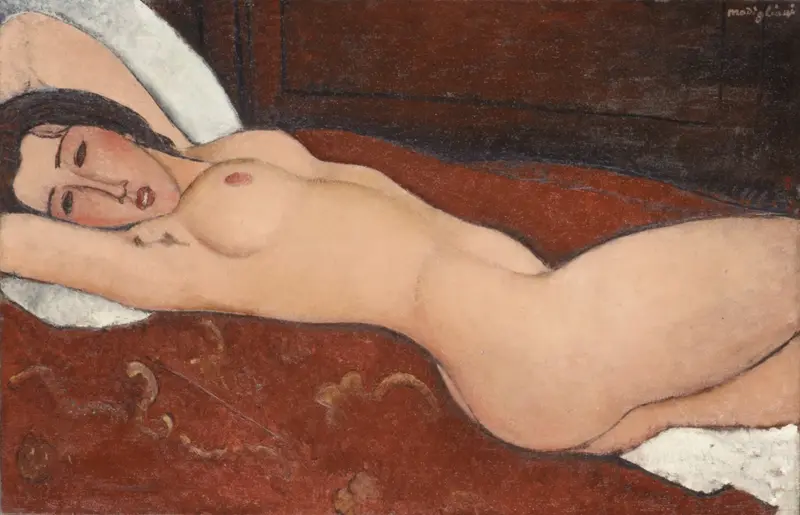
Reclining Nude
Amedeo Modigliani

Portrait Of Jeanne Hébuterne
Amedeo Modigliani

Jeanne Hébuterne
Amedeo Modigliani
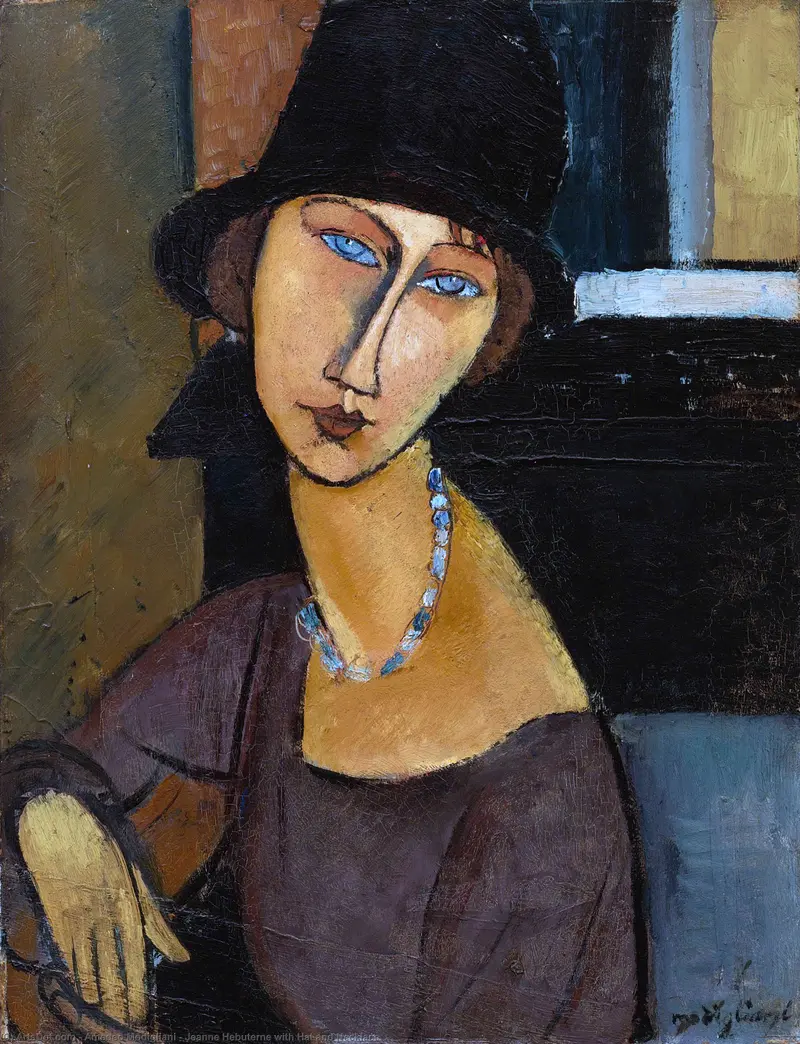
Jeanne Hébuterne with Hat and Necklace
Amedeo Modigliani
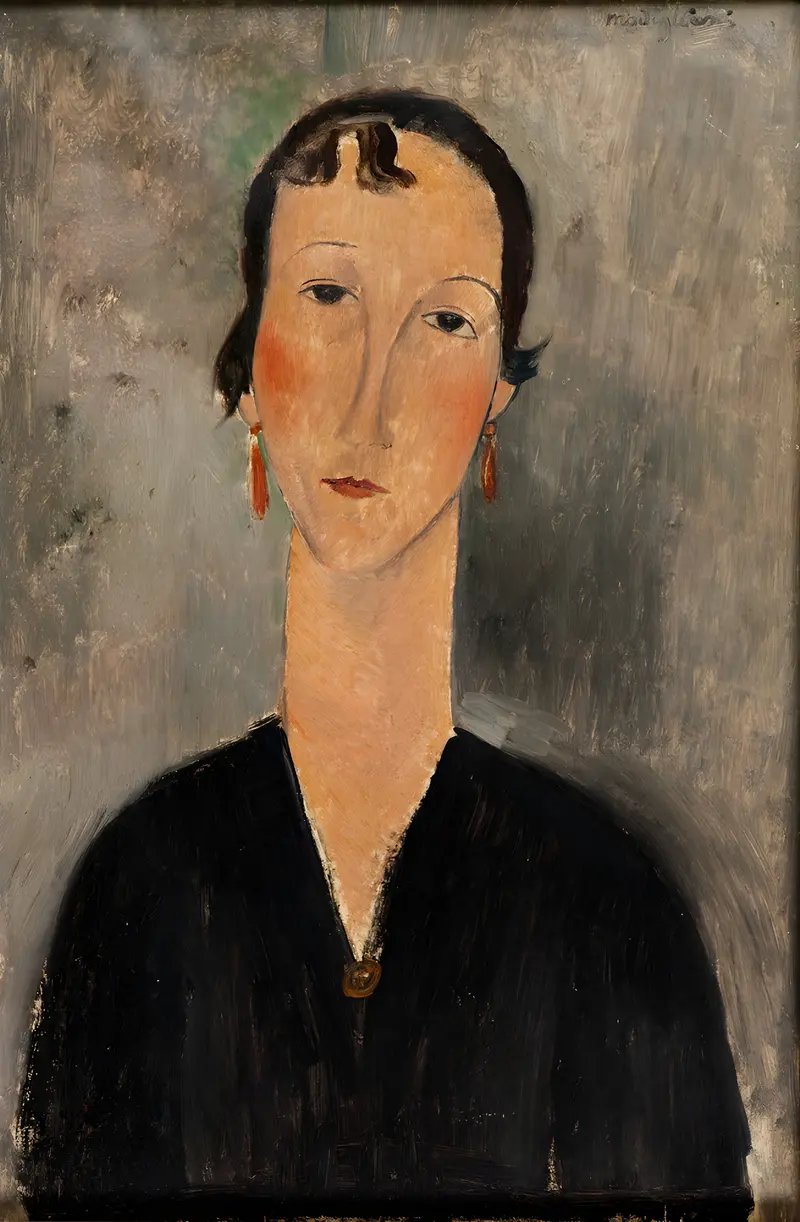
Femme aux boucles d'oreilles
Amedeo Modigliani
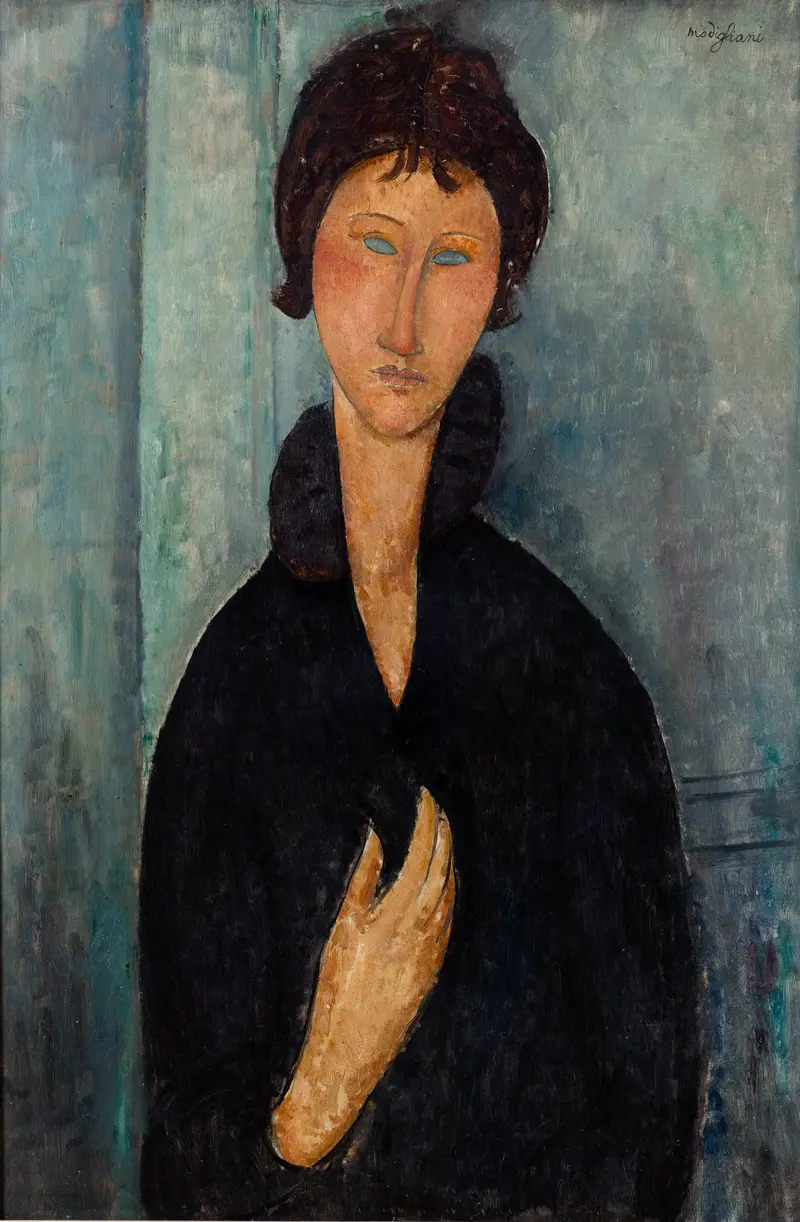
Femme aux yeux bleus
Amedeo Modigliani
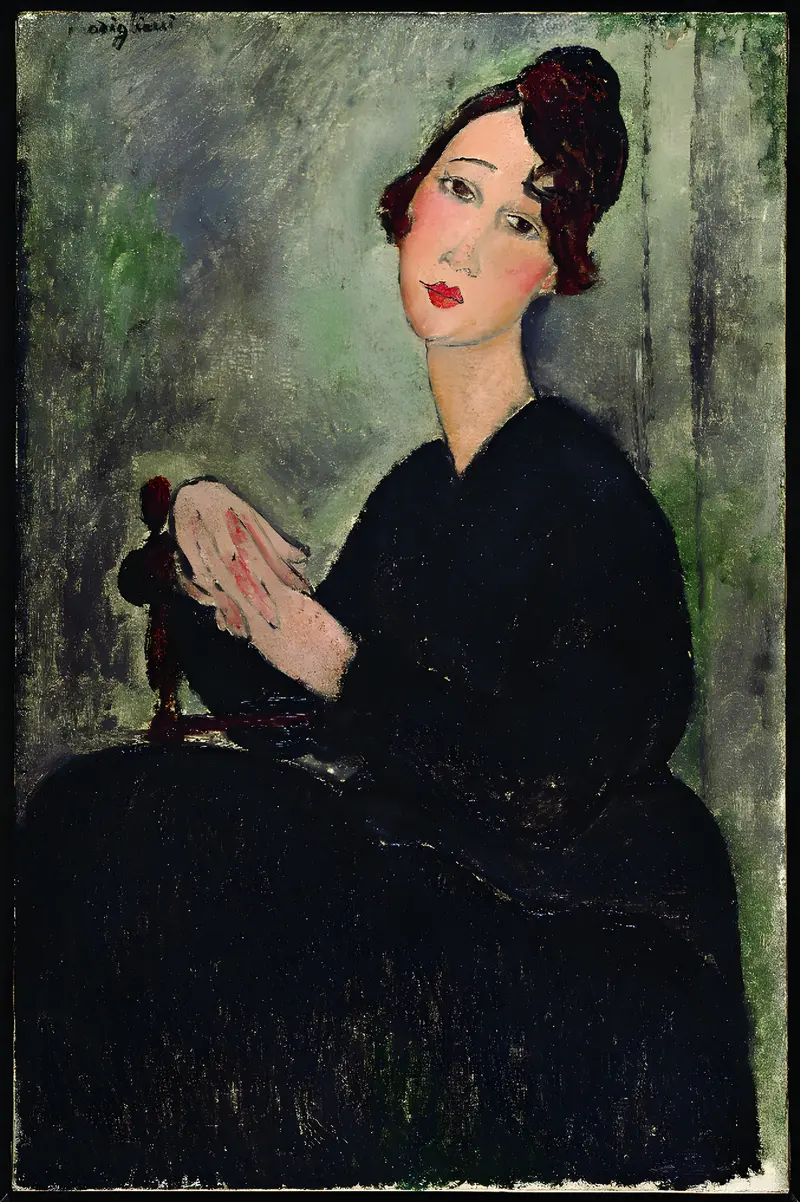
Portrait of Dedie
Amedeo Modigliani
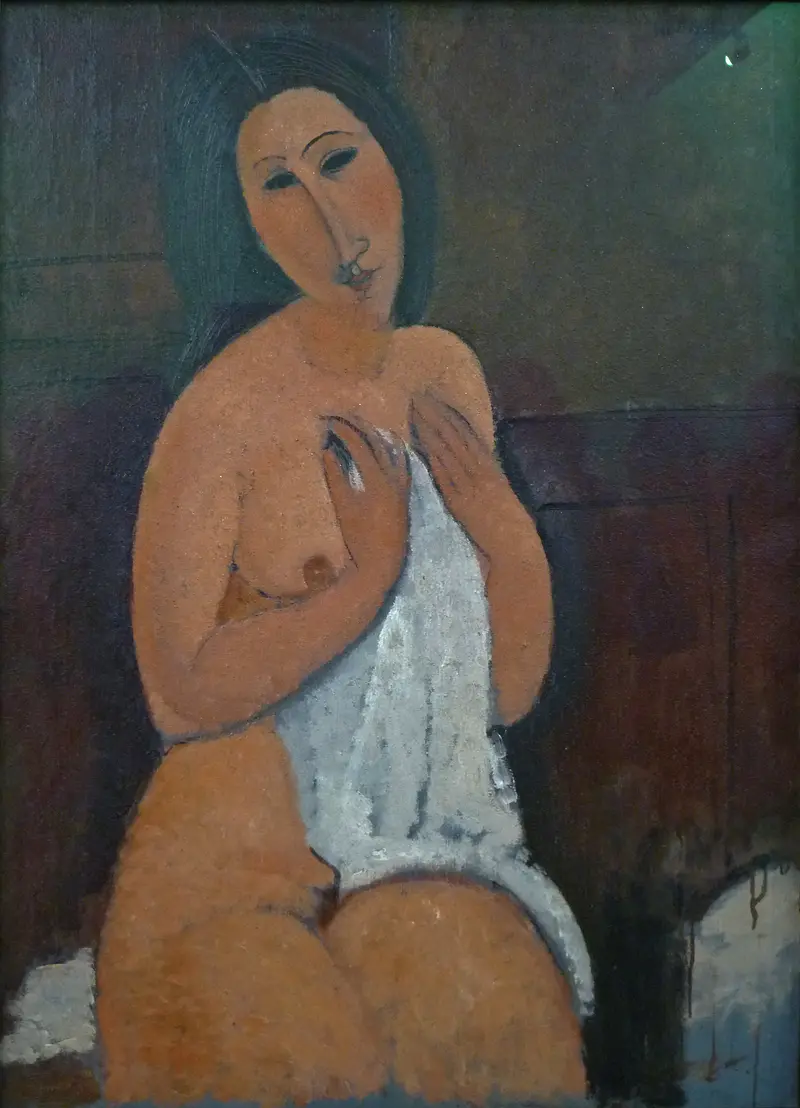
Seated nude with shirt
Amedeo Modigliani
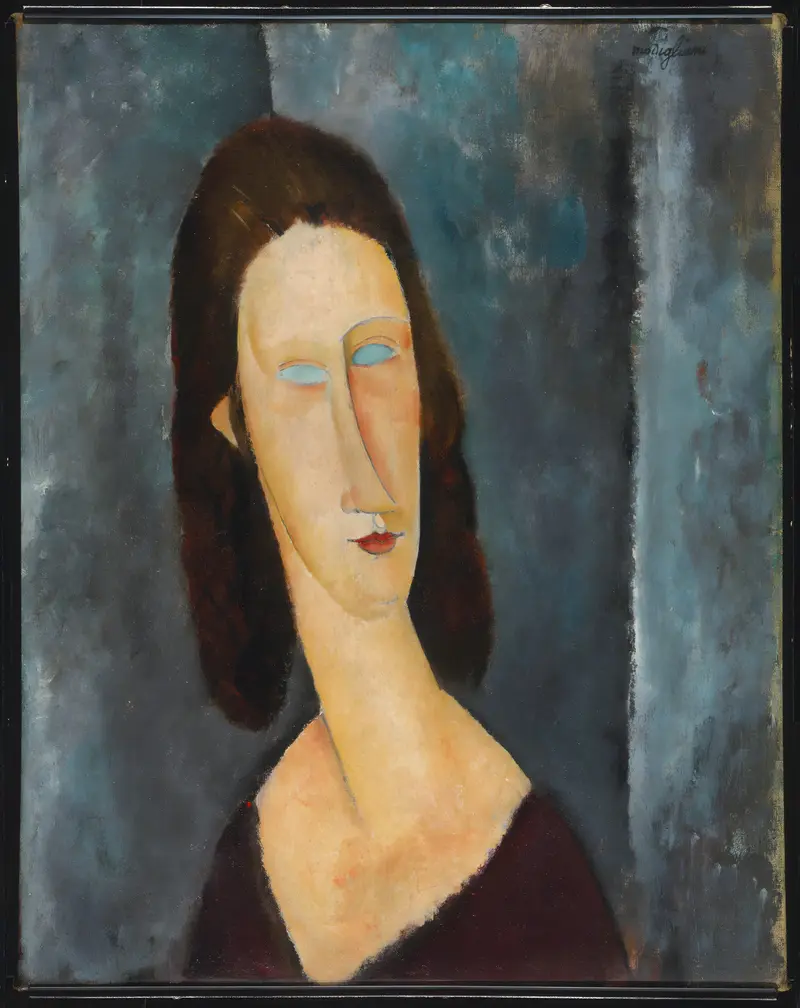
Blue Eyes (Portrait of Madame Jeanne Hébuterne)
Amedeo Modigliani
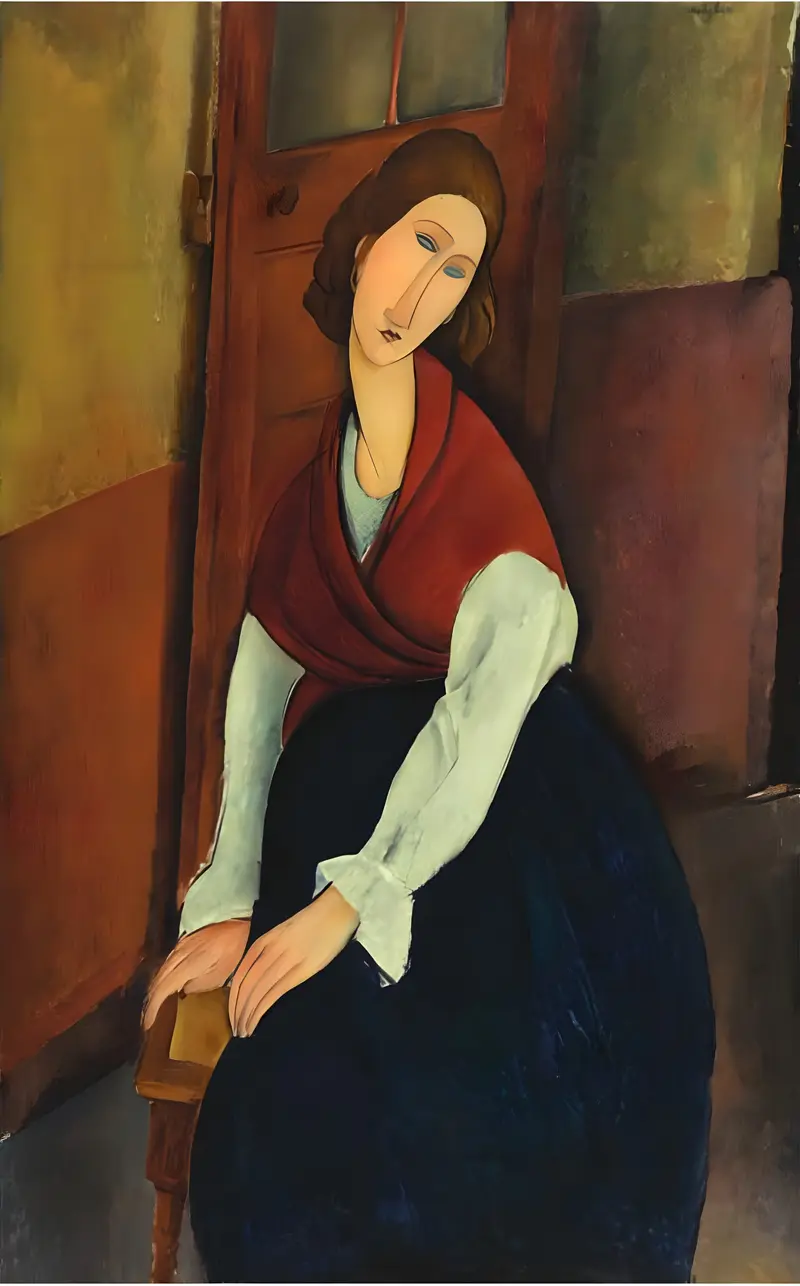
Jeanne Hebuterne in Red Shawl
Amedeo Modigliani





