
L’Orage — History & Facts
In a world where time bends, capturing fleeting moments becomes a legacy, echoing the whispers of nature’s power and grace. Look to the swirling clouds, where hues of deep indigo clash with vibrant green, embodying the storm's approach. The tumultuous sky frames the rugged landscape below, while a solitary tree stands defiantly against the oncoming tempest. Notice how the brushwork conveys both chaos and tranquility, with each stroke drawing the eye toward the horizon where light struggles to pierce the darkness. Delve into the emotional tension present in this piece.
The stark contrast between the serene landscape and the brewing storm speaks of nature's duality — its beauty and ferocity intertwined. The solitary tree may symbolize resilience, standing against the inevitable turmoil, while the sweeping brushstrokes can be seen as a reflection of life's unpredictable journey. Each detail, from the trembling leaves to the distant rolling hills, invites the viewer to ponder the fragility of existence. In 1872, Narcisse-Virgile Diaz de La Peña painted L’Orage amidst a flourishing period for the Barbizon School, where artists sought inspiration from the natural world.
Living in France, the artist was influenced by both Romanticism and Realism, striving to depict nature not just as it is, but as it feels. It was a time of artistic exploration, as he navigated his own evolving legacy, forever capturing the essence of fleeting moments within the embrace of nature’s grandeur.
More Artworks by Narcisse-Virgile Diaz de La Peña
Browse all →
Forest Scene
Narcisse-Virgile Diaz de La Peña
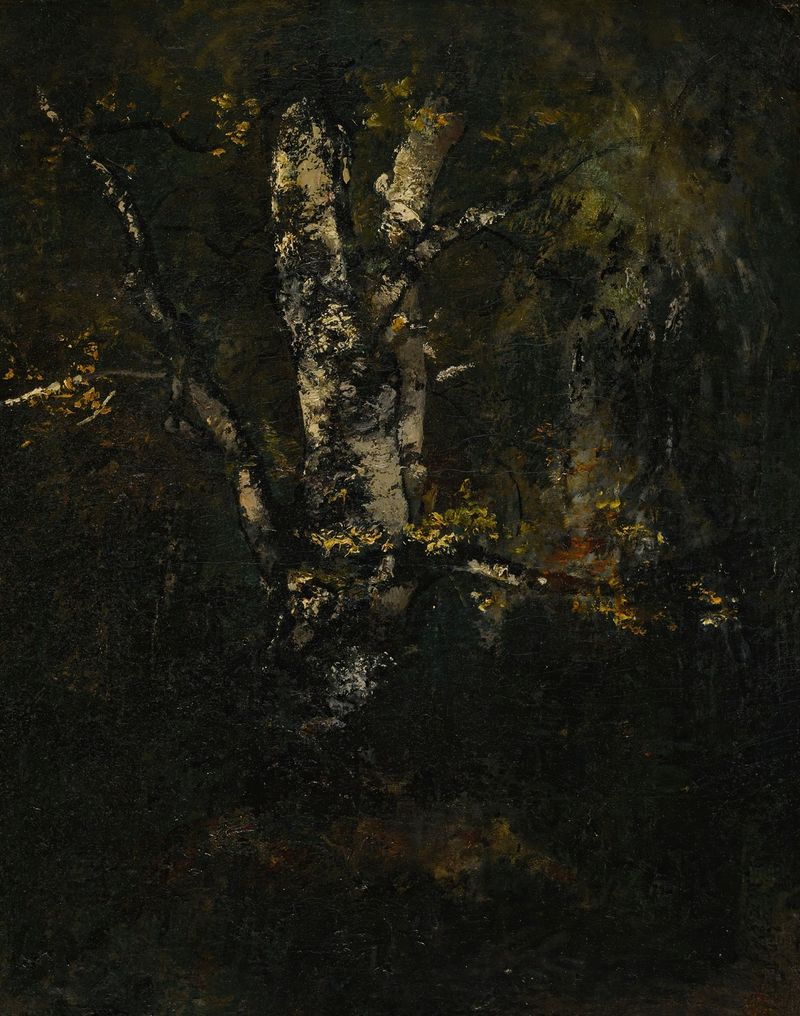
Vieux Troncs De Hêtres
Narcisse-Virgile Diaz de La Peña
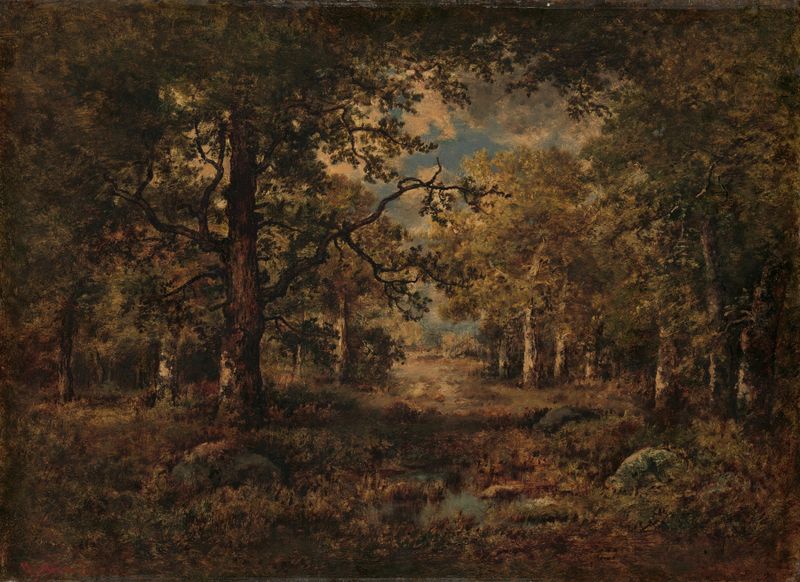
A Vista through Trees; Fontainebleau
Narcisse-Virgile Diaz de La Peña
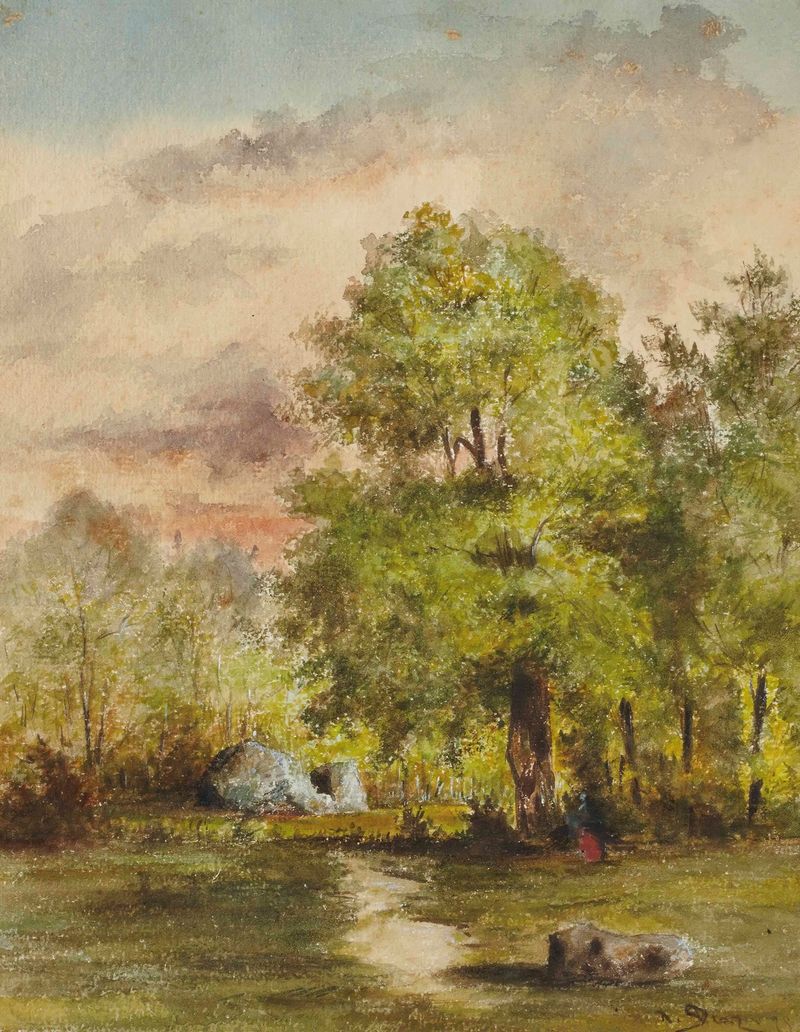
Vue d’une clairière
Narcisse-Virgile Diaz de La Peña

Pond in the Woods
Narcisse-Virgile Diaz de La Peña
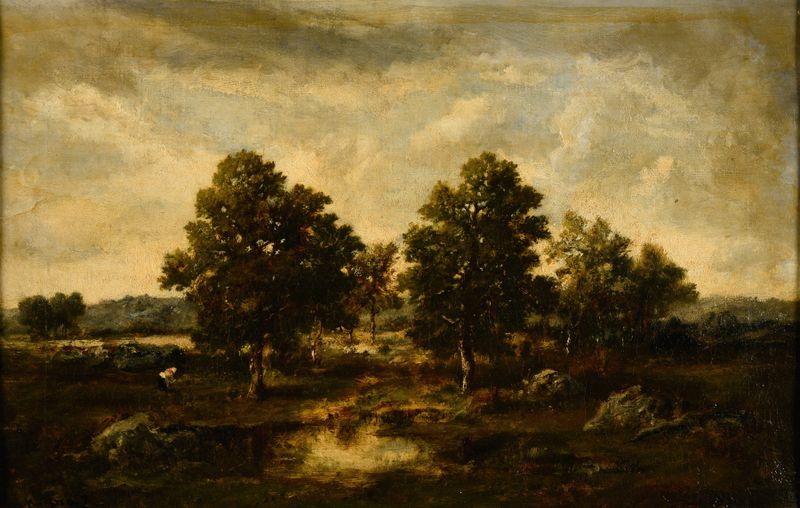
Mare dans une lande
Narcisse-Virgile Diaz de La Peña
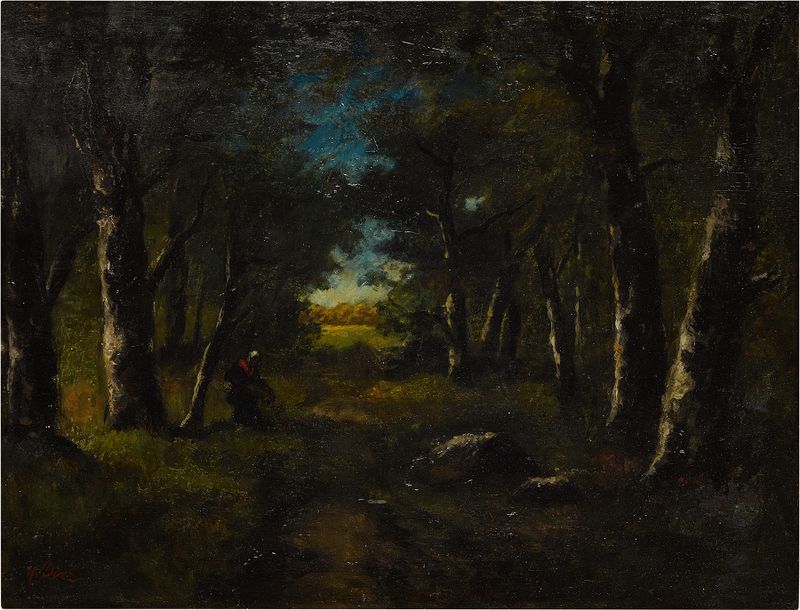
Foraging in the Forest
Narcisse-Virgile Diaz de La Peña
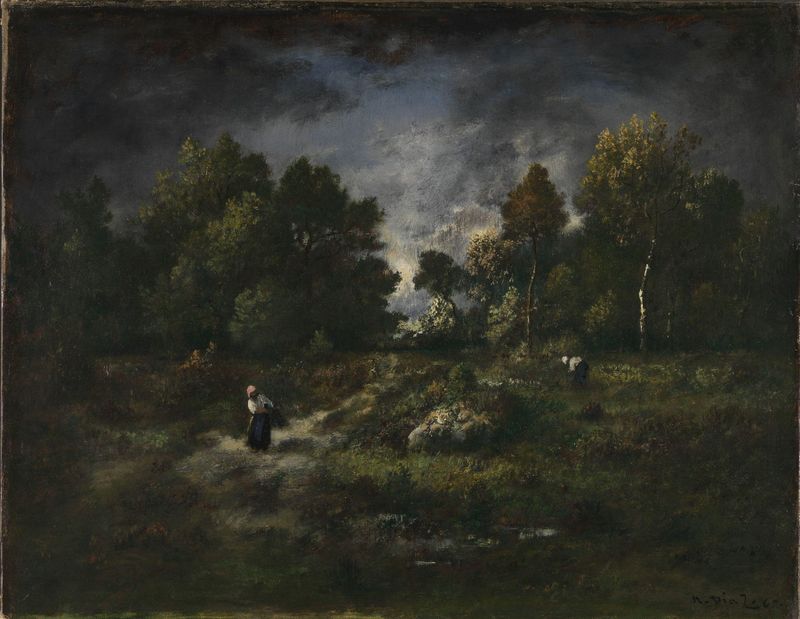
Faggot Gatherers in a Wooden Landscape
Narcisse-Virgile Diaz de La Peña
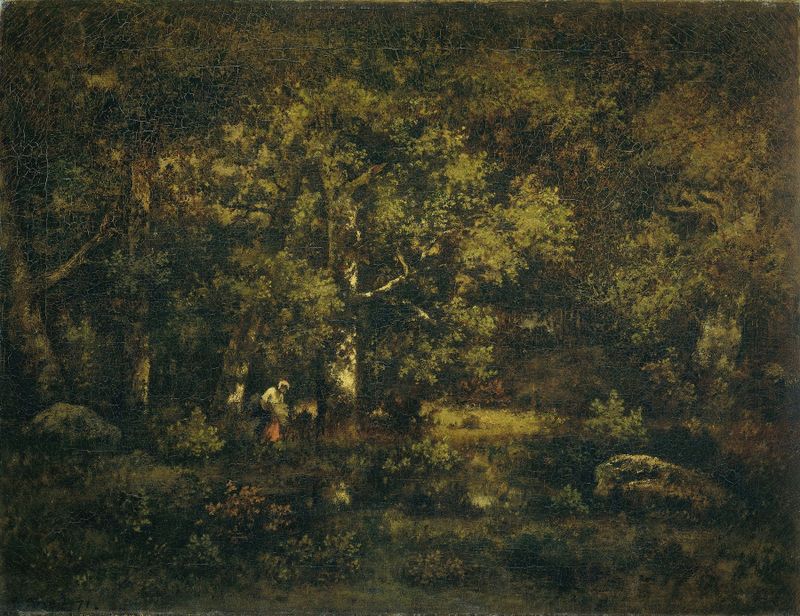
The Forest of Fontainebleau
Narcisse-Virgile Diaz de La Peña

Sous-bois
Narcisse-Virgile Diaz de La Peña





