
Louise Riesener — History & Facts
A hush of anticipation lingers in the air around Louise Riesener by Berthe Morisot, as if the sitter has just paused in conversation or is waiting for a thought to crystallize. The light, diffused and cool, glances off her bare shoulders and the delicate ruffles of her dress, drawing the viewer's eye to her face—open, reflective, and quietly animated. Morisot’s brushwork is loose yet precise where it matters: the hands, gently clasped, rest on a table set with porcelain and a single white bloom, suggesting both the refinement of the setting and the intimacy of the moment.
The palette of silvery greens, blues, and pinks lends the scene a gentle, almost private atmosphere, inviting us to linger over the subtle play of color and light. Everything here is orchestrated to capture not just a likeness, but a fleeting state of mind. Painted in the late nineteenth century, this portrait belongs to a world in flux—one where women artists like Berthe Morisot were carving out space in the Impressionist movement, often painting friends, family, and interiors that spoke volumes about their own circles and aspirations. Portraits such as this were both personal tributes and public statements, commissioned or created to celebrate relationships, intellect, and presence.
The Musée des Beaux-Arts de Limoges now holds this work, a reminder of Morisot’s singular voice within the Impressionist circle and of the quieter revolutions taking place in salons and drawing rooms across France. The softness of the scene belies the quiet confidence of its making—look again, and see how much is said in a single, thoughtful glance.
More Artworks by Berthe Morisot

The Harbor at Lorient
Berthe Morisot
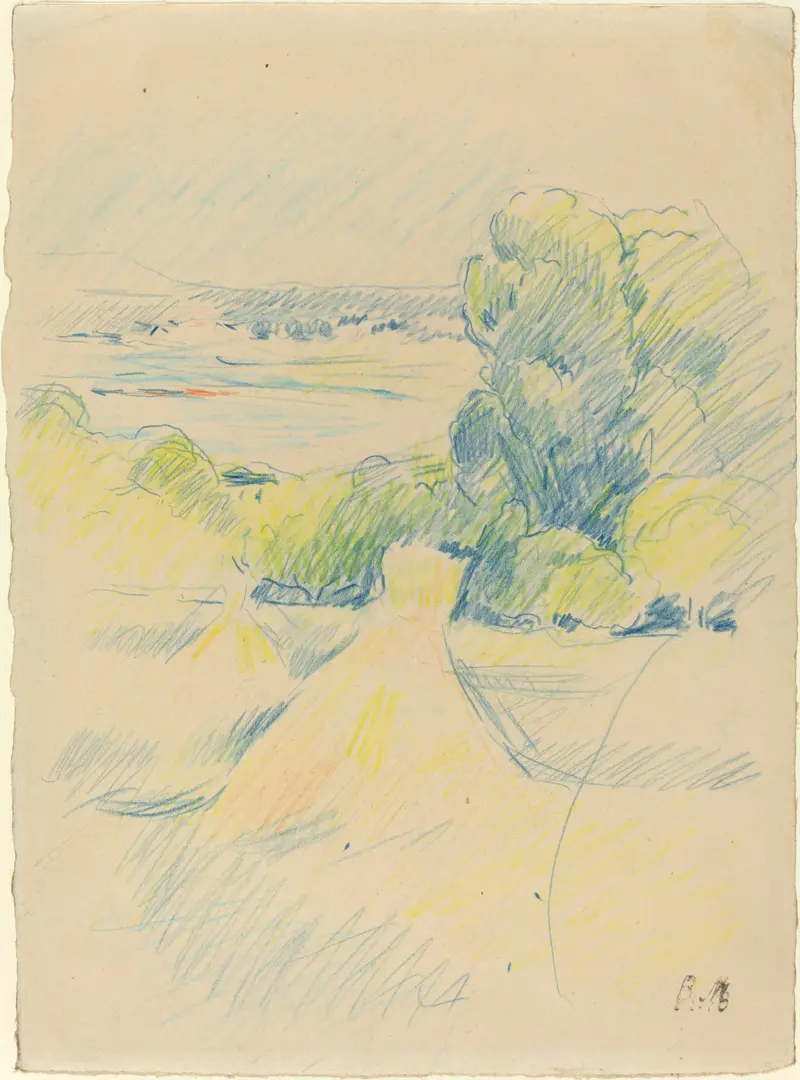
Landscape
Berthe Morisot

Hanging the Laundry out to Dry
Berthe Morisot

Woman in a Garden
Berthe Morisot

Young Girl with Hat
Berthe Morisot
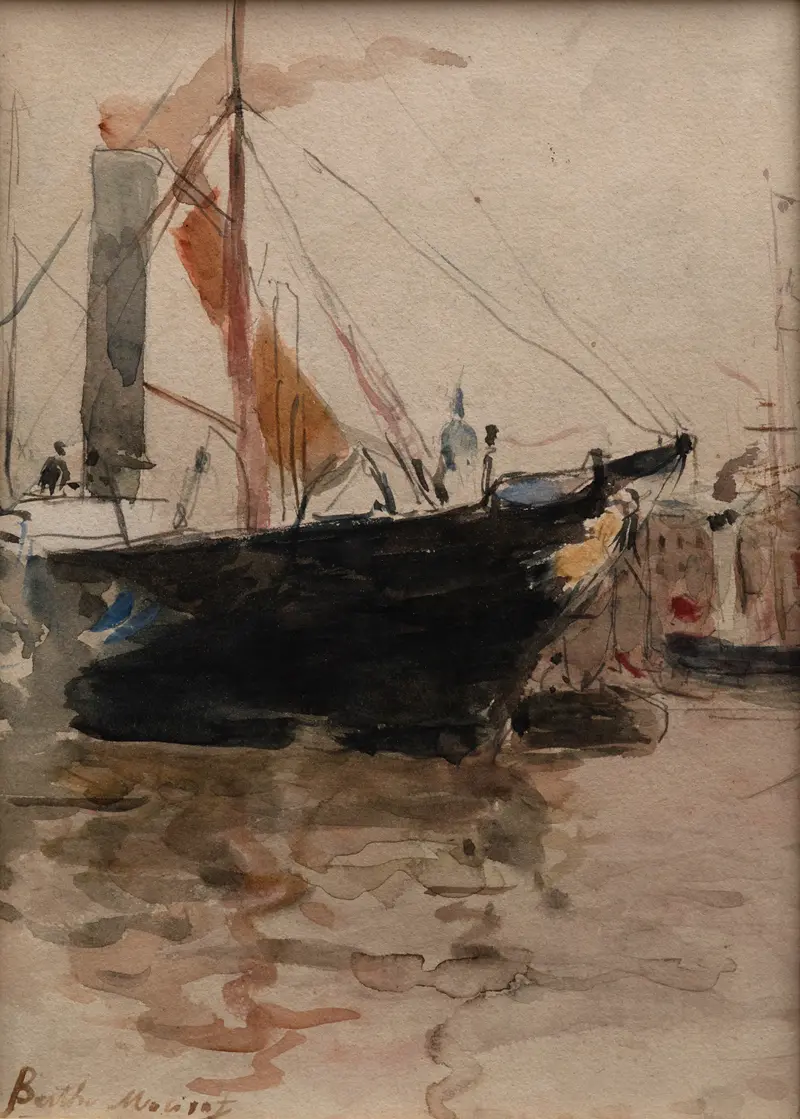
Harbor Scene, Isle of Wight
Berthe Morisot
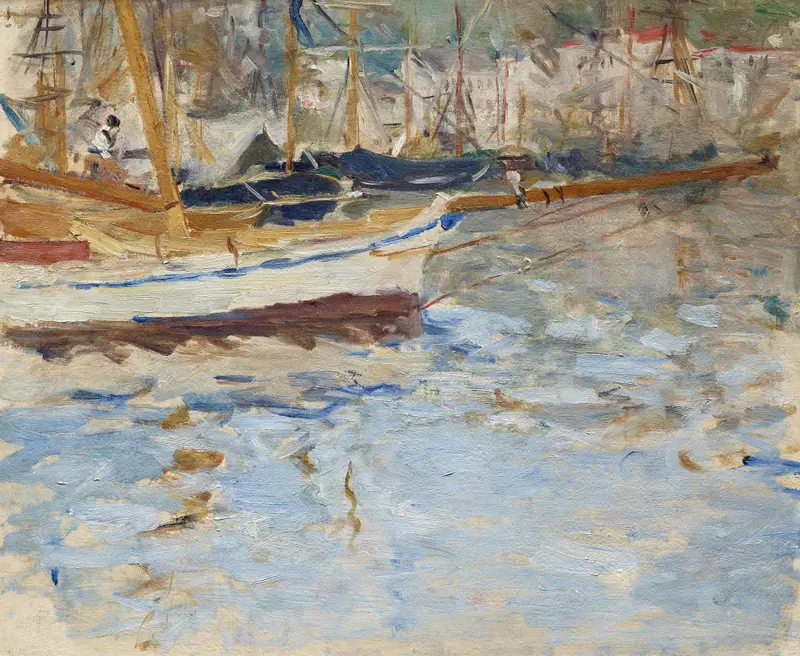
The Port of Nice
Berthe Morisot
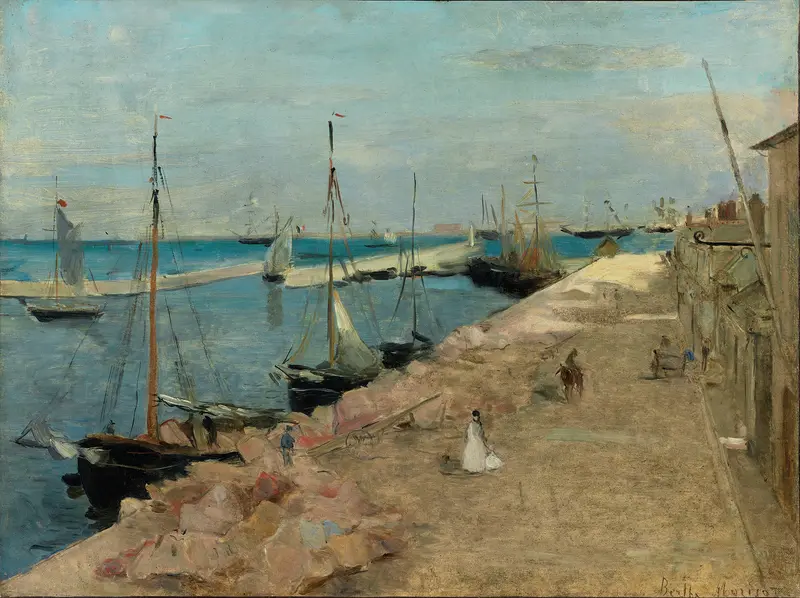
The Harbor at Cherbourg
Berthe Morisot

The Mother and Sister of the Artist
Berthe Morisot
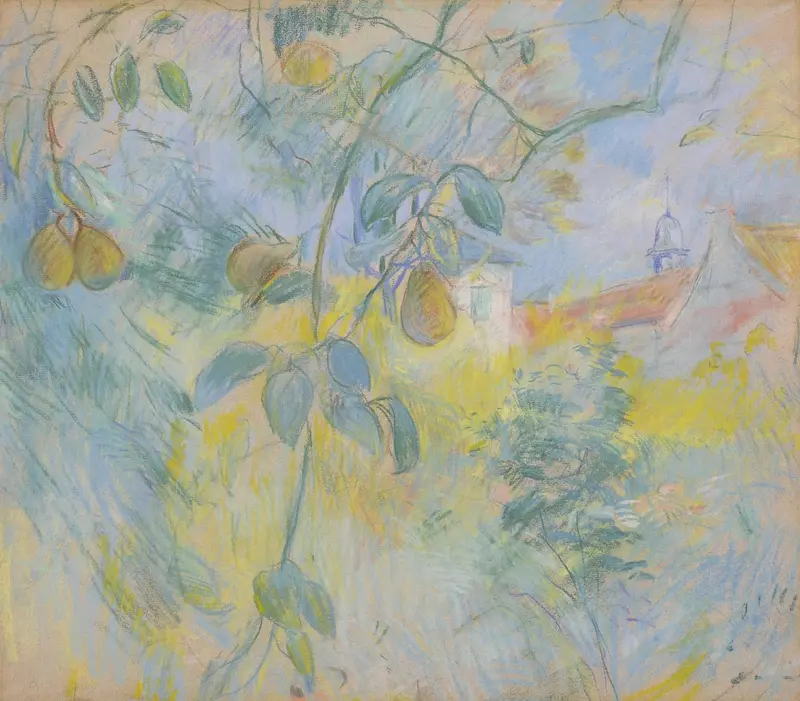
Les Poires
Berthe Morisot





