
Louvre Embankment and the New Bridge — History & Facts
A haze of Parisian morning light washes over the embankment, dissolving the hard edges of the city into a gentle puzzle of shapes and shadows. The eye is drawn first to the sweep of green trees, their leaves rendered in quick, confident strokes that suggest movement and air. Beyond, the river glimmers, a cool band separating the leafy foreground from the dignified mass of the Louvre, which rises in a softened silhouette against the sky.
The brushwork is loose but deliberate: the broad, flat planes of color evoke the fleeting impression of a moment glimpsed from above, while the solitary vehicle and the empty road hint at a rare pause in the city’s usual bustle. Light and shade become actors in their own right, guiding the viewer’s gaze from the sunlit pavement to the distant, dreamlike architecture. Painted circa 1906, this work stands at the crossroads of a rapidly changing Paris and the innovations of early twentieth-century painting. Artists like Albert Marquet—often associated with the Fauves—sought to capture the living pulse of the modern city, not through precise detail but through atmosphere and sensation.
Works of this kind were rarely grand commissions; instead, they were painted for a new market of collectors hungry for scenes of contemporary life and the fresh vision of artists breaking with tradition. The broad, expressive handling of paint, the emphasis on light over line, and the everyday subject all speak to the bold spirit of the age. As you linger over the painting, notice how the city seems to hover between reality and memory, inviting you to imagine the world just beyond the frame.
More Artworks by Albert Marquet
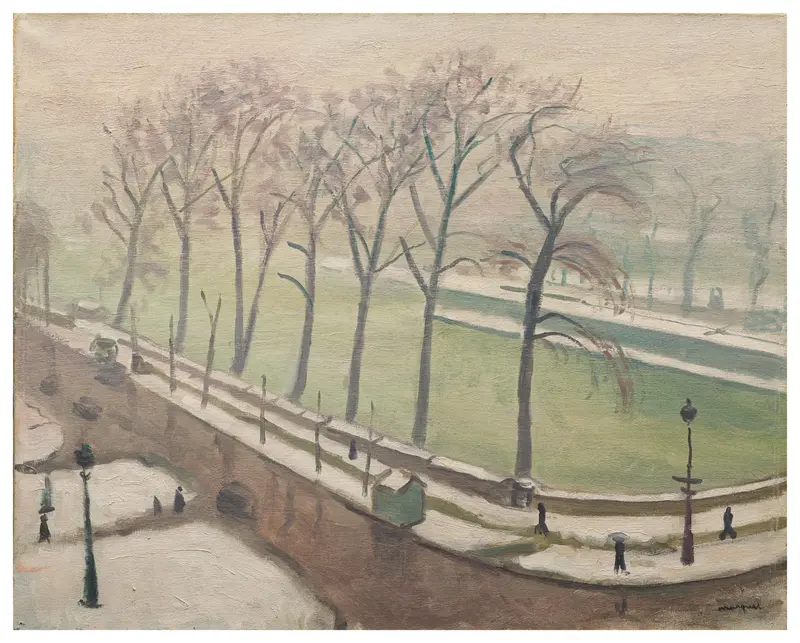
Pont-Neuf sous la neige
Albert Marquet

Le Port d’Alger
Albert Marquet
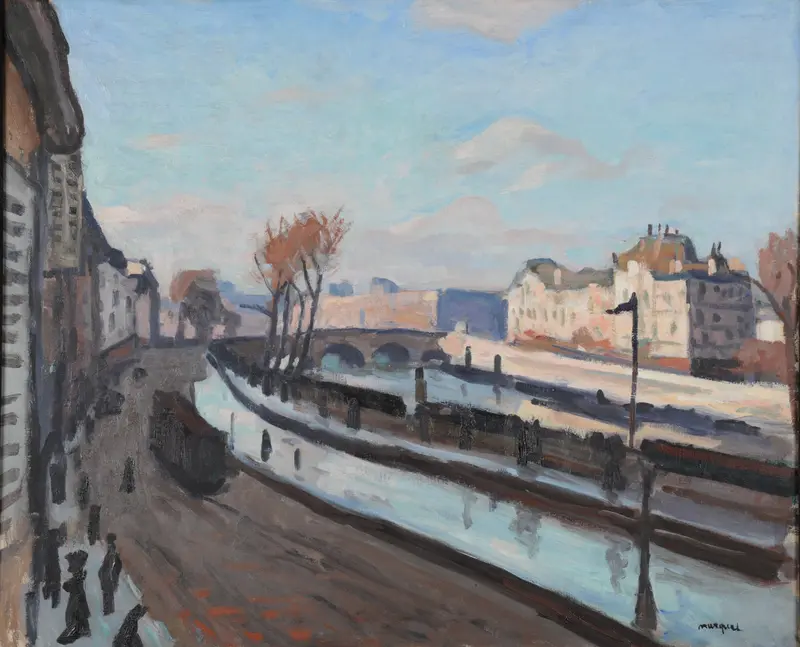
Le quai des Grands Augustins
Albert Marquet

Le jardin à l’Estaque
Albert Marquet
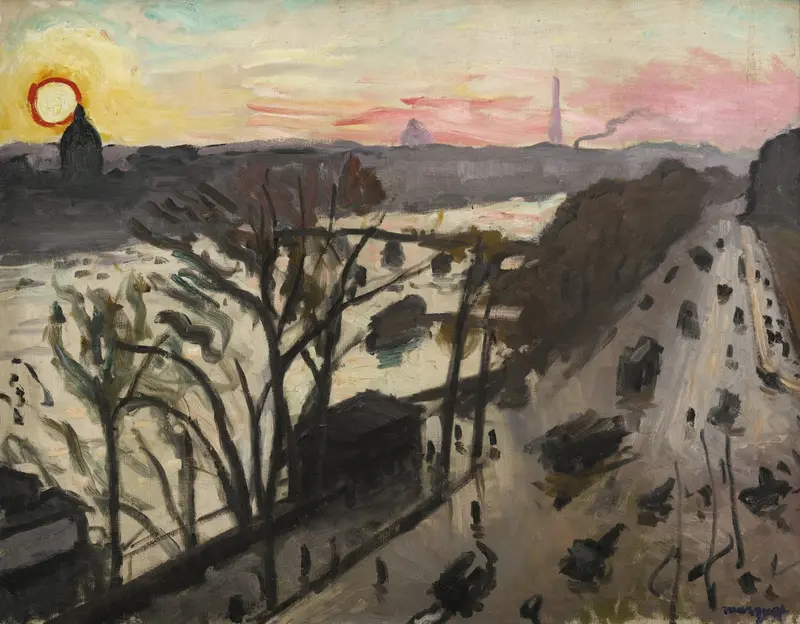
Paris, quai du Louvre, soleil d’hiver
Albert Marquet
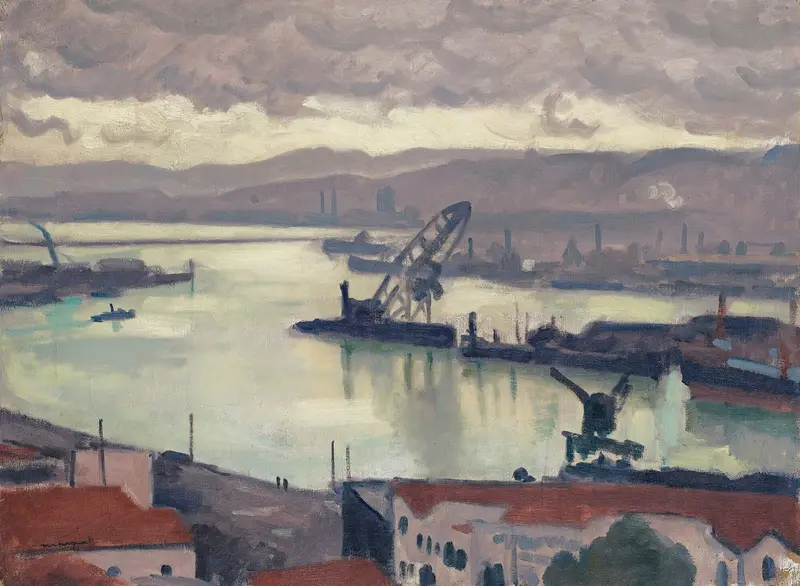
Alger, Temps Gris
Albert Marquet

Berge de la Seine à Méricourt
Albert Marquet
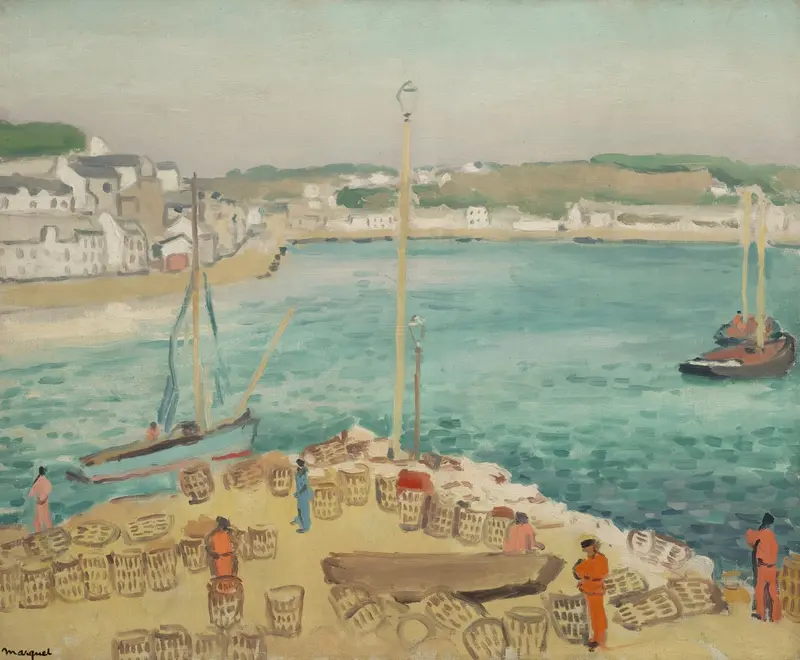
Audierne, les tonneaux
Albert Marquet
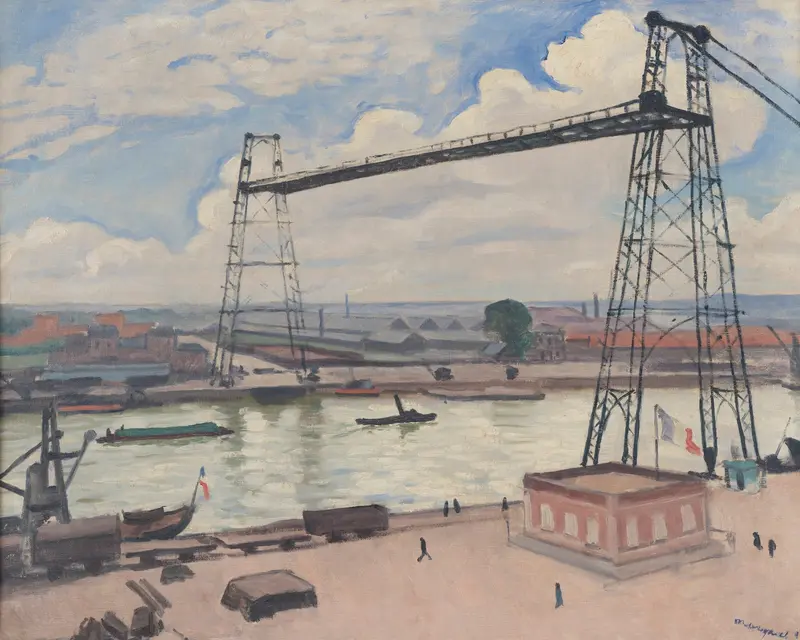
Rouen, le pont transbordeur
Albert Marquet
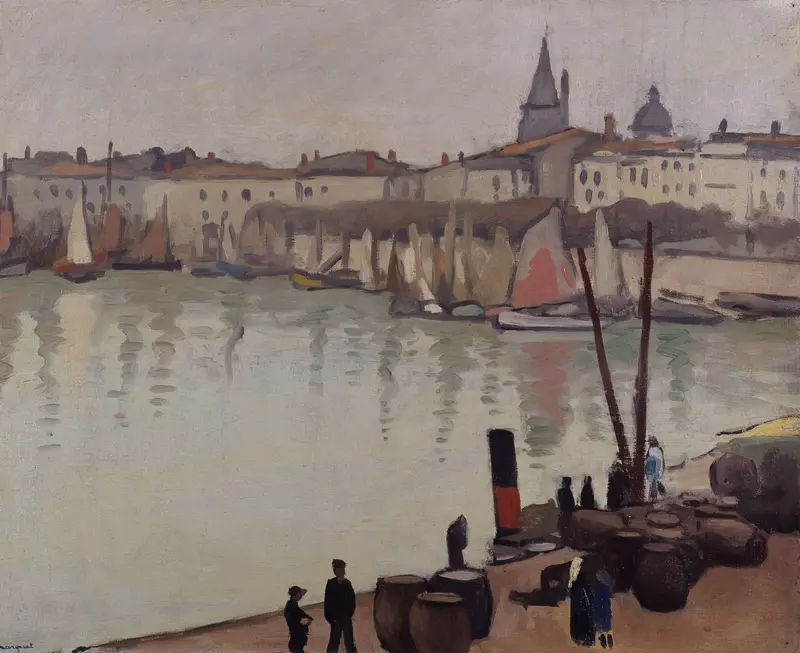
Port of La Rochelle
Albert Marquet
More Landscape Art

The Starry Night
Vincent van Gogh

View of Delft
Johannes Vermeer

Water Lilies
Claude Monet

The Grand Canal, Venice, looking north-west from the Ca' Corner to the Ca' Contarini degli Scrigni, with the campanile of Santa Maria della Carità
Canaletto

Windsor Castle
Canaletto

The Grand Canal looking North-East from the Palazzo Dolfin-Manin to the Rialto Bridge
Canaletto