
Louvre Embankment, Summer — History & Facts
A haze of blue and green sweeps across the canvas, pulling the viewer into a Paris that feels both immediate and dreamlike. The eye is drawn first to the bold, blocky brushstrokes of the trees, which seem to ripple with the heat of summer, then to the pale, sunlit road that cuts diagonally through the scene. Figures and vehicles dissolve into flickers of color and shadow, their forms just enough to suggest the bustle of city life without pinning it down.
The Eiffel Tower rises in the distance, a faint silhouette anchoring the city’s skyline, while the river glimmers, half-hidden, between the foliage and the distant dome. Painted circa 1906, Louvre Embankment, Summer belongs to a moment when artists like Albert Marquet were capturing the modern city with fresh eyes and loose, expressive technique. This was the era of Fauvism, when color was freed from strict representation and used to convey sensation, movement, and atmosphere. Such works were rarely made for grand patrons, but for a new, urban audience hungry for images of their changing world—its boulevards, its light, its fleeting moods.
Little is recorded about the journey of this specific painting, now in a private collection, but its energy and palette place it firmly in the Paris of the early twentieth century. Stand before it and let your gaze wander: the city is alive in every brushstroke.
More Artworks by Albert Marquet
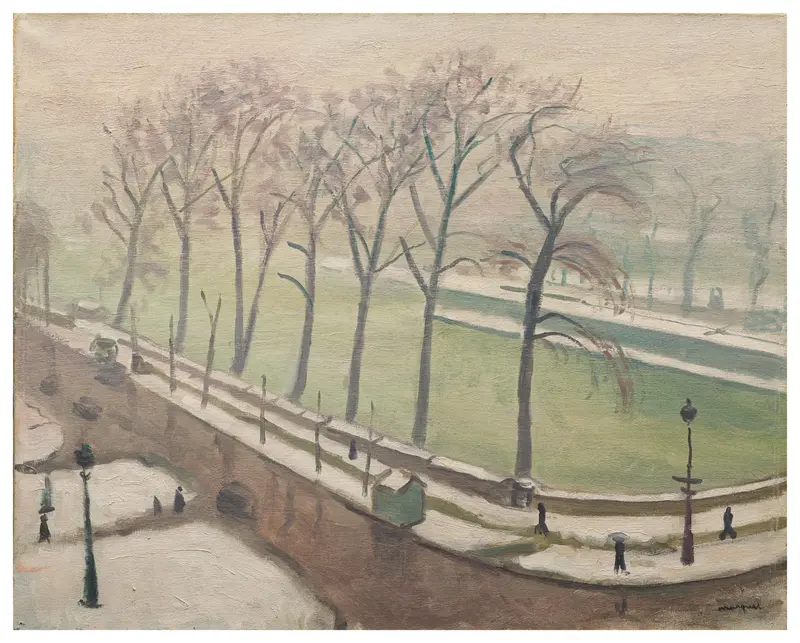
Pont-Neuf sous la neige
Albert Marquet

Le Port d’Alger
Albert Marquet
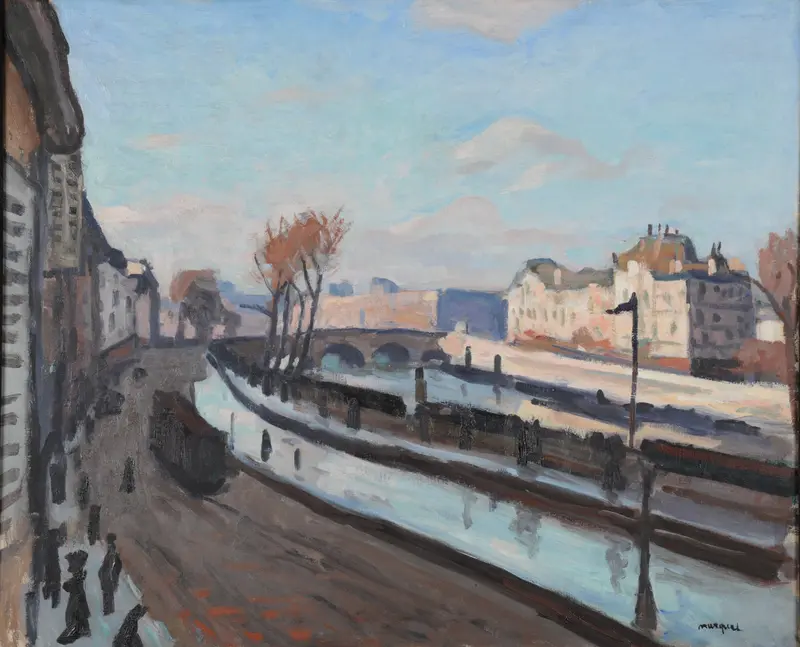
Le quai des Grands Augustins
Albert Marquet

Le jardin à l’Estaque
Albert Marquet
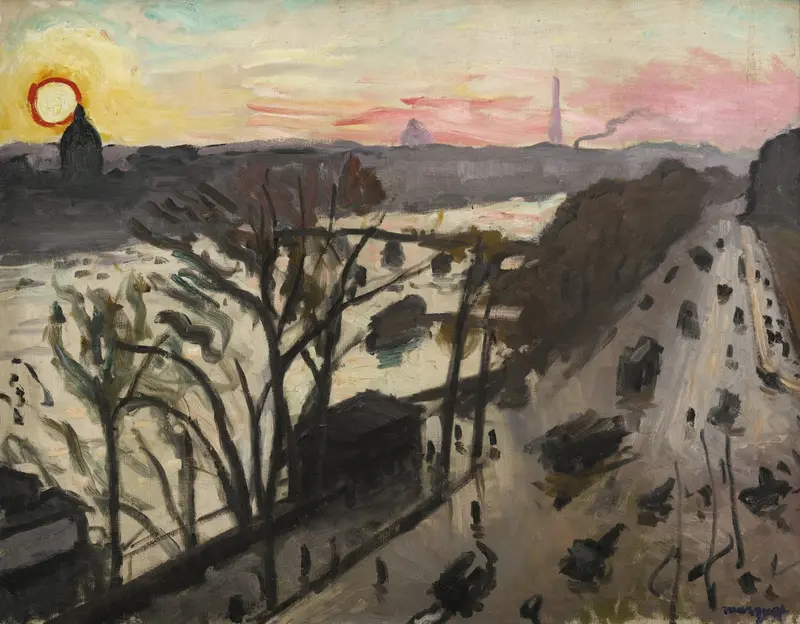
Paris, quai du Louvre, soleil d’hiver
Albert Marquet
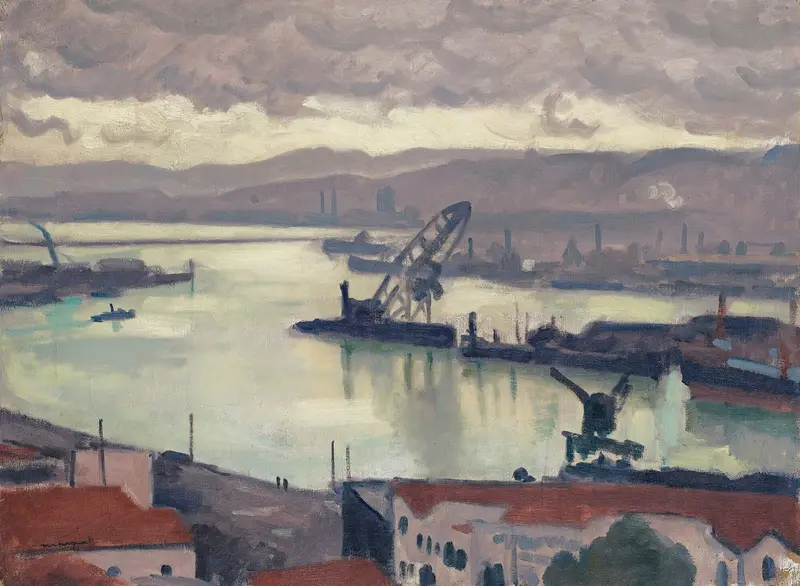
Alger, Temps Gris
Albert Marquet

Berge de la Seine à Méricourt
Albert Marquet
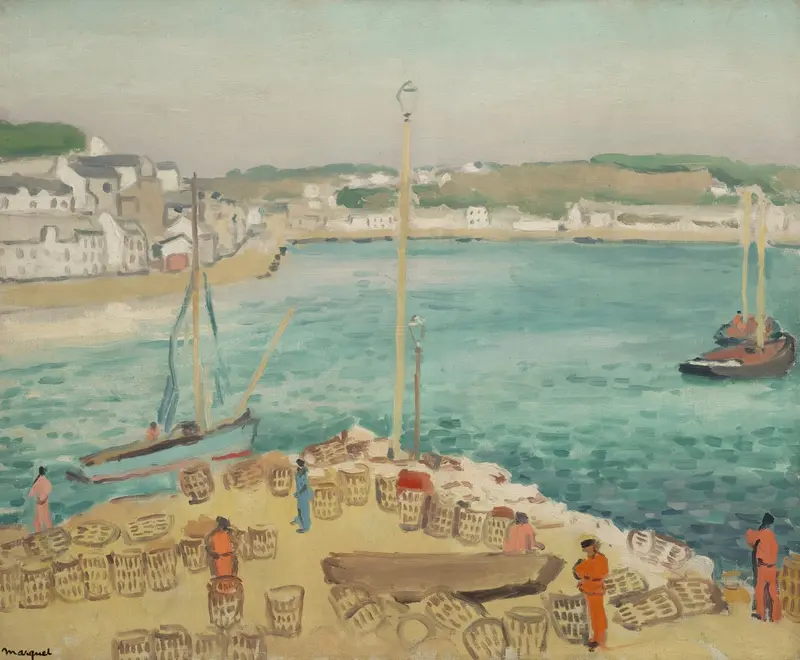
Audierne, les tonneaux
Albert Marquet
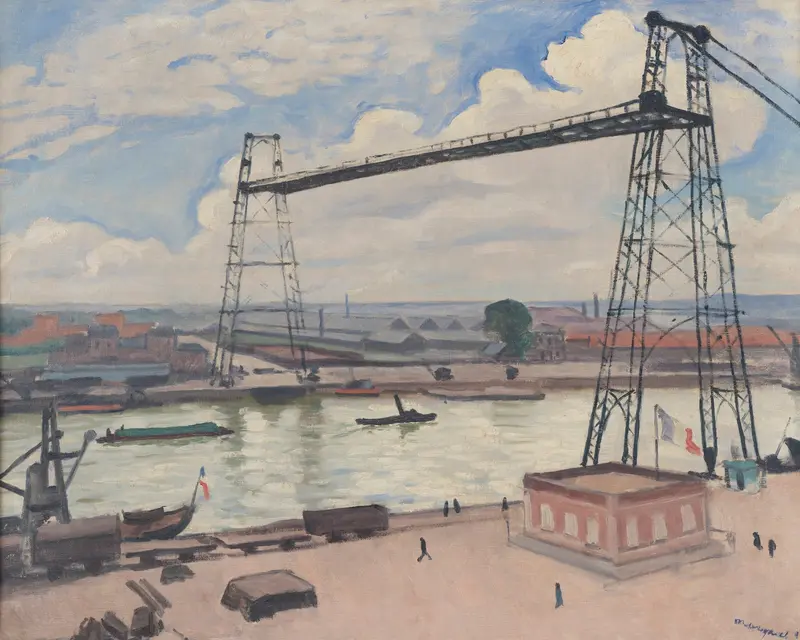
Rouen, le pont transbordeur
Albert Marquet
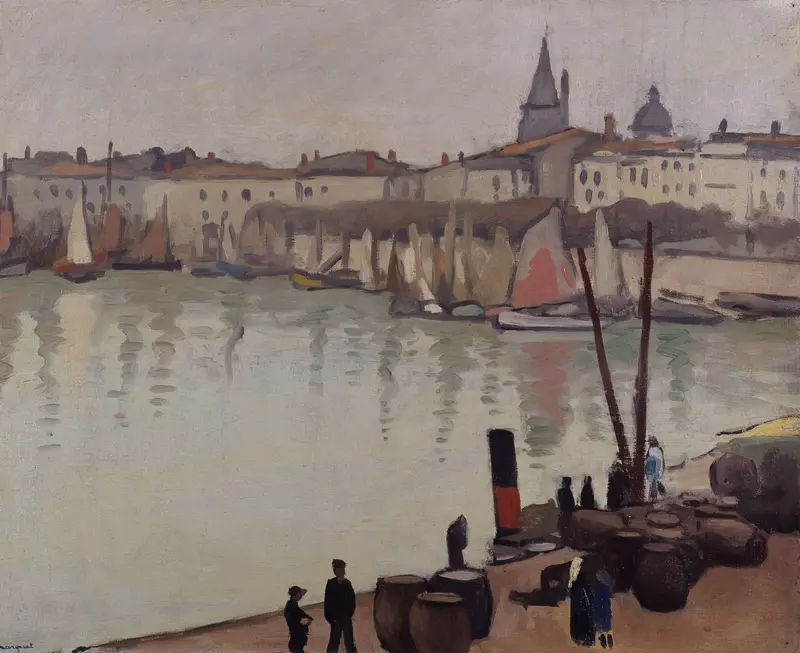
Port of La Rochelle
Albert Marquet
More Landscape Art

The Starry Night
Vincent van Gogh

View of Delft
Johannes Vermeer

Water Lilies
Claude Monet

The Grand Canal, Venice, looking north-west from the Ca' Corner to the Ca' Contarini degli Scrigni, with the campanile of Santa Maria della Carità
Canaletto

Windsor Castle
Canaletto

The Grand Canal looking North-East from the Palazzo Dolfin-Manin to the Rialto Bridge
Canaletto