
Lucens — History & Facts
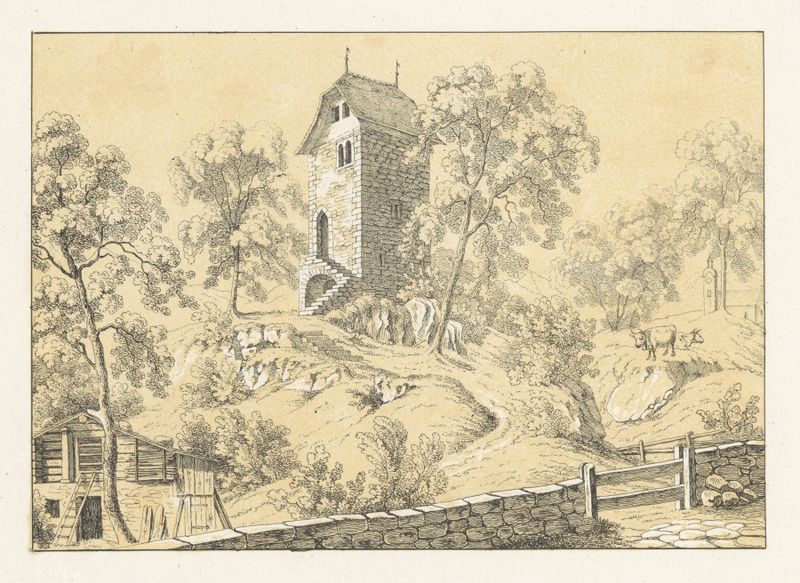
Where does light end, and longing begin? In the delicate interplay of reflection, we find the profound depths of human emotion. Look closely at the shimmering surface of the water; your gaze is drawn to the mesmerizing reflections that dance across it. The artist employs soft, muted colors — a palette of silvery blues and gentle greens — expertly layered to create a sense of tranquility. Notice how the light seems to caress the water, depicting fleeting moments that evoke both serenity and yearning.
The composition invites you to linger, as the gentle ripples disrupt the otherwise flawless mirror, suggesting the fragility of peace. As you delve deeper, consider the contrast between the stillness of the water and the dynamic swirls of light that breathe life into the scene. These reflections symbolize more than mere beauty; they embody the transient nature of memories and emotions. The gentle interaction between the illuminated surface and the shadows beneath hints at the complexities of existence, where moments of clarity often coexist with deeper, unspoken longing. During the years 1840 to 1844, the artist created Lucens amidst a period of personal transition and evolving artistic dialogue in Europe.
Engaged in the burgeoning Romantic movement, he sought to explore themes of nature and emotion. This work reflects not only his technical prowess but also his philosophical inquiries into the essence of light and shadow, marking a pivotal point in his artistic journey.
More Artworks by Johann Friedrich Wagner
Browse all →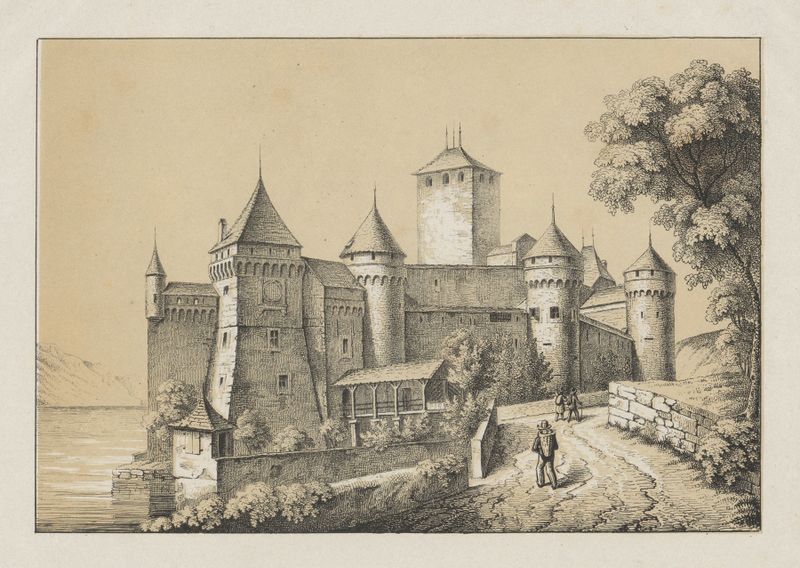
Chillon
Johann Friedrich Wagner

Valangin
Johann Friedrich Wagner
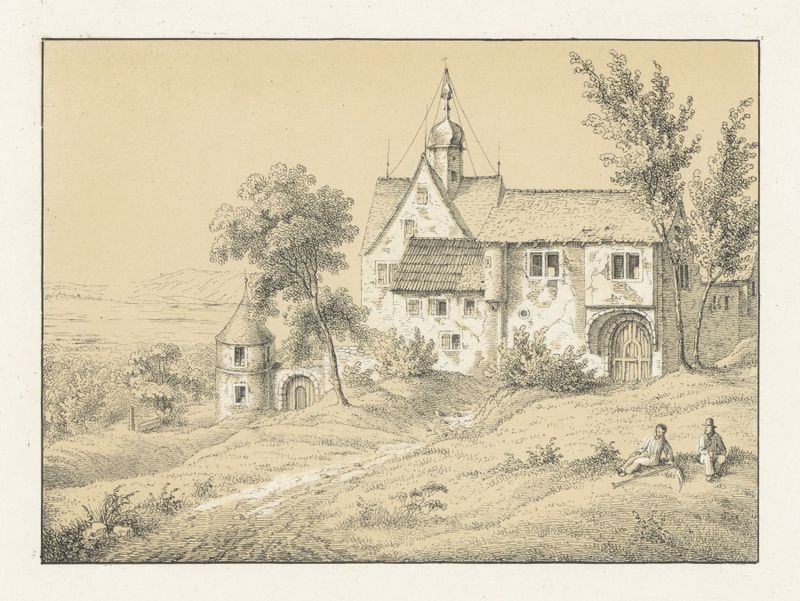
Greifenstein
Johann Friedrich Wagner

Vorburg
Johann Friedrich Wagner
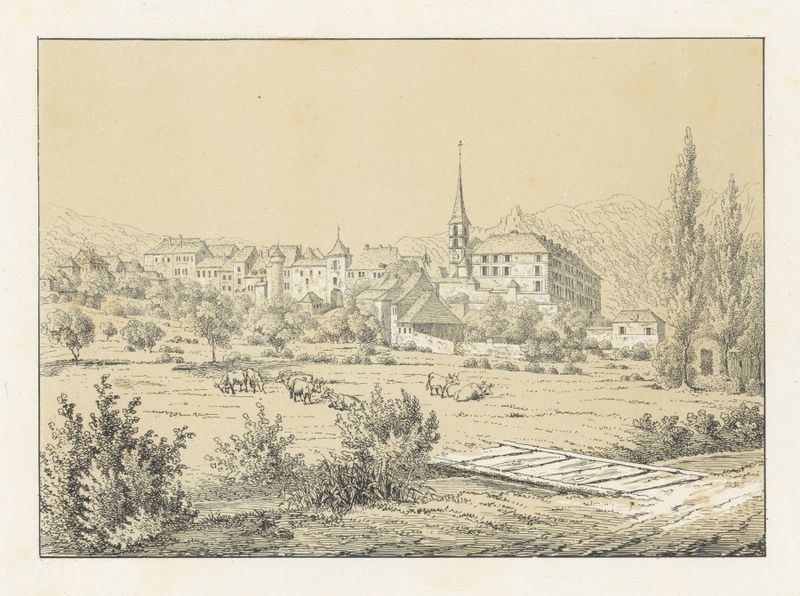
Delémont
Johann Friedrich Wagner

Pleujouse
Johann Friedrich Wagner

Challay
Johann Friedrich Wagner
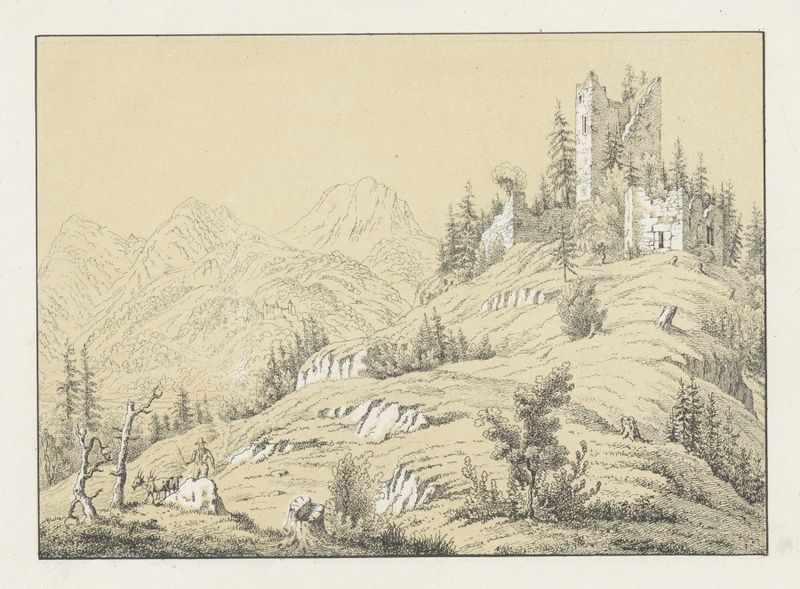
Mont Salvant
Johann Friedrich Wagner
Aha. Od. Untere Burg von Sarnen
Johann Friedrich Wagner
Lausanne
Johann Friedrich Wagner





