
Luitspeler en oude vrouw — History & Facts
Could beauty survive in a century of chaos? In Luitspeler en oude vrouw, the answer seems to resonate through the gentle exchange of melody and memory captured in a single moment. The painting evokes a profound sense of longing, transporting us to a still yet vibrant world where time feels suspended. Look to the left at the old woman, her weathered face softened by the flickering candlelight that illuminates her features. The lute player is positioned opposite her, his fingers delicately poised over the strings, suggesting a quiet intimacy between them.
The rich, earthy tones of their surroundings – deep browns and muted greens – create a sense of warmth, while the contrasting light draws attention to their expressions, highlighting the deep connection that transcends words. Within this serene tableau, we find layers of meaning woven into the subtle details. The lute symbolizes not just music, but the harmony that can emerge even in tumultuous times, while the woman’s gaze reveals a sense of nostalgia and yearning, perhaps for lost youth or fleeting moments. The gentle interplay of light and shadow further emphasizes the tension between the present and the past, creating a narrative that invites reflection on the passage of time. Created between 1642 and 1664, this artwork reflects a period when Cornelis Pietersz.
Bega was establishing himself in the Dutch Golden Age. During this time, he navigated the complexities of genre painting, exploring themes of intimacy and human connection against the backdrop of societal change and unrest. As he captured these tender interactions, Bega contributed to a growing appreciation for the beauty found in everyday life.
More Artworks by Cornelis Pietersz. Bega
Browse all →
Mannen en jonge vrouw in herberg
Cornelis Pietersz. Bega

Twee mannen en vrouw met kind zittend in herberg
Cornelis Pietersz. Bega
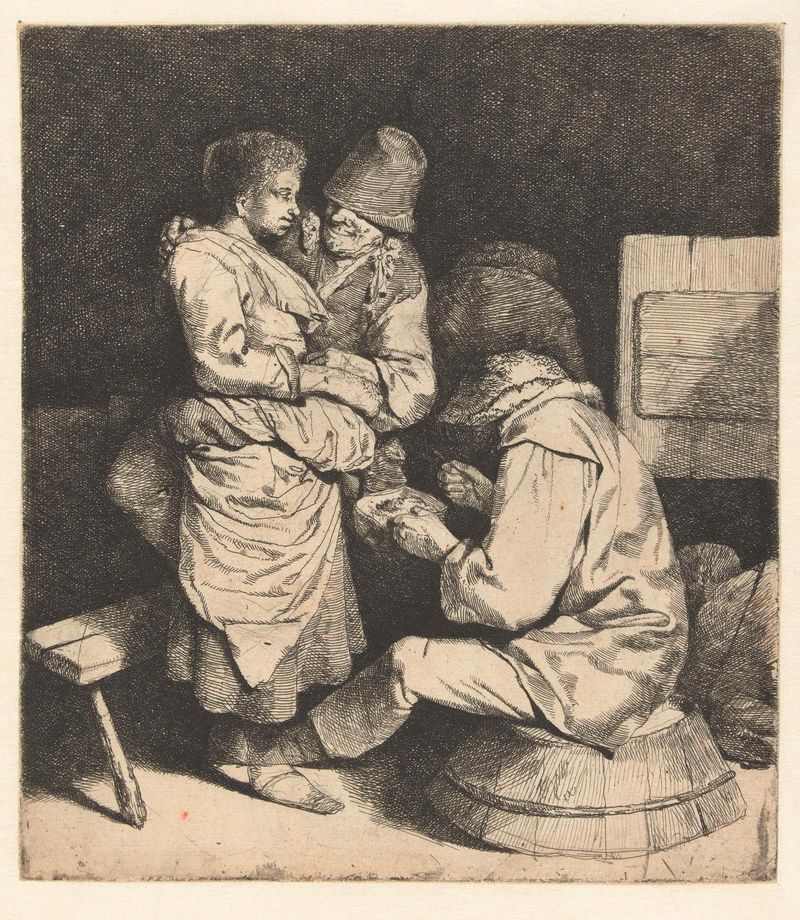
Vrouw vastgepakt door man, andere man zit te eten in herberg
Cornelis Pietersz. Bega

Jonge vrouw zittend met een pijp
Cornelis Pietersz. Bega

Staande vrouw vastgepakt door man, andere man kijkt toe in herberg
Cornelis Pietersz. Bega
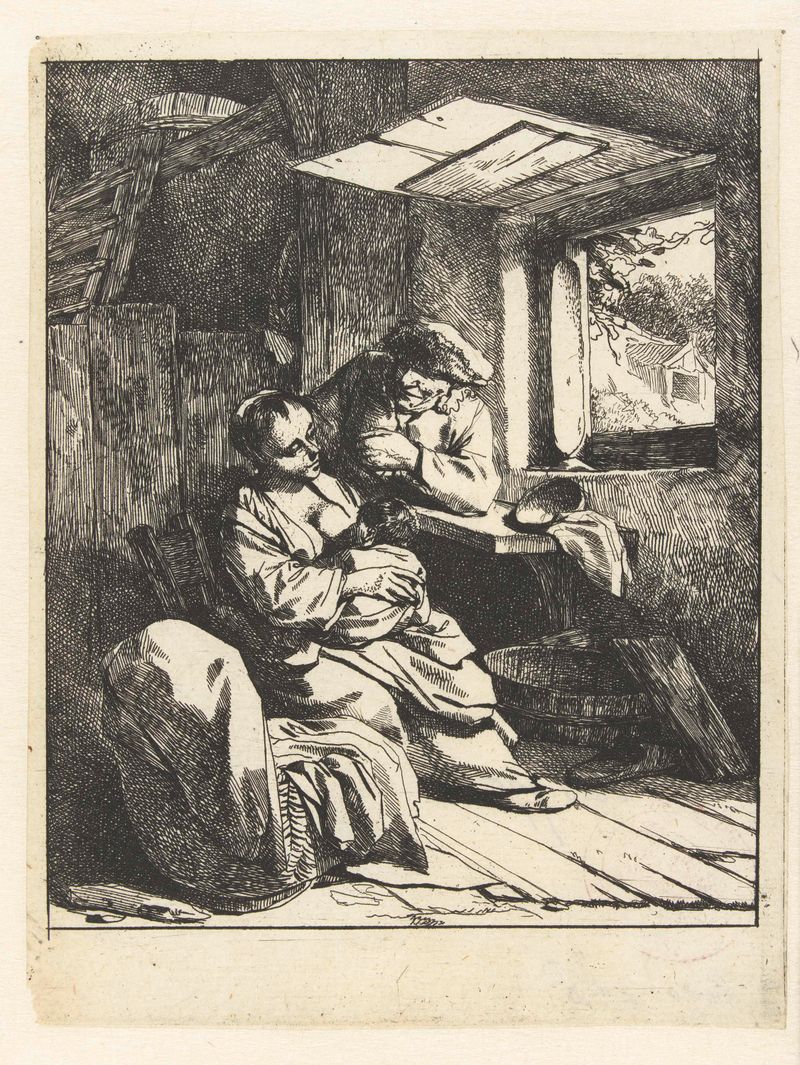
Vrouw met kind en man bij wieg in interieur met open raam
Cornelis Pietersz. Bega
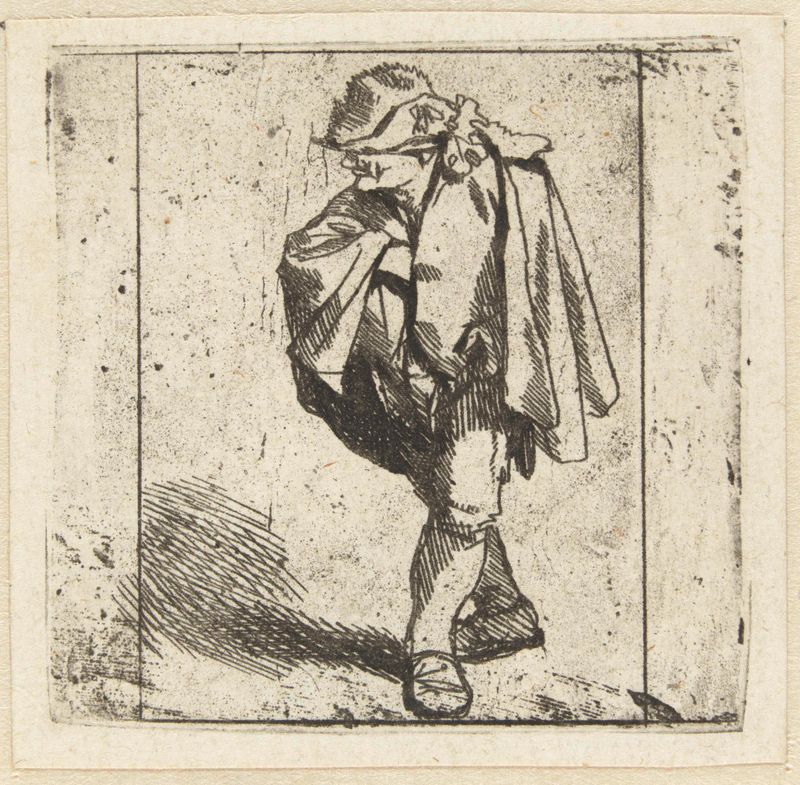
Staande man met de rechterhand op de borst in zijn mantel gestoken
Cornelis Pietersz. Bega
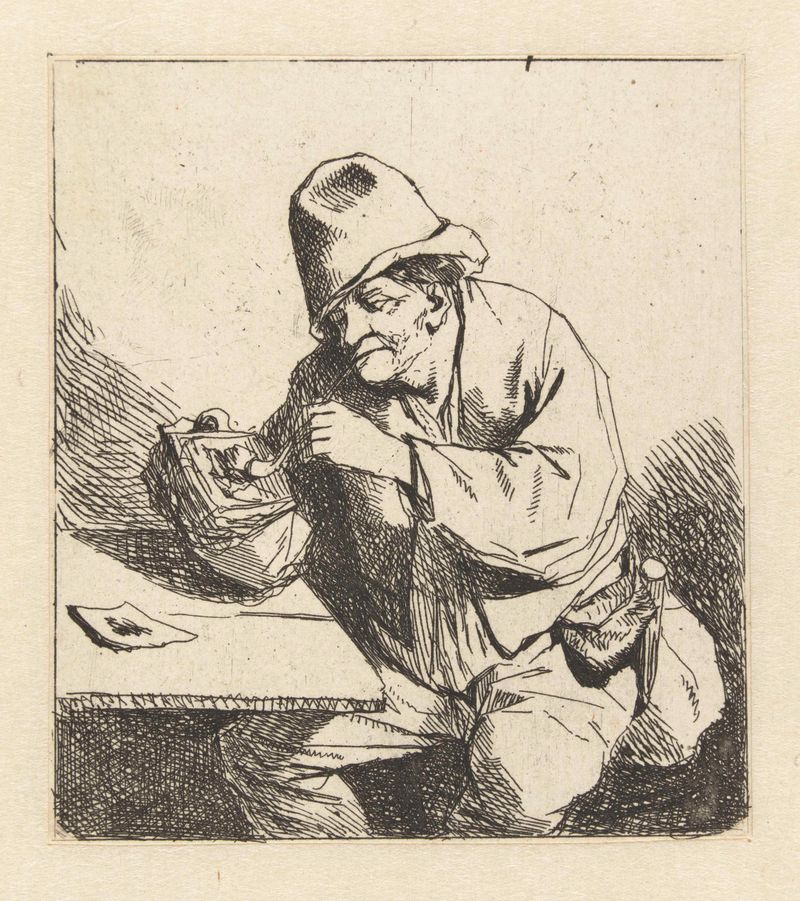
Zittende man steekt pijp aan
Cornelis Pietersz. Bega

Man zittend op ton met kruik in handen
Cornelis Pietersz. Bega

Liefdespaar
Cornelis Pietersz. Bega





