
Maastricht — History & Facts
What if silence could speak through light? In the hushed stillness of Maastricht, the viewer encounters a haunting dialogue between shadow and illumination, where unspoken fears echo softly beneath the surface. Look to the lower left, where the muted colors of the cobblestone streets draw you in. The interplay of light filtering through the trees forms dappled patterns, creating a rhythm that guides the eye upward toward the solemn architecture that looms above. The palette is both subdued and vibrant, with rich greens and earthy browns contrasting with hints of bright sky.
This delicate balance invites contemplation, making the scene feel both alive and eerily quiet. Within this tranquil setting, emotional tensions persist just beneath the surface. The looming buildings, while sturdy, embody a sense of isolation, casting long shadows that seem to stretch into the viewer's space. Perhaps the light reveals more than it conceals, hinting at fears rooted in the past or the uncertainties of modernity.
The stillness of the cobbled pathway suggests both a journey and a pause, invoking reflections on the intersection of memory and place. Etienne Bosch painted Maastricht during a transformative period in the early 20th century, when Europe was navigating the aftermath of World War I. Living in the Netherlands, he was influenced by regional landscapes and the shifting tides of artistic movements. This era saw a transition in artistic expression, embracing both realism and impressionism.
Bosch's work reflects the tensions of his time, capturing a moment that balances beauty and unease.
More Artworks by Etienne Bosch
Browse all →
Gezicht op de achterkant van de Notre Dame in Parijs Notre Dame
Etienne Bosch
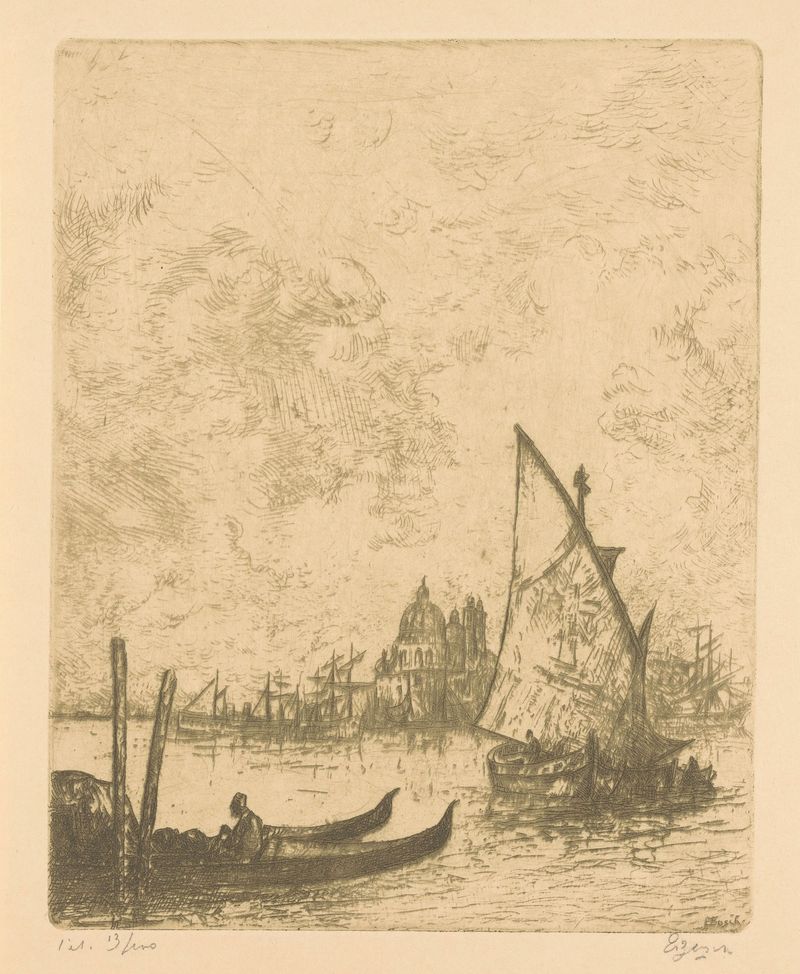
Venetië
Etienne Bosch

Amsterdamse poort te Haarlem
Etienne Bosch

Le Palatin Rome
Etienne Bosch

Landschap bij Rome
Etienne Bosch
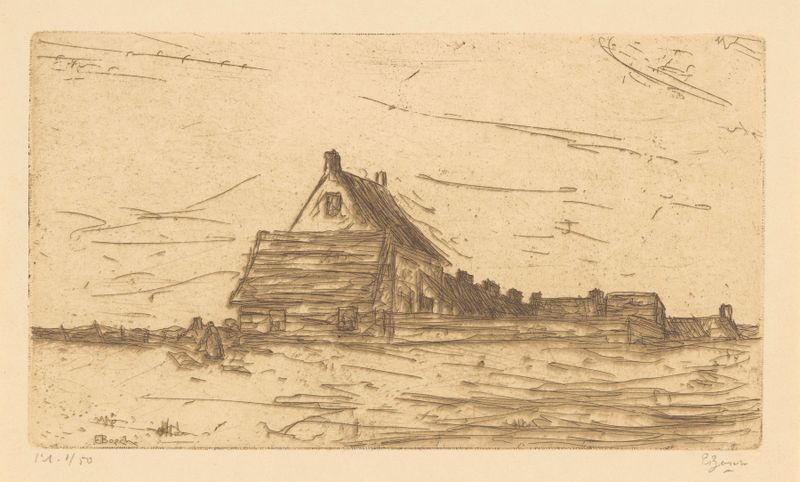
Boerenwoning
Etienne Bosch

Scheveningen
Etienne Bosch
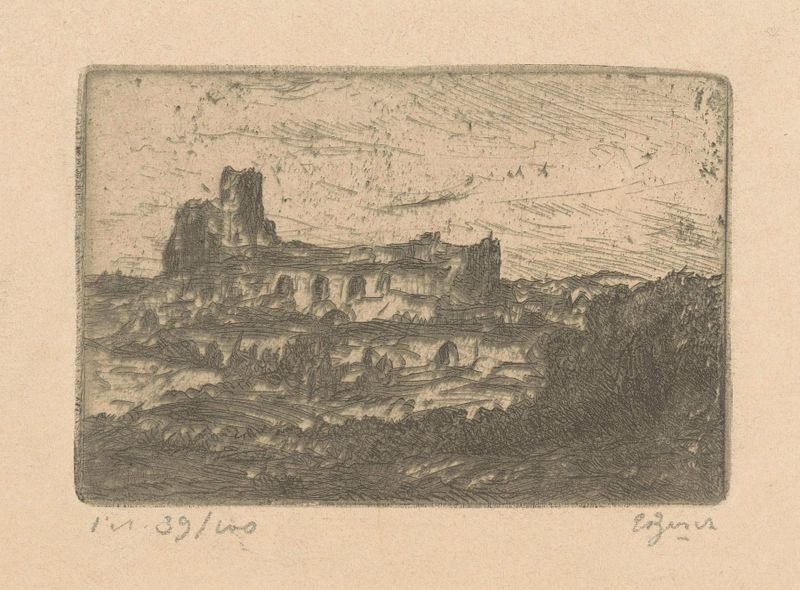
Ruïne Rome
Etienne Bosch
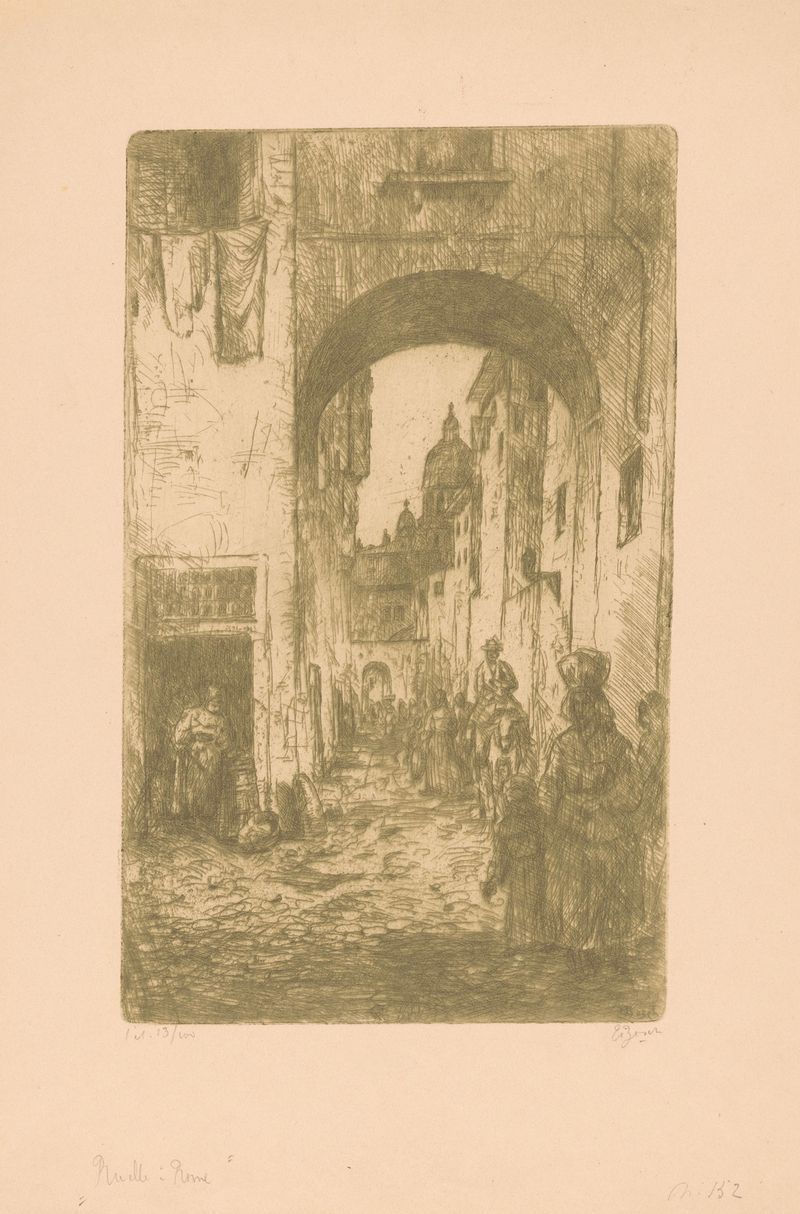
Ruelle, Rome
Etienne Bosch
Ponte Vecchio in Florence
Etienne Bosch





