
Madame Cezanne in a Yellow Chair — History & Facts
Where does light end, and longing begin? In the silent depths of human presence, the interplay of color and form can reveal our most profound emptiness. Look to the left at the way the stark yellow chair cradles the figure, its vibrant hue a stark contrast to the muted tones of the background. The delicate brushstrokes capture the essence of Madame Cezanne, her posture relaxed yet contemplative, inviting us to delve into her inner world. Notice how the light filters through the room, casting gentle shadows that elongate and dance, creating a sense of stillness that envelops the scene. Yet, it is within the subtleties that we find layers of meaning.
The slight tilt of her head suggests a contemplative mood, perhaps reflecting a longing unfulfilled. The color palette oscillates between warmth and coolness, hinting at the tension between comfort and isolation. The textures of the fabric and the chair create a palpable sense of space while simultaneously invoking an emotional depth that resonates with the viewer. At the time Madame Cezanne in a Yellow Chair was painted, between 1888 and 1890, the artist was navigating the burgeoning movements of Post-Impressionism in France.
This period was marked by a shift towards personal expression and abstraction, allowing Cezanne to explore the interplay of form and color more freely. Living in Aix-en-Provence, he continued to develop his unique approach, capturing the essence of his subjects with an innovative technique that would later influence generations of artists.
More Artworks by Paul Cezanne
Browse all →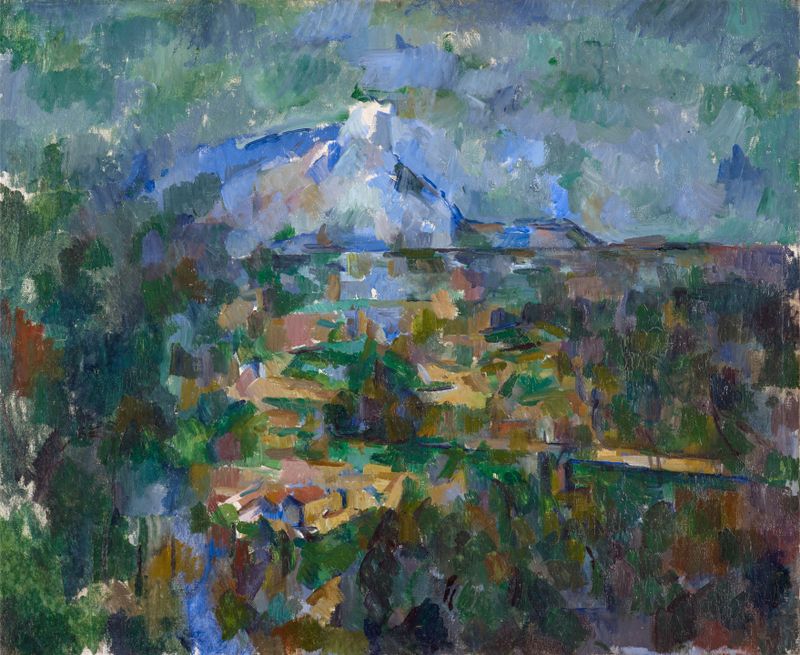
The Mont Sainte-Victoire Seen From Les Lauves
Paul Cezanne
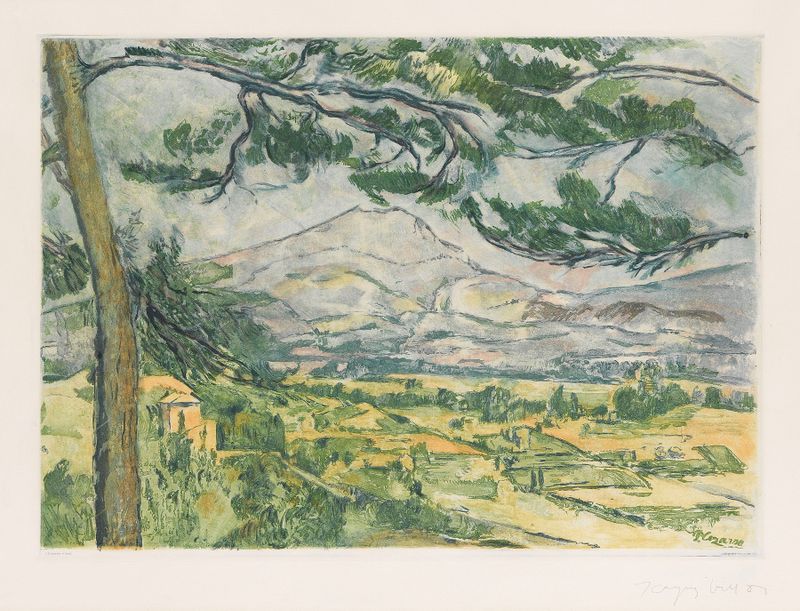
La Montagne Sainte-Victoire
Paul Cezanne
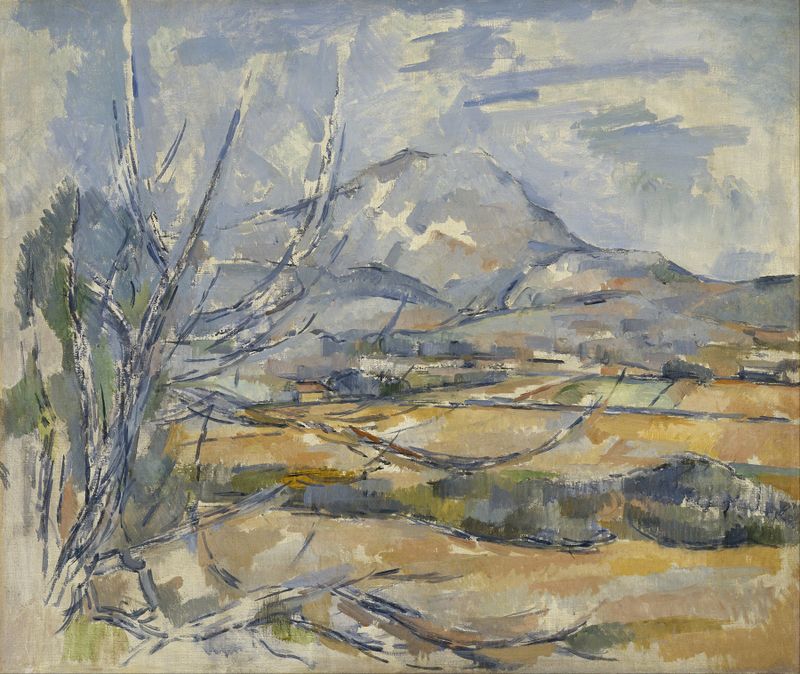
Montagne Sainte-Victoire
Paul Cezanne
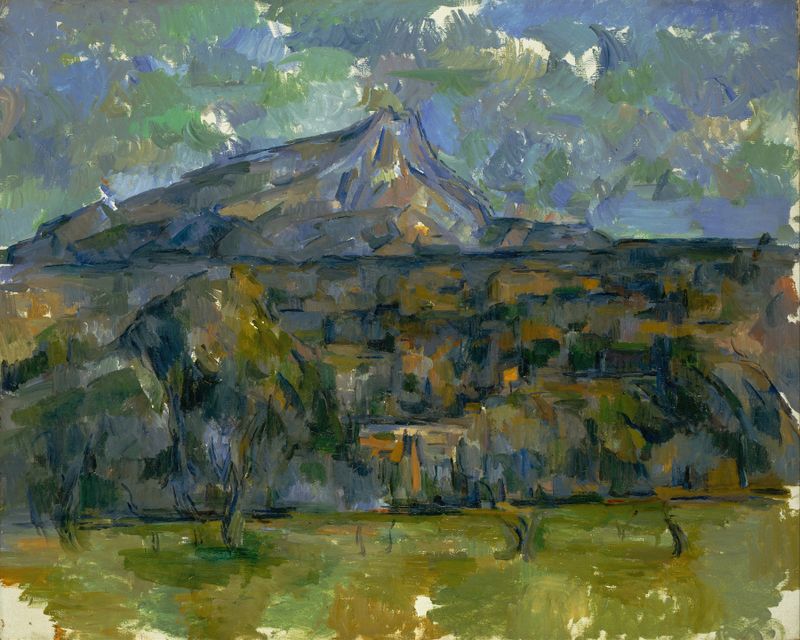
Mont Sainte-Victoire
Paul Cezanne
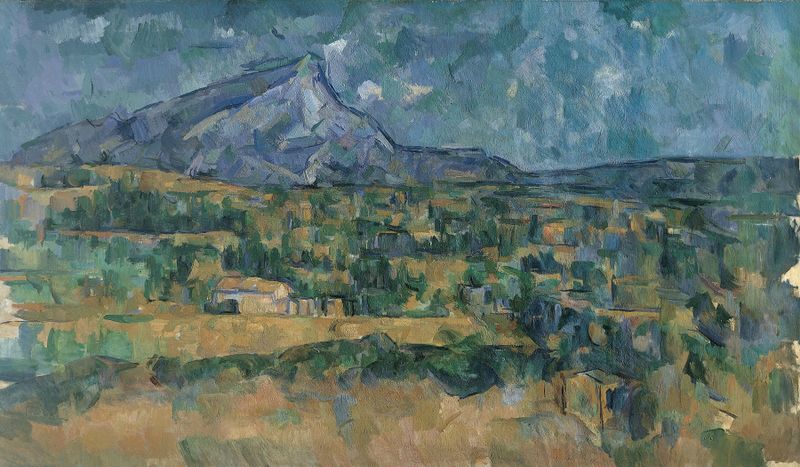
Mont Sainte-Victoire
Paul Cezanne
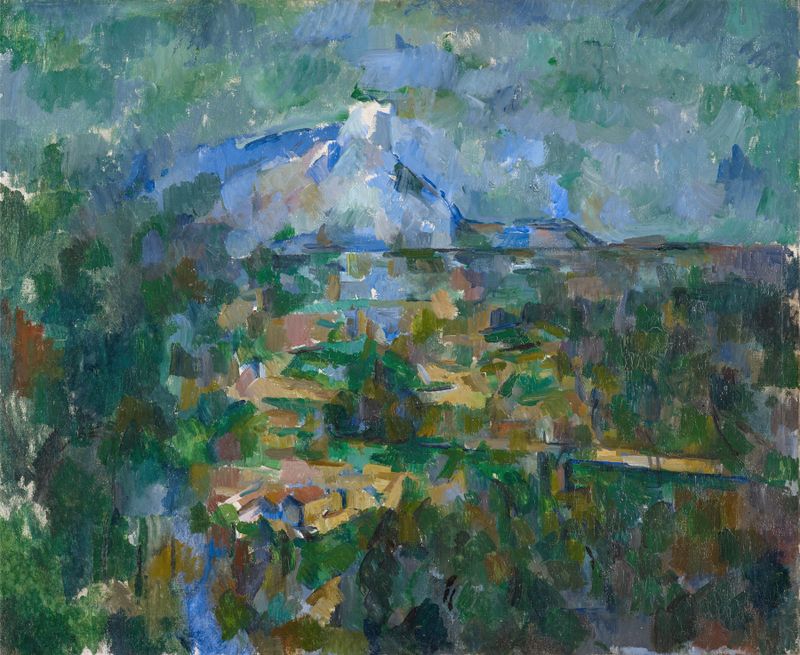
View of Mount Sainte-Victoire from Les Lauves
Paul Cezanne
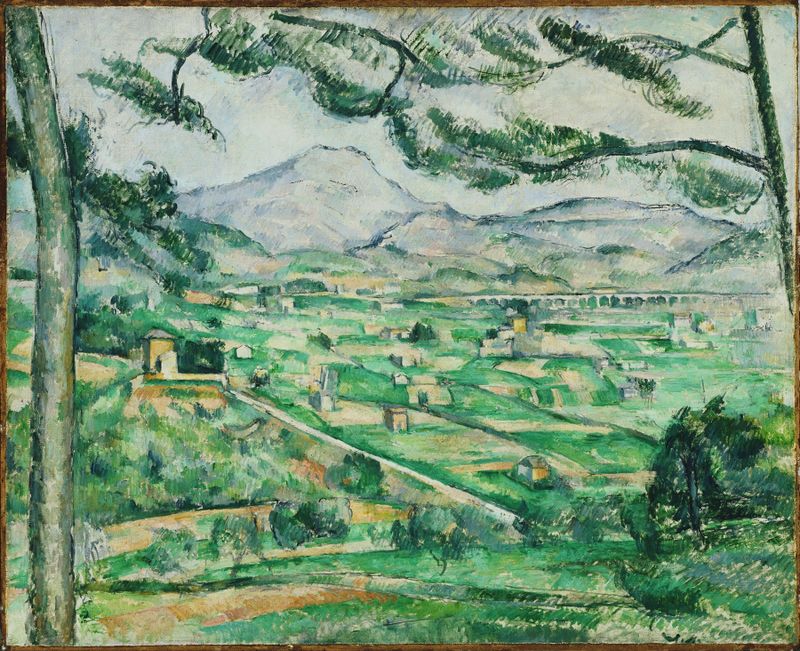
Mont Sainte-Victoire 2
Paul Cezanne

The Basket of Apples
Paul Cezanne

Mount Sainte-Victoire
Paul Cezanne
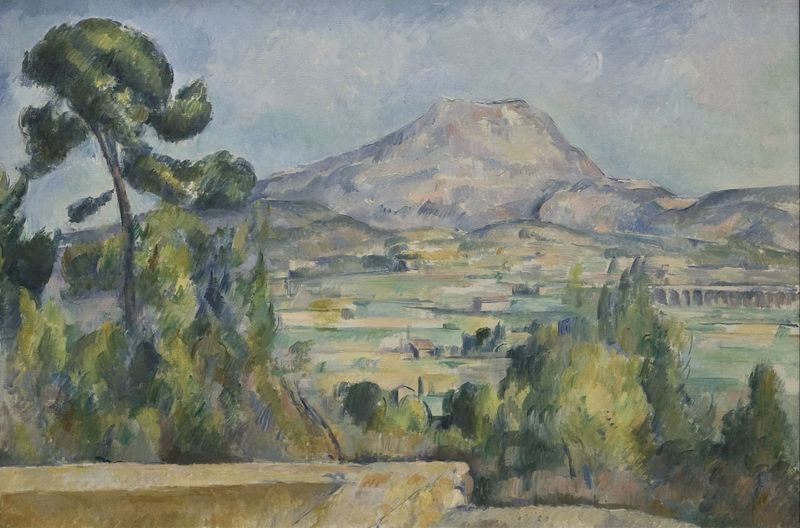
Montagne Saint-Victoire
Paul Cezanne
More Portrait Art
Browse all →
Las meninas
Diego Velázquez

Self-portrait with a Bandaged Ear and Pipe
Unidentified artist

Girl with a Pearl Earring
Johannes Vermeer

The Sampling Officials of the Amsterdam Drapers’ Guild, Known as ‘The Syndics’
Rembrandt van Rijn

The Hundred Guilder Print: the man seen on the back in the lower left corner
Rembrandt van Rijn

Portrait of Dr Gachet
Vincent van Gogh