
Madame Le Fèvre de Caumartin as Hebe — History & Facts
A woman sits poised at the edge of myth and portraiture, her gaze meeting ours with a calm assurance that belies the delicate fantasy of her costume. Draped in shimmering blue silk, she holds a golden ewer and cup, her hands arranged in a gesture of offering. At her side, the unmistakable form of an eagle—majestic, alert—anchors the scene in the realm of the gods.
The flowers at her breast and in her hair are not mere decoration: they mark her as Hebe, cupbearer to Olympus, yet the flush in her cheeks and the softness of her features speak of a real person, momentarily transformed. This is the world of mid-eighteenth-century France, where portraitists like Jean-Marc Nattier delighted in blending allegory and likeness. Painted in 1753, this work belongs to a genre that allowed sitters—often from the highest ranks of society—to inhabit the roles of gods and goddesses, heroes and muses. Such portraits were more than vanity; they were statements of taste, intellect, and social aspiration, crafted for an audience fluent in the language of classical myth.
Today, Madame Le Fèvre de Caumartin as Hebe resides in the National Gallery of Art, Washington, D.C., a testament to an age when the boundaries between reality and imagination were as fluid as silk. Look again, and see how the artist’s brush invites you to linger at that shimmering threshold.
More Artworks by Jean-Marc Nattier

Madame Crozat de Thiers and Her Daughter
Jean-Marc Nattier
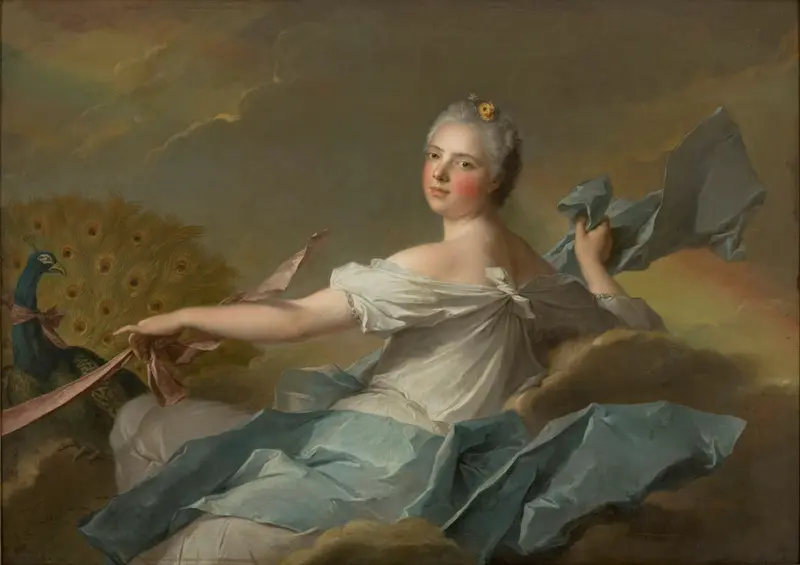
Princess Marie Adélaïde of France - The Air
Jean-Marc Nattier
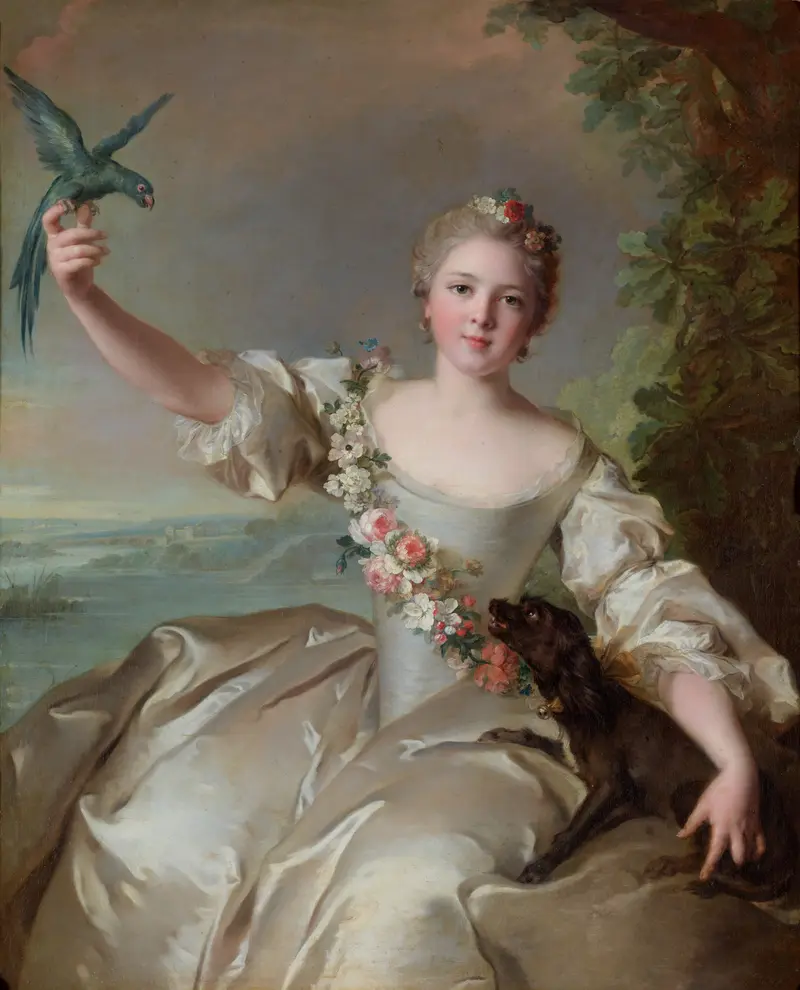
Portrait de Mathilde de Canisy, marquise d'Antin
Jean-Marc Nattier
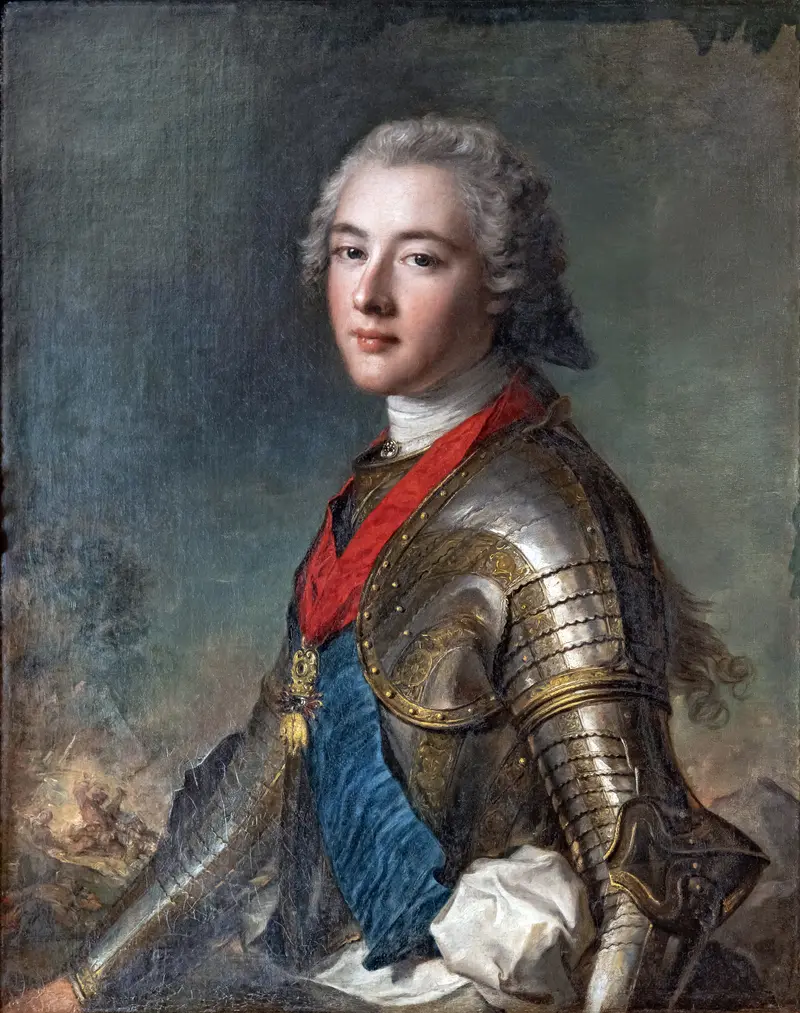
Bemberg Fondation Toulouse - Portrait de Louis Jean Marie de Bourbon, Duc de Penthièvre - Jean Marc Nattier inv.1158 82x65.4
Jean-Marc Nattier
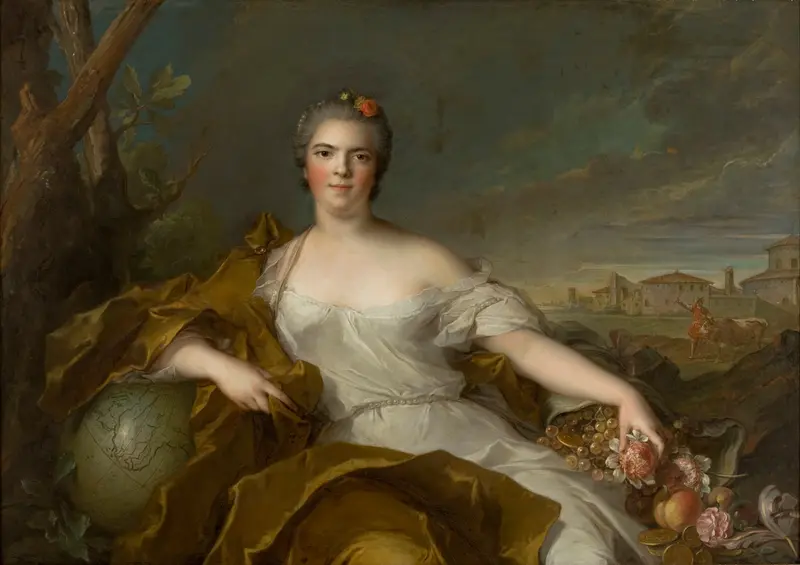
Princess Louise-Élisabeth of France - The Earth
Jean-Marc Nattier
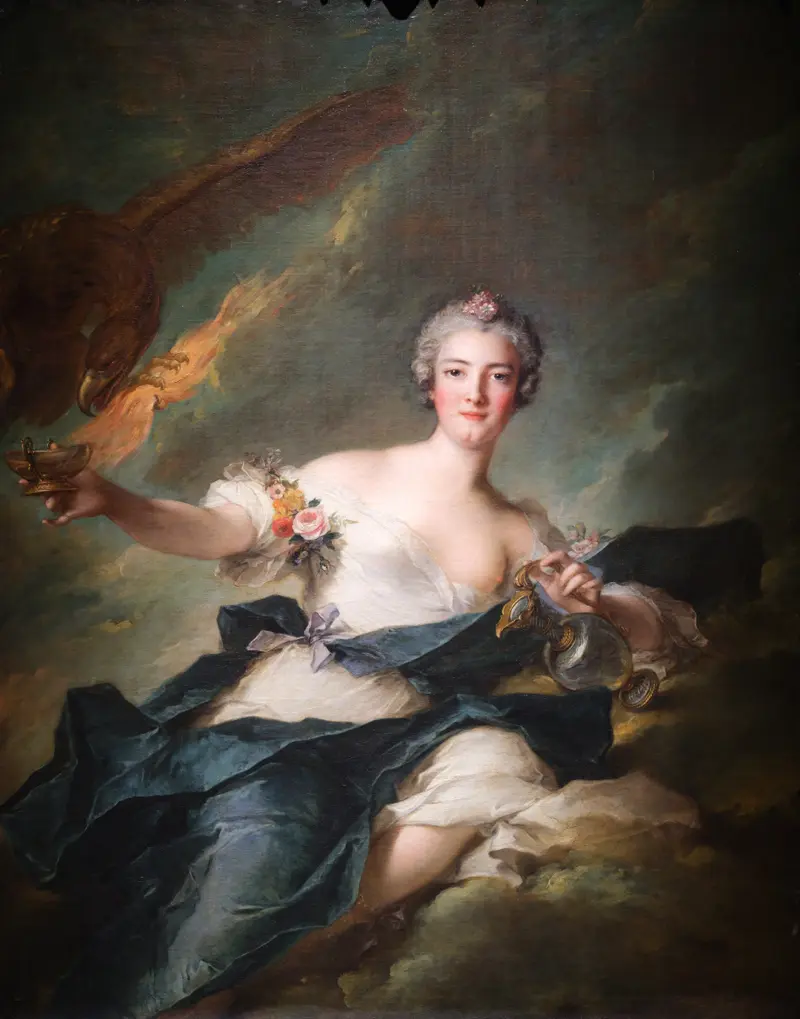
The Duchess of Chaulnes Represented as Hebe
Jean-Marc Nattier
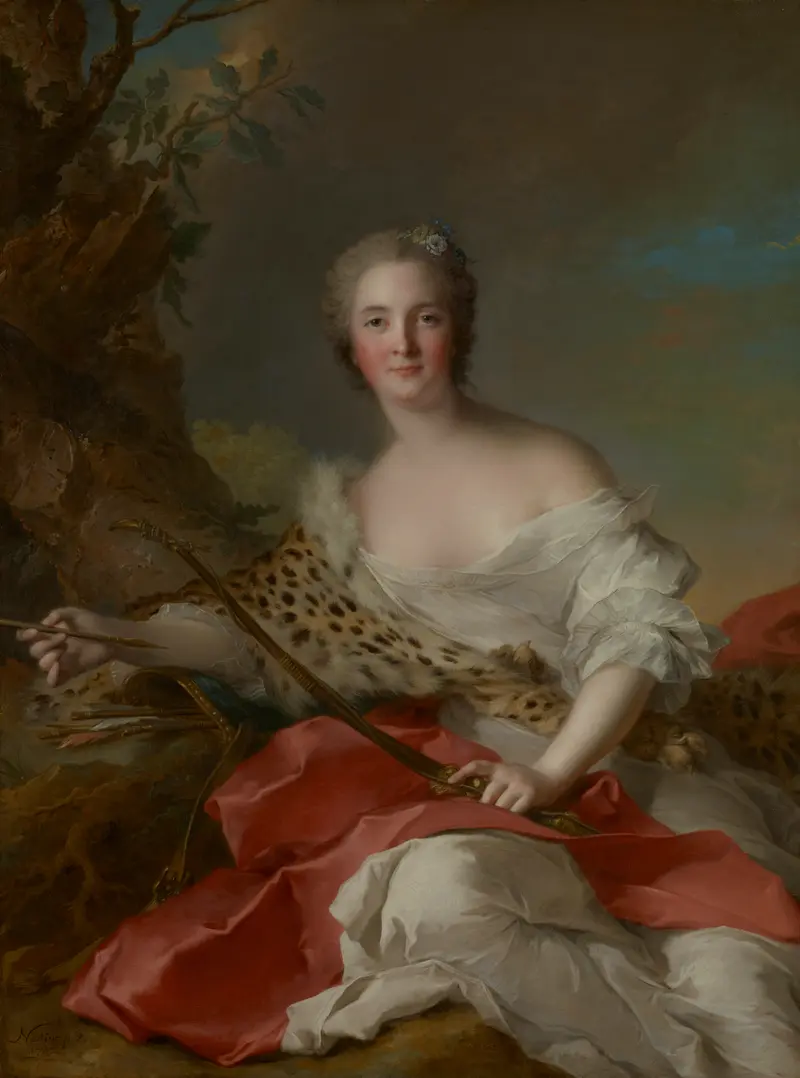
Portrait of Madame Bonnier de la Mosson as Diana (Constance-Gabrielle-Magdeleine du Monciel de Lauraille
Jean-Marc Nattier
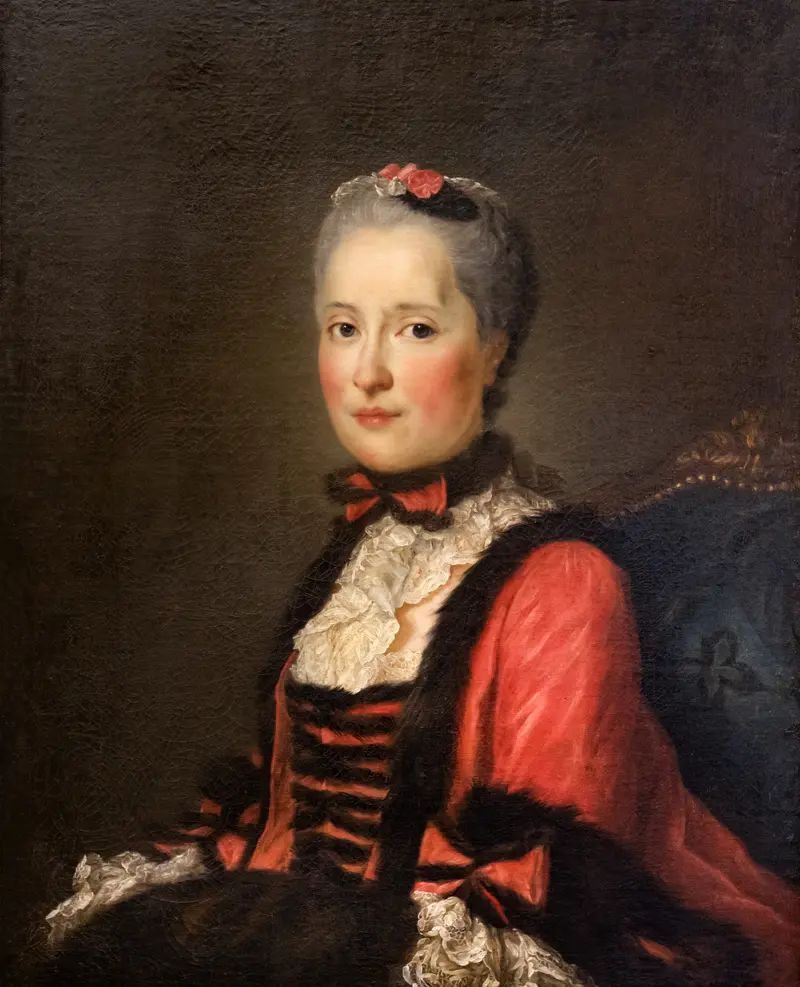
Portrait of Marie-Josephe of Saxony, Dauphine of France
Jean-Marc Nattier
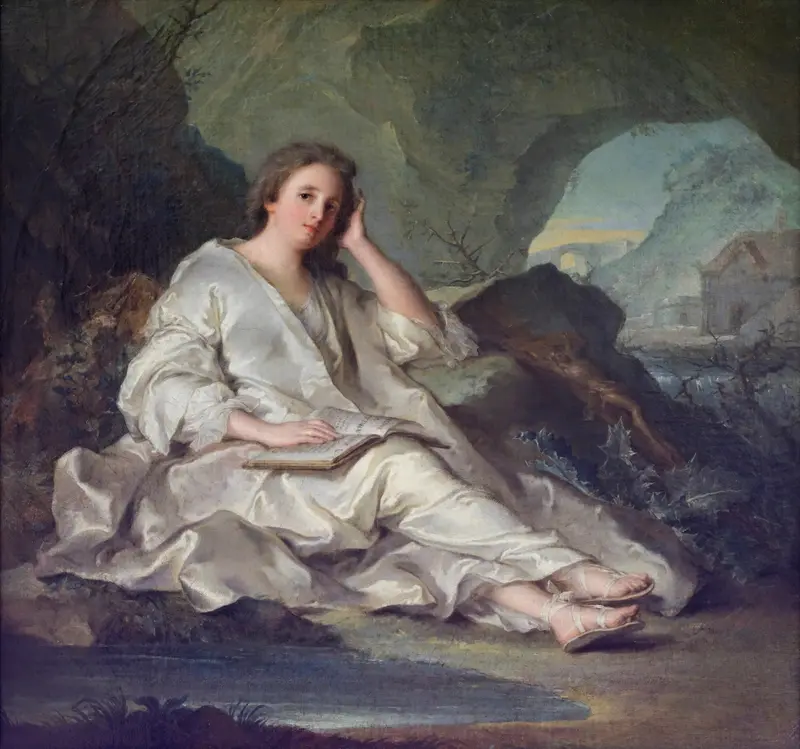
La Madeleine, ou Une Pénitente dans le désert Musée du Louvre Peintures INV 6880 ; MR
Jean-Marc Nattier
Princess Anne-Henriette of France - The Fire
Jean-Marc Nattier





