
Madonna Adoring the Sleeping Christ Child — History & Facts
Few images of the Virgin and Child have inspired as much gentle imitation as Madonna Adoring the Sleeping Christ Child by Giovanni Bellini. This intimate composition, dating from around 1475, is one of several versions Bellini created in Venice during a period when private devotion was flourishing among the city’s patrician families. The motif of the Madonna contemplating her sleeping son—so still he almost seems lifeless—sparked both theological reflection and artistic rivalry, with Bellini’s approach influencing contemporaries from Carlo Crivelli to Cima da Conegliano.
The painting’s quiet mood and tender humanity were so admired that later artists, including Raphael, would revisit the theme in their own ways. At the heart of the scene, the Virgin Mary kneels in adoration before the infant Christ, who lies sleeping on a grassy bank. Bellini chooses a moment not of action, but of contemplation: Mary’s hands are clasped in prayer, her gaze fixed on her child, her expression a mixture of love and foreboding. The sleeping Christ, his arms gently crossed, prefigures both innocence and sacrifice—his posture echoing the traditional depictions of the dead Christ, a subtle reminder of the Passion to come.
The landscape behind them, softly lit and serene, opens onto a distant city and gentle hills, inviting the viewer to meditate on the connection between the divine and the everyday. Unlike Mantegna’s more sculptural Madonnas, Bellini’s figures are suffused with warmth and naturalism, emphasizing their humanity. The precise origins of this painting are still debated. While it is widely agreed that Madonna Adoring the Sleeping Christ Child was intended for private devotion rather than public display, the identity of its first owner remains unknown.
Over the centuries, works of this type were prized by collectors for their emotional immediacy and technical finesse, and many passed through the hands of Venetian nobility before entering museum collections. Bellini’s innovations in color and atmosphere during this period would shape Venetian painting for generations, laying the groundwork for artists like Giorgione and Titian. Today, the painting is celebrated as an early example of Bellini’s mature style, where sacred narrative and human feeling are held in delicate balance.
More Artworks by Giovanni Bellini
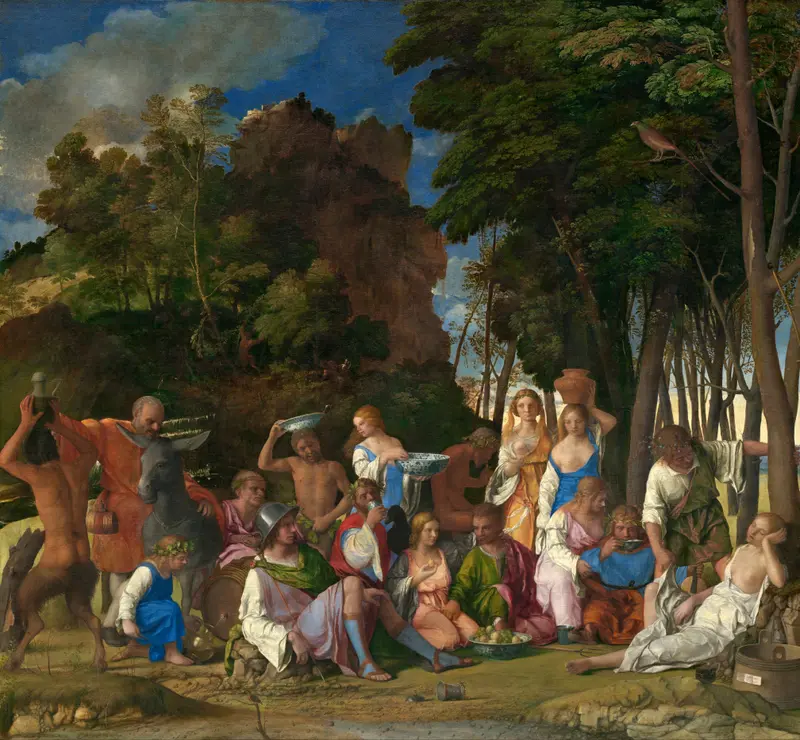
The Feast of the Gods
Giovanni Bellini

Madonna and Child enthroned with Saints and Angels
Giovanni Bellini
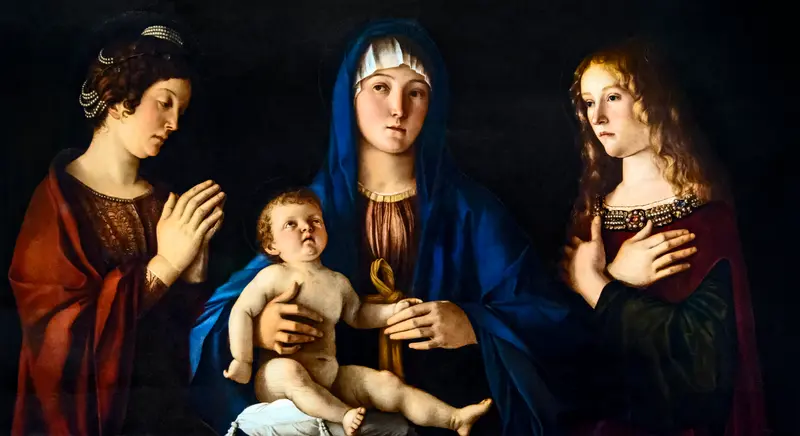
Madonna and Child between Saints Catherine and Mary Magdalene
Giovanni Bellini
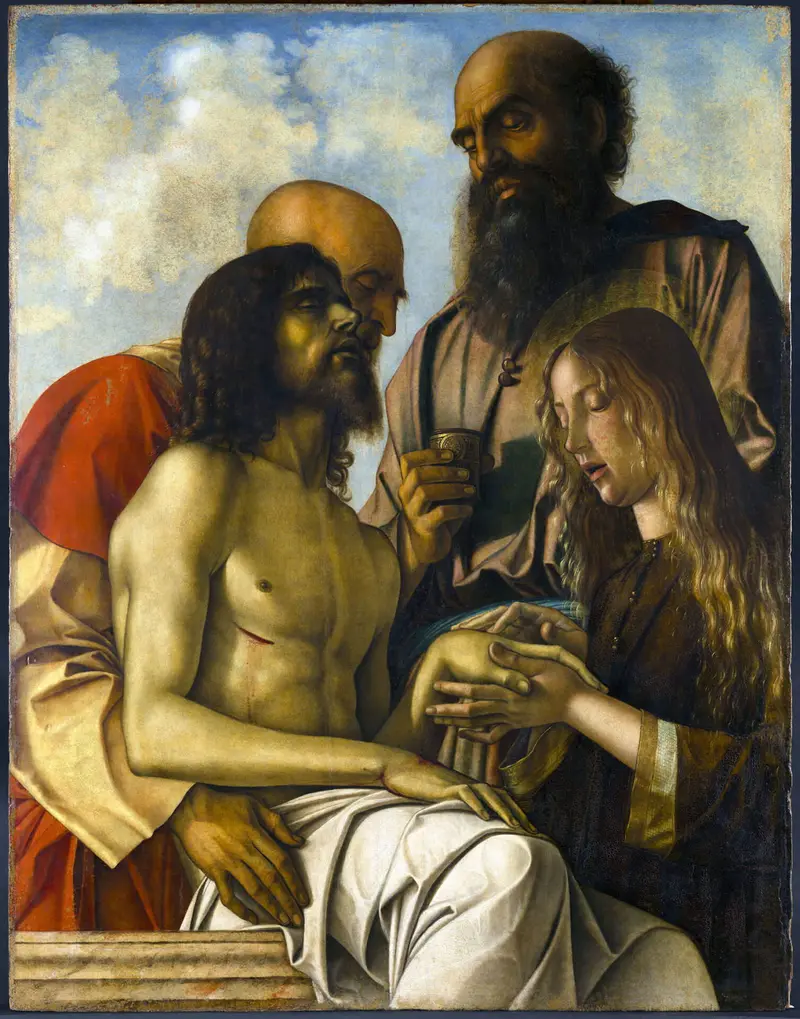
Lamentation over the Dead Christ
Giovanni Bellini
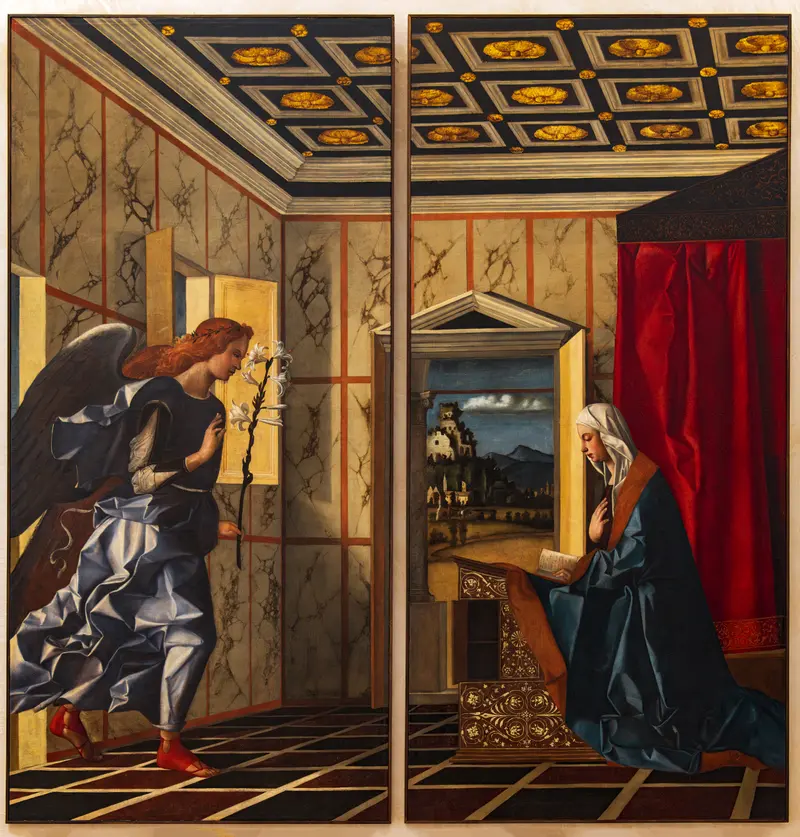
Annunciation
Giovanni Bellini
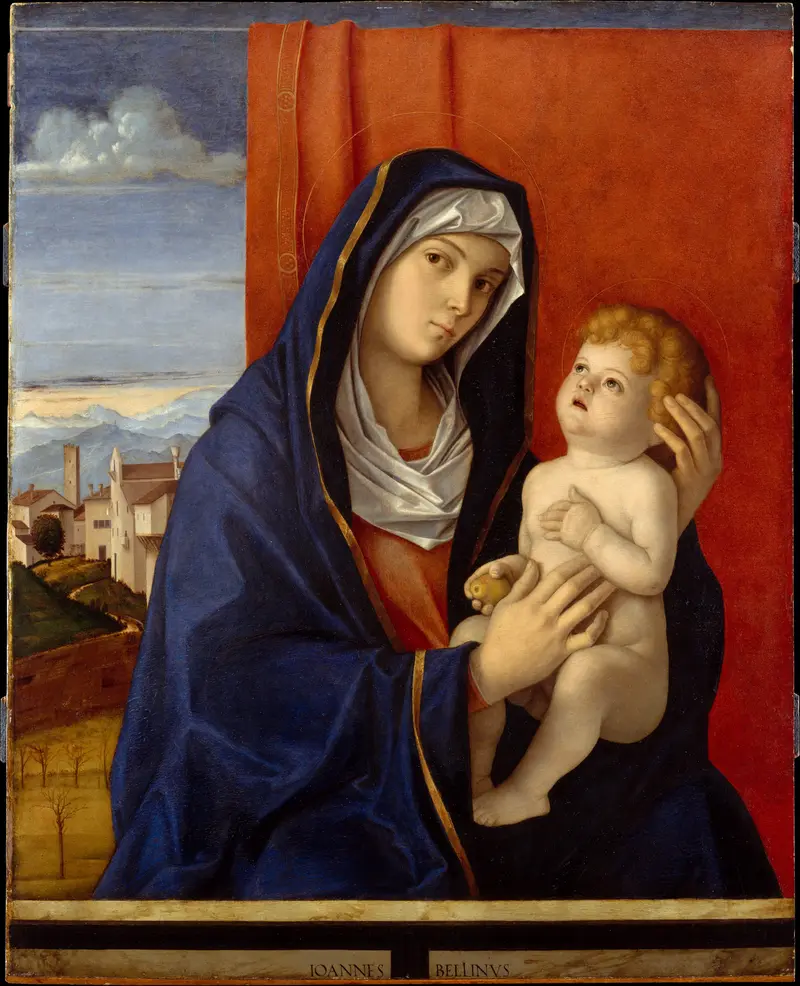
Madonna and Child
Giovanni Bellini
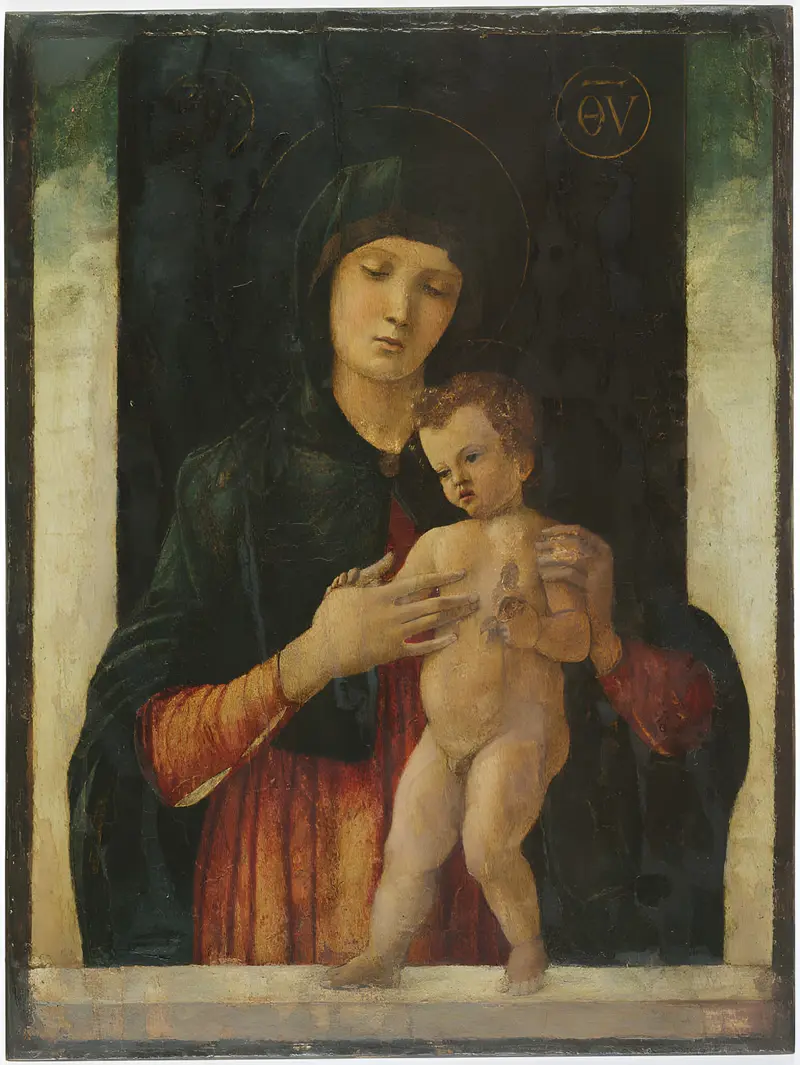
The Virgin and Child
Giovanni Bellini
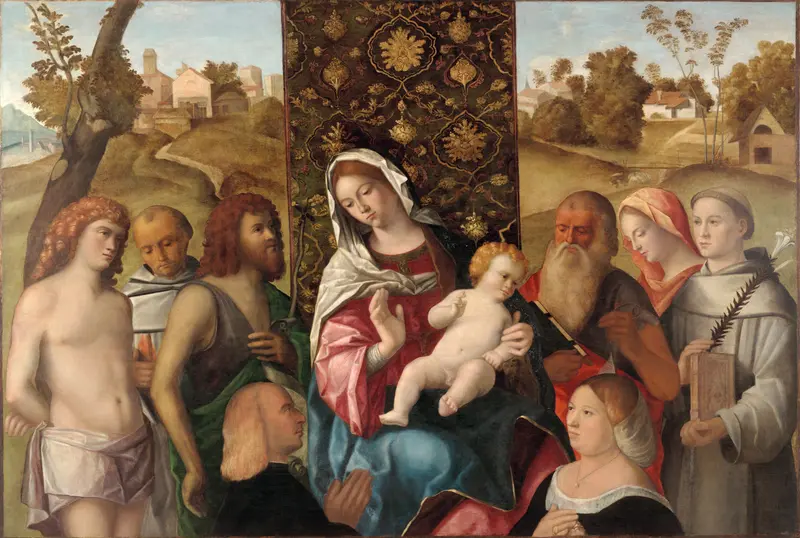
Virgin and Child with Saints Sebastian, Francis, John the Baptist, Jerome, an unidentified female saint, Saint Anthony of Padua and two donors
Giovanni Bellini
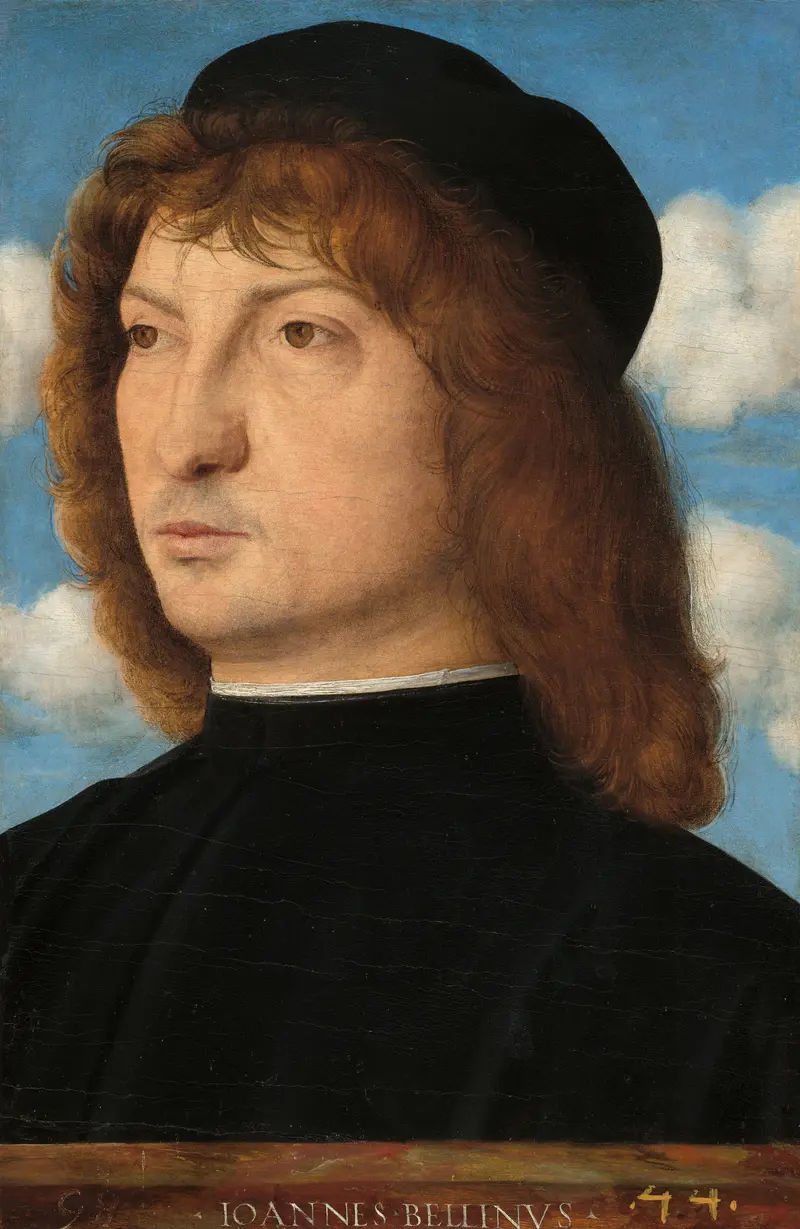
Portrait of a Venetian Gentleman
Giovanni Bellini
Portrait of a Young Man
Giovanni Bellini





