
Madonna and Child — History & Facts
When Artemisia Gentileschi painted her Madonna and Child in 1612, she was just nineteen and embroiled in one of the most infamous court cases of the early seventeenth century. That same year, she testified in Rome against Agostino Tassi, her rapist and fellow painter, in a trial that would shape her reputation for centuries. The painting’s date places it at the very moment Gentileschi was asserting her artistic voice in a world that doubted her, making this image of maternal tenderness all the more charged with personal significance.
Scholars have long debated whether the Madonna’s features echo those of Artemisia herself, hinting at a hidden self-portrait. The scene captures the Virgin Mary and the infant Christ in a moment of quiet intimacy. The Madonna, her head gently inclined, gazes at her child with a protective tenderness, while the Christ Child, chubby and alert, reaches up to touch her face. Unlike the idealized, distant Madonnas of Raphael, Gentileschi’s mother is palpably real—her hands strong, her expression both loving and weary.
The play of light falls warmly across their faces, drawing the viewer into the private world of mother and child. The Madonna’s blue mantle and red dress, traditional symbols of purity and sacrifice, anchor the image in iconographic convention, yet the emotional realism feels startlingly modern. The early provenance of Madonna and Child is uncertain, as with many works by Artemisia Gentileschi from this period. It is not clear for whom the painting was originally created, nor where it first hung.
Over the centuries, the painting has been attributed, misattributed, and rediscovered, reflecting the broader challenges of tracing Gentileschi’s oeuvre. Today, it stands as an important example of her early work, revealing both her technical skill and her unique perspective within the Baroque movement. Its survival and recognition are a testament to the renewed interest in Artemisia’s life and art, and to the power of her vision in an age when women painters were a rarity.
More Artworks by Artemisia Gentileschi

Judith Beheading Holofernes
Artemisia Gentileschi
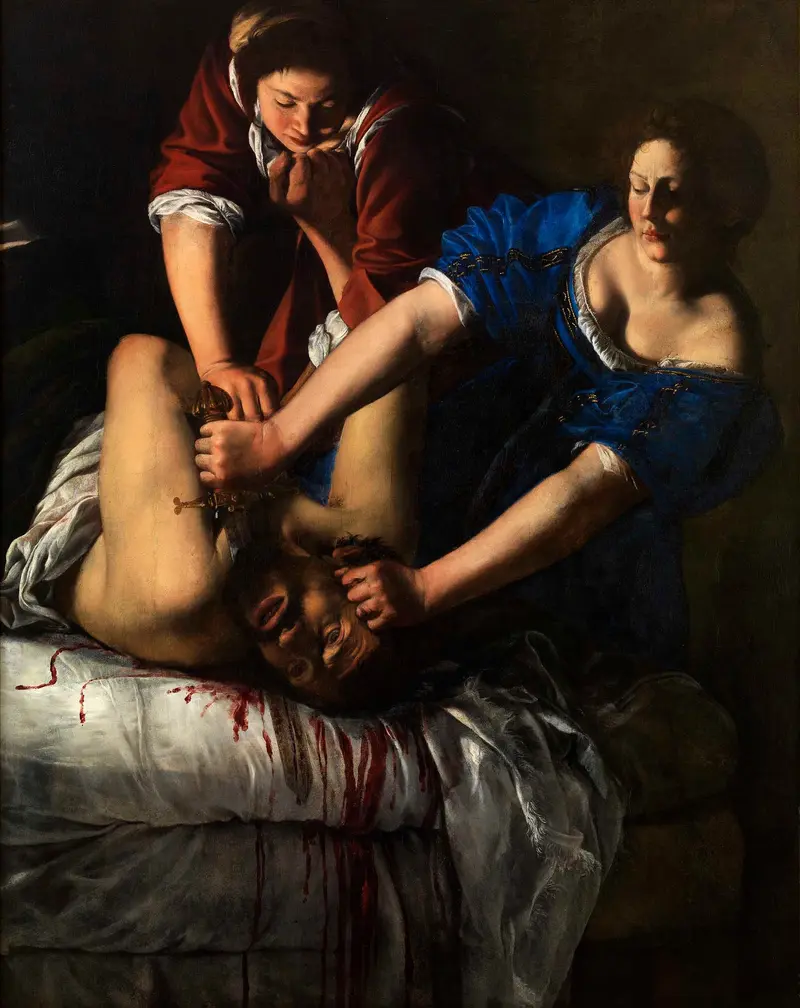
Judith Slaying Holofernes
Artemisia Gentileschi
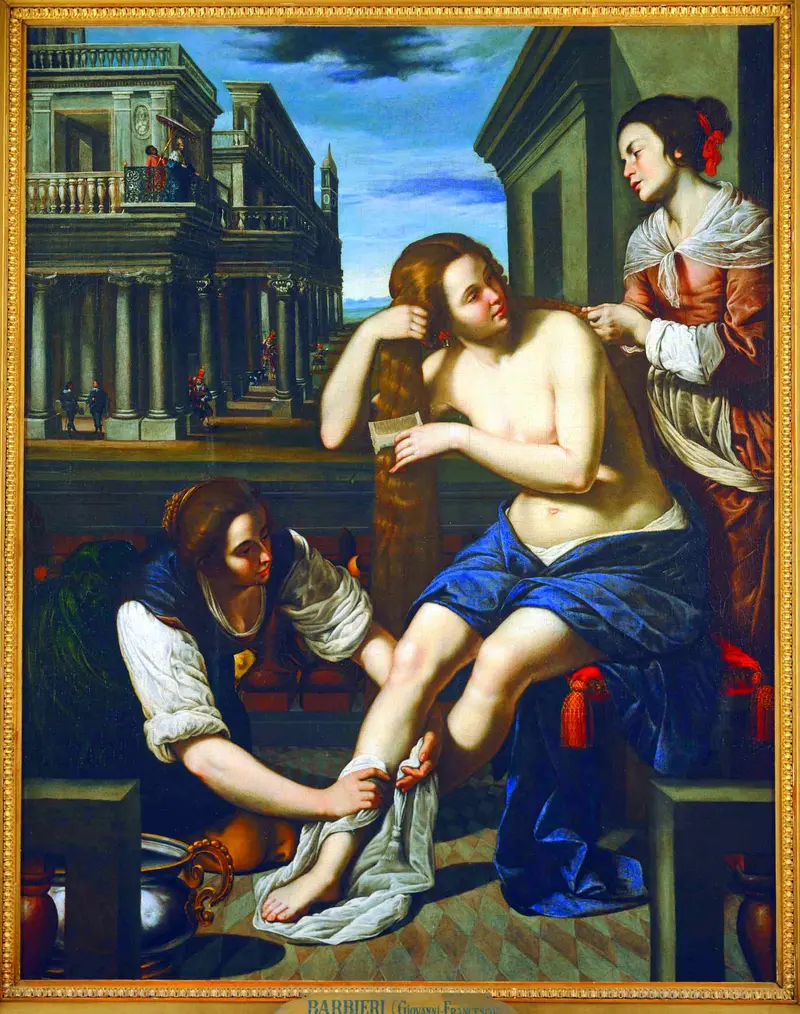
Bathsheba at Her Bath
Artemisia Gentileschi
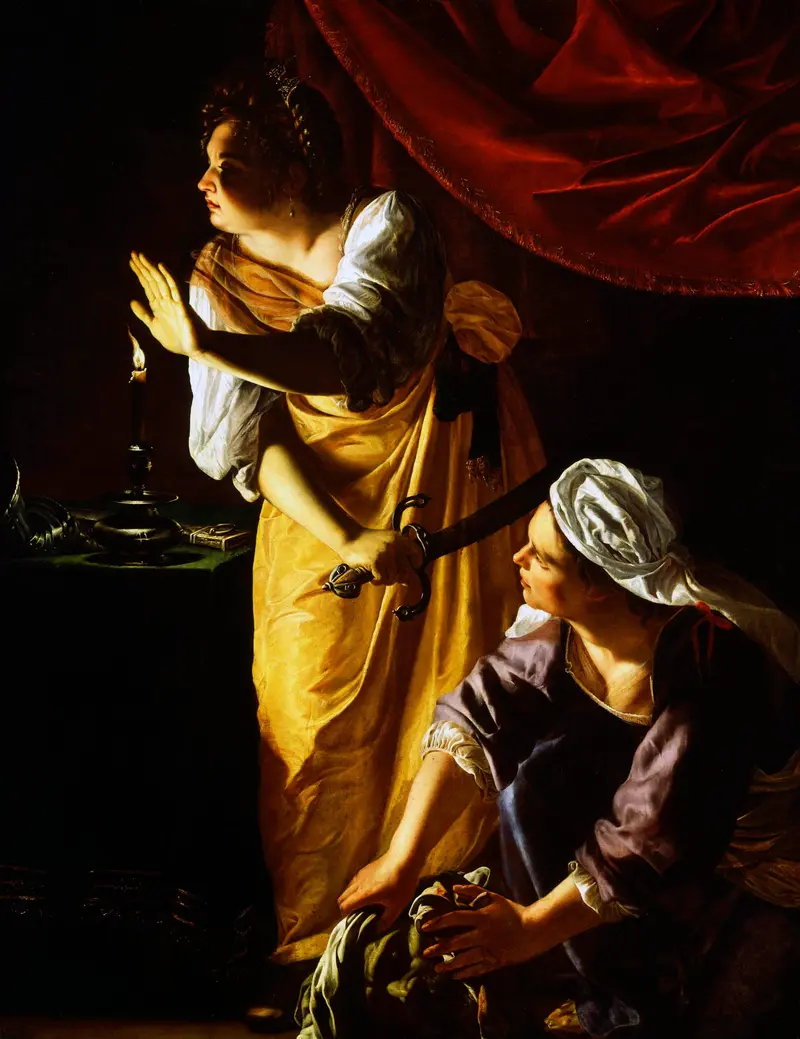
Judith and Maidservant with Head of Holofernes
Artemisia Gentileschi
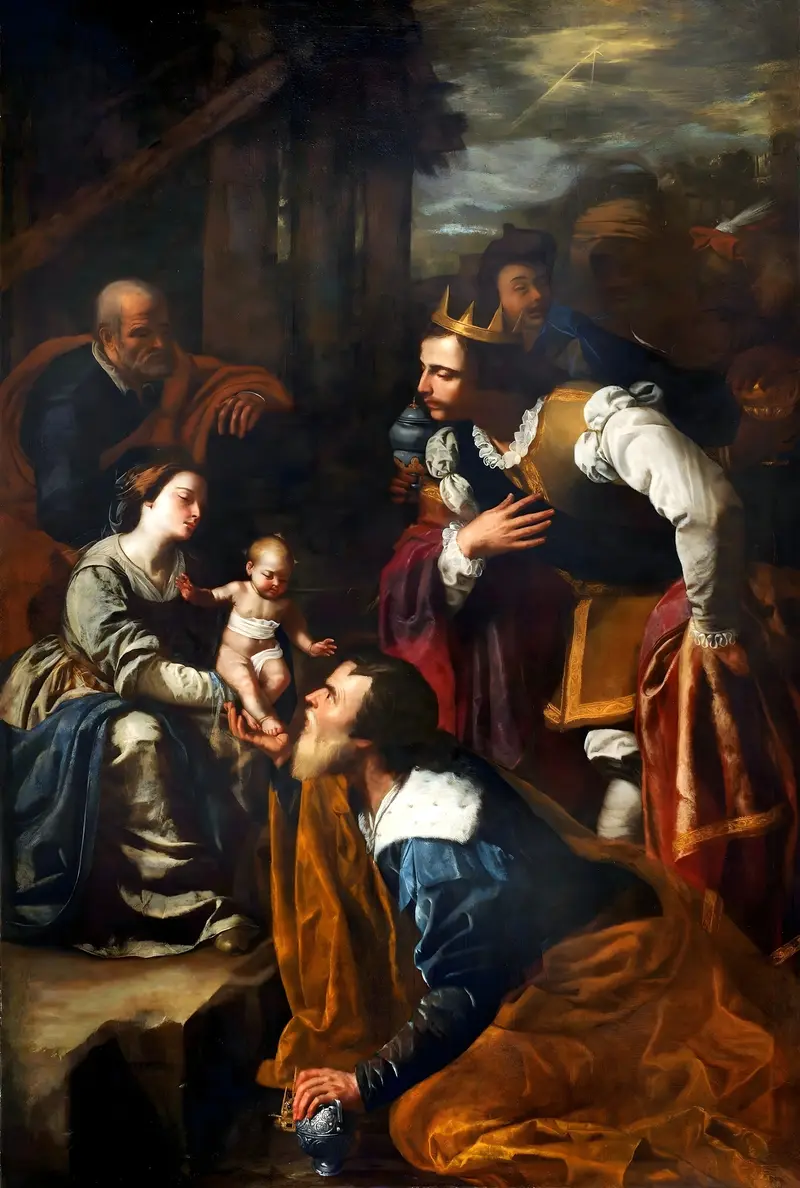
Adoration of the Magi
Artemisia Gentileschi
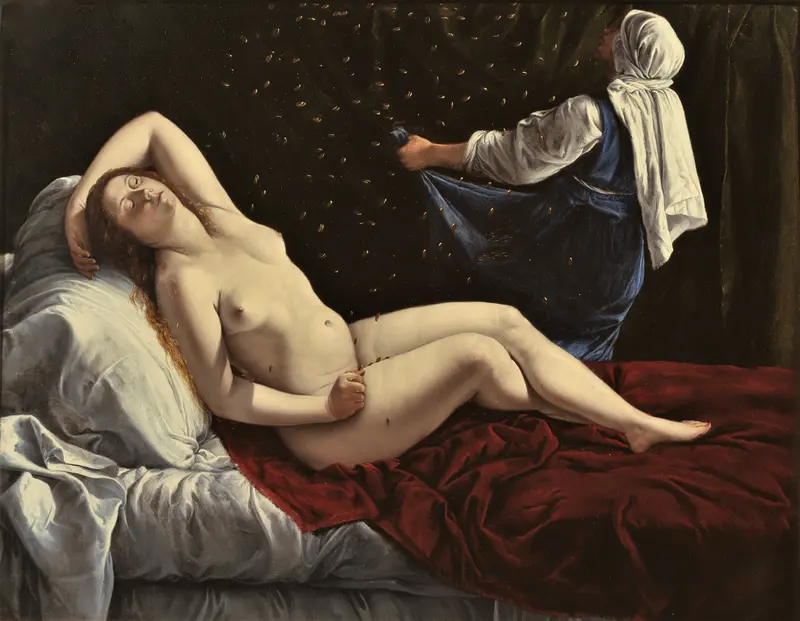
Danaë
Artemisia Gentileschi
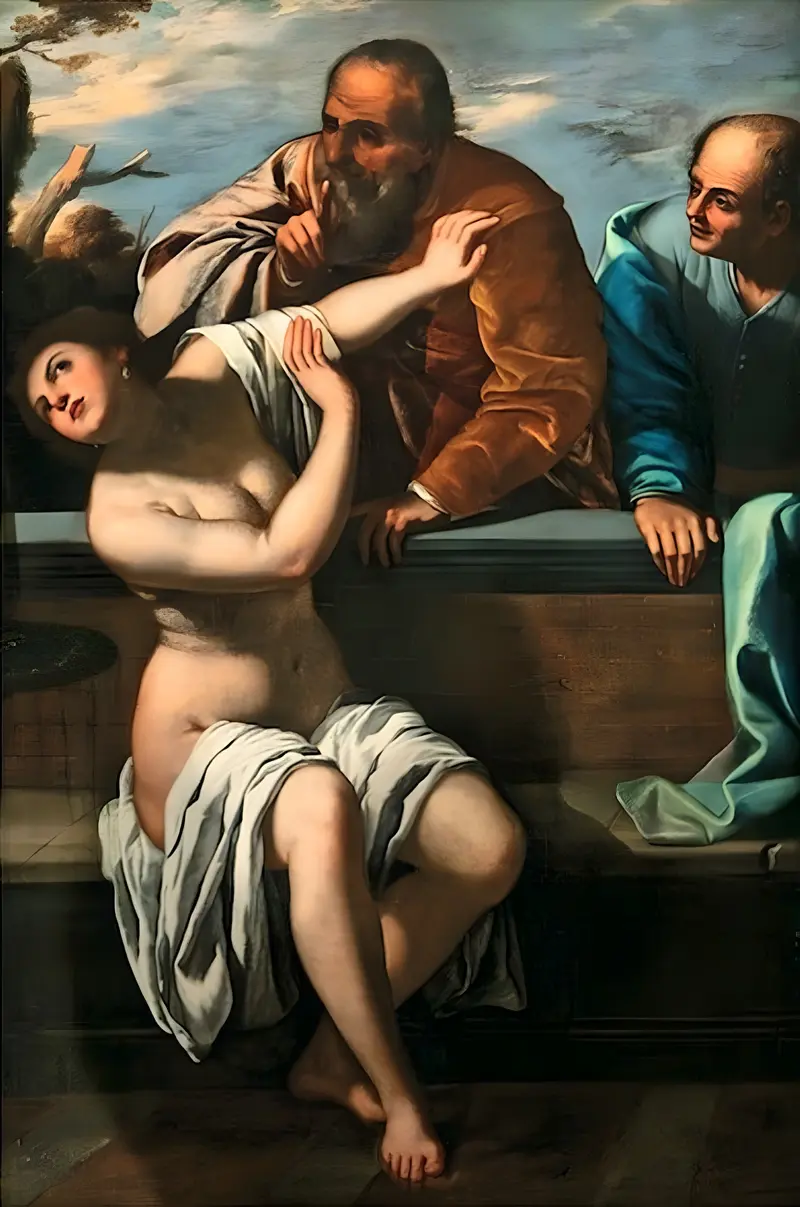
Susannah and the Elders
Artemisia Gentileschi

Judith and her Servant with the Head of Holofernes
Artemisia Gentileschi
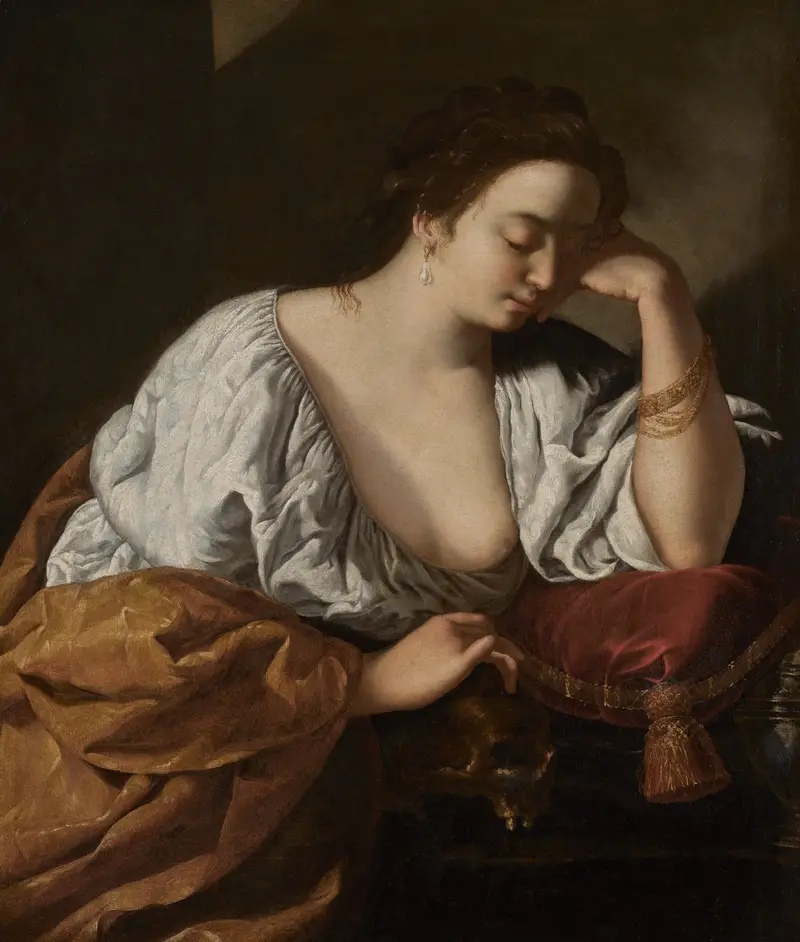
Madeleine pénitente, par
Artemisia Gentileschi
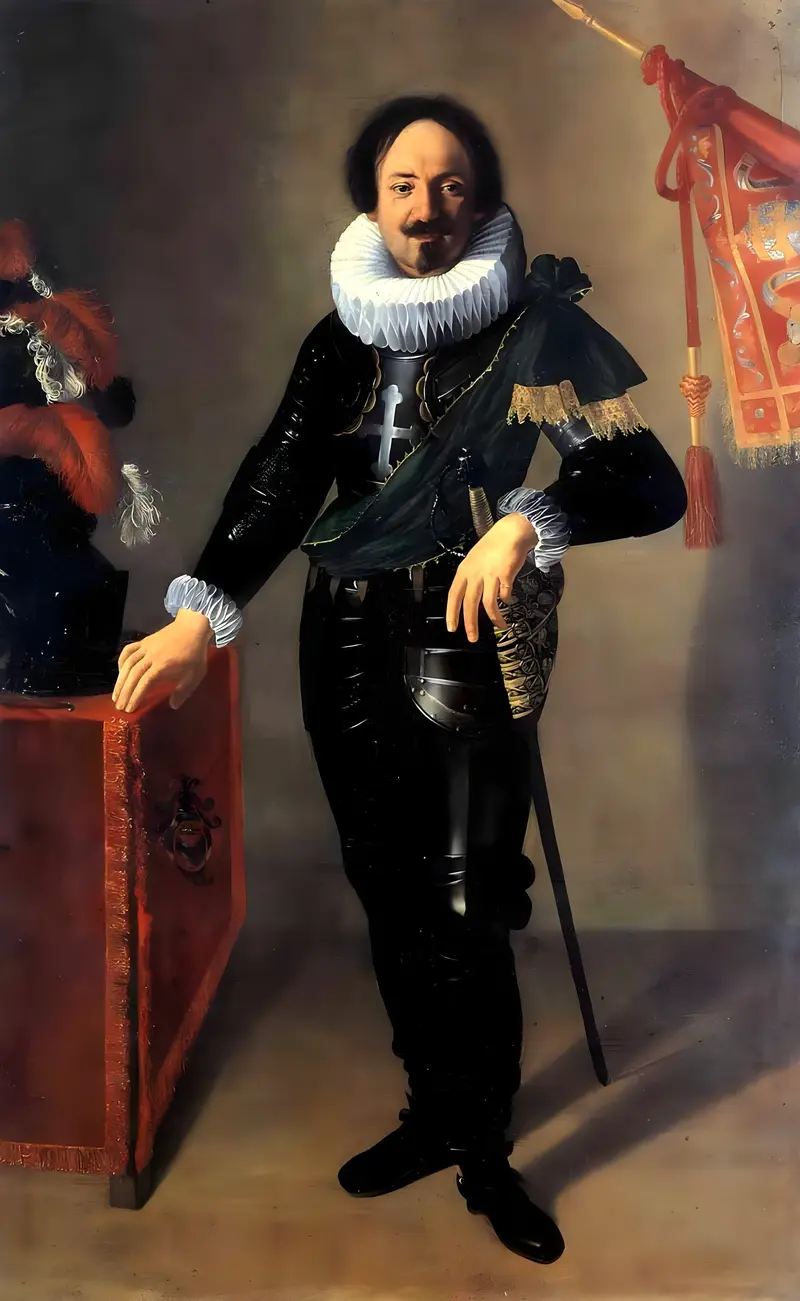
Portrait of a Gonfaloniere
Artemisia Gentileschi





