
Madonna and Child (Madonna Corsini) — History & Facts
When the Madonna and Child (Madonna Corsini) left the studio of Giovanni Bellini in 1487, it entered the world with a subtle but important innovation: Bellini’s Madonna is not enthroned, but sits quietly before a parapet, drawing the viewer into an intimate exchange. This compositional choice was a departure from the grand, formal Madonnas of earlier Venetian tradition, and it signaled a new, more personal approach to devotional imagery. The painting’s nickname, “Corsini,” comes from its later association with the Corsini family, an influential Florentine dynasty, though the original patron remains unknown.
Over the centuries, the work has been praised for its gentle humanity—Giorgio Vasari himself remarked on Bellini’s “sweetness of expression” in his Madonnas. At the heart of the painting, the Virgin Mary cradles the Christ Child, who stands upright on the ledge, his small hand raised in blessing. Bellini captures the moment of quiet connection: Mary’s eyes are cast downward, her lips barely parted, as if in silent prayer or reflection. The Child’s gaze meets the viewer, bridging the sacred and the everyday.
The soft landscape behind them—rolling hills, distant blue mountains, and a luminous sky—anchors the holy figures in the real world, a hallmark of Bellini’s mature style. Unlike the ethereal Madonnas of Fra Angelico, Bellini’s figures are solid, approachable, and suffused with a gentle light that bathes their flesh in warmth, emphasizing their humanity as much as their divinity. The painting’s journey through history is partly veiled in mystery. It is thought to have entered the Corsini collection in the seventeenth century, where it remained for generations, admired as a prime example of Venetian Renaissance art.
Scholars have debated its attribution, but consensus now firmly places it among Bellini’s late works, when his influence on younger artists like Giorgione and Titian was at its height. Today, the Madonna and Child (Madonna Corsini) is recognized not only as a devotional image but also as a quiet revolution in the portrayal of the sacred, marking a turning point in the Venetian approach to both landscape and human emotion.
More Artworks by Giovanni Bellini
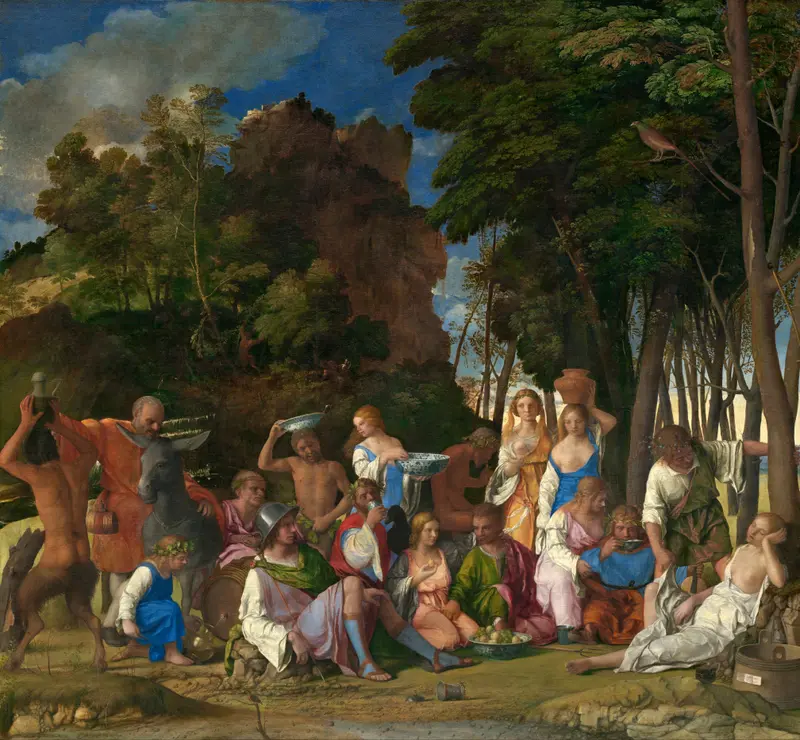
The Feast of the Gods
Giovanni Bellini

Madonna and Child enthroned with Saints and Angels
Giovanni Bellini
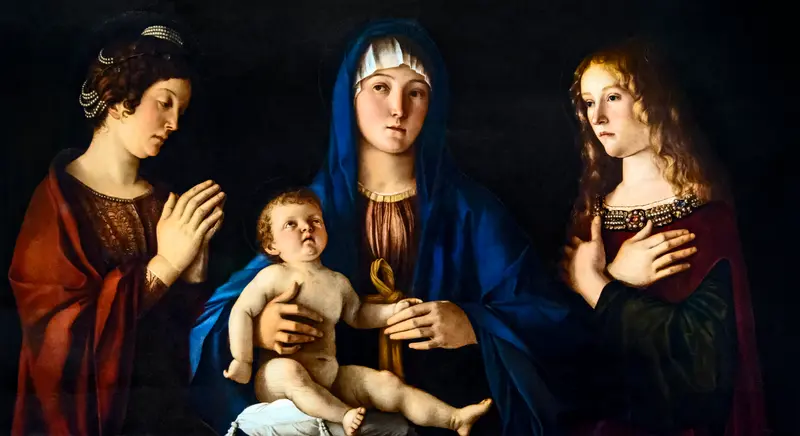
Madonna and Child between Saints Catherine and Mary Magdalene
Giovanni Bellini
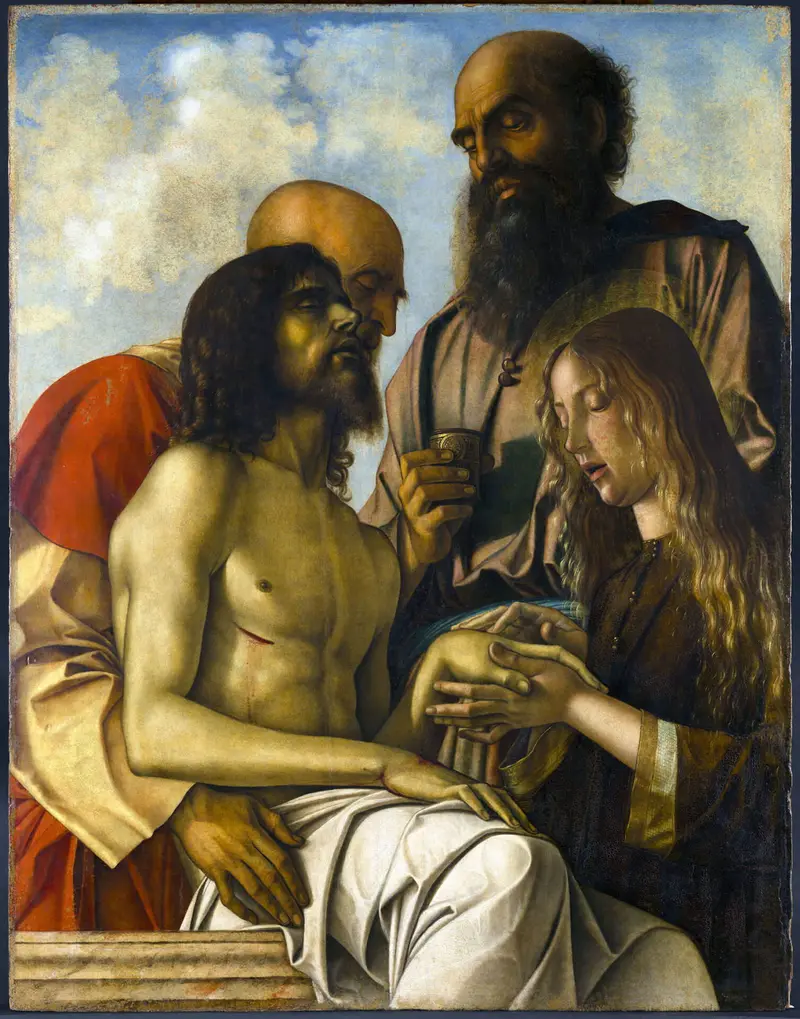
Lamentation over the Dead Christ
Giovanni Bellini
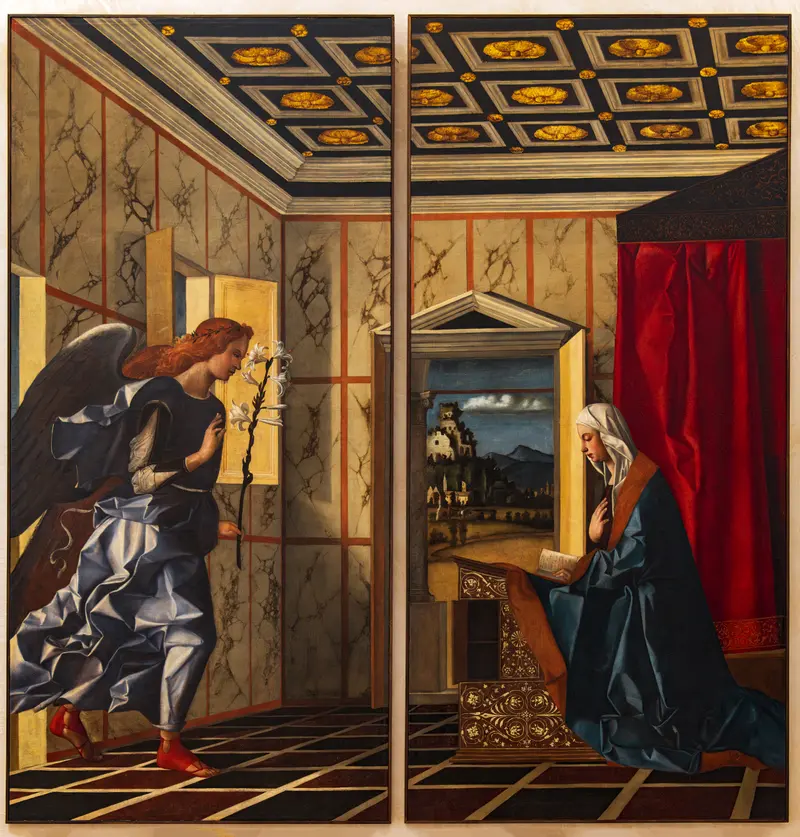
Annunciation
Giovanni Bellini
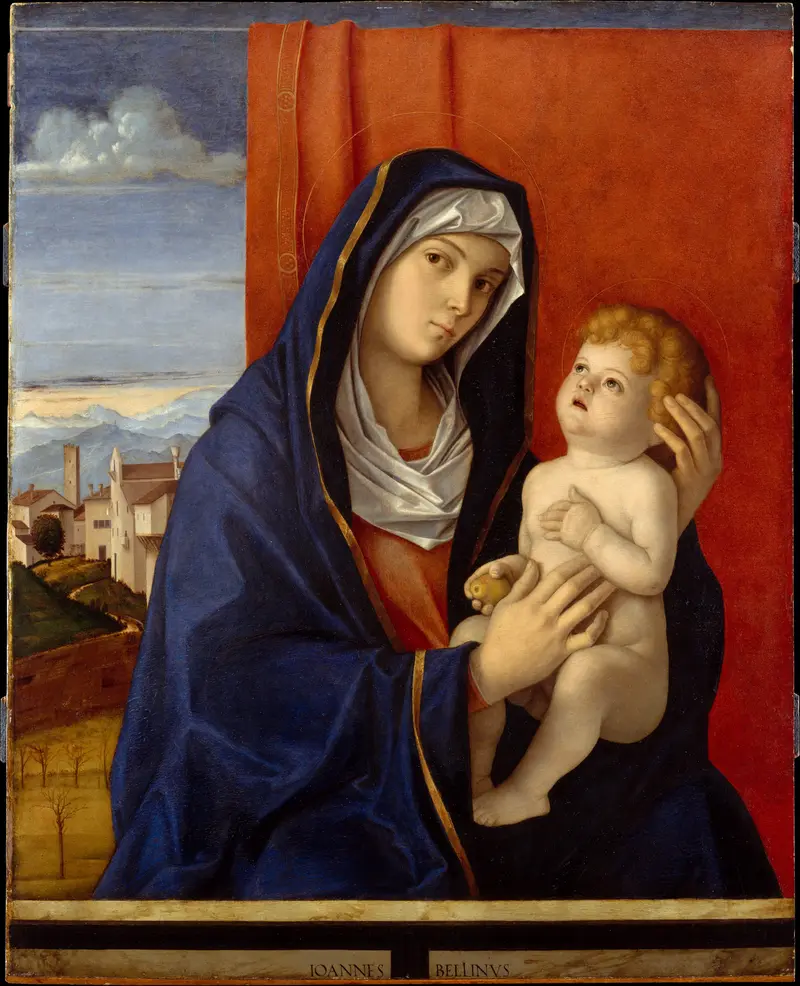
Madonna and Child
Giovanni Bellini
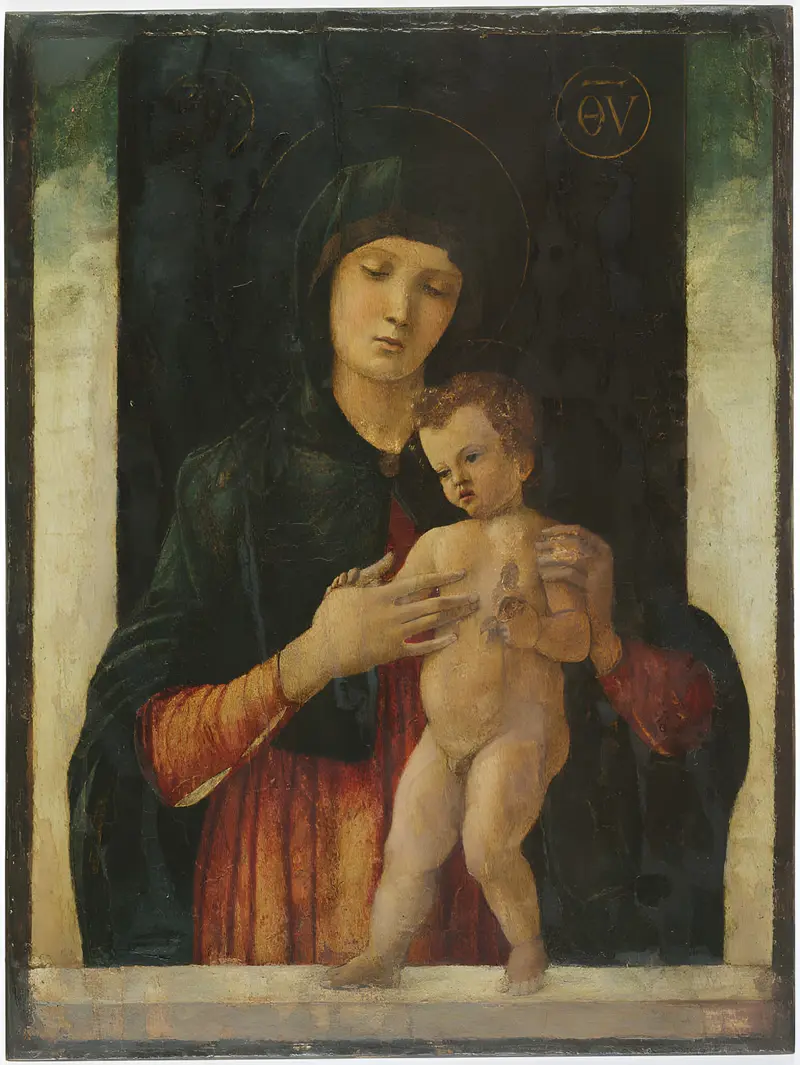
The Virgin and Child
Giovanni Bellini
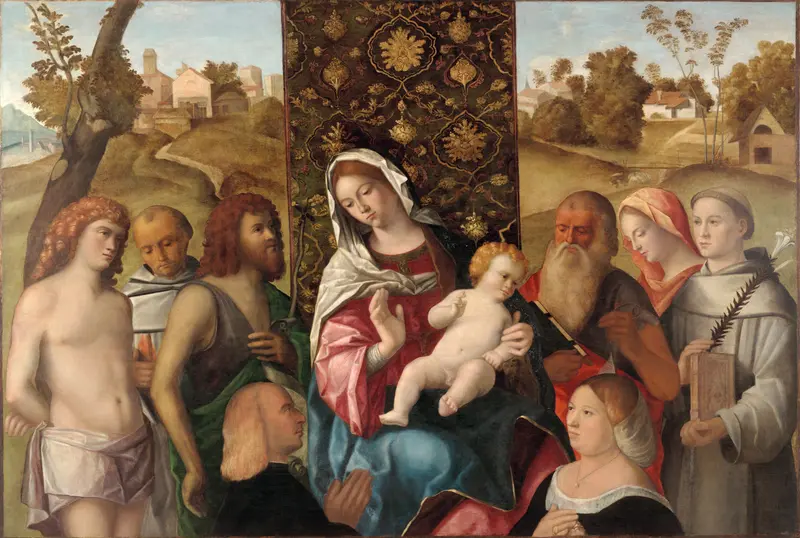
Virgin and Child with Saints Sebastian, Francis, John the Baptist, Jerome, an unidentified female saint, Saint Anthony of Padua and two donors
Giovanni Bellini
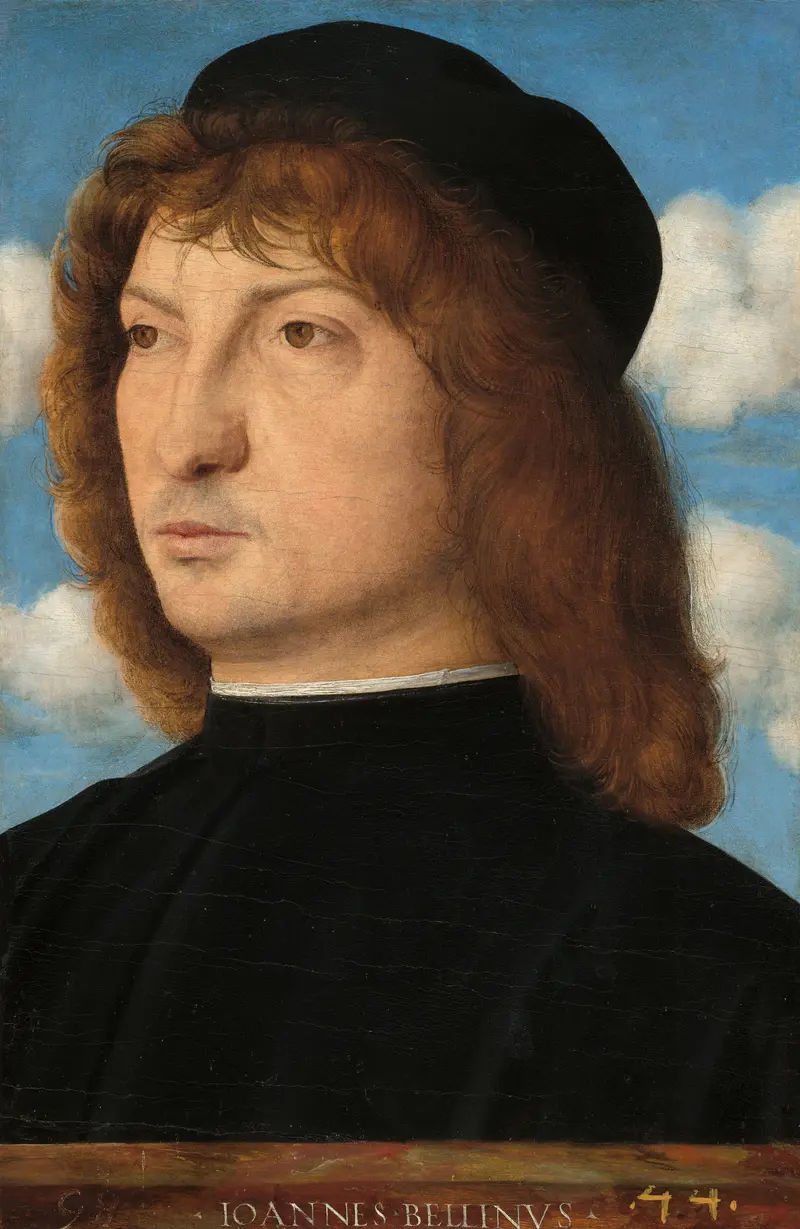
Portrait of a Venetian Gentleman
Giovanni Bellini
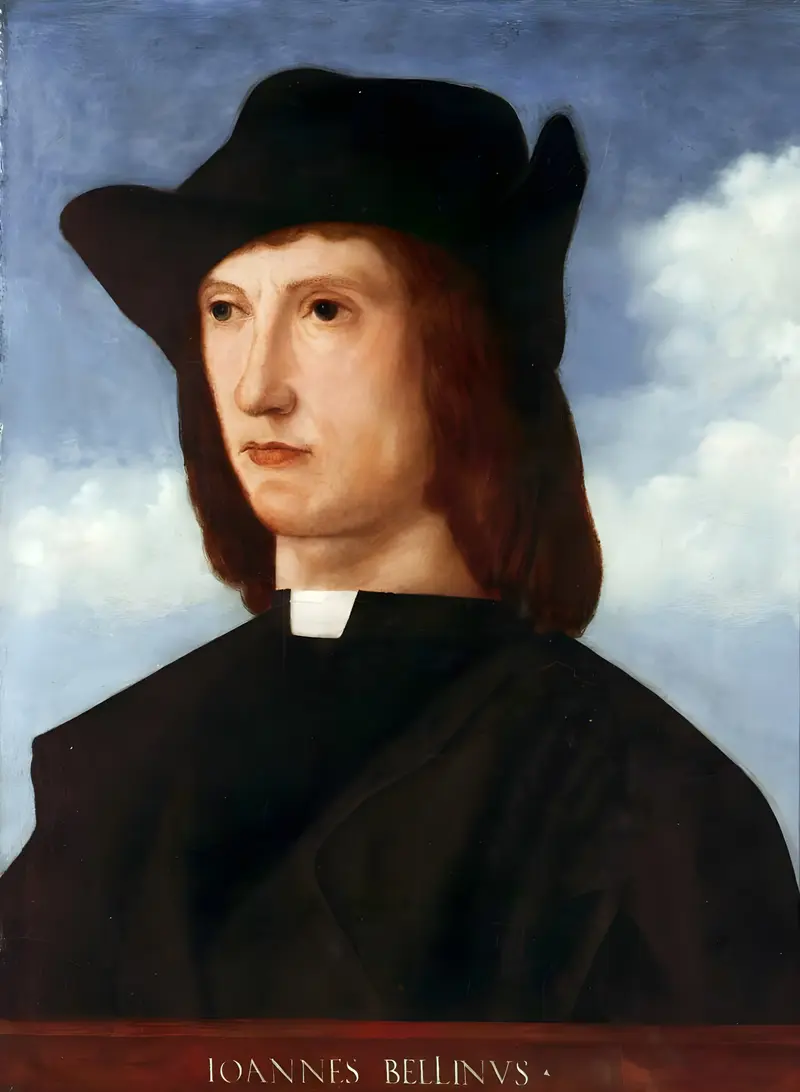
Portrait of a Young Man
Giovanni Bellini





