
Madonna op de maansikkel — History & Facts
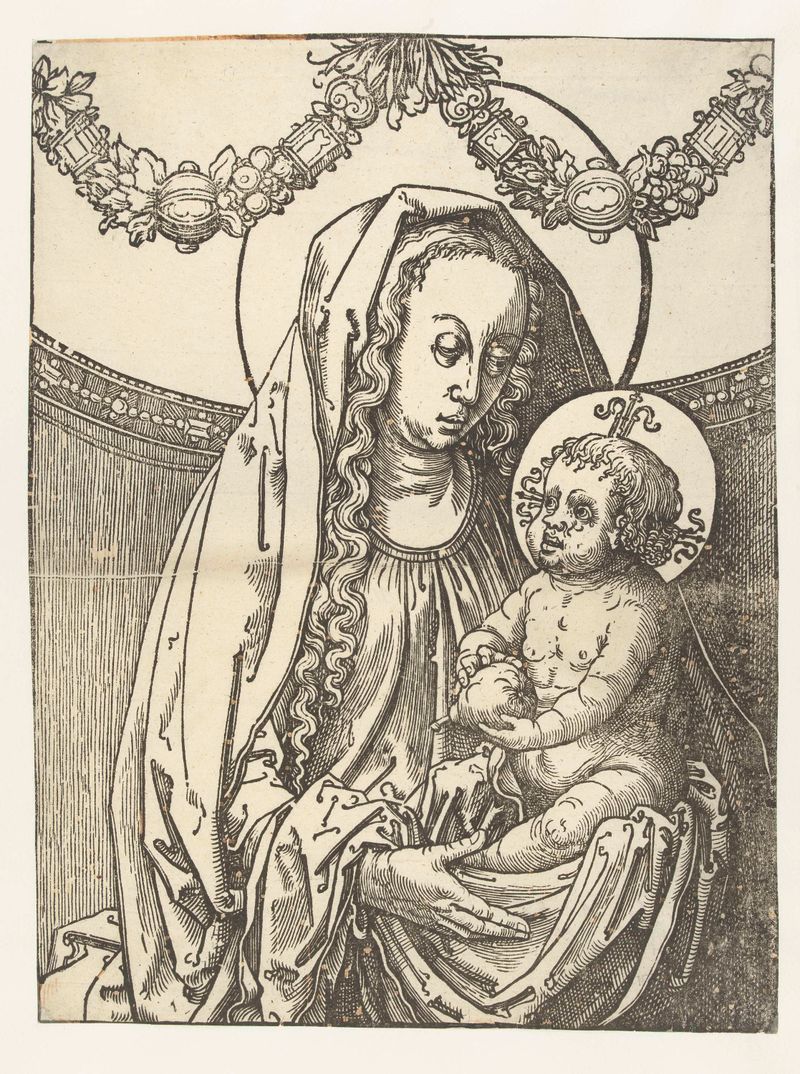
What if silence could speak through light? In Madonna op de maansikkel, this profound stillness resonates, capturing an ethereal moment imbued with celestial tranquility. Focus on the figure of the Madonna, seated gracefully on the crescent moon, her serene expression and tender gaze directing your attention. Notice how the luminous drapery encircles her, glowing softly against the meticulously detailed background. The interplay of warm golds and cool blues not only emphasizes her divine presence but also evokes a sense of calm and reverence.
Each brushstroke seems to invite the viewer closer, as if to share in the hush of the moment. Delve deeper into the symbolism around her; the crescent moon suggests purity and new beginnings, while the delicate flowers at her feet signify innocence and grace. The subtle contrast between the Madonna's tranquility and the intricate depictions of the surrounding elements reveals an underlying tension between the celestial and earthly realms, hinting at the complexities of faith and divine motherhood. This juxtaposition encourages introspection, prompting viewers to reflect on their own spiritual journeys amidst the silence encapsulated in the scene. Lucas van Leyden created this work in 1523 during a period marked by the Renaissance's flourishing artistic expression in Northern Europe.
At this time, he was establishing himself as a master printmaker and painter in Leiden, where religious themes were prevalent. The artwork reflects not only his deep engagement with sacred subjects but also the broader cultural shifts toward humanism, illuminating the balance between the spiritual and the earthly in his oeuvre.
More Artworks by Lucas van Leyden
Browse all →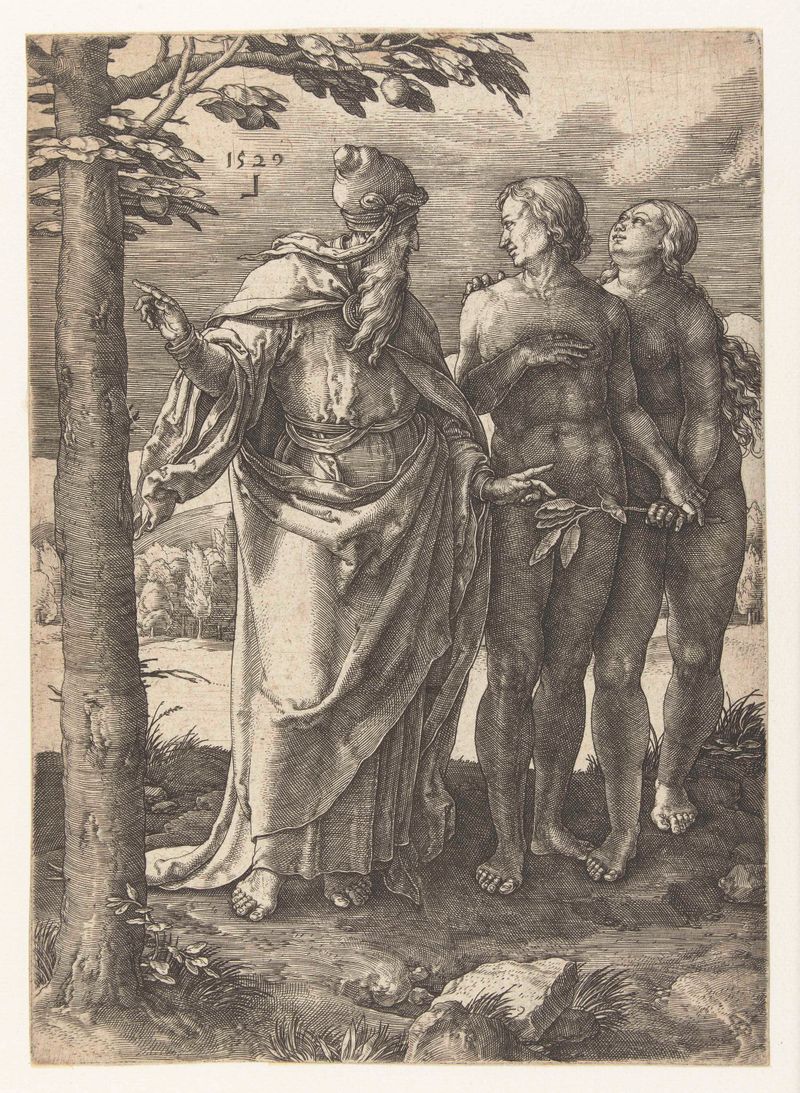
Het eerste verbod
Lucas van Leyden
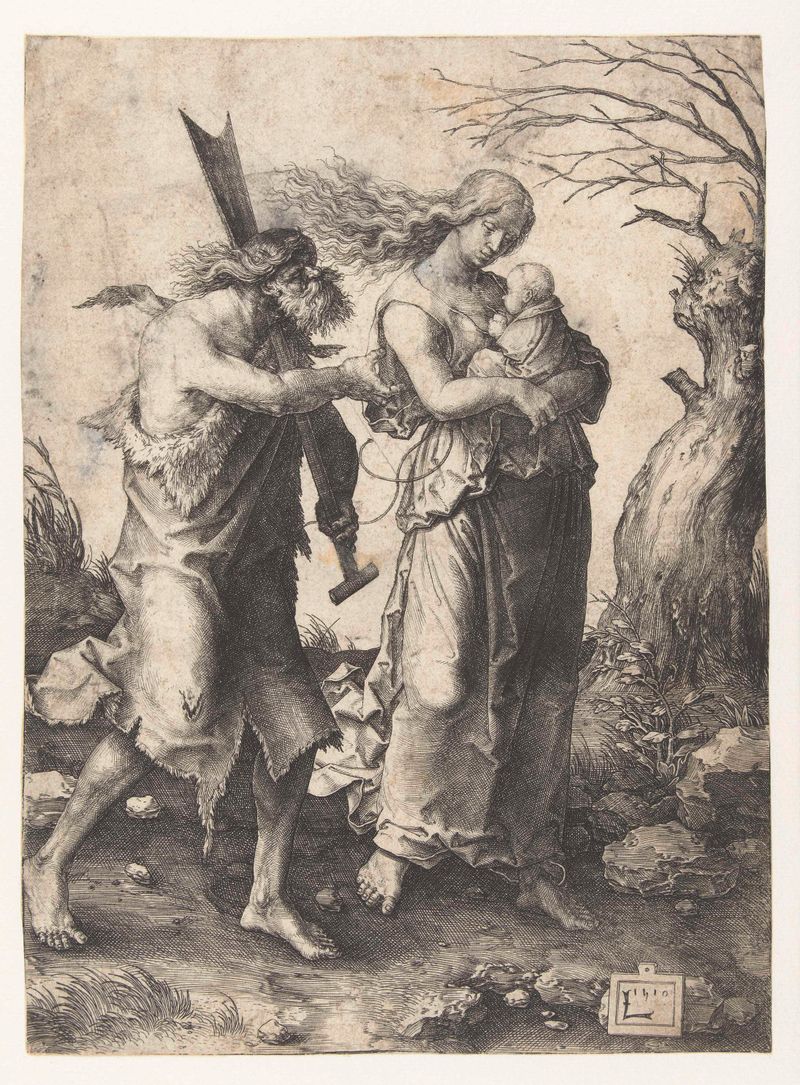
Adam en Eva na de verdrijving uit het paradijs
Lucas van Leyden
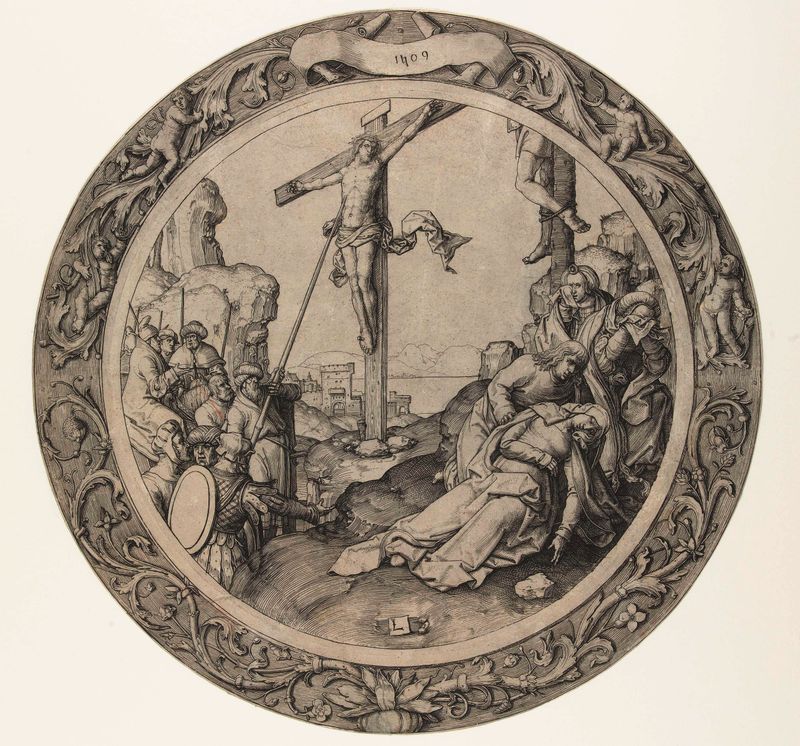
De kruisiging
Lucas van Leyden
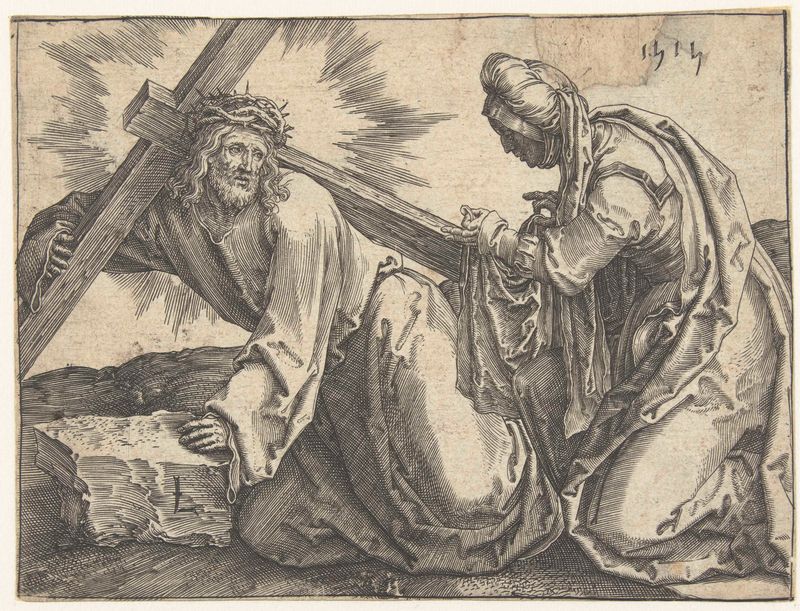
Kruisdraging
Lucas van Leyden
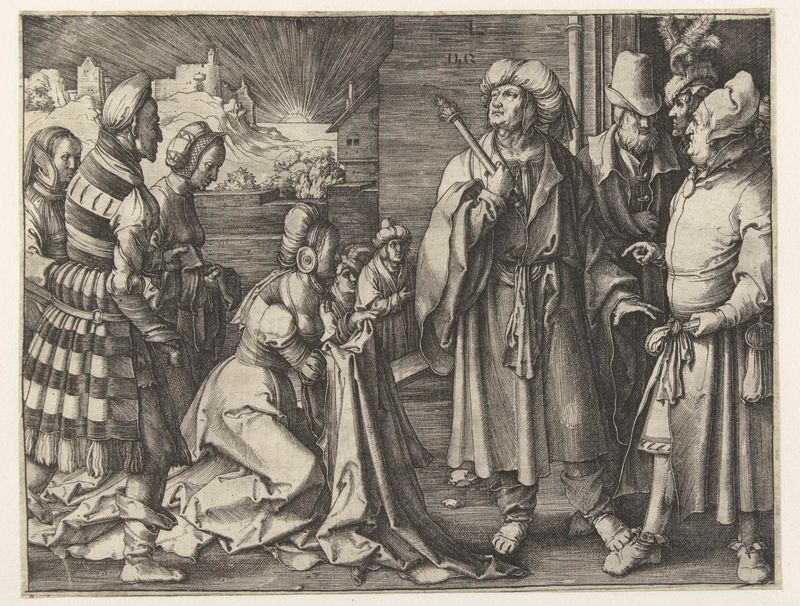
De vrouw van Potifar beschuldigt Jozef
Lucas van Leyden
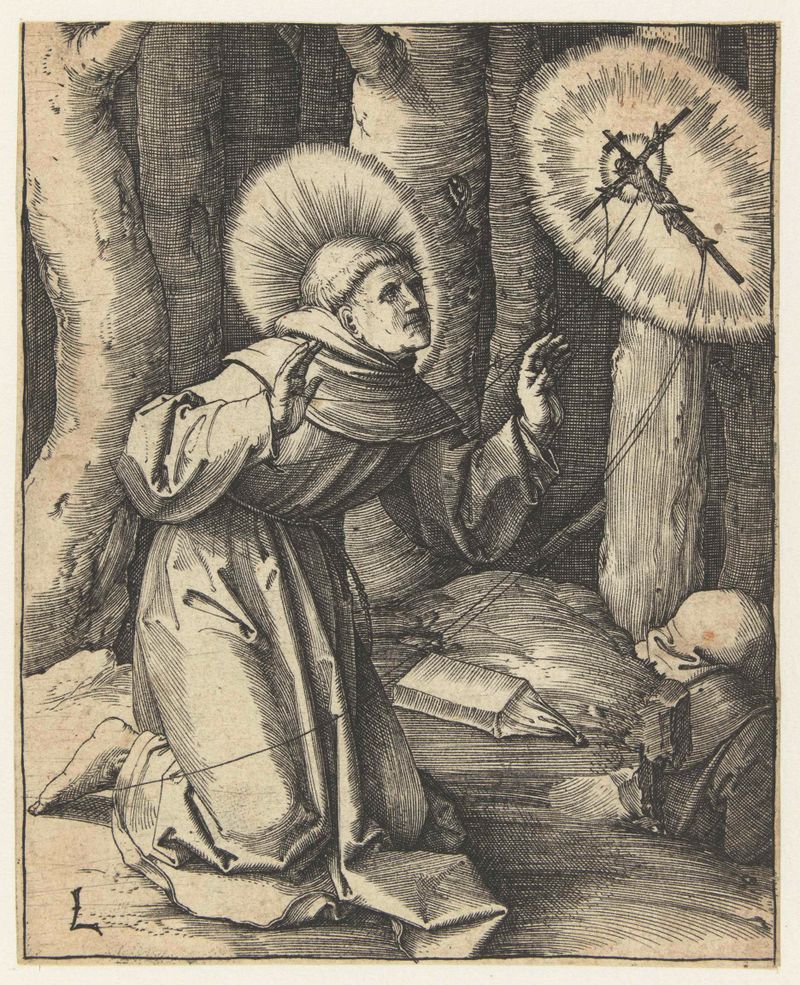
De stigmatisatie van de heilige Franciscus
Lucas van Leyden
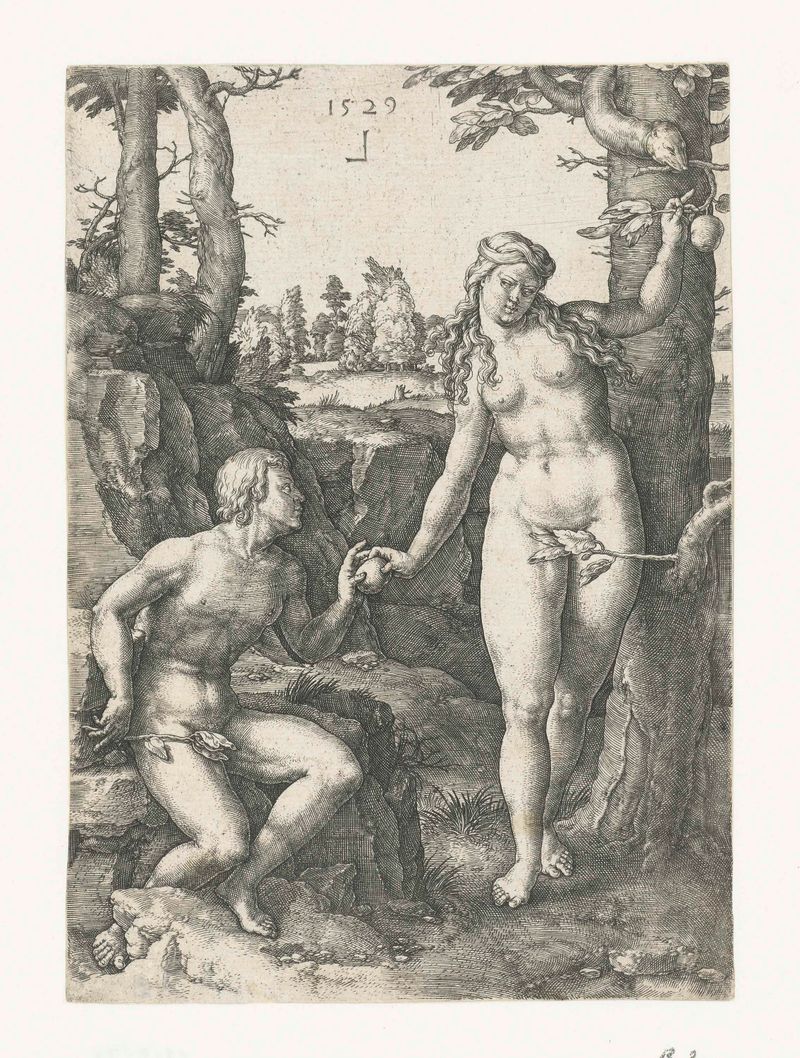
De zondeval
Lucas van Leyden
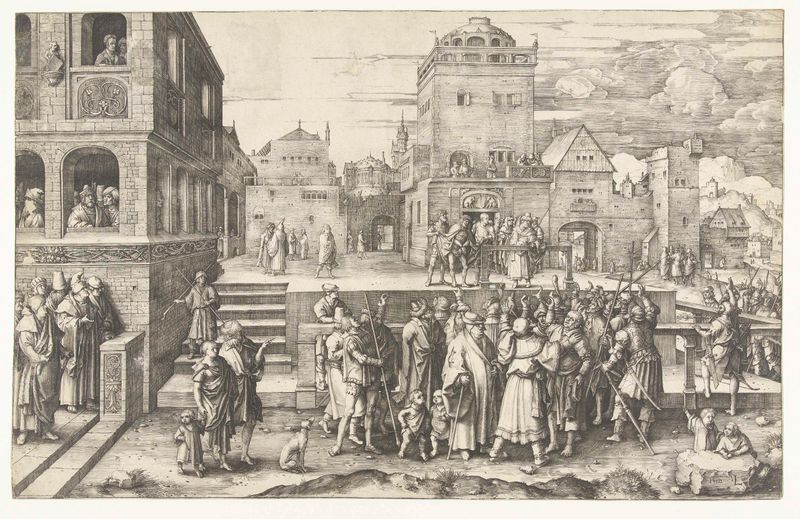
De grote Ecce Homo
Lucas van Leyden
Maria met kind
Lucas van Leyden

Doornenkroning
Lucas van Leyden
More Religious Art
Browse all →
The Return of the Prodigal Son
Rembrandt van Rijn

The Garden of Earthly Delights
El Bosco

Count Orgaz’ funeral
El Greco

The Hundred Guilder Print: the central piece with Christ preaching, the plate arched
Rembrandt van Rijn

The Descent from the Cross
Rogier van der Weyden

The return of the prodigal son
Rembrandt van Rijn