
Magdalene Grieving over the Body of Christ — History & Facts
The first thing that seizes the viewer in Magdalene Grieving over the Body of Christ is the raw, almost physical weight of sorrow. The artist, Arnold Böcklin, chooses not to dramatize the moment with angels or grand gestures, but instead lets silence and stillness speak. Mary Magdalene’s hand shields her eyes, her mouth open in a silent cry, while the veil’s dark folds seem to both shroud and expose her grief.
The body of Christ, pale and heavy, lies before her, his head turned gently toward the viewer, the marble slab beneath him cold and unyielding. The palette is subdued, nearly monochrome, amplifying the sense of loss and finality; the only warmth comes from Magdalene’s hair and flesh, making her grief feel almost unbearably human. Created in 1867, this work stands at a crossroads of tradition and innovation in European art. The mid-19th century saw artists wrestling with the legacy of academic religious painting while searching for new, more psychological forms of expression.
Böcklin, known for his Symbolist tendencies, brings an unusual intimacy and restraint to this biblical subject, focusing on the aftermath rather than the miracle. Such paintings were often commissioned for private devotion or as meditative statements on mortality and redemption, but history has kept few traces of this particular work’s early journey. Today, it resides in the collection of the Kunstmuseum Basel, where its quiet drama invites viewers to linger over the tension between despair and hope, and to find their own meaning in the shadows and light.
More Artworks by Arnold Böcklin

Die Toteninsel III
Arnold Böcklin
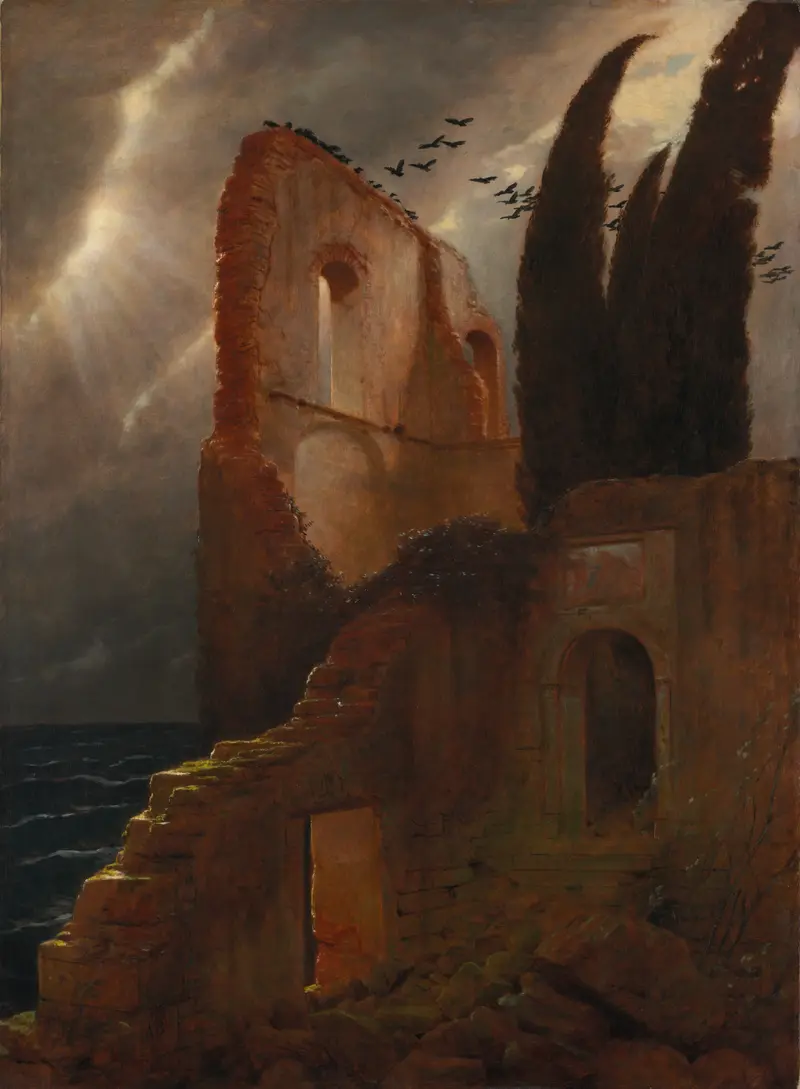
Ruin by the Sea
Arnold Böcklin
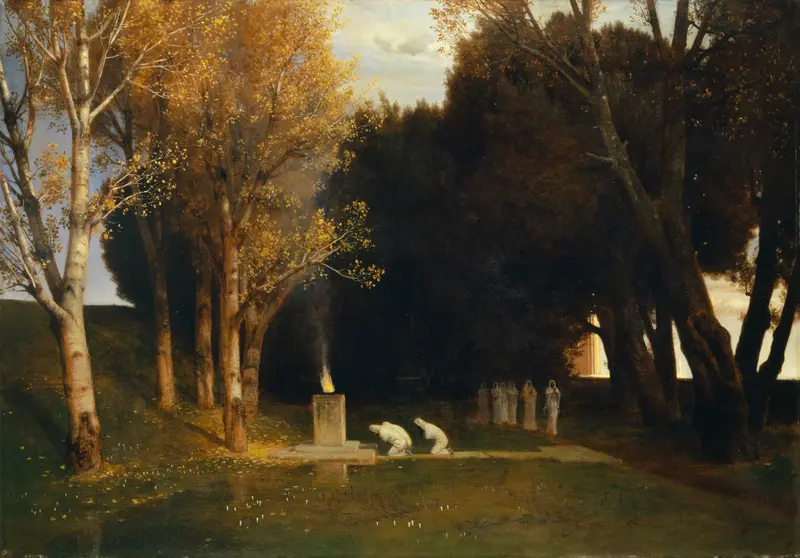
The Sacred Grove
Arnold Böcklin
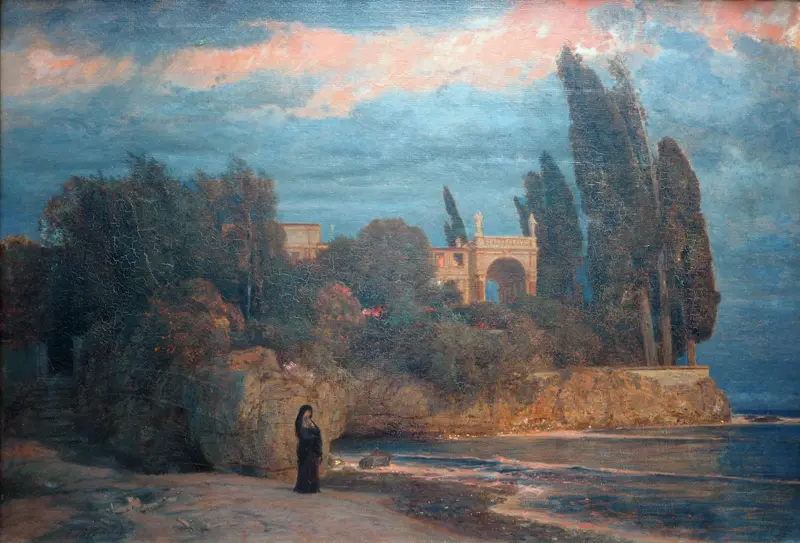
Villa by the Sea
Arnold Böcklin
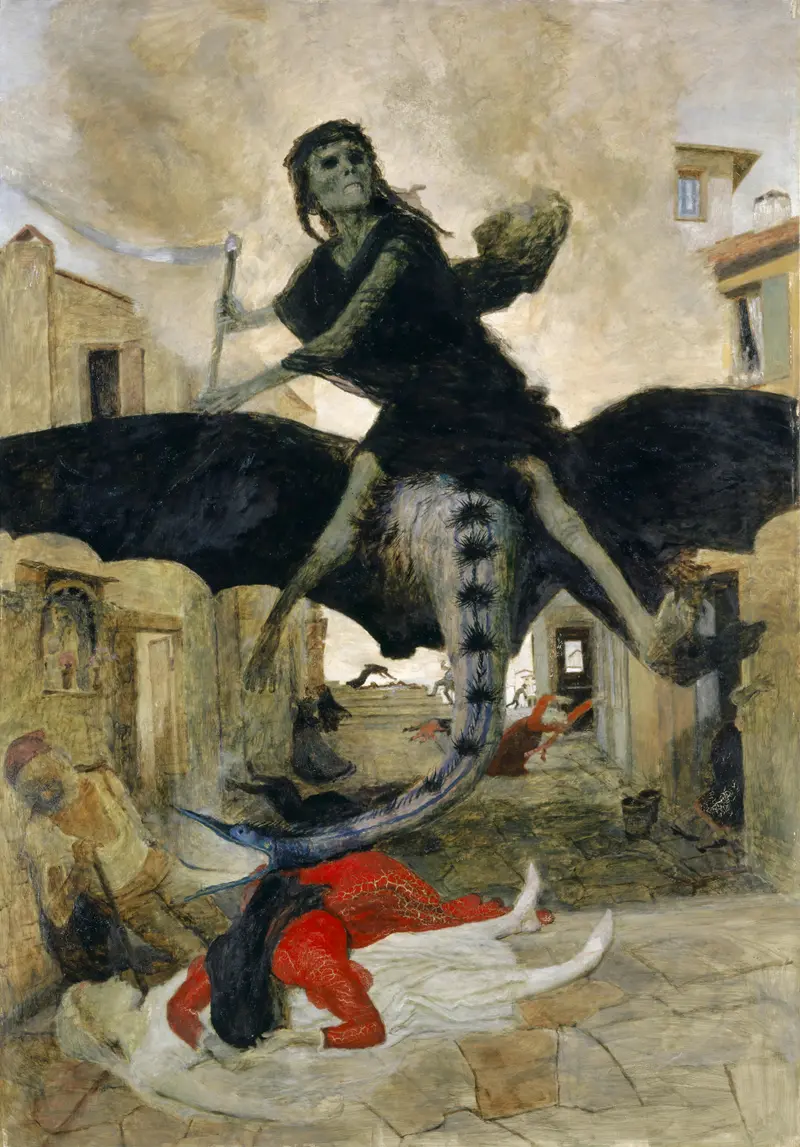
The Plague
Arnold Böcklin
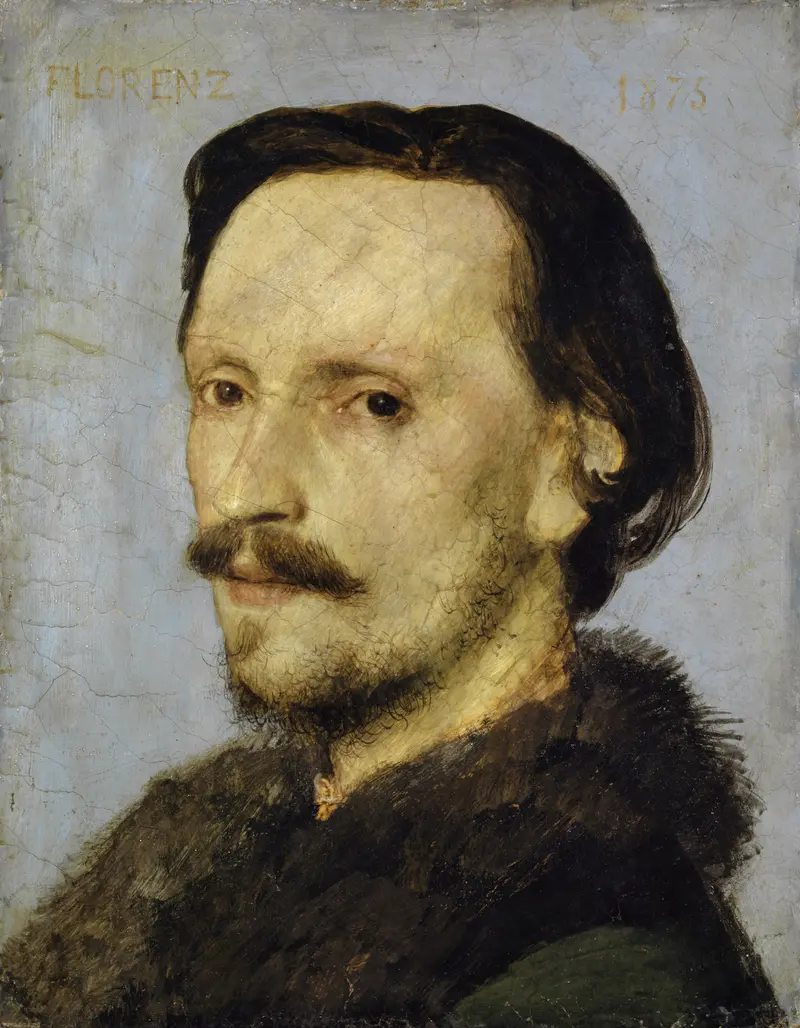
Böcklin Bildnis des Kunsthistorikers Adolph Bayersdorfer, 1875
Arnold Böcklin
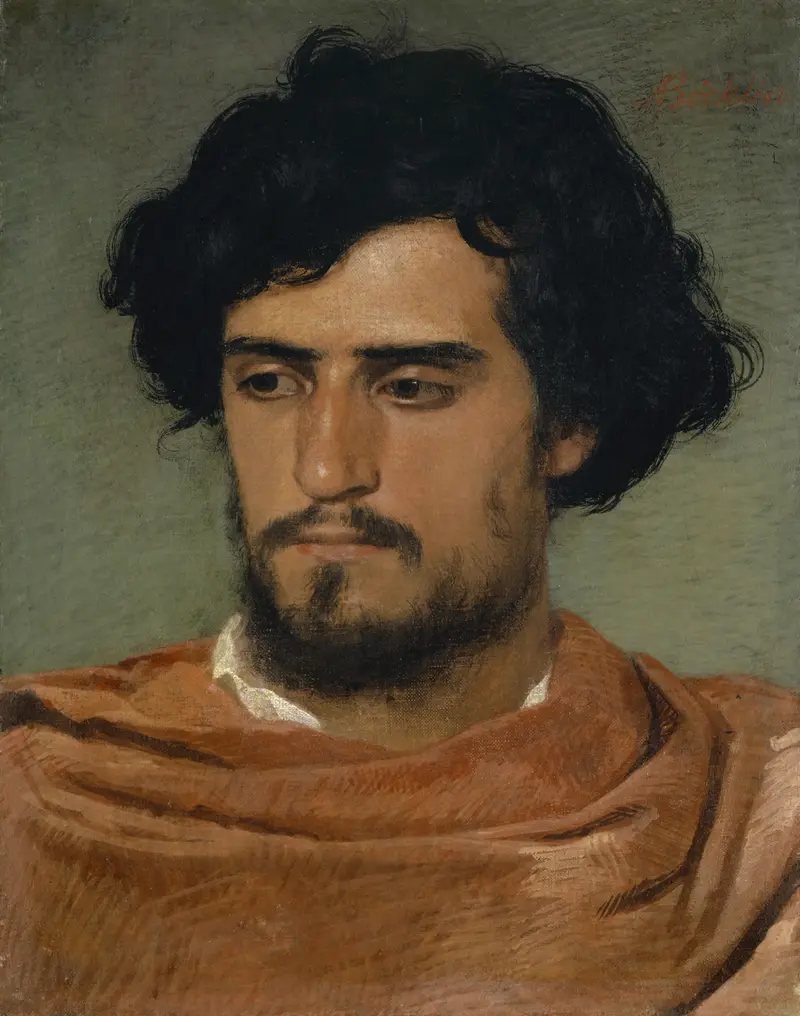
Head of a Roman
Arnold Böcklin
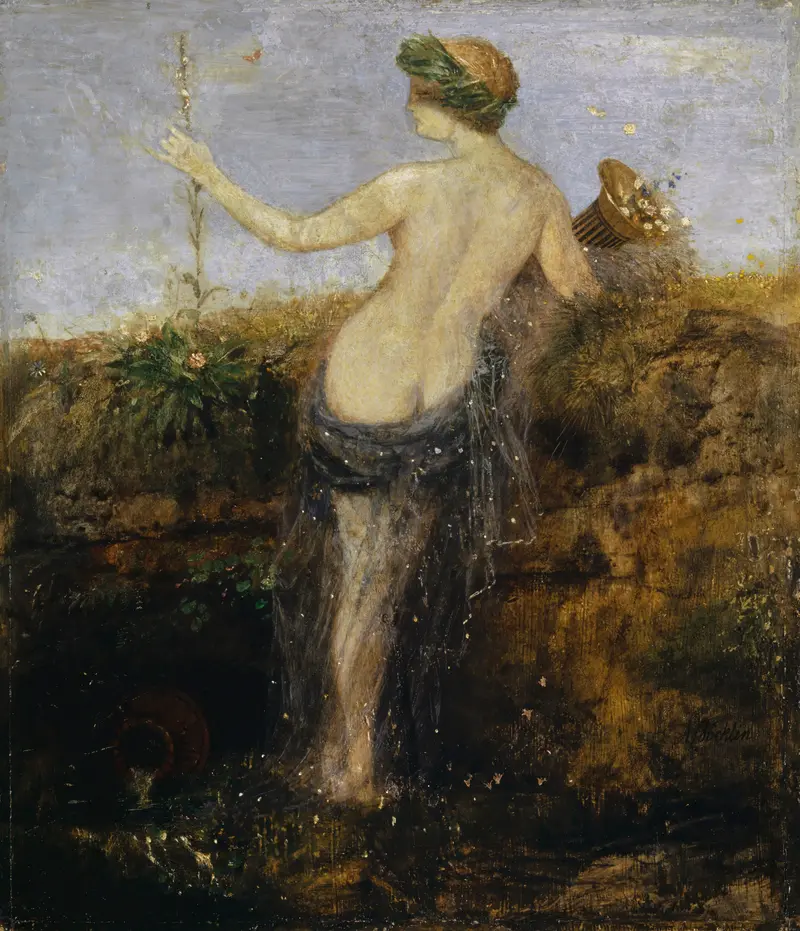
Nymphe with Horn of Plenty
Arnold Böcklin
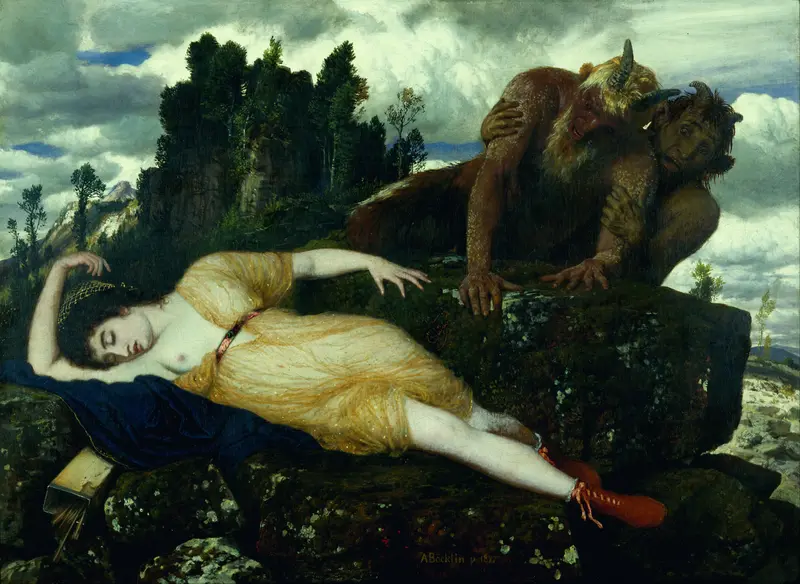
Sleeping Diana Watched by Two Fauns
Arnold Böcklin
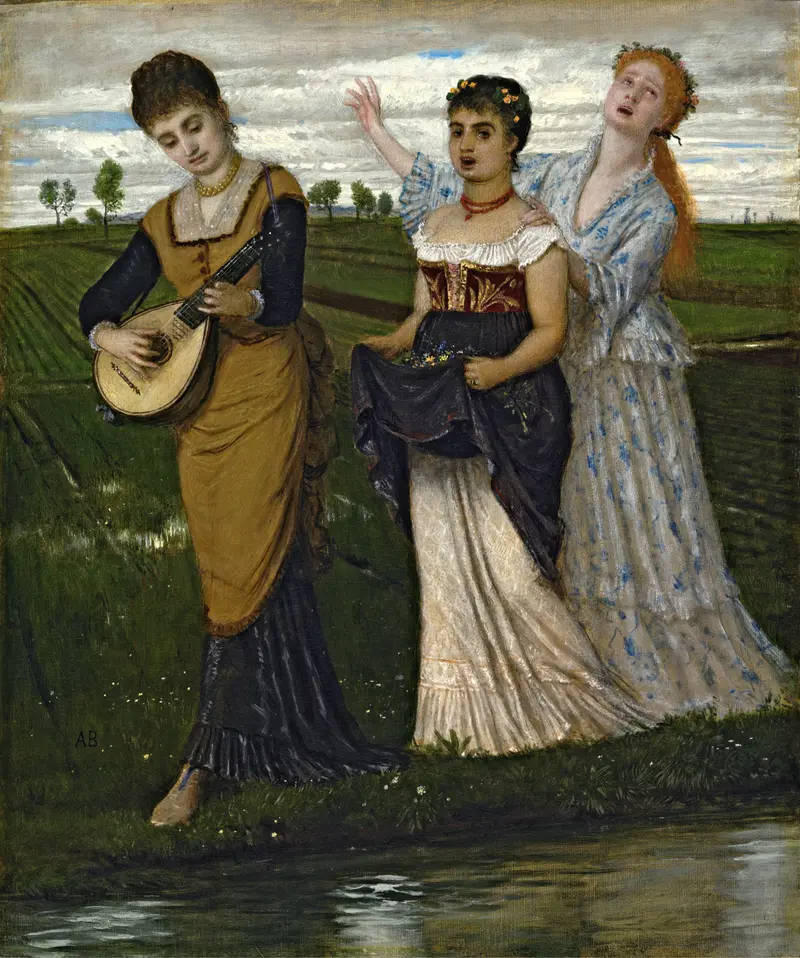
Spring (Songs of Spring)
Arnold Böcklin





