
Maison à Hérisson — History & Facts
Can beauty exist without sorrow? In Maison à Hérisson, a quiet house stands solitary against an expansive sky, embodying both tranquility and an unsettling emptiness. Look to the left at the sturdy structure, its muted browns and grays contrasting with the vibrant blue overhead. Notice how the subtle brushwork of the clouds creates a soft, dynamic movement, drawing the eye upward and evoking a sense of yearning for something beyond the horizon. The foreground is a gentle tapestry of greens, yet the absence of vibrant life gives the scene an air of melancholy, emphasizing the isolation of the house at the center. The painting speaks to the tension between nature and human presence, suggesting both refuge and abandonment.
The way the house is framed by the surrounding landscape invites contemplation of its history—who lived there, and what stories linger in its walls? This interplay of solitude and beauty evokes a poignant feeling of nostalgia, as if the viewer is caught in the stillness of a moment before change. Created in 1876, during a period of personal reflection for the artist, Maison à Hérisson illustrates Harpignies's transition to capturing landscapes that resonate with emotional weight. At this time, he was exploring the interplay of light and composition, moving away from strictly representational art into a realm of deeper introspection, paralleling broader movements in the world of art.
More Artworks by Henri-Joseph Harpignies
Browse all →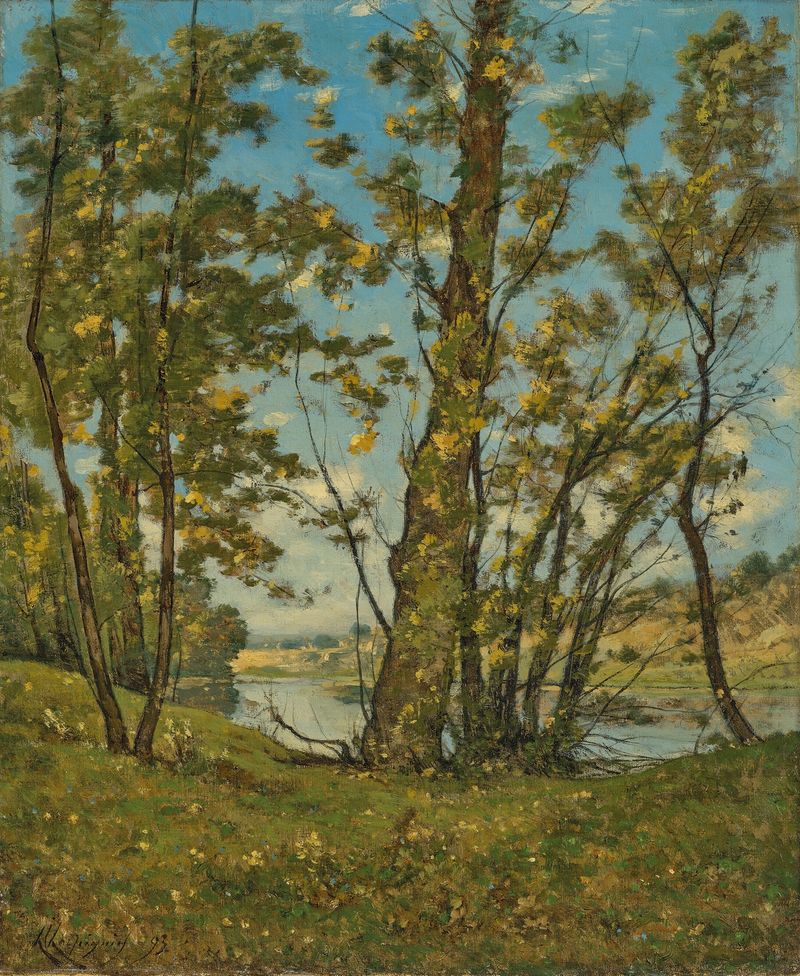
La Loire à Bonny
Henri-Joseph Harpignies
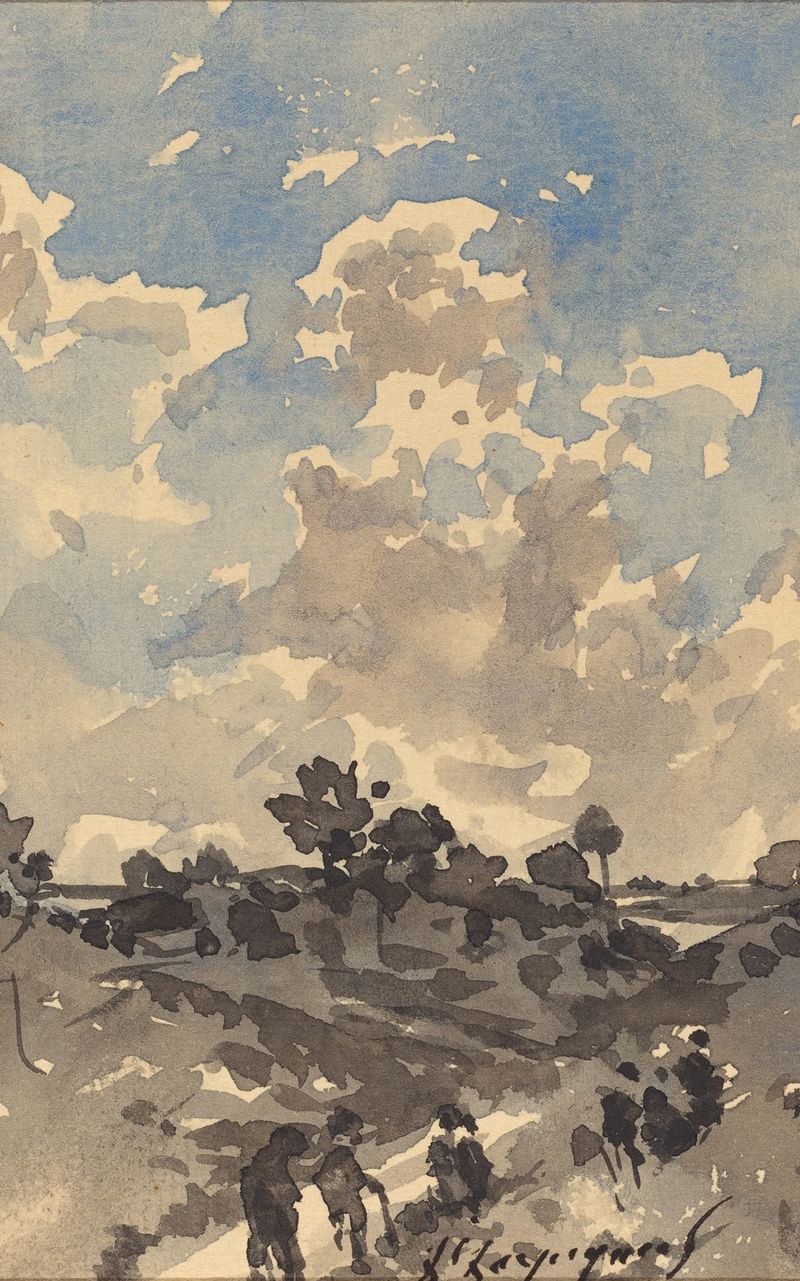
A Landscape with Figures Walking along a Path
Henri-Joseph Harpignies
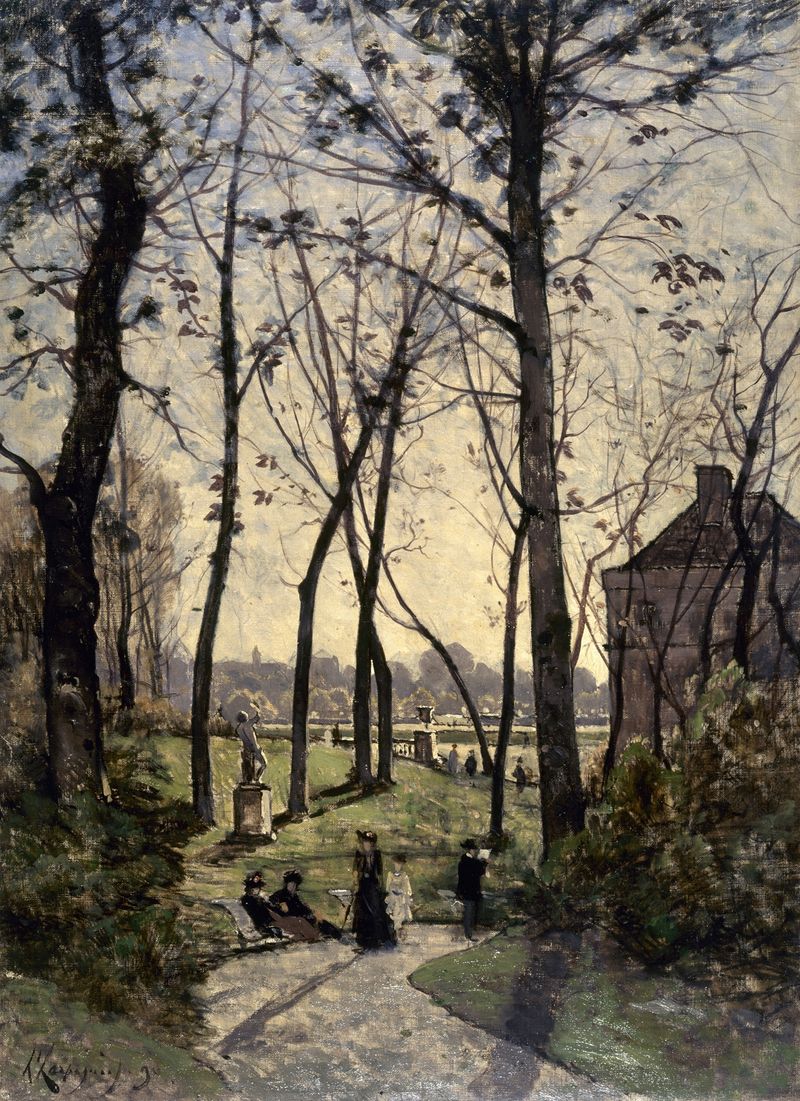
Le jardin du Luxembourg
Henri-Joseph Harpignies
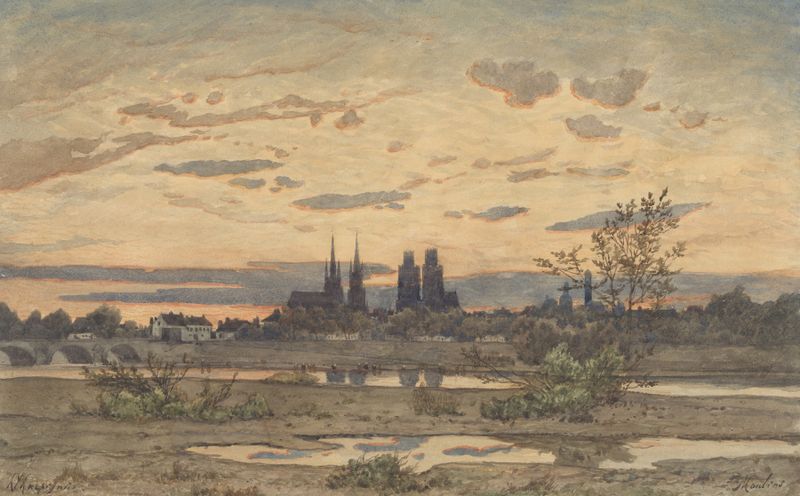
A View of Moulins
Henri-Joseph Harpignies
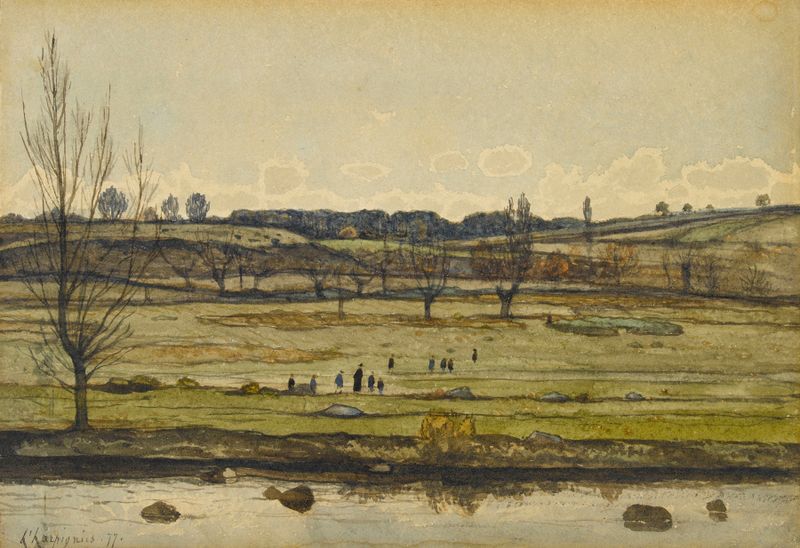
Paysage
Henri-Joseph Harpignies
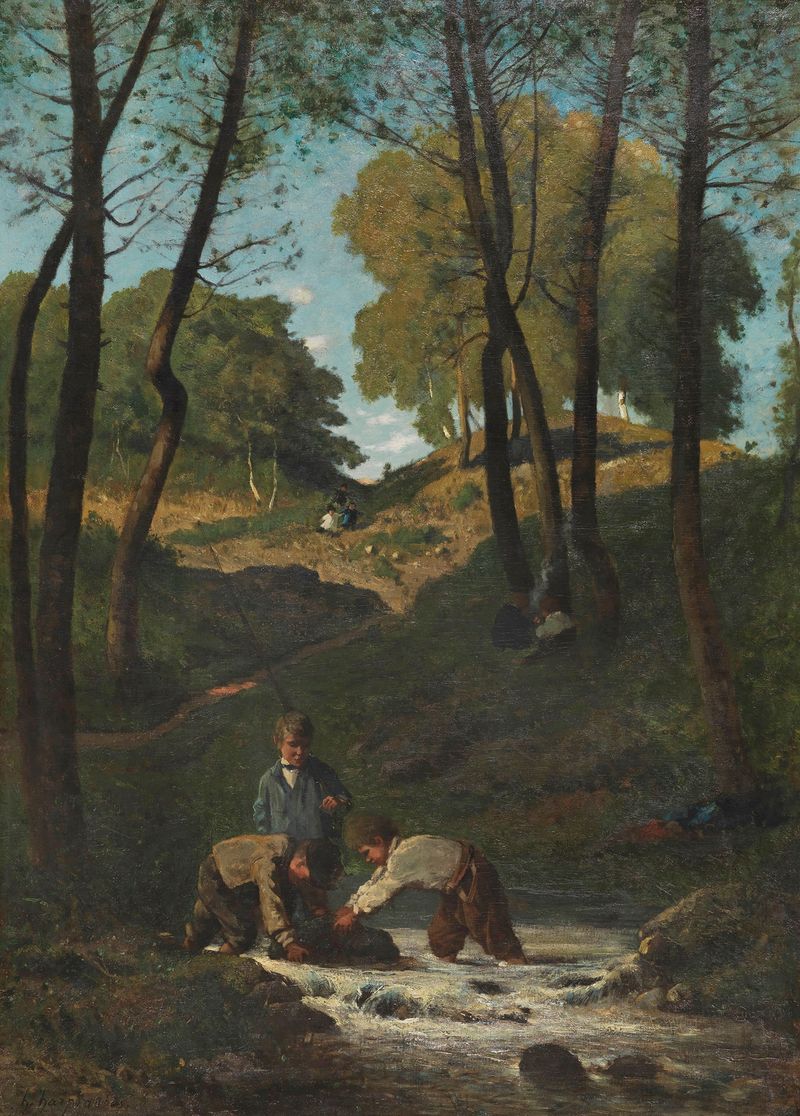
Chercheurs d’écrevisses
Henri-Joseph Harpignies
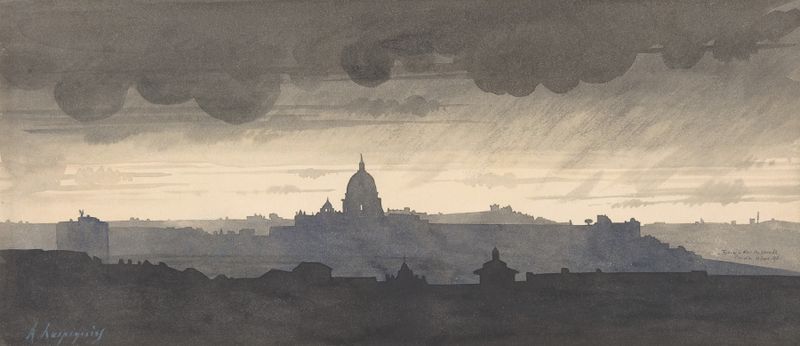
Saint Peter’s Seen From the Pincio, Rome
Henri-Joseph Harpignies
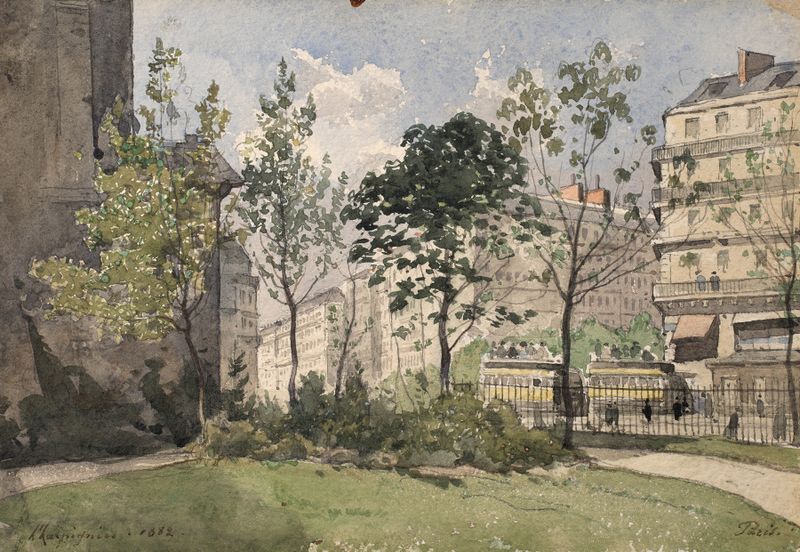
View of the forecourt of the Saint-Germain-des-Prés church
Henri-Joseph Harpignies
Le Colisée à Rome
Henri-Joseph Harpignies

Villefranche
Henri-Joseph Harpignies





