
Man en vrouw begraven een dode — History & Facts
Is this a mirror — or a memory? In Man en vrouw begraven een dode, the viewer is invited to confront the delicate balance between life and death, evoking a profound reflection on mortality and human connection. Focus on the two figures at the center, poised in solemn cooperation as they inter the deceased. The sharp contrast of their dark clothing against the earthy browns of the grave creates a striking visual tension, drawing your eye immediately. Notice how the soft light illuminates their faces, revealing expressions of grief intertwined with resolve.
The subtle details, such as the intertwining hands and the careful placement of soil, epitomize the fragile harmony of love, loss, and duty. Delve deeper into the emotional undercurrents of the piece. The positioning of the figures creates a sense of balance — not only in their physical engagement with the act of burial but also in their emotional world. This juxtaposition of sorrow and acceptance speaks to the inevitability of death, while the entwined gestures hint at the intimate bond between the mourners.
The muted palette reinforces the weight of the moment, suggesting that remembrance and grief are forever intertwined, much like life and death itself. Created in 1534, during a period when Germany was undergoing significant changes in both society and art, the artist observed the shifting dynamics of human experience. Pencz was part of the Northern Renaissance, where an increasing emphasis on realism and emotional depth in art emerged. This work reflects both the personal and collective struggles of his time, capturing the complexity of human relationships amid the inevitability of life's transience.
More Artworks by Georg Pencz
Browse all →
Parabel van de zaaier
Georg Pencz

Parabel van de arbeiders in de wijngaard
Georg Pencz
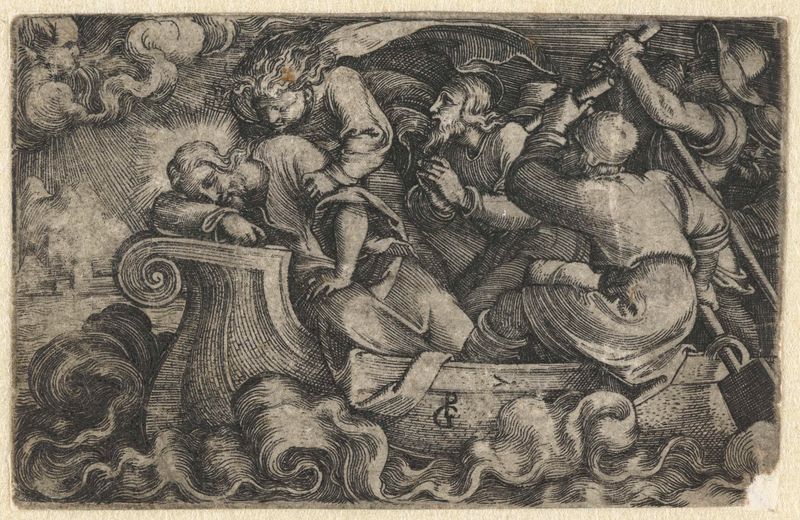
Discipelen wekken slapende Christus tijdens storm op Meer van Galilea
Georg Pencz

Afgunst (Invidia)
Georg Pencz
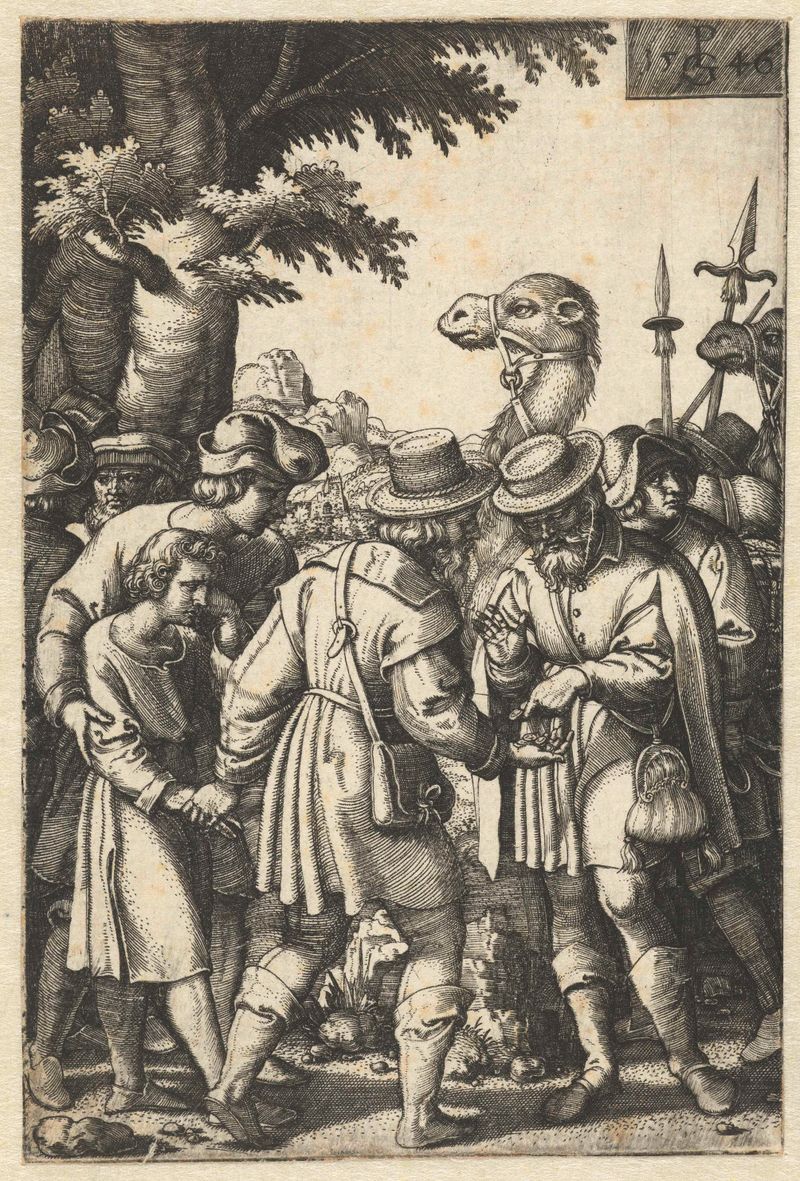
Jozef wordt verkocht aan kooplieden op weg naar Egypte
Georg Pencz

Aanbidding der koningen
Georg Pencz
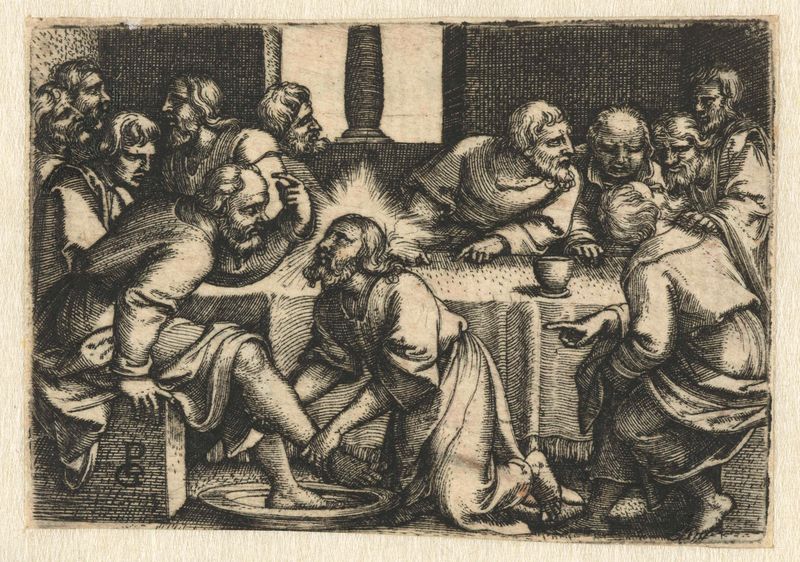
Petrus protesteert als Christus zijn voeten wast
Georg Pencz
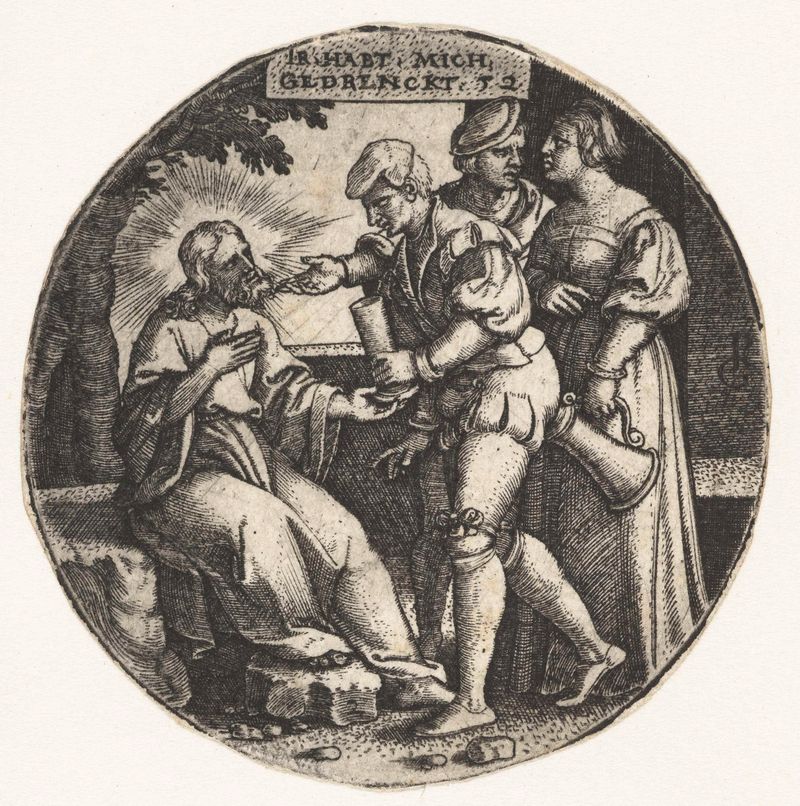
Christus heeft dorst en krijgt drinken aangeboden
Georg Pencz
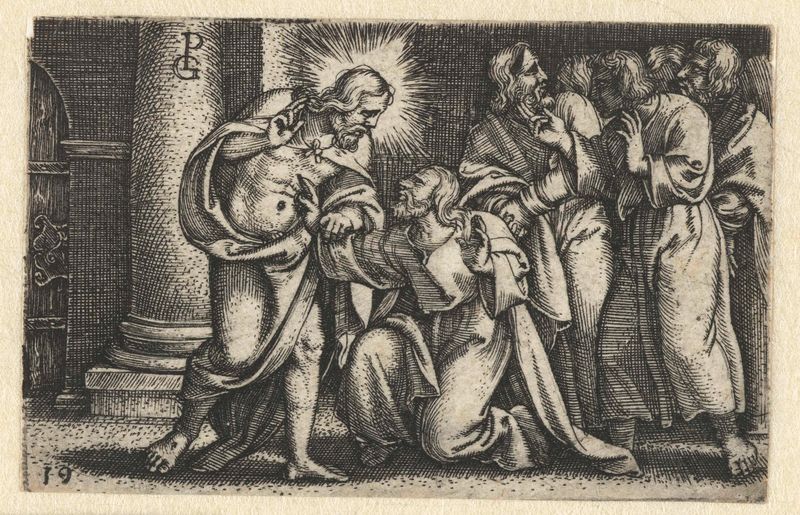
Ongelovige Thomas raakt wonden Christus aan
Georg Pencz

Offer van Abraham van Isaak
Georg Pencz
More Historical Art
Browse all →
The Night Watch Militia Company of District II under the Command of Captain Frans Banninck Cocq
Rembrandt van Rijn

Lincoln Memorial
Henry Bacon

The Third of May 1808
Francisco de Goya

Isaac and Rebecca, Known as ‘The Jewish Bride’
Rembrandt van Rijn

The Charge of the Mamelukes (1814)
Francisco de Goya

De vier ruiters van de apocalyps
Albrecht Dürer