
Man sprokkelt hout op dag des Heren — History & Facts
In the solitude of a laborer's toil, time stretches thin, echoing the quiet ache of existence. Each splinter of wood reveals the weight of isolation, as the figure, bent over his task, becomes both part of the landscape and a silent observer of his own desolation. Look to the left at the weary laborer, his posture conveying a sense of resignation. The muted earth tones dominate the scene, with the soft hues of brown and green, enhancing the feeling of stillness.
The painter’s mastery of light subtly illuminates the rough texture of the wood and the lines of the figure’s face, emphasizing the physical toll of his work. Notice how the gentle play of shadow and light not only defines the figure but also wraps him in a cloak of solitude, reinforcing the melancholic atmosphere. Delve deeper into the painting, and you may find the tension between labor and loneliness. The man’s solitary task speaks volumes of the human condition, where the act of working can often isolate one from joy and connection.
The distant trees in the background serve as a reminder of the world beyond his toil, a world that remains just out of reach, hinting at the emotional chasm that defines his existence. Created during a time of significant artistic transition in early Renaissance Germany, the work reflects the evolving themes of individualism and the human experience. Cranach painted this piece between 1528 and 1554, a period marked by the tensions of the Reformation and a burgeoning focus on personal narratives in art. The reflection of these societal shifts is palpable in the solitary figure, capturing not just a moment in time, but a profound commentary on the solitude that can accompany human endeavor.
More Artworks by Lucas Cranach (I)
Browse all →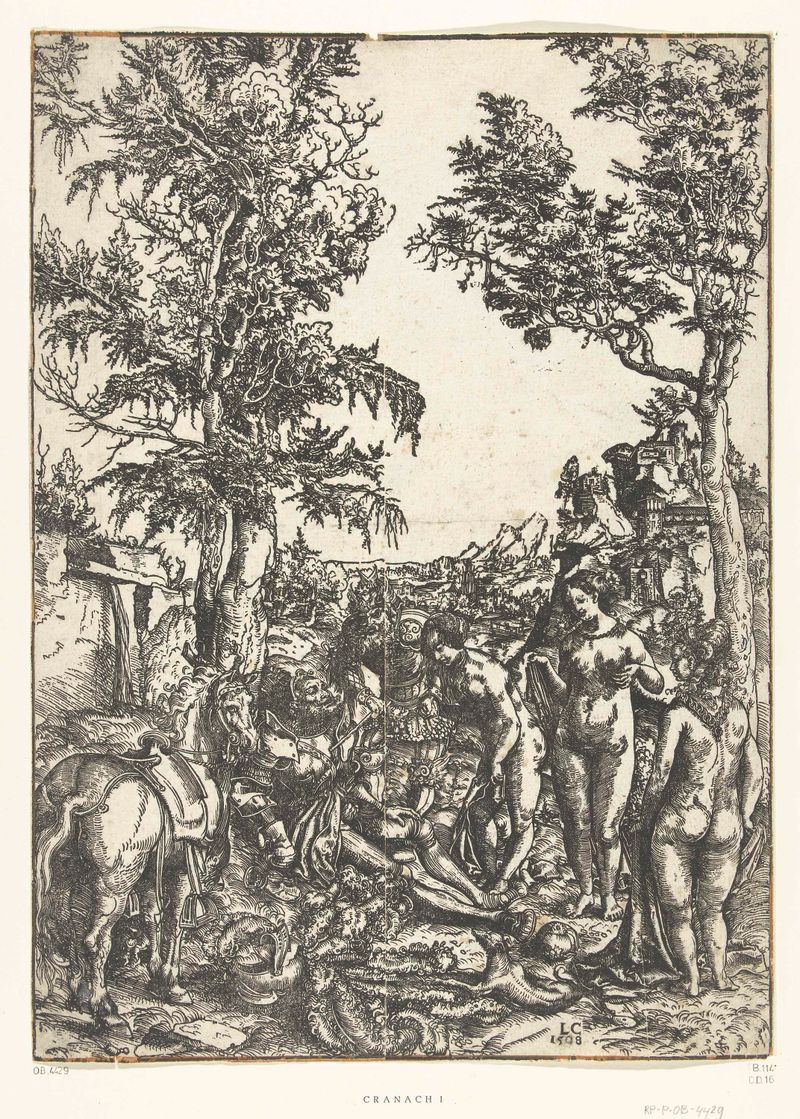
Oordeel van Paris
Lucas Cranach (I)
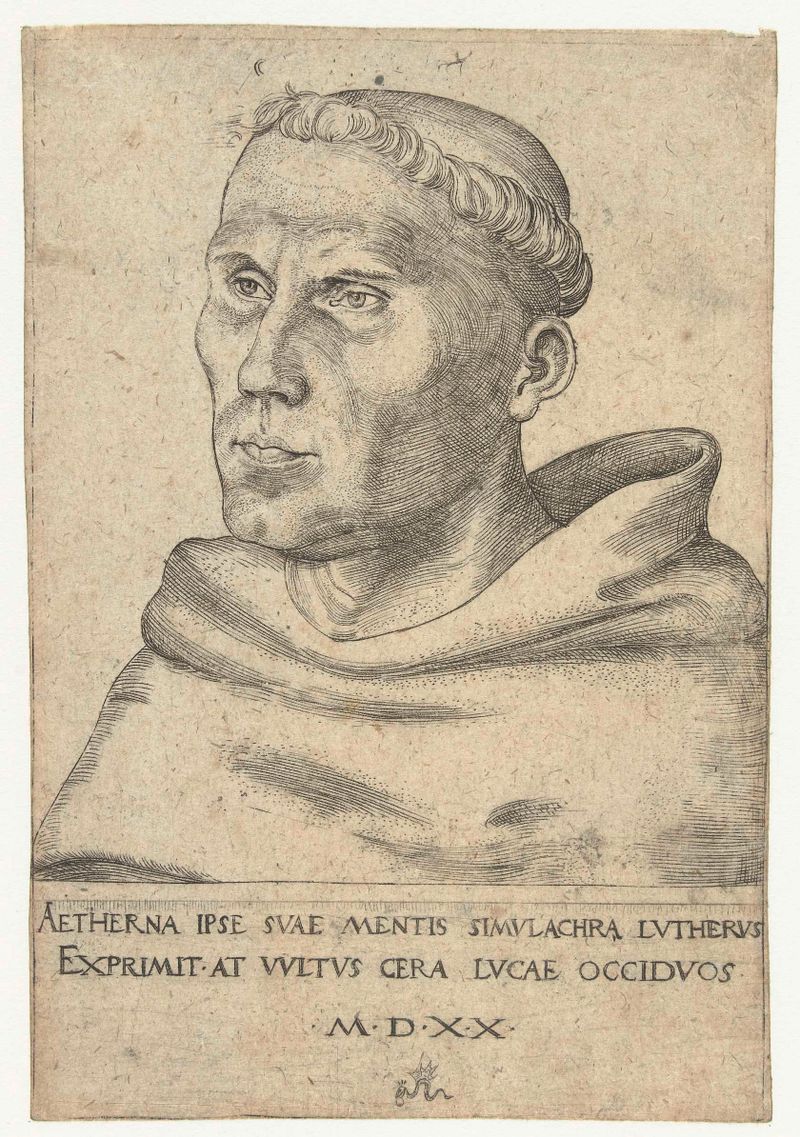
Portret van Martin Luther als Augustijner monnik
Lucas Cranach (I)
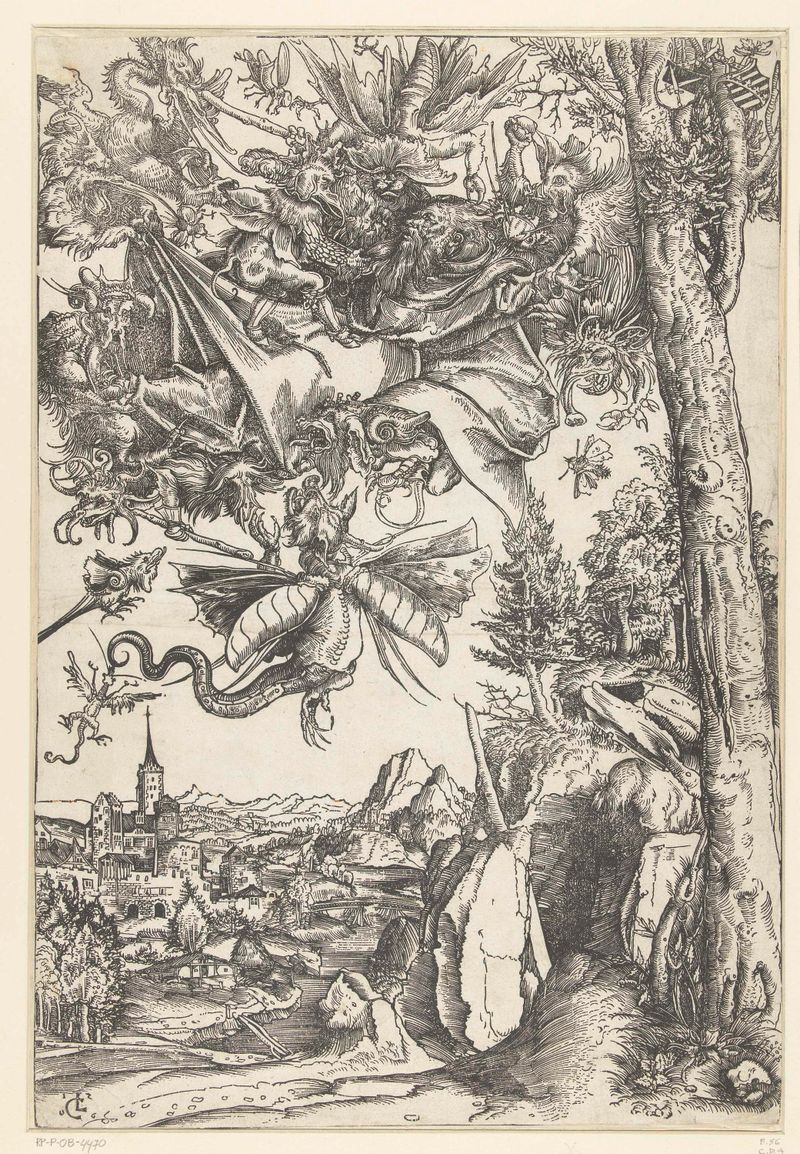
Verzoeking van Antonius met aanval door demonen
Lucas Cranach (I)

Christus en de Samaritaanse vrouw
Lucas Cranach (I)

Duits toernooi met twee edelmannen als ridders te paard
Lucas Cranach (I)
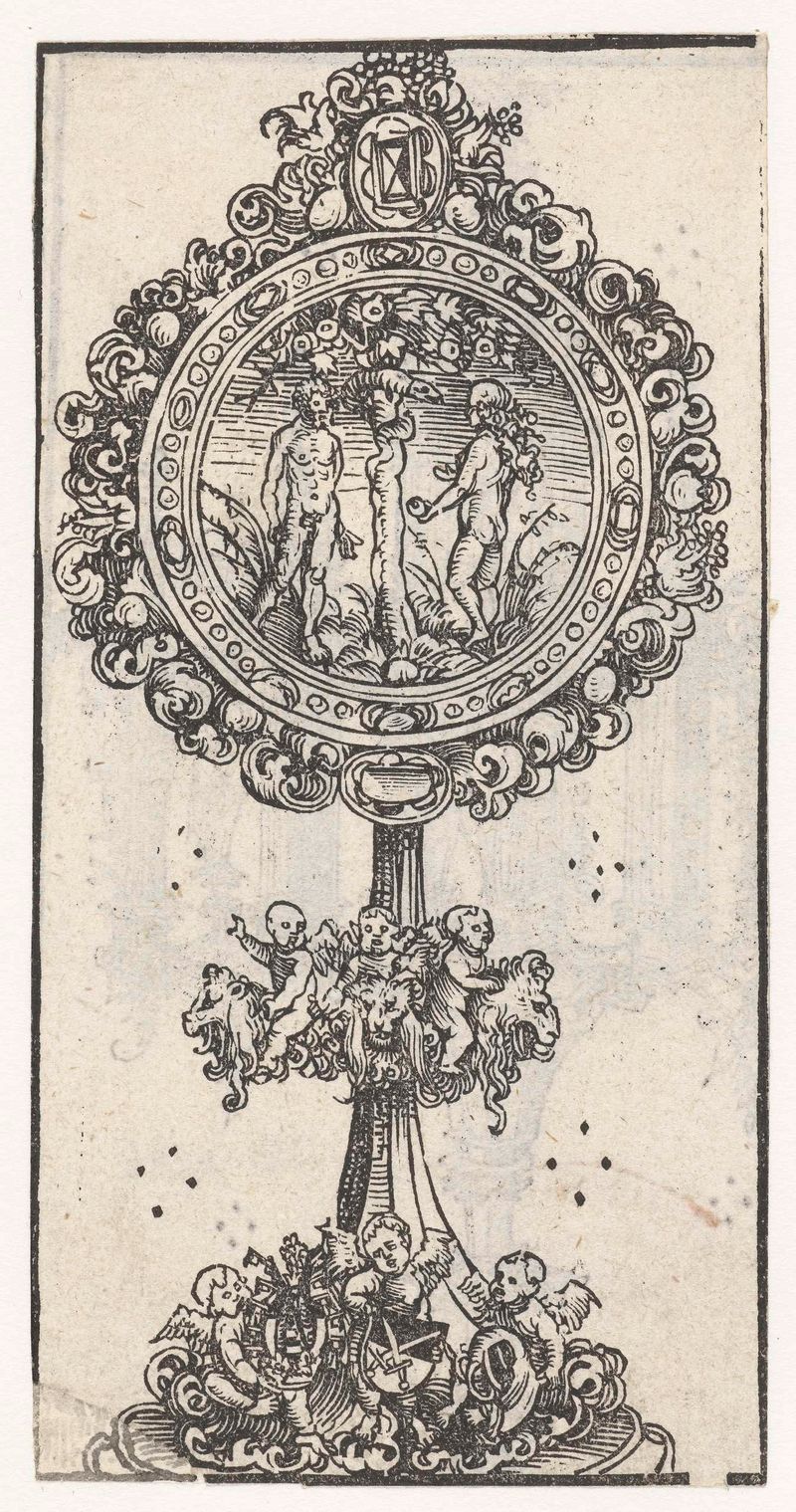
Reliekhouder met de verzoeking van Adam en Eva
Lucas Cranach (I)

Intocht van Christus in Jerusalem
Lucas Cranach (I)
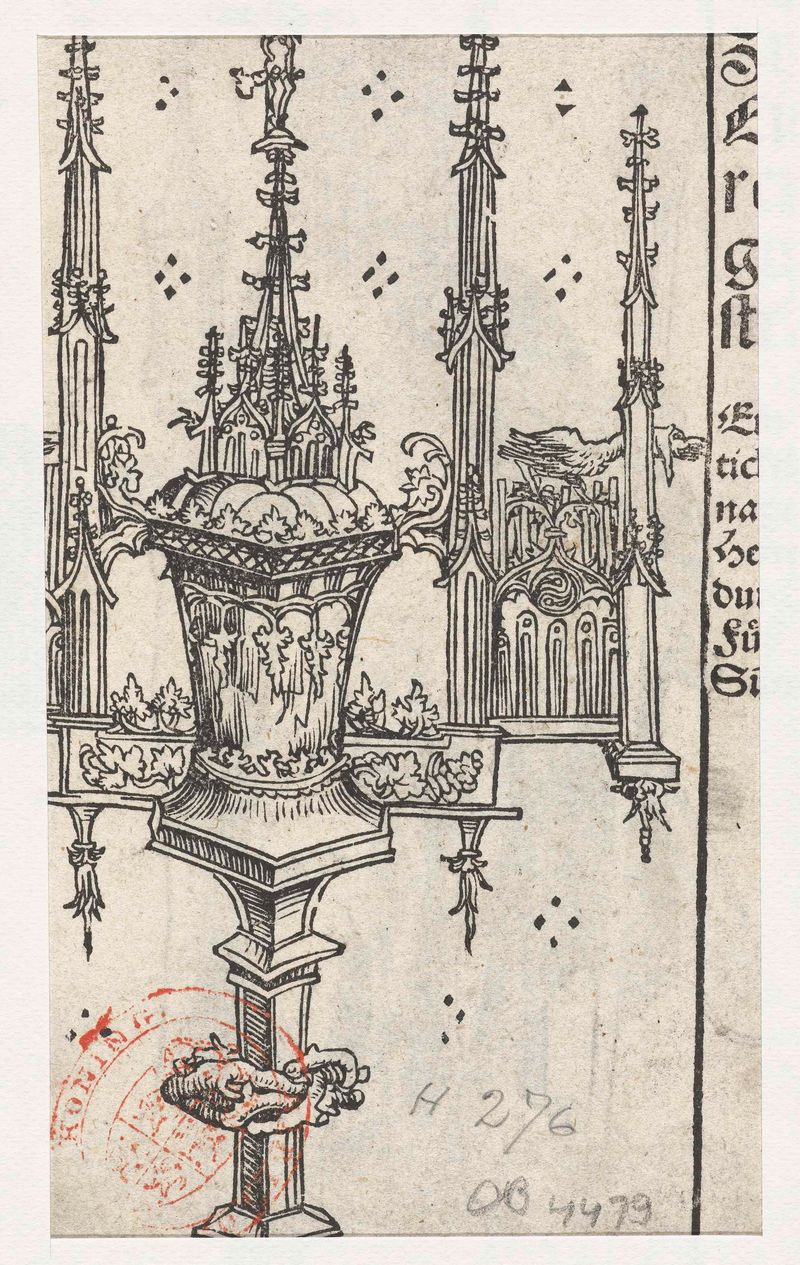
Monstrans met vogel (pelikaan)
Lucas Cranach (I)
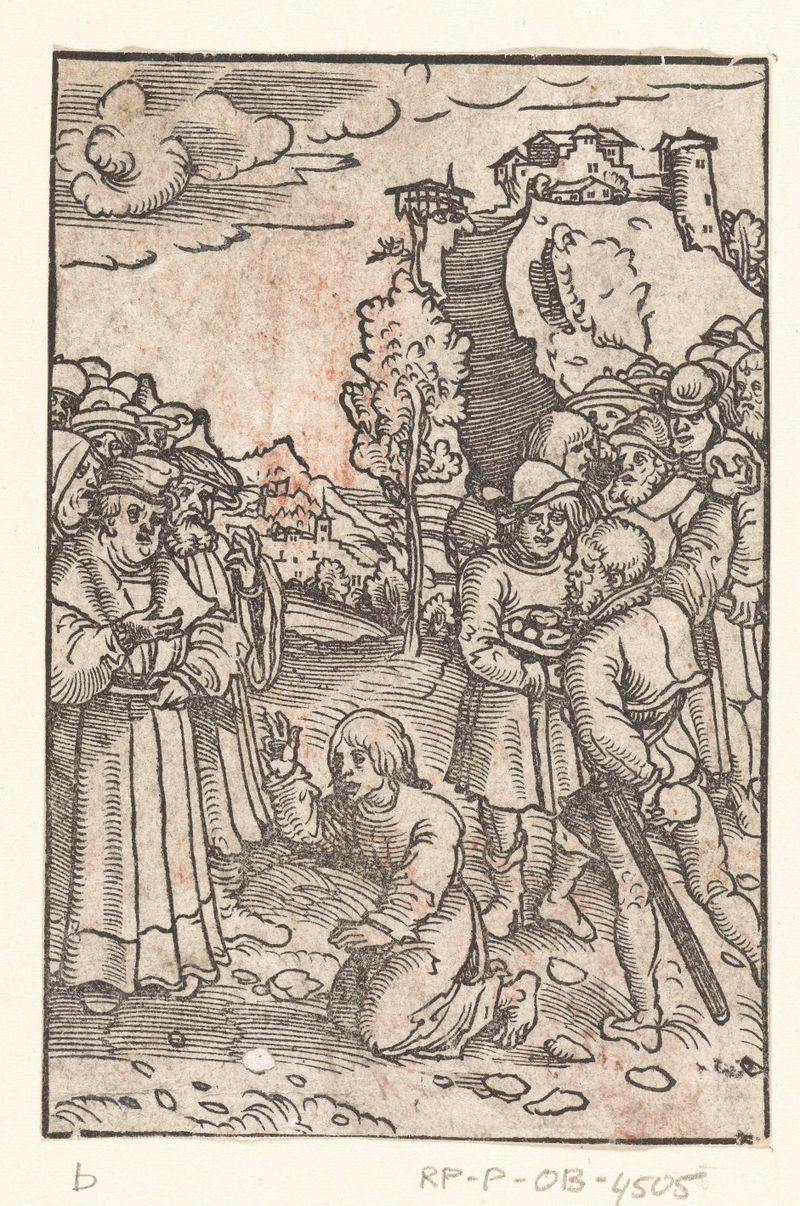
Steniging van Stefanus
Lucas Cranach (I)
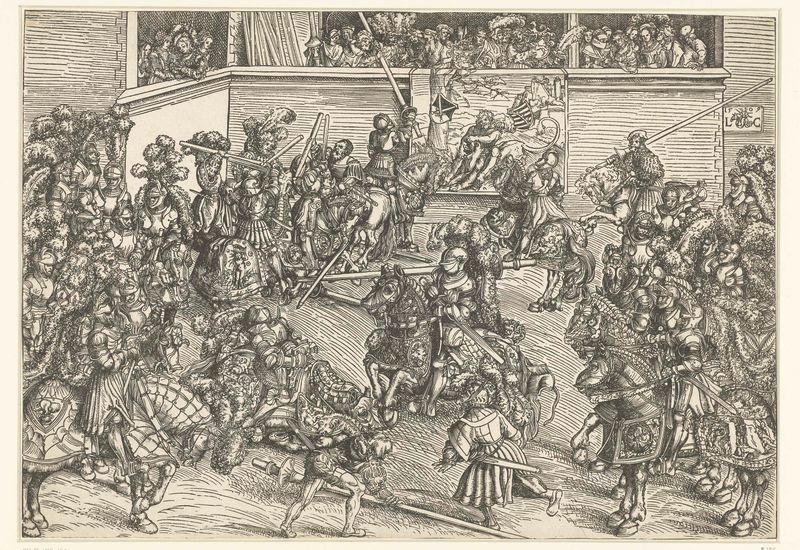
Toernooi van het keurvorstelijk hof van Saksen met wandtapijt Simson doodt de leeuw
Lucas Cranach (I)





