
Man te paard jaagt op wild zwijn — History & Facts
What if silence could speak through light? In Man te paard jaagt op wild zwijn, the interplay of vibrant hues and serene moments invites deeper contemplation of beauty's fleeting nature. Look to the left at the imposing figure of the hunter, mounted on a powerful steed, poised in an elegant arc. The rich greens of the forest surround him, contrasting sharply with the bold, earthy tones of the boar. Notice how the golden rays filter through the tree branches, illuminating the scene with a divine glow, highlighting the tension between predator and prey.
The meticulous attention to detail — from the texture of the animal's fur to the finely rendered foliage — draws the eye and confirms Cranach's masterful technique. This artwork encapsulates a medley of themes: the thrill of pursuit, the wildness of nature, and the quiet elegance inherent in the struggle for survival. The hunter's resolute gaze speaks volumes, hinting at the inner conflict between man and nature, while the boar’s tense posture suggests a moment of impending drama. Each brushstroke conveys not just action, but the beauty found within the hunt, a duality of life and death that resonates with the viewer. Created during the early 16th century in Wittenberg, this period marked a transformative era in the art world, as Cranach became a prominent figure in the Northern Renaissance.
The artist was not only a skilled painter but also a court painter to Martin Luther, intertwining his art with the burgeoning Reformation. Amidst this cultural upheaval, he captured the essence of both beauty and humanity's struggles through his vivid depictions of nature and narrative.
More Artworks by Lucas Cranach (I)
Browse all →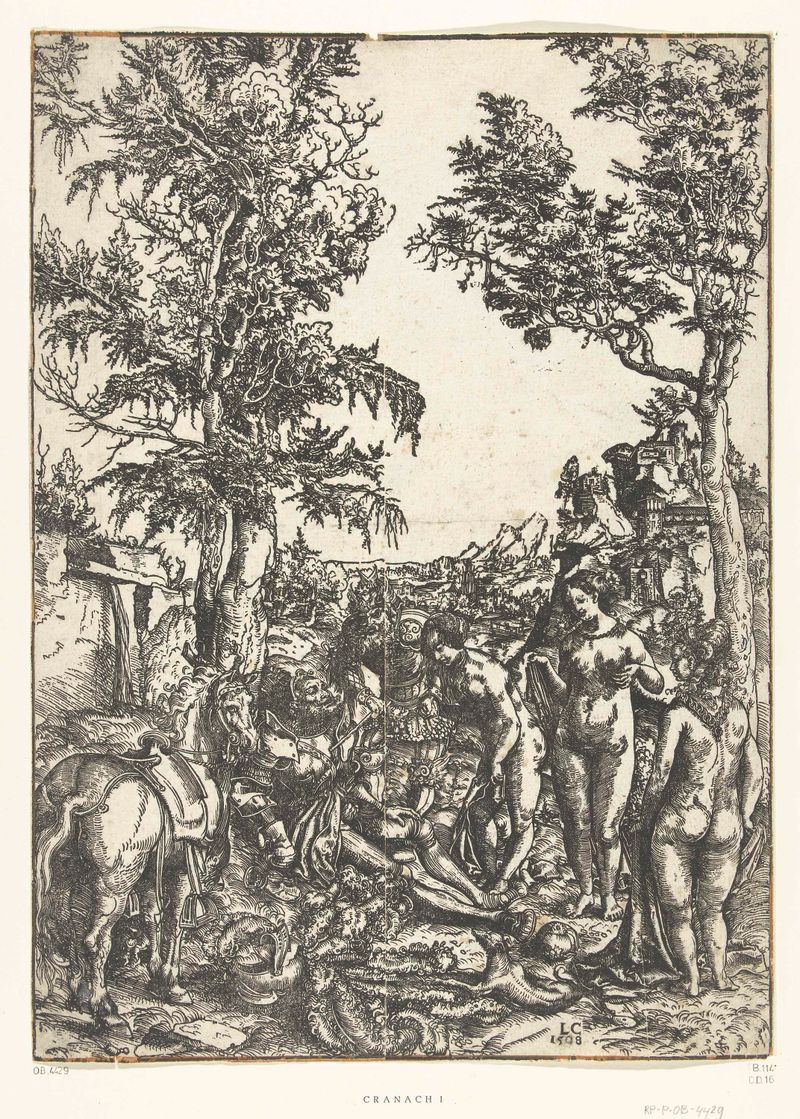
Oordeel van Paris
Lucas Cranach (I)
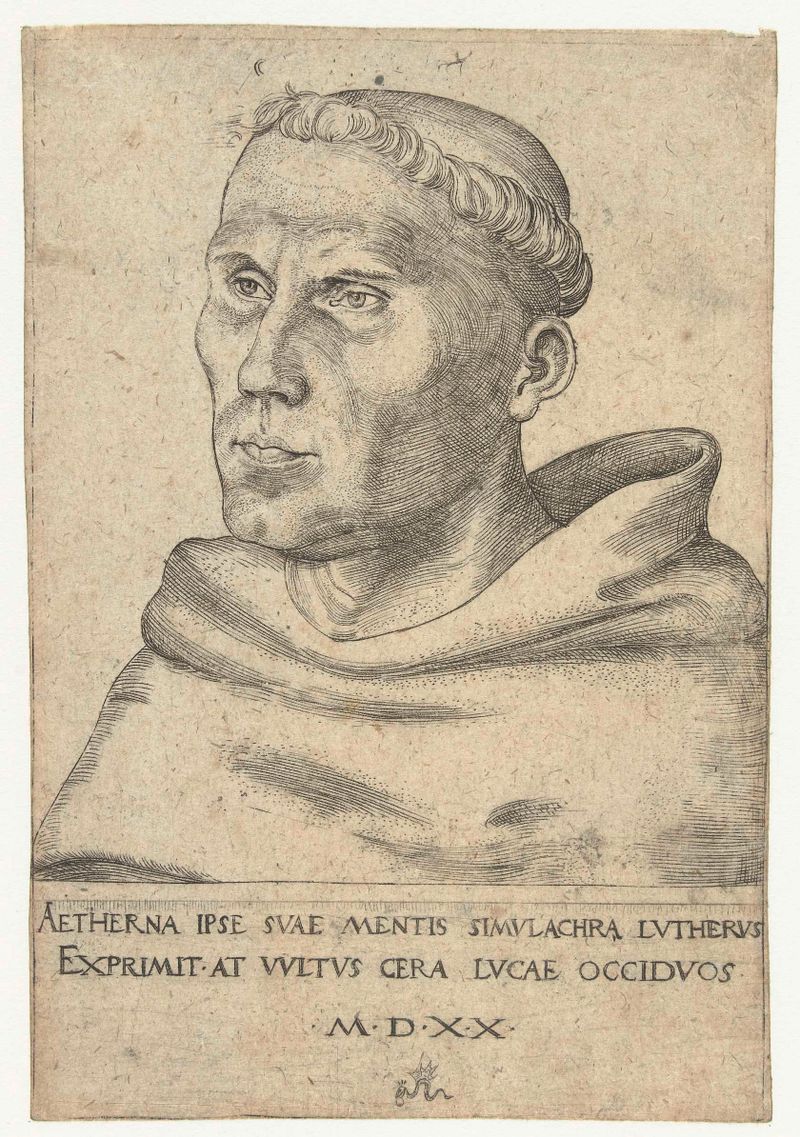
Portret van Martin Luther als Augustijner monnik
Lucas Cranach (I)
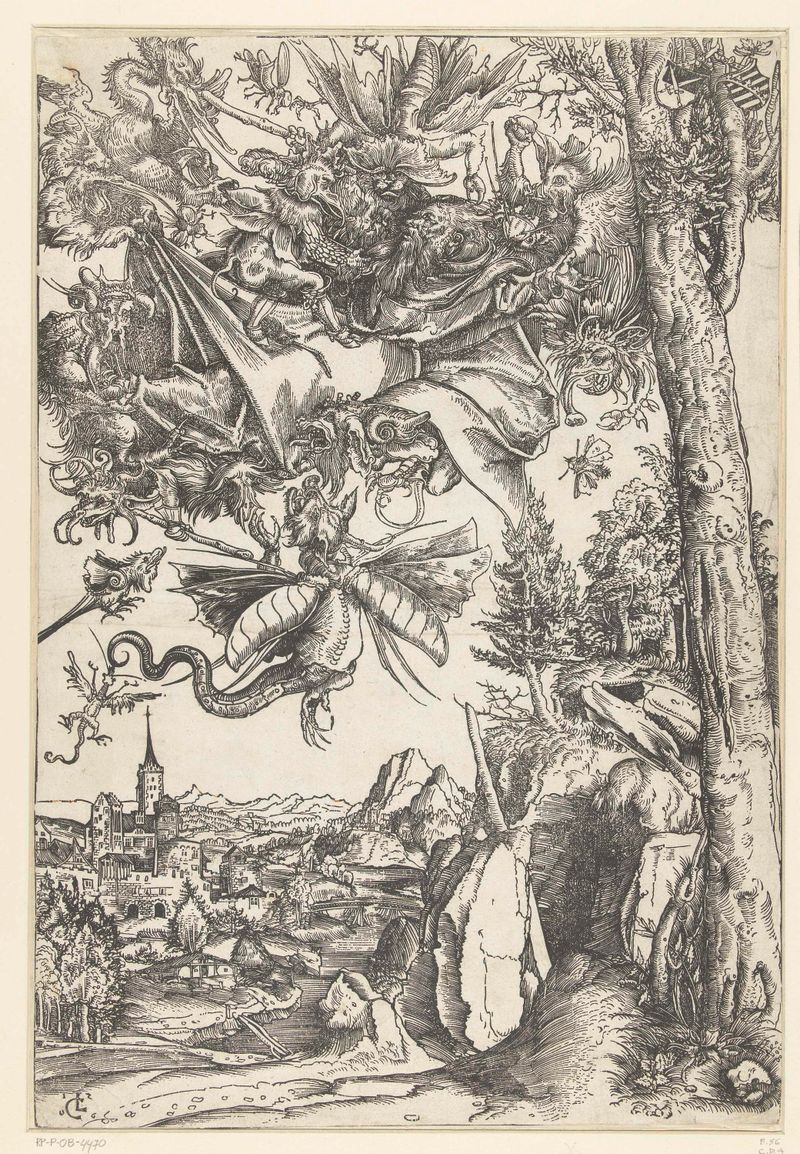
Verzoeking van Antonius met aanval door demonen
Lucas Cranach (I)

Christus en de Samaritaanse vrouw
Lucas Cranach (I)

Duits toernooi met twee edelmannen als ridders te paard
Lucas Cranach (I)
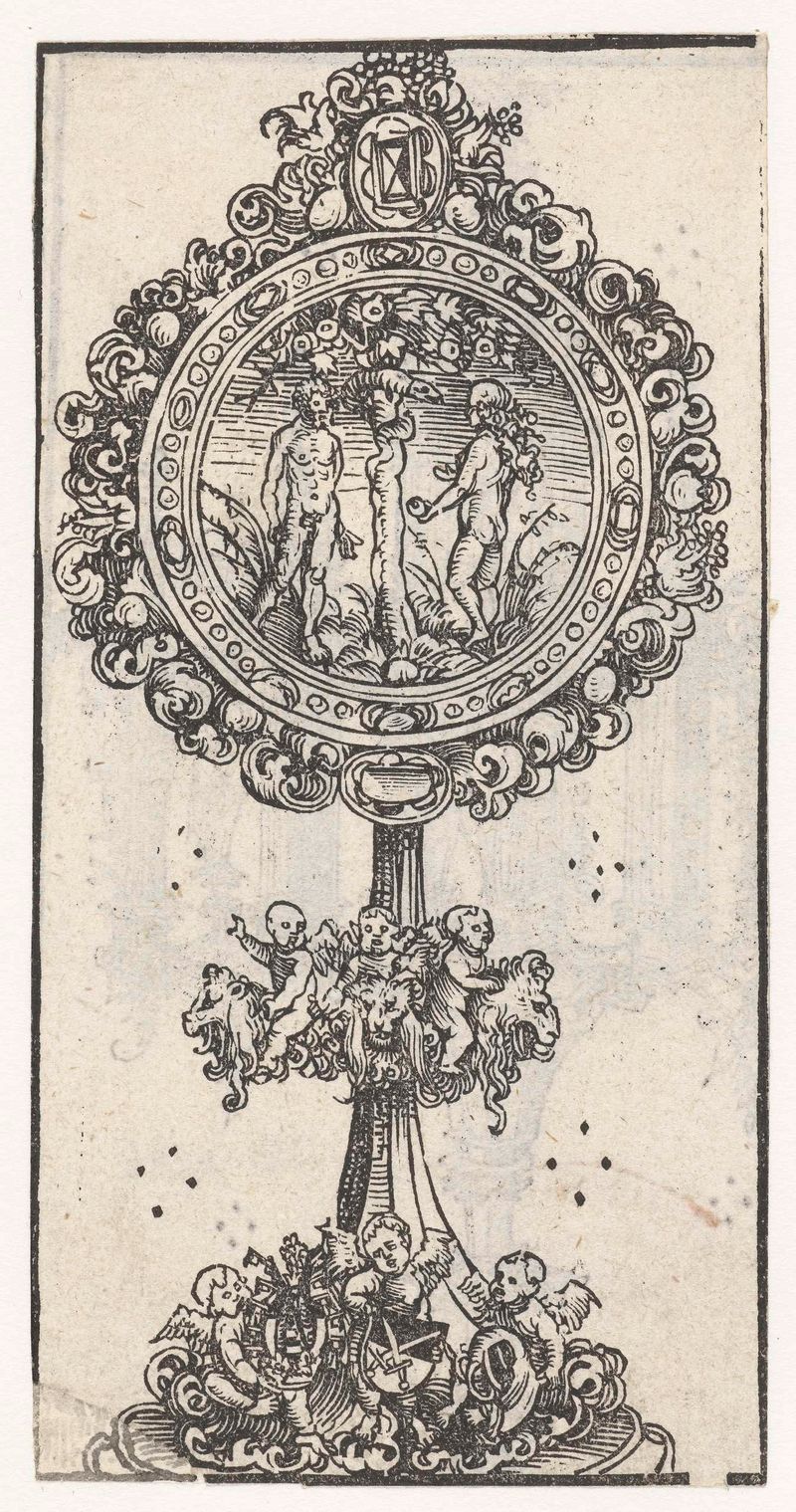
Reliekhouder met de verzoeking van Adam en Eva
Lucas Cranach (I)

Intocht van Christus in Jerusalem
Lucas Cranach (I)
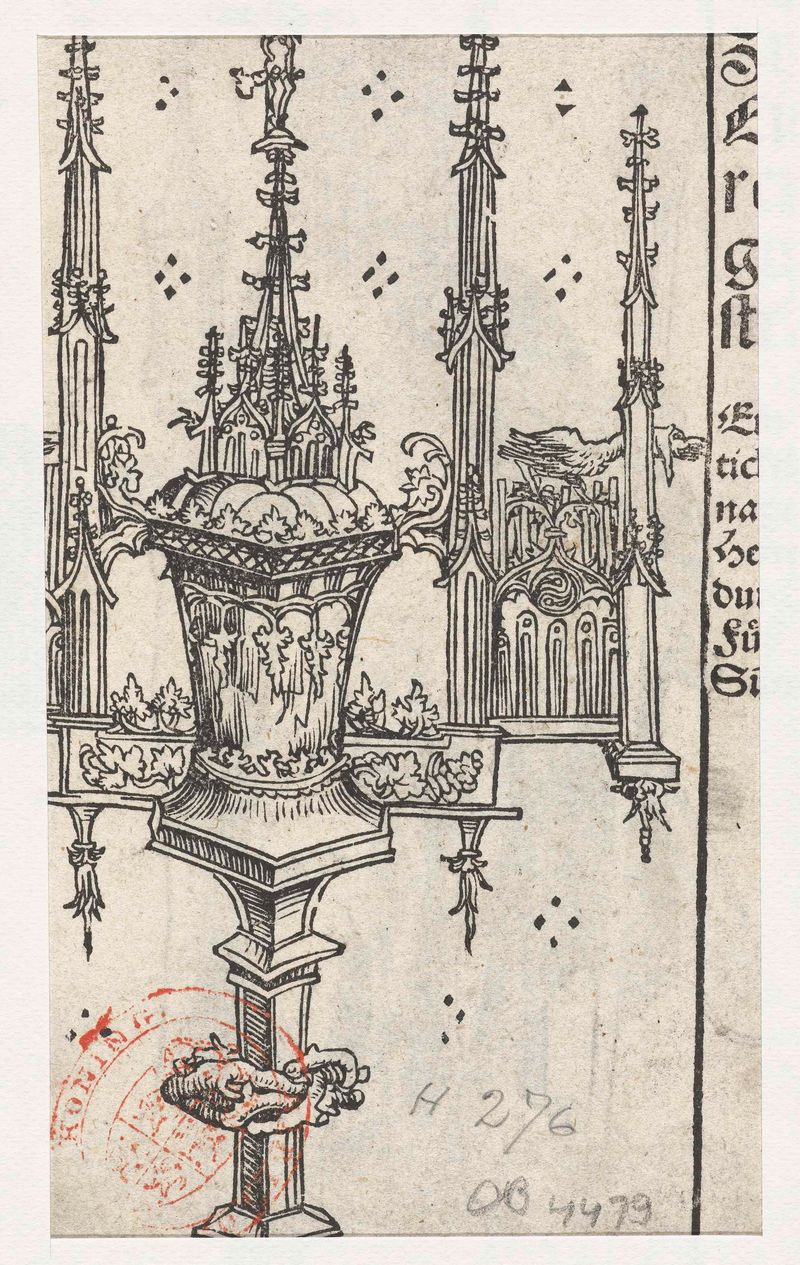
Monstrans met vogel (pelikaan)
Lucas Cranach (I)
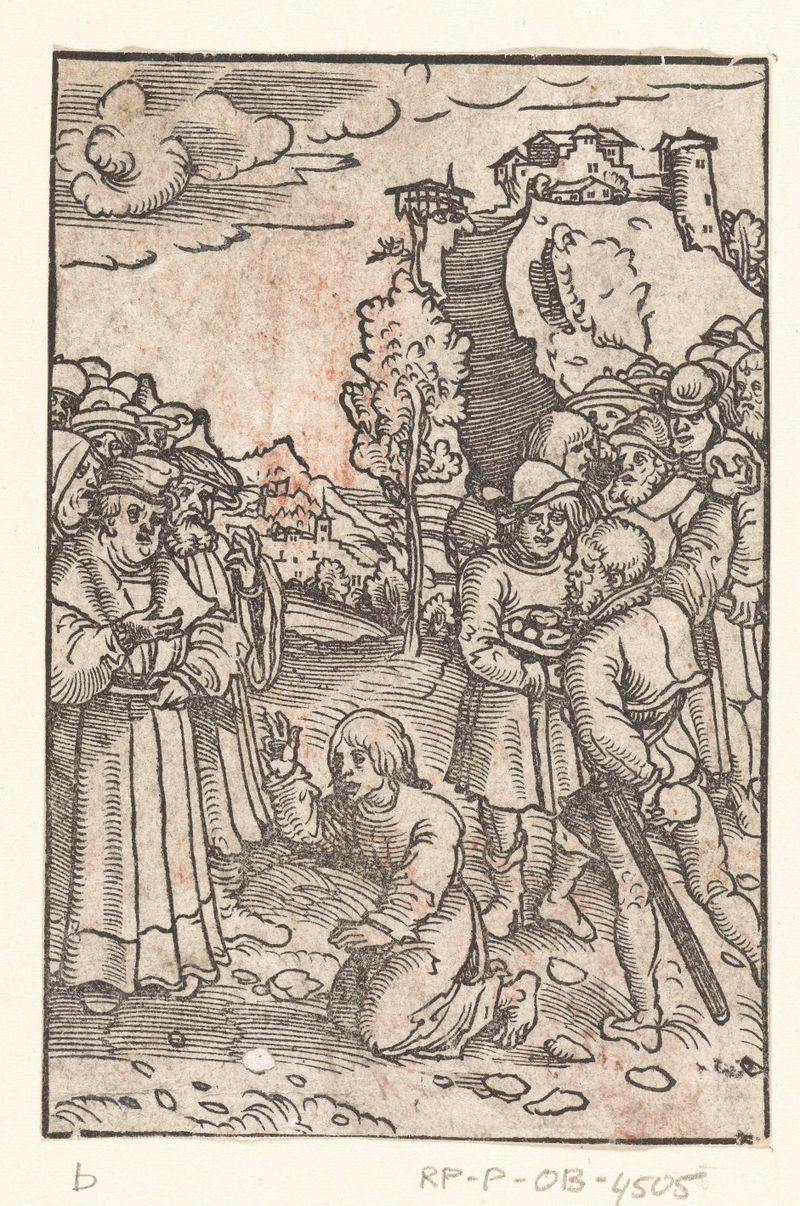
Steniging van Stefanus
Lucas Cranach (I)
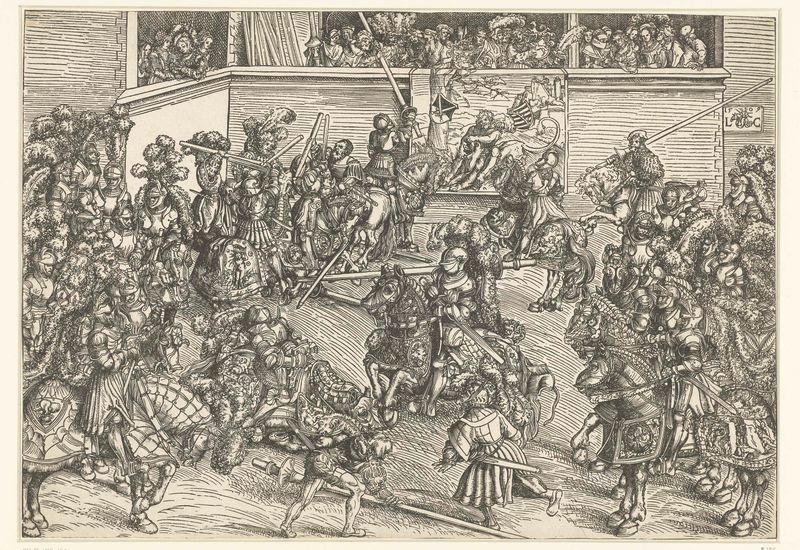
Toernooi van het keurvorstelijk hof van Saksen met wandtapijt Simson doodt de leeuw
Lucas Cranach (I)
More Historical Art
Browse all →
The Night Watch Militia Company of District II under the Command of Captain Frans Banninck Cocq
Rembrandt van Rijn

Lincoln Memorial
Henry Bacon

The Third of May 1808
Francisco de Goya

Isaac and Rebecca, Known as ‘The Jewish Bride’
Rembrandt van Rijn

The Charge of the Mamelukes (1814)
Francisco de Goya

De vier ruiters van de apocalyps
Albrecht Dürer