
Marcus Curtius offerdood — History & Facts
What if beauty was never meant to be finished? This haunting question hovers over Marcus Curtius offerdood, a work that encapsulates both the grandeur and the emptiness that often accompany sacrifice. Focus on the central figure, Marcus Curtius, poised on the brink of the chasm, his body tense yet resolute. The muted earth tones lend a somber quality, reminiscent of the weighty decisions that define human existence. Notice how the light gently caresses the contours of his form, illuminating the strength in his posture against the darker hues of the abyss behind him.
The landscape, carved with a stark precision, draws your gaze inward, emphasizing the vast emptiness that threatens to swallow him whole. Delve deeper into the contrast between the noble act and the surrounding void. The absence of spectators amplifies the loneliness of his sacrifice, while the chasm itself represents not just a physical space, but an existential one—echoing the sacrifices made throughout history. The interplay of light and shadow symbolizes the duality of valor and despair, urging viewers to contemplate the price of honor and the often solitary nature of bravery. Lucas Cranach (I) created this compelling piece during a period marked by the Renaissance's exploration of humanism and its ethical dilemmas.
Painted between 1506 and 1507, it reflects Cranach's mastery in merging narrative depth with striking visuals, a skill that was increasingly sought after in a rapidly changing art world. Amidst the cultural revival, he was searching for ways to represent moral complexity, solidifying his position in the rich tapestry of Northern Renaissance art.
More Artworks by Lucas Cranach (I)
Browse all →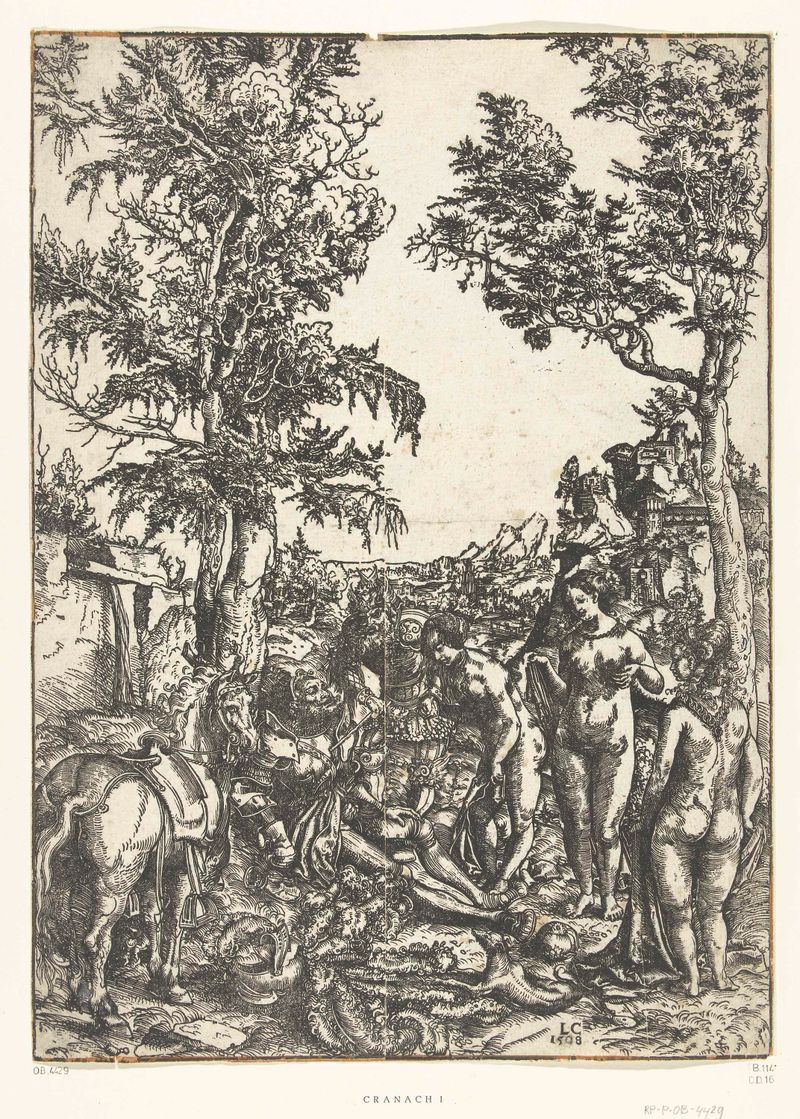
Oordeel van Paris
Lucas Cranach (I)
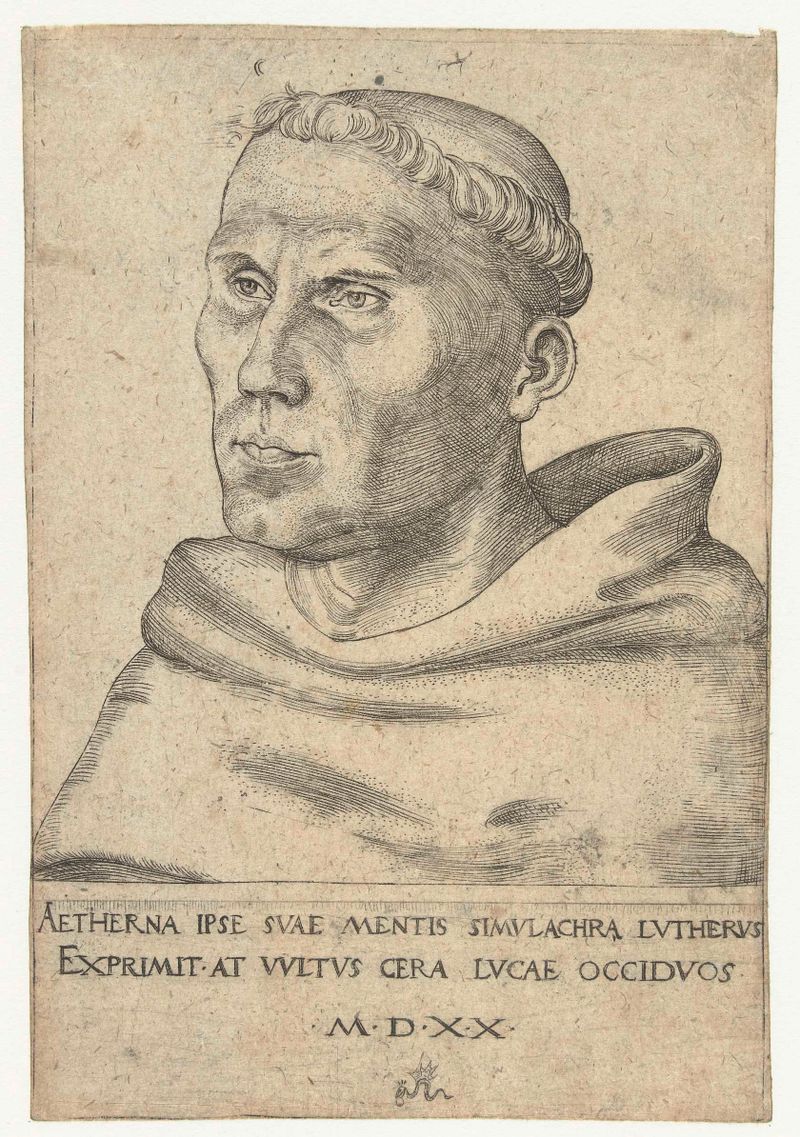
Portret van Martin Luther als Augustijner monnik
Lucas Cranach (I)
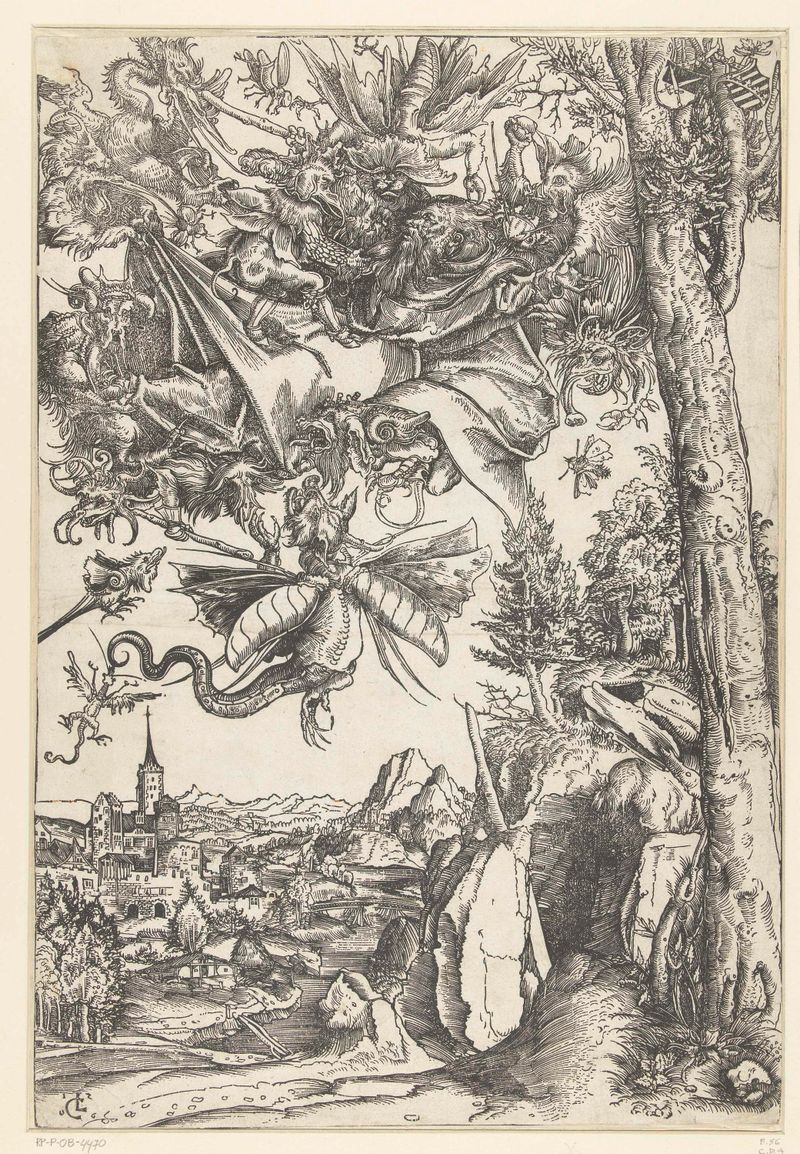
Verzoeking van Antonius met aanval door demonen
Lucas Cranach (I)

Christus en de Samaritaanse vrouw
Lucas Cranach (I)

Duits toernooi met twee edelmannen als ridders te paard
Lucas Cranach (I)
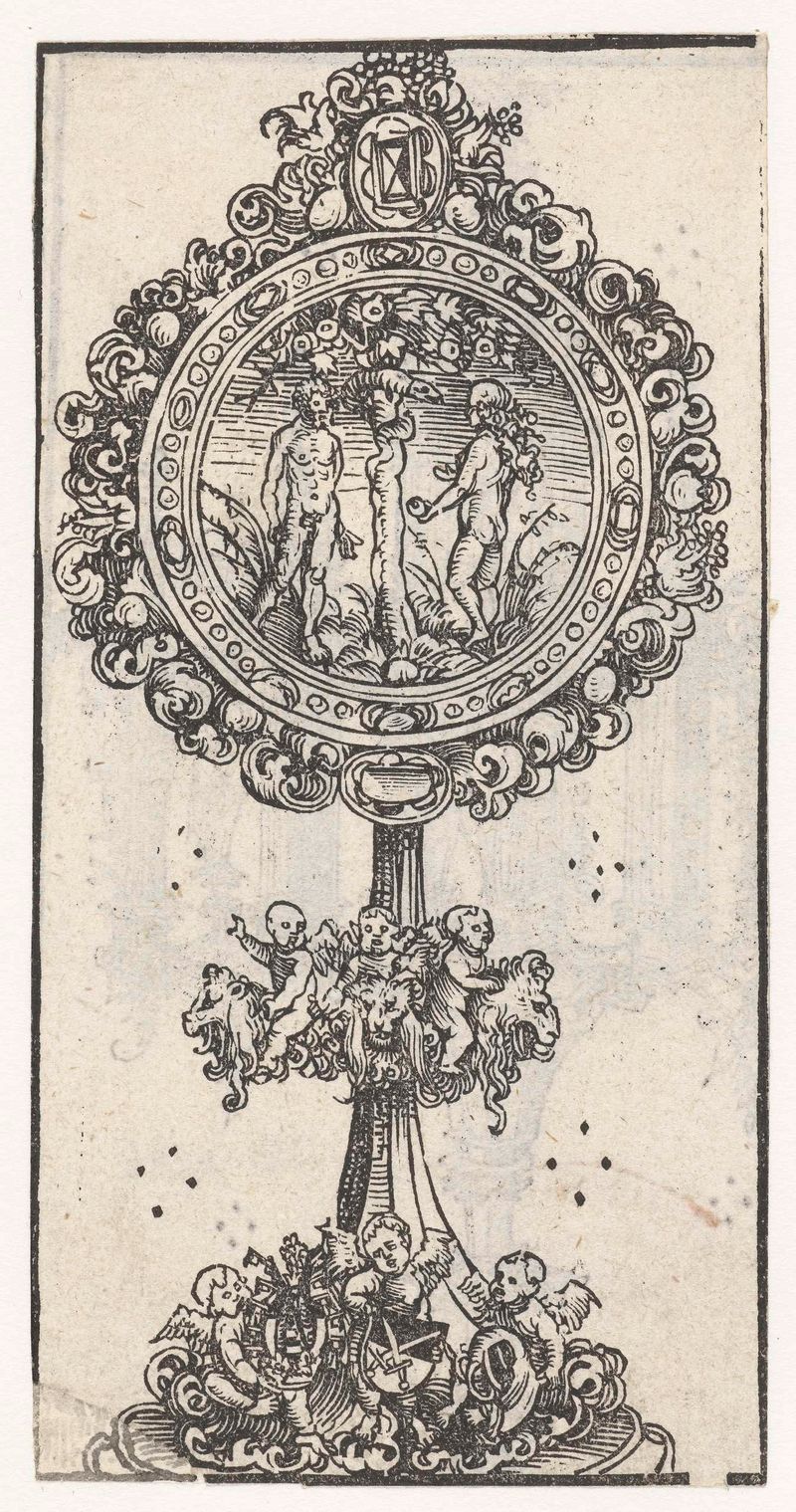
Reliekhouder met de verzoeking van Adam en Eva
Lucas Cranach (I)

Intocht van Christus in Jerusalem
Lucas Cranach (I)
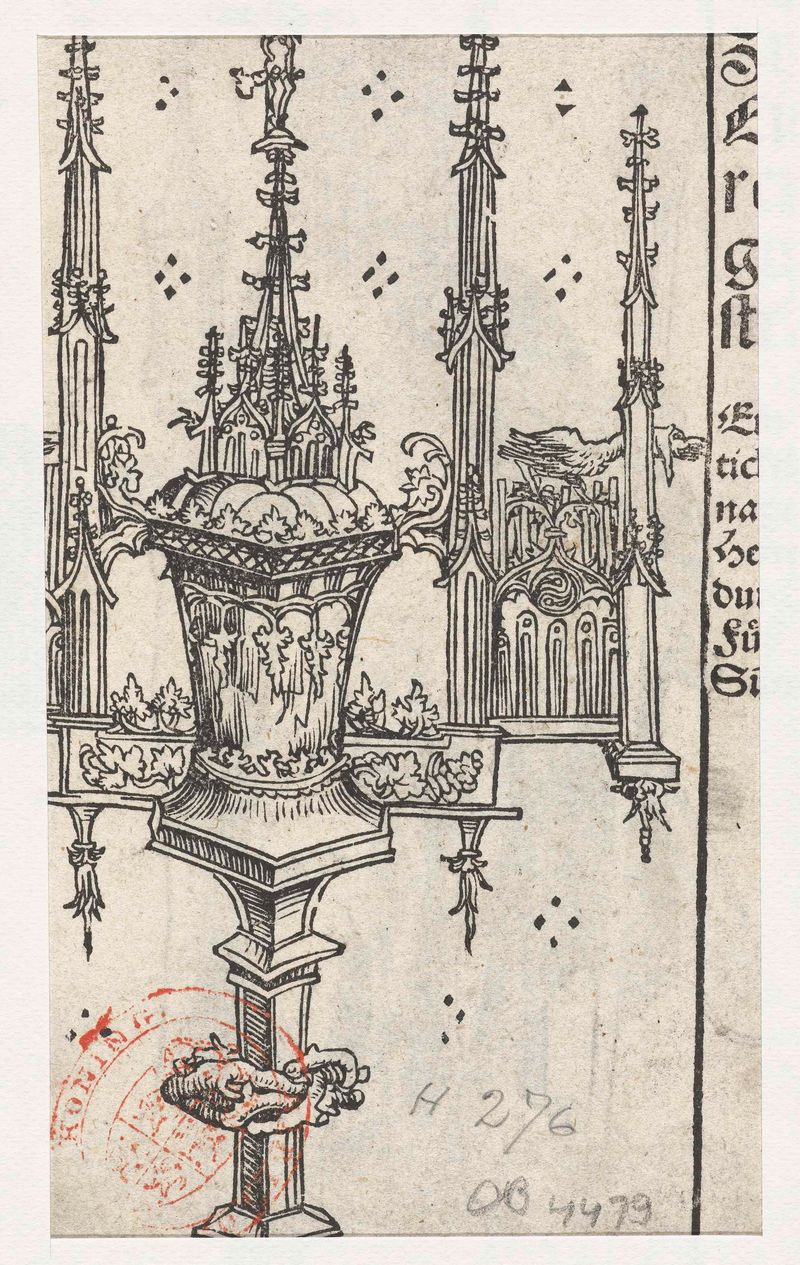
Monstrans met vogel (pelikaan)
Lucas Cranach (I)
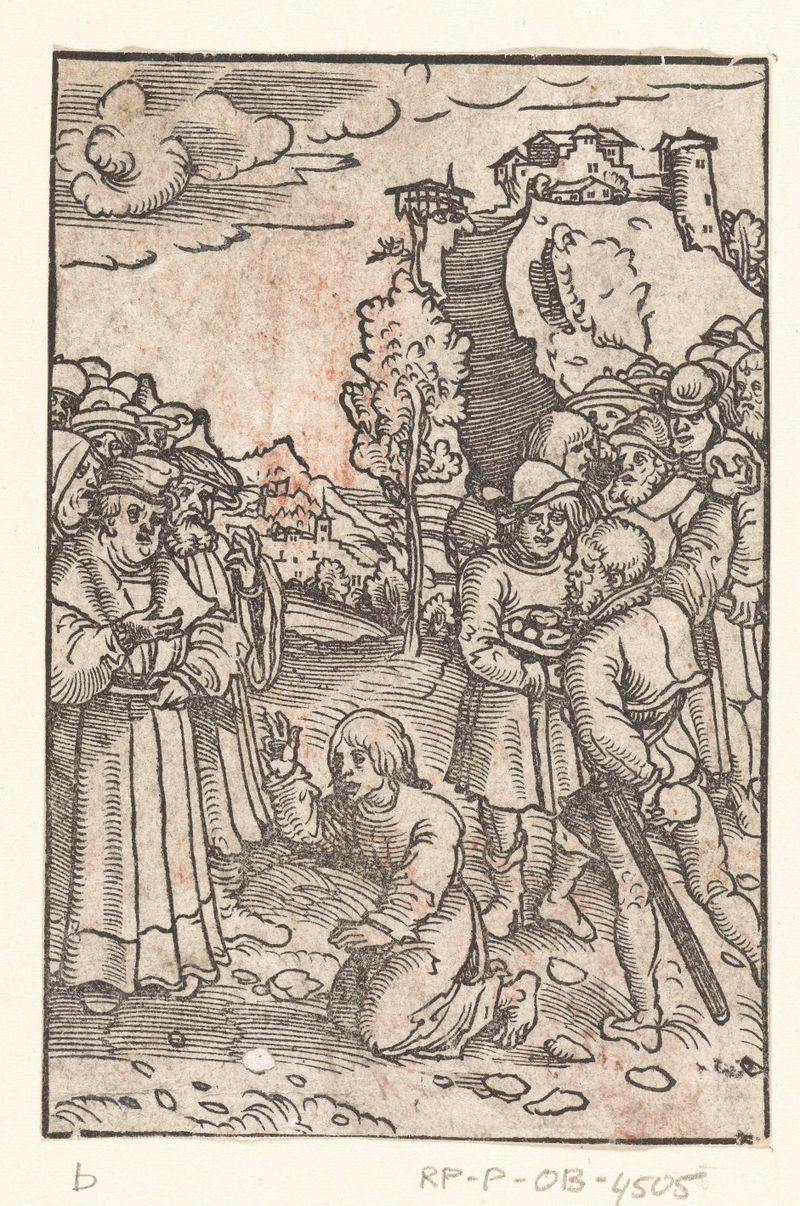
Steniging van Stefanus
Lucas Cranach (I)
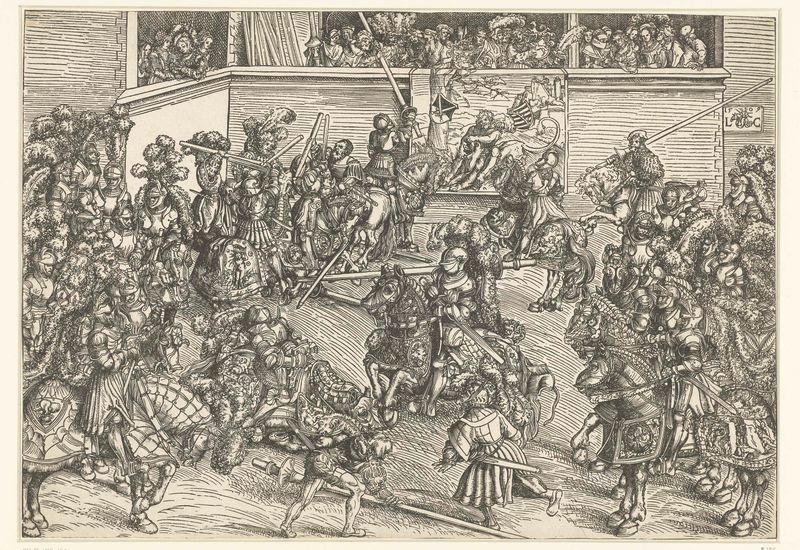
Toernooi van het keurvorstelijk hof van Saksen met wandtapijt Simson doodt de leeuw
Lucas Cranach (I)
More Historical Art
Browse all →
The Night Watch Militia Company of District II under the Command of Captain Frans Banninck Cocq
Rembrandt van Rijn

Lincoln Memorial
Henry Bacon

The Third of May 1808
Francisco de Goya

Isaac and Rebecca, Known as ‘The Jewish Bride’
Rembrandt van Rijn

The Charge of the Mamelukes (1814)
Francisco de Goya

De vier ruiters van de apocalyps
Albrecht Dürer