
Marcus Curtius stort zich in een kloof — History & Facts
In this moment, silence hangs heavily, as if the world holds its breath, caught between valor and despair. The figure, poised on the precipice, embodies a haunting mix of bravery and desperation—an offering to the gods or the weight of his own grief. Focus on the figure at the center, clad in a flowing robe that ripples with invisible winds. The stark contrast of his vibrant garment against the muted landscape draws the eye, emphasizing his vital presence amidst an otherwise desolate scene.
Notice how the sharp edges of the chasm beneath create a jagged void, while the muted tones of the surrounding earth evoke a sense of foreboding. The light, softly diffused, captures the details of his expression—a blend of determination and sorrow—suggesting a moment suspended in time. Therein lies the tension; the chasm represents both sacrifice and futility. The dark void below reflects not just physical danger, but the depths of human emotion—loss, desperation, perhaps even redemption.
The artist’s choice of color and form compels viewers to confront their own sense of mortality, making the act of diving into the abyss not merely an event, but a profound human experience, wrapped in layers of meaning and introspection. Georg Pencz painted this work in 1535 during a period marked by the Renaissance's exploration of classical themes and humanist ideals. As a member of the Nuremberg school of artists, he was deeply influenced by earlier masters while navigating the profound changes in art and society of his time. This piece captures not just a mythological moment, but also reflects the artist's grappling with the complexities of human existence amidst cultural upheaval.
More Artworks by Georg Pencz
Browse all →
Parabel van de zaaier
Georg Pencz

Parabel van de arbeiders in de wijngaard
Georg Pencz
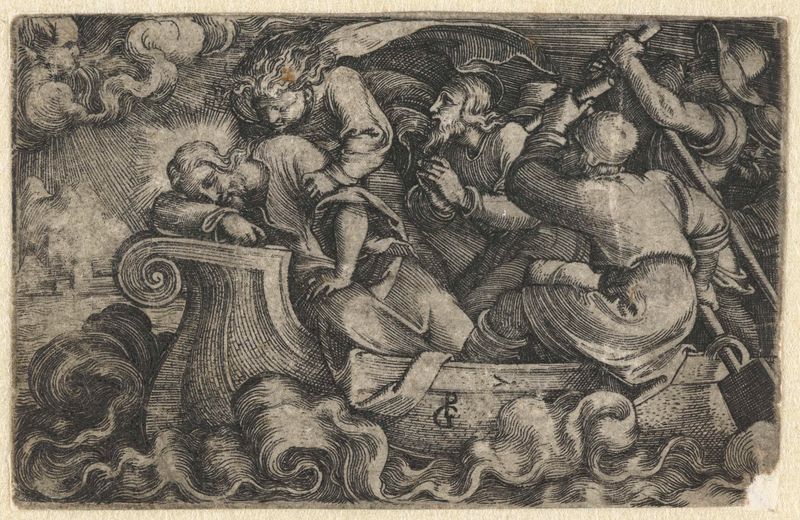
Discipelen wekken slapende Christus tijdens storm op Meer van Galilea
Georg Pencz

Afgunst (Invidia)
Georg Pencz
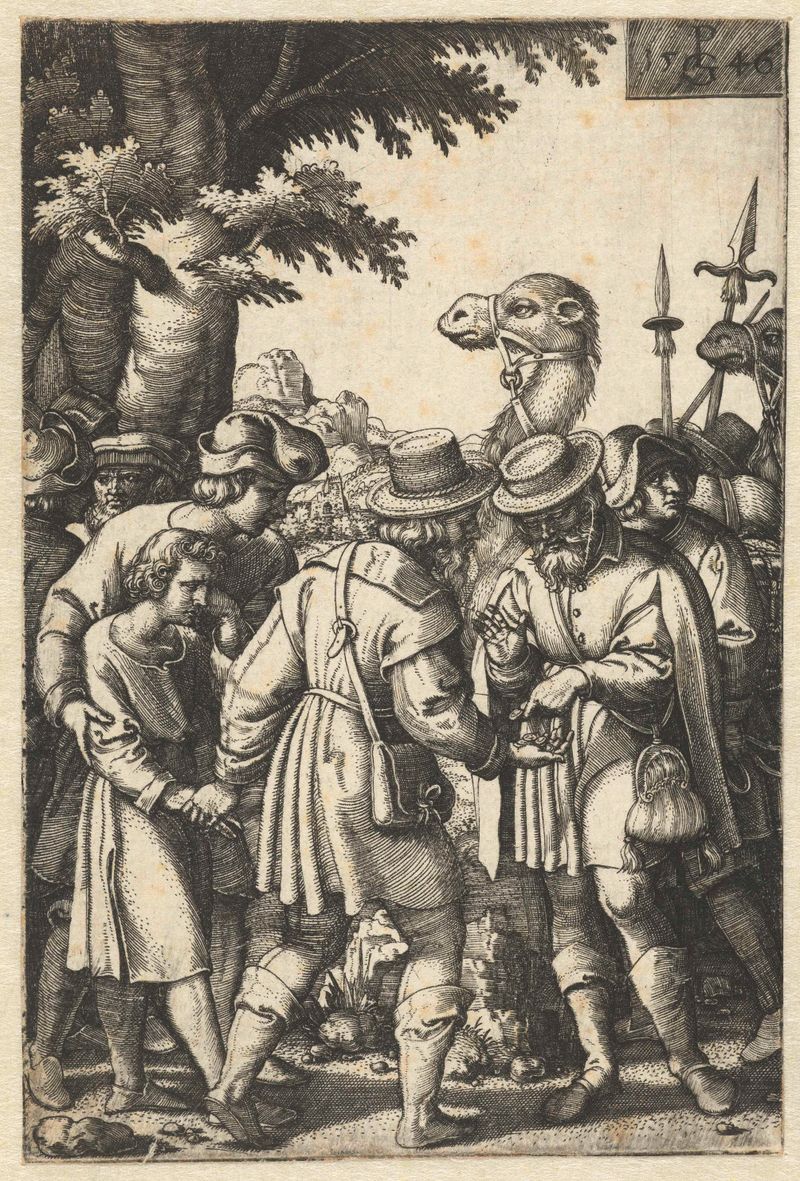
Jozef wordt verkocht aan kooplieden op weg naar Egypte
Georg Pencz

Aanbidding der koningen
Georg Pencz
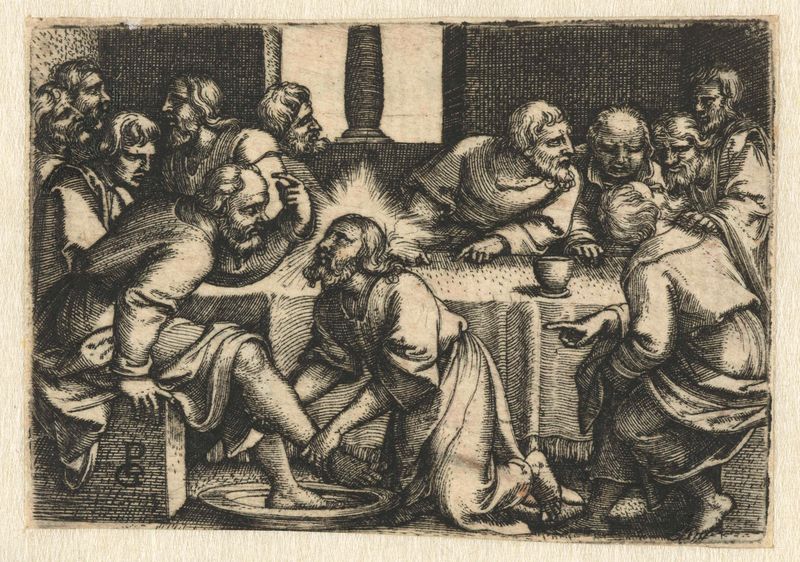
Petrus protesteert als Christus zijn voeten wast
Georg Pencz
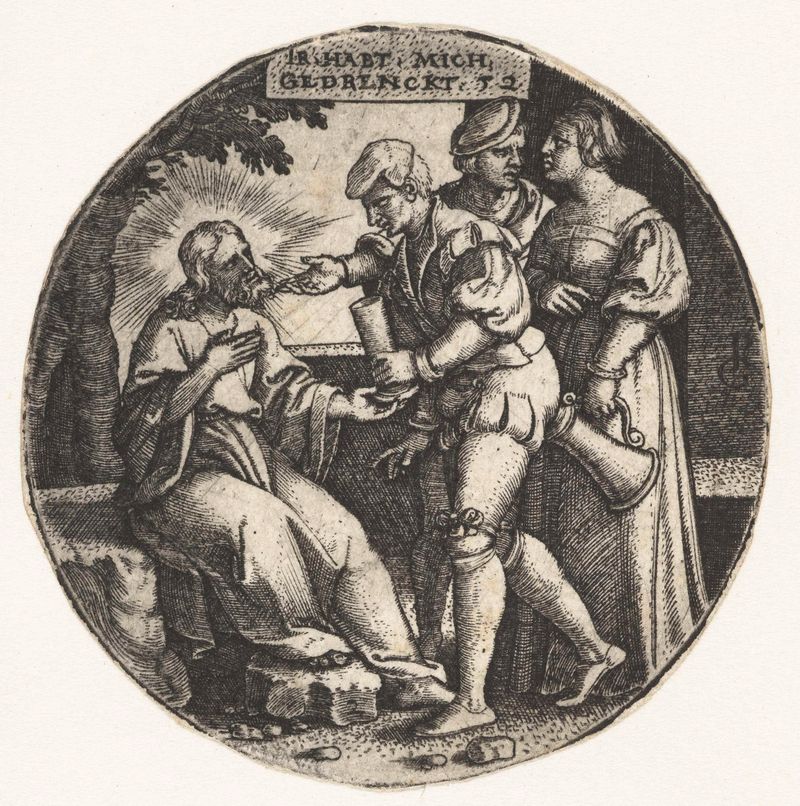
Christus heeft dorst en krijgt drinken aangeboden
Georg Pencz
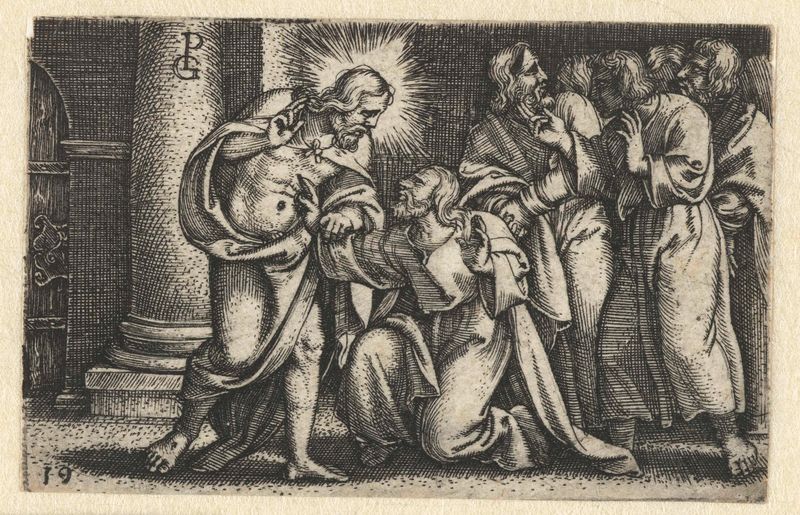
Ongelovige Thomas raakt wonden Christus aan
Georg Pencz

Offer van Abraham van Isaak
Georg Pencz
More Historical Art
Browse all →
The Night Watch Militia Company of District II under the Command of Captain Frans Banninck Cocq
Rembrandt van Rijn

Lincoln Memorial
Henry Bacon

The Third of May 1808
Francisco de Goya

Isaac and Rebecca, Known as ‘The Jewish Bride’
Rembrandt van Rijn

The Charge of the Mamelukes (1814)
Francisco de Goya

De vier ruiters van de apocalyps
Albrecht Dürer