
Marcus Mucius Scaevola — History & Facts
Could beauty survive in a century of chaos? In a moment where light and shadow intertwine, the answer lies within the delicate brushstrokes of a master. Focus on the central figure, poised with a resolute expression, captured in a moment of both defiance and vulnerability. The artist utilizes a muted palette, with earthy tones that evoke a sense of gravity, while sharp contrasts in light emphasize the subject's determined gaze. Notice how the dramatic shadows stretch across the canvas, encasing the figure and suggesting a world steeped in turmoil yet brimming with strength. The tension between light and shadow speaks volumes.
One cannot help but feel the weight of sacrifice as the figure, though solitary, embodies the collective courage of a nation at war. Surrounding elements — the flickering flames, the vague outlines of a tumultuous landscape — create a backdrop that complements the central narrative. This dichotomy illustrates a profound emotional struggle, where conflict births resilience, and beauty emerges through adversity. In 1536, during a time of political upheaval in the Netherlands, Cornelis Anthonisz.
created this work amidst a burgeoning Renaissance that sought to reconcile classical ideals with contemporary realities. The artist, deeply influenced by the tumultuous environment, painted Marcus Mucius Scaevola as a reflection of heroism, drawing on historical narratives to forge a connection between the past and the present. As the world around him grappled with chaos, Anthonisz.
found a poignant way to encapsulate the struggle for virtue amidst the shadows.
More Artworks by Cornelis Anthonisz.
Browse all →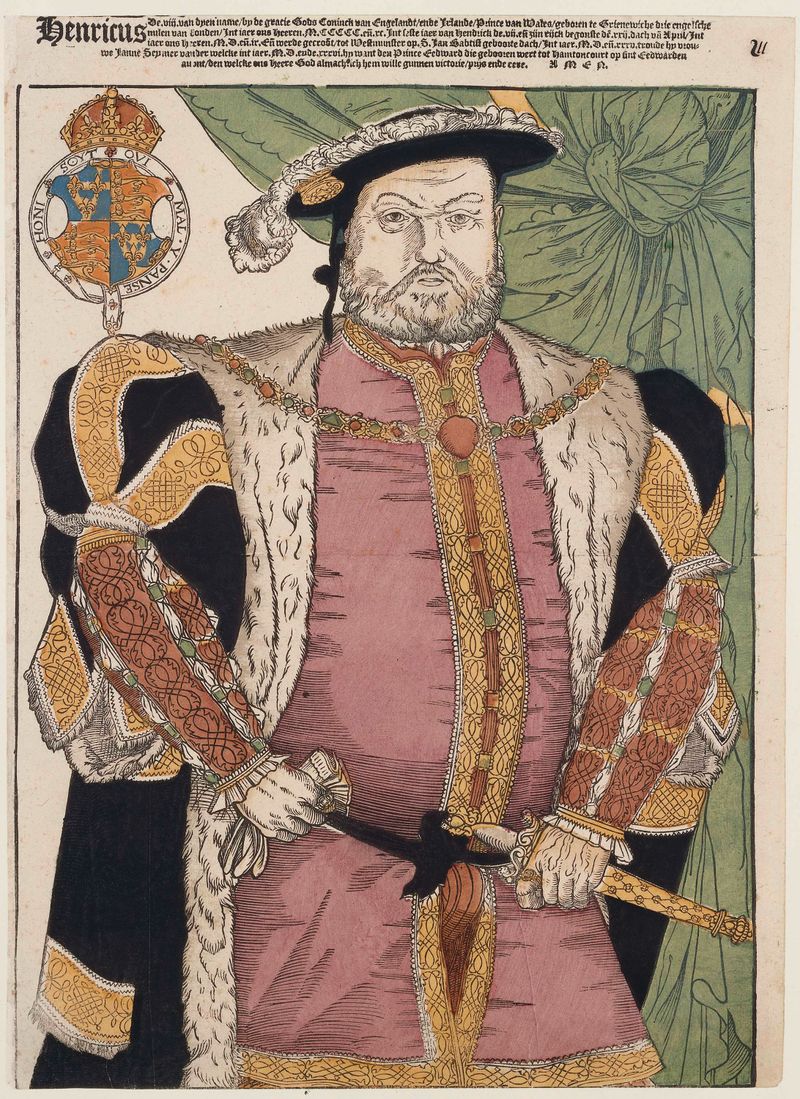
Portret van Hendrik VIII van Engeland
Cornelis Anthonisz.

Portret van Hendrik VIII van Engeland
Cornelis Anthonisz.

Portret van Maarten van Rossum te paard
Cornelis Anthonisz.
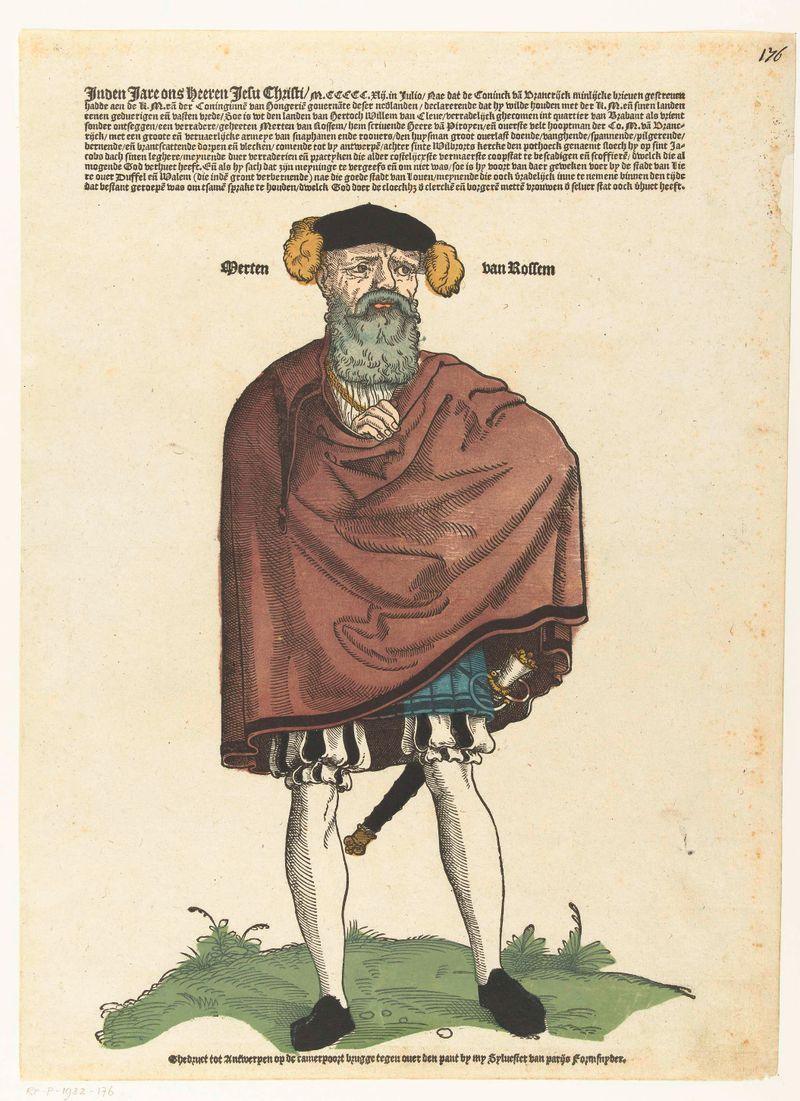
Portret van Maarten van Rossum
Cornelis Anthonisz.

De verloren zoon eet uit de varkenstrog
Cornelis Anthonisz.
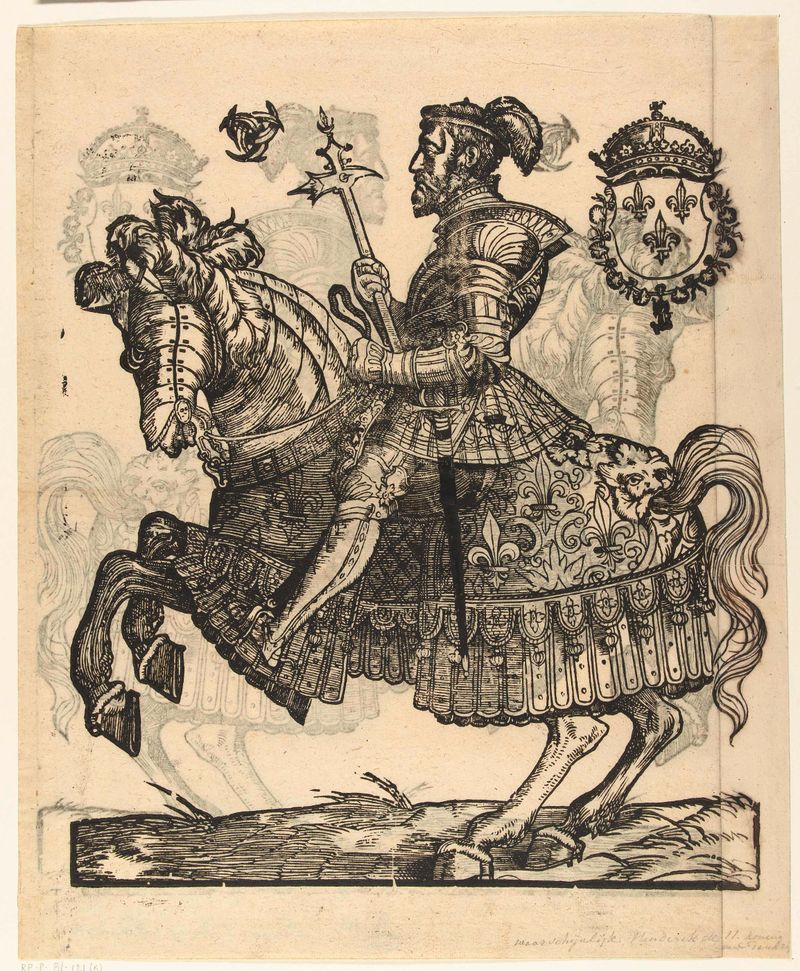
Portret van Hendrik II van Frankrijk te paard
Cornelis Anthonisz.

Portret van hertog Willem van Kleef, Gulik en Berg, graaf van Mark, heer van Ravenstein te paard
Cornelis Anthonisz.

Portret van Karel V te paard
Cornelis Anthonisz.

Portret van Maria van Hongarije te paard
Cornelis Anthonisz.
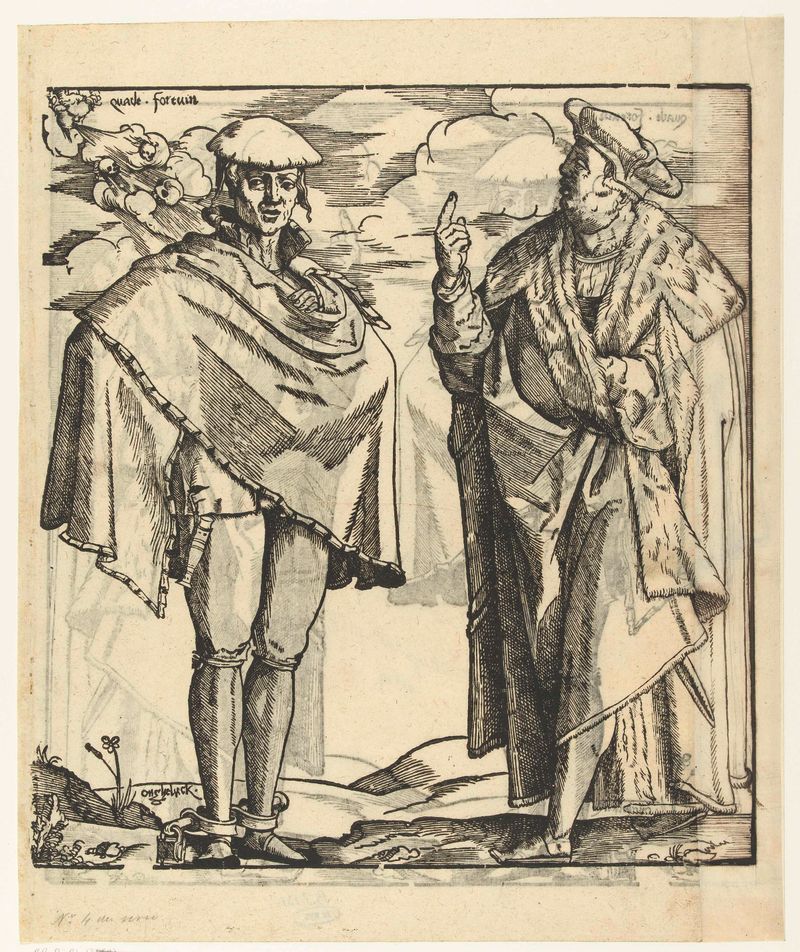
De lichtzinnige jeugd
Cornelis Anthonisz.
More Historical Art
Browse all →
The Night Watch Militia Company of District II under the Command of Captain Frans Banninck Cocq
Rembrandt van Rijn

Lincoln Memorial
Henry Bacon

The Third of May 1808
Francisco de Goya

Isaac and Rebecca, Known as ‘The Jewish Bride’
Rembrandt van Rijn

The Charge of the Mamelukes (1814)
Francisco de Goya

De vier ruiters van de apocalyps
Albrecht Dürer