
Mare En Fôret, Chêne Demi-Mort — History & Facts
In Mare En Fôret, Chêne Demi-Mort, color transcends mere pigment, whispering secrets of the forest and the life it cradles. Look to the deep greens and browns that dominate the canvas, drawing your gaze into the lush underbrush. Notice how the artist expertly contrasts the vibrant foliage with the decaying tree at the center, the chêne demi-mort. The interplay of light filtering through the canopy highlights the texture of the bark, creating an almost tactile experience that invites the viewer to linger and absorb the intricacies of this serene yet poignant landscape. Beneath the surface of this tranquil scene lies a tension between life and decay.
The vibrant greenery seems to celebrate vitality, yet it stands in stark contrast to the aged, withering oak, a reminder of the inevitability of time. This duality speaks to the artist's understanding of nature's rhythm—lushness intertwined with mortality. It's a moment captured at the intersection of vibrance and fading beauty, inviting contemplation on existence’s transience. In 1871, Narcisse-Virgile Diaz de La Peña painted this work during a period characterized by his deep connection to the Barbizon School, which emphasized realism and a profound appreciation for nature.
Amidst the backdrop of a changing art world, he sought to depict the emotive power of landscapes, and Mare En Fôret, Chêne Demi-Mort reflects this ethos. As he ventured through the French forests, each brushstroke mirrored not only the scenery but also the complexities of life unfolding within it.
More Artworks by Narcisse-Virgile Diaz de La Peña
Browse all →
Forest Scene
Narcisse-Virgile Diaz de La Peña
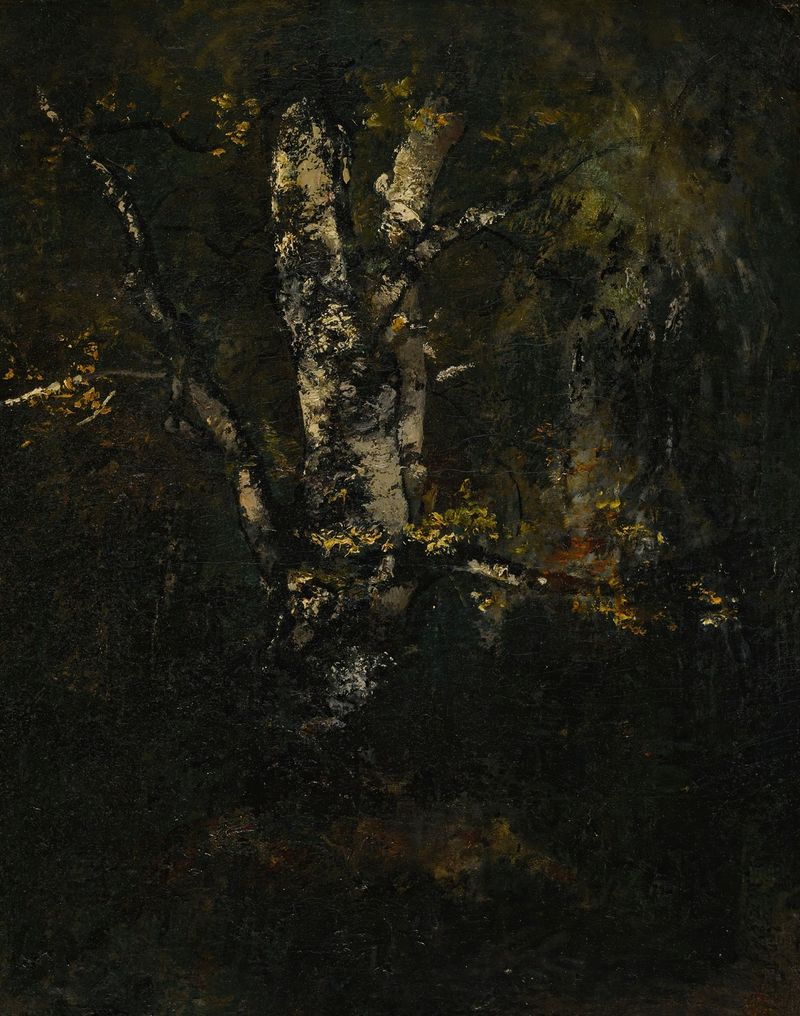
Vieux Troncs De Hêtres
Narcisse-Virgile Diaz de La Peña
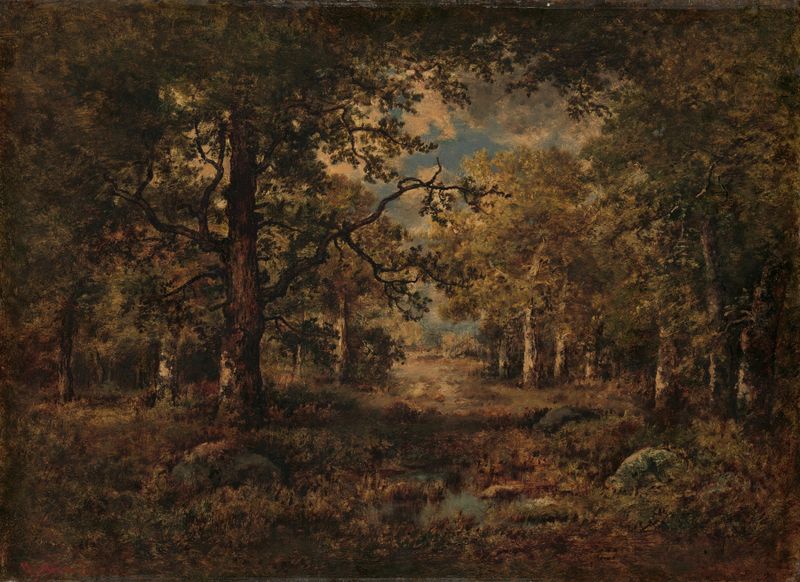
A Vista through Trees; Fontainebleau
Narcisse-Virgile Diaz de La Peña
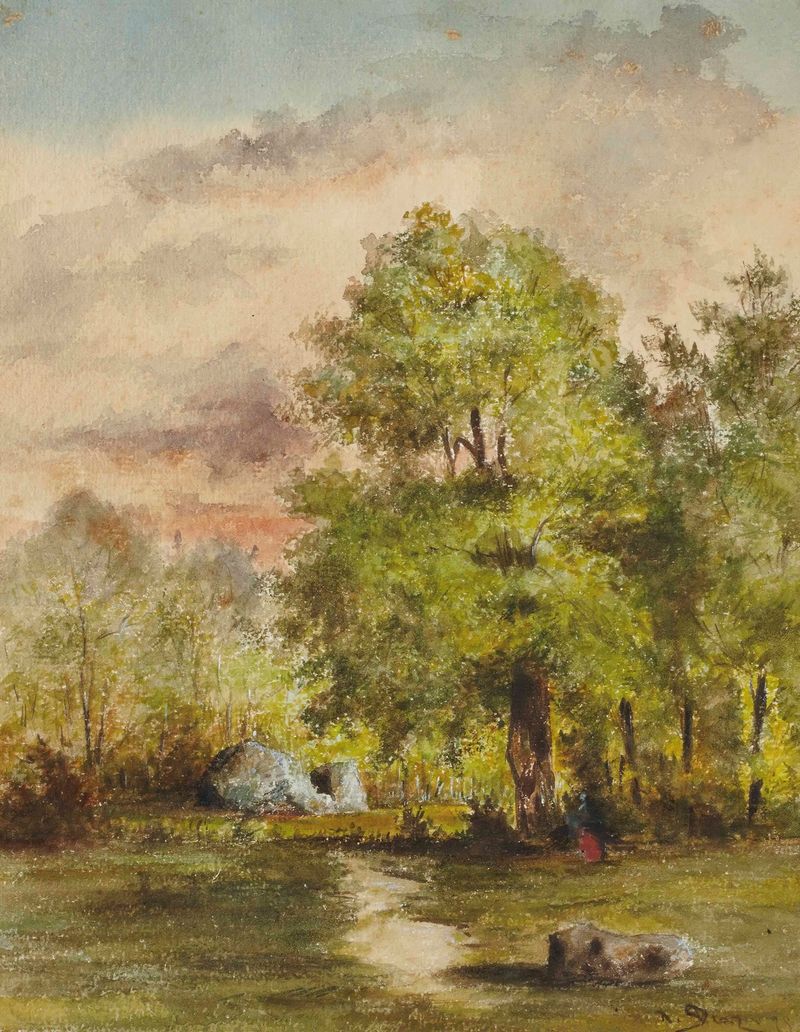
Vue d’une clairière
Narcisse-Virgile Diaz de La Peña

Pond in the Woods
Narcisse-Virgile Diaz de La Peña
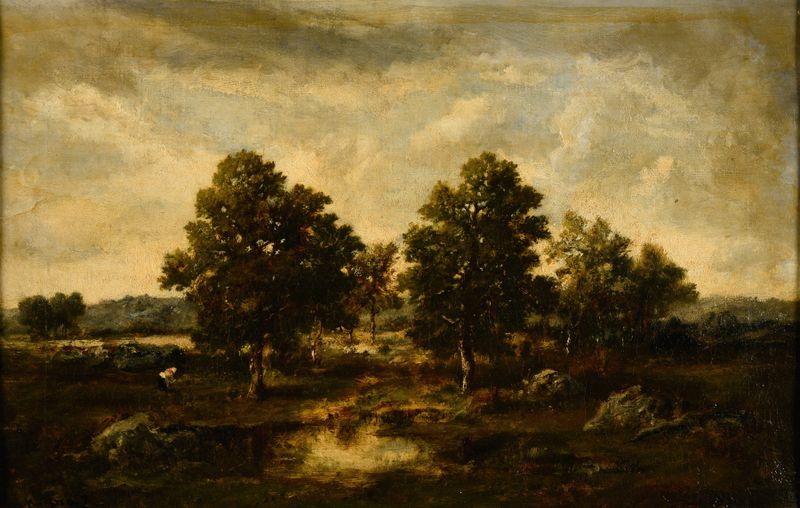
Mare dans une lande
Narcisse-Virgile Diaz de La Peña
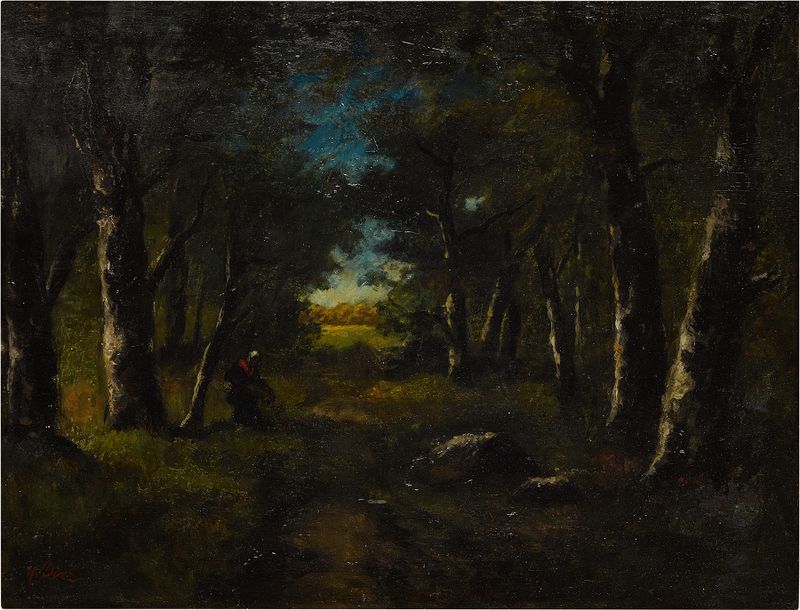
Foraging in the Forest
Narcisse-Virgile Diaz de La Peña
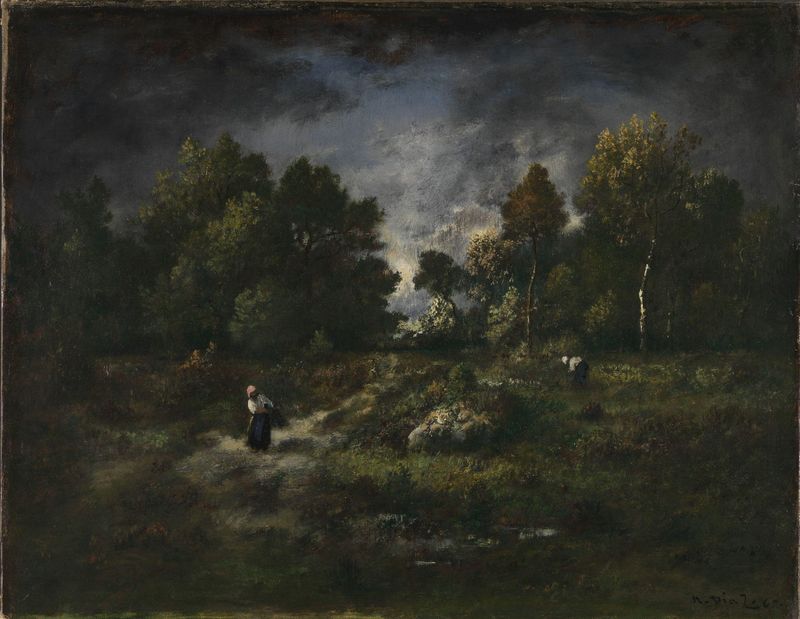
Faggot Gatherers in a Wooden Landscape
Narcisse-Virgile Diaz de La Peña
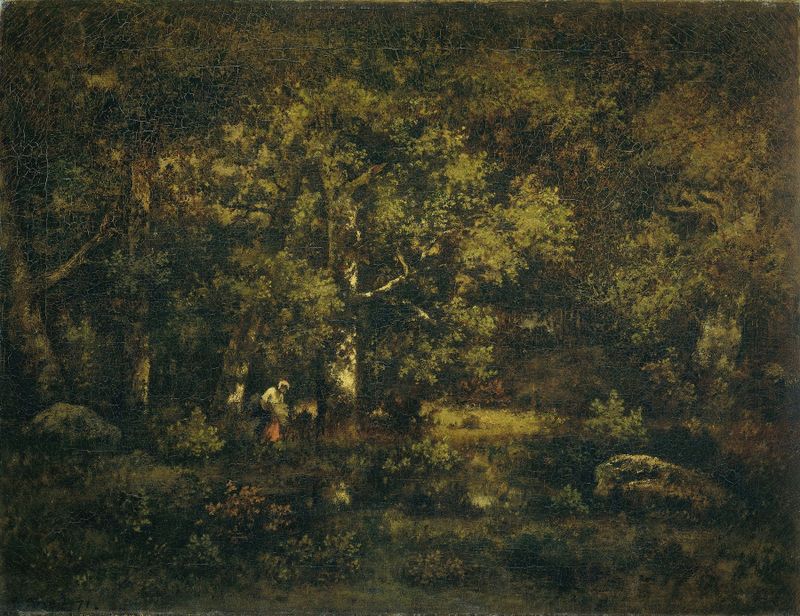
The Forest of Fontainebleau
Narcisse-Virgile Diaz de La Peña

Sous-bois
Narcisse-Virgile Diaz de La Peña





