
Maria van Bourgondië, Maximiliaan I, Filips de Schone en Karel V — History & Facts
Can beauty exist without sorrow? In the intricate tapestry of history, the answers often intertwine, revealing a narrative drenched in both allure and strife. Focus on the figures in the foreground, each meticulously rendered, their garments rich with detail and symbolism. Notice how the delicate embroidery on their clothing mirrors the intricate relationships among them. The lighting casts a gentle glow, illuminating faces that blend one into another, suggesting a lineage not just of blood, but of power and ambition.
The artist’s palette, a mix of deep reds and vibrant blues, creates a dynamic yet harmonious composition that draws the eye seamlessly from one subject to the next. Beneath the surface, the arrangement of the figures hints at political alliance and familial duty, encapsulating a moment of both unity and foreboding. The positioning of Maximilian and his lineage evokes a sense of impending responsibility, suggesting that the weight of their legacy will not be without its trials. Each expression carries a tension—between affection and obligation, serenity and revolution.
The careful juxtaposition of their regal attire against the somber background resonates with the complexity of their intertwined fates. In 1518, as Jacob Cornelisz van Oostsanen created this work, Europe stood on the brink of monumental change. The Renaissance was in full bloom, and the tension between tradition and the burgeoning new ideas of loyalty and governance were palpable. Amidst this backdrop of transformation, the artist reflected the aspirations and challenges faced by his subjects, deftly capturing a moment that was as much about the past as it was a prelude to the sweeping changes that would soon follow.
More Artworks by Jacob Cornelisz van Oostsanen
Browse all →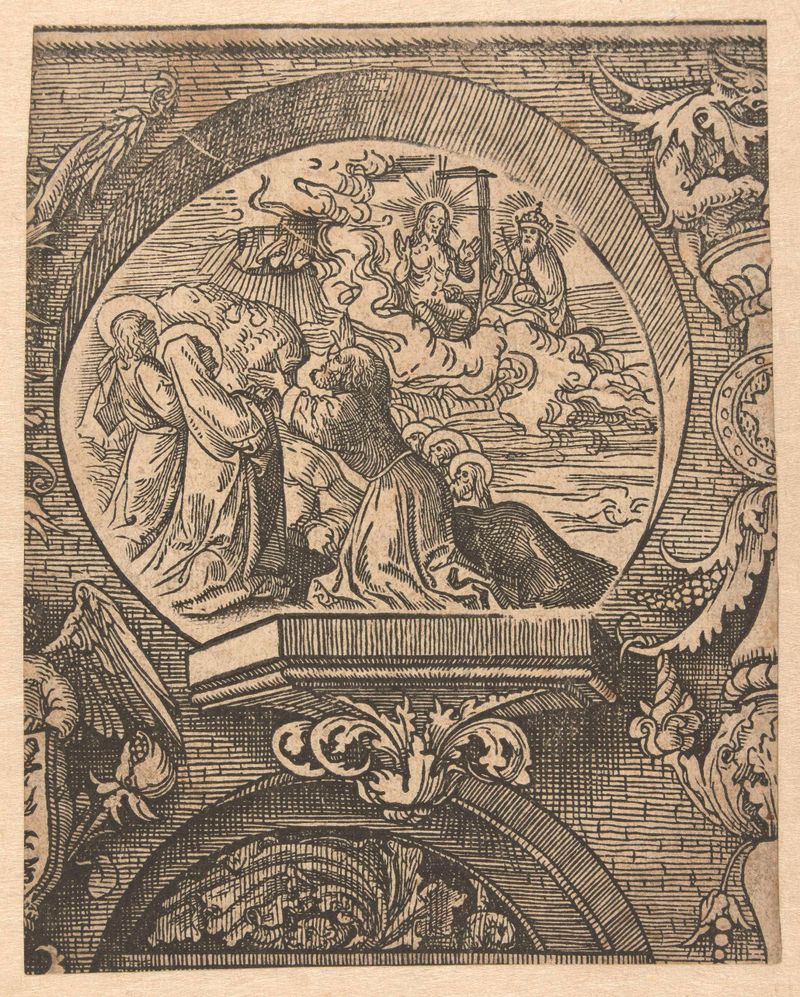
De hemelvaart en Christus voor God de Vader
Jacob Cornelisz van Oostsanen
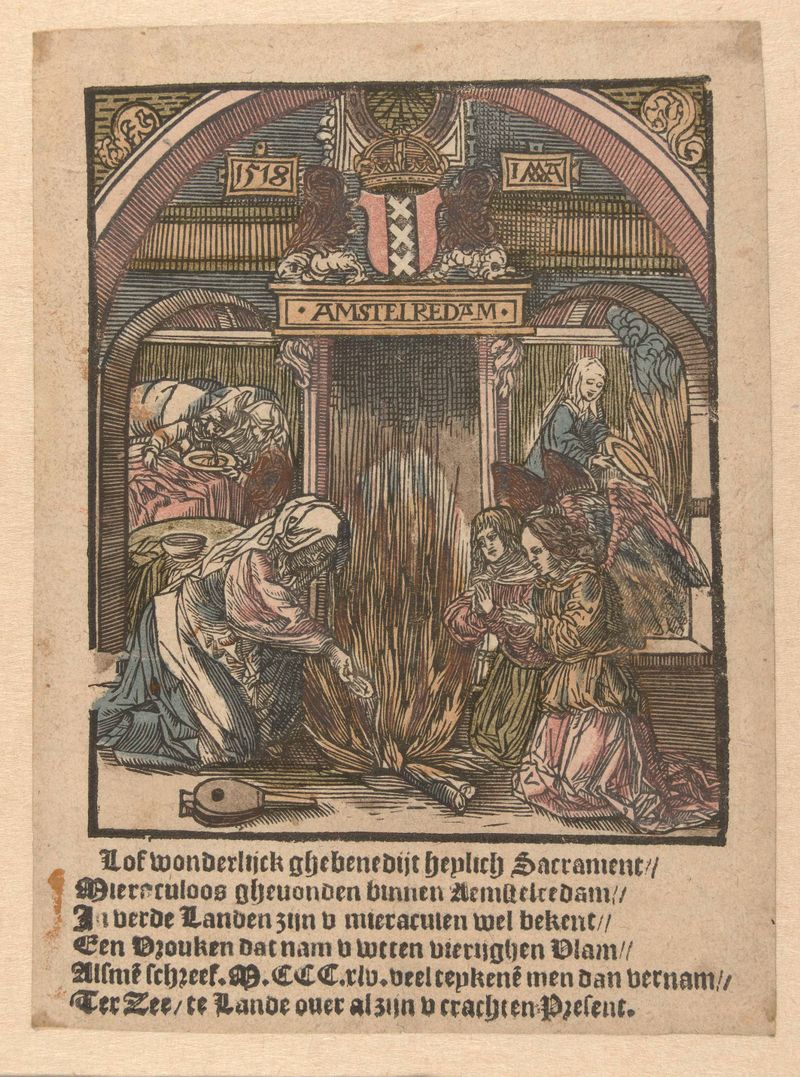
Het hostiewonder van Amsterdam
Jacob Cornelisz van Oostsanen
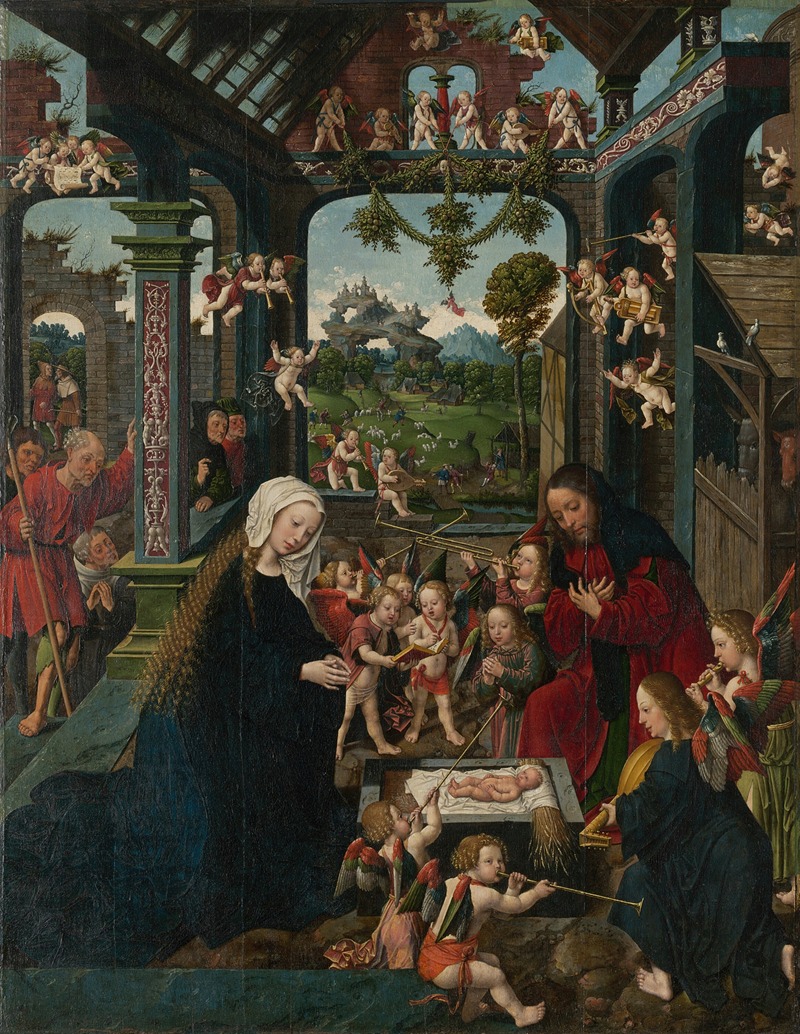
The Adoration of the Christ Child
Jacob Cornelisz van Oostsanen
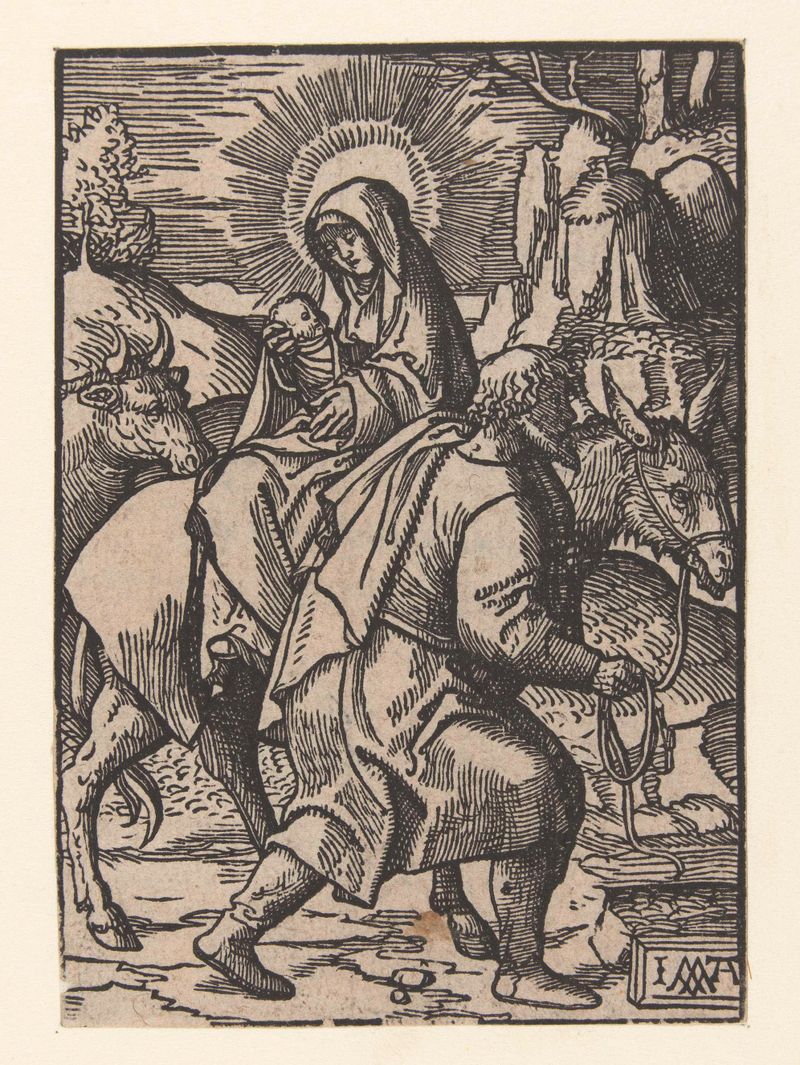
Vlucht naar Egypte
Jacob Cornelisz van Oostsanen
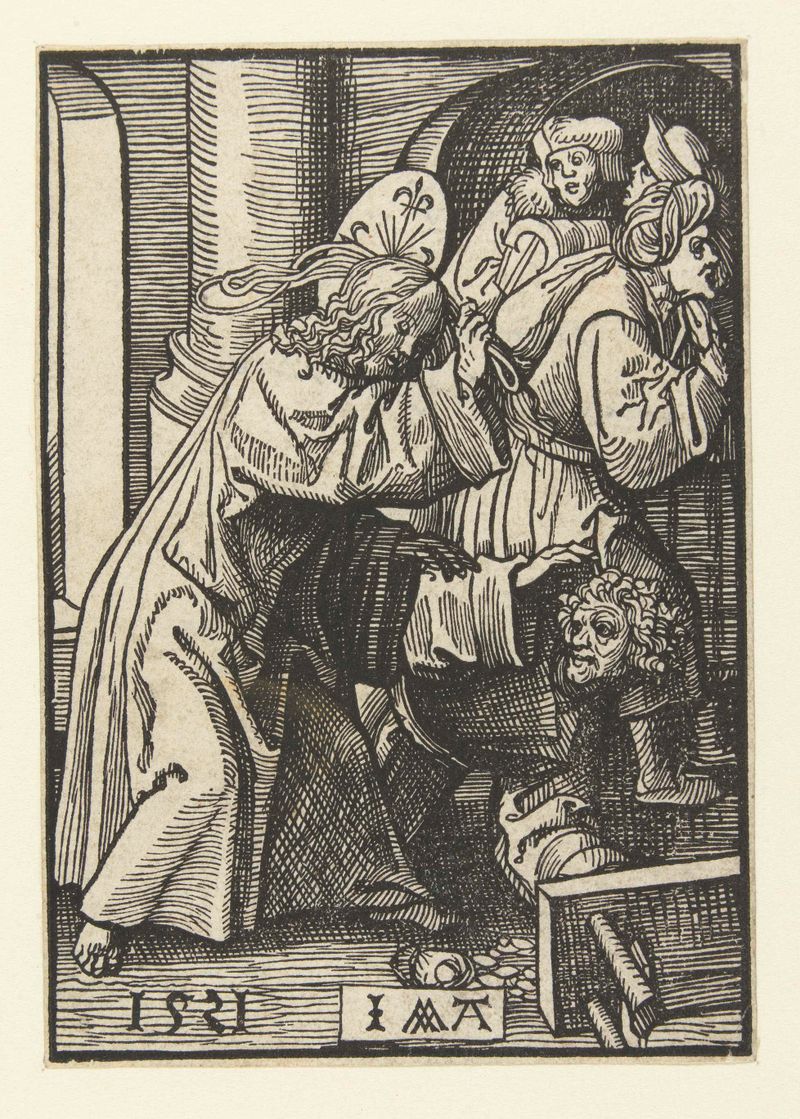
Verdrijving van de handelaren uit de tempel
Jacob Cornelisz van Oostsanen
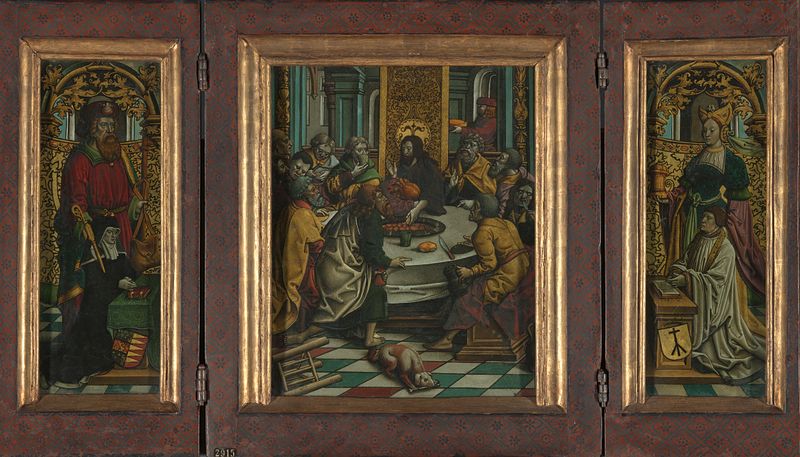
Triptych with the Last Supper and Donors
Jacob Cornelisz van Oostsanen
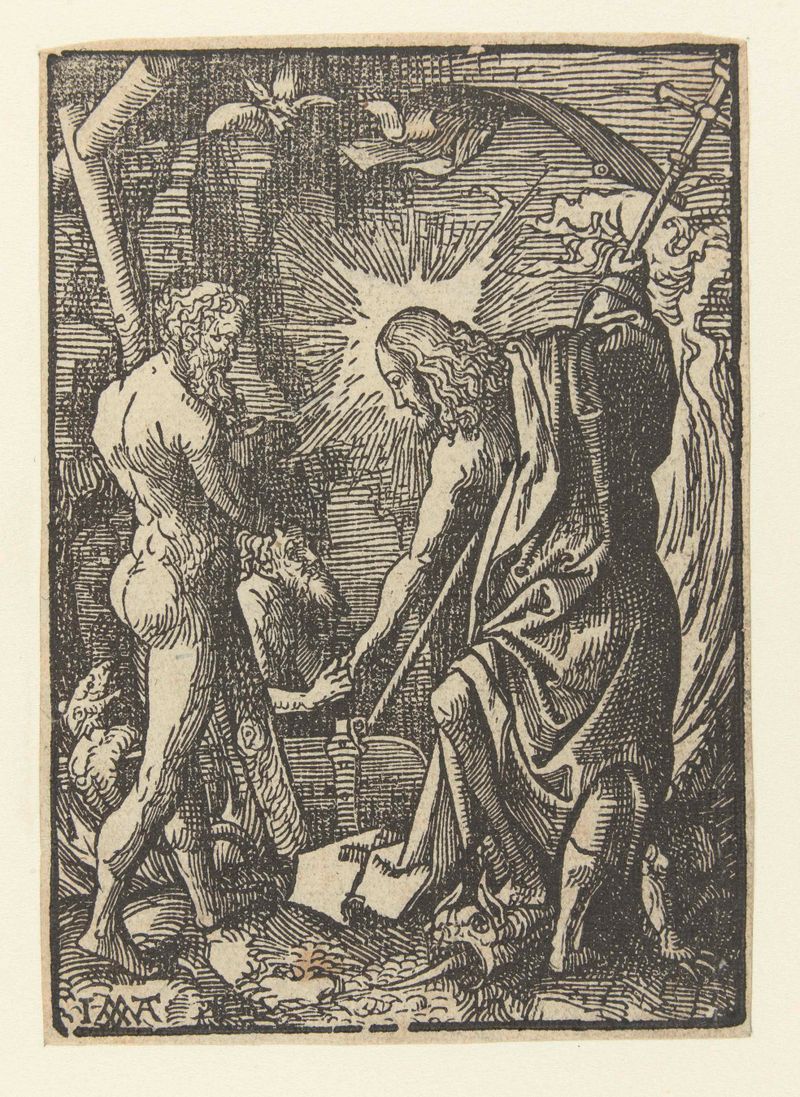
Christus in het voorgeborchte
Jacob Cornelisz van Oostsanen
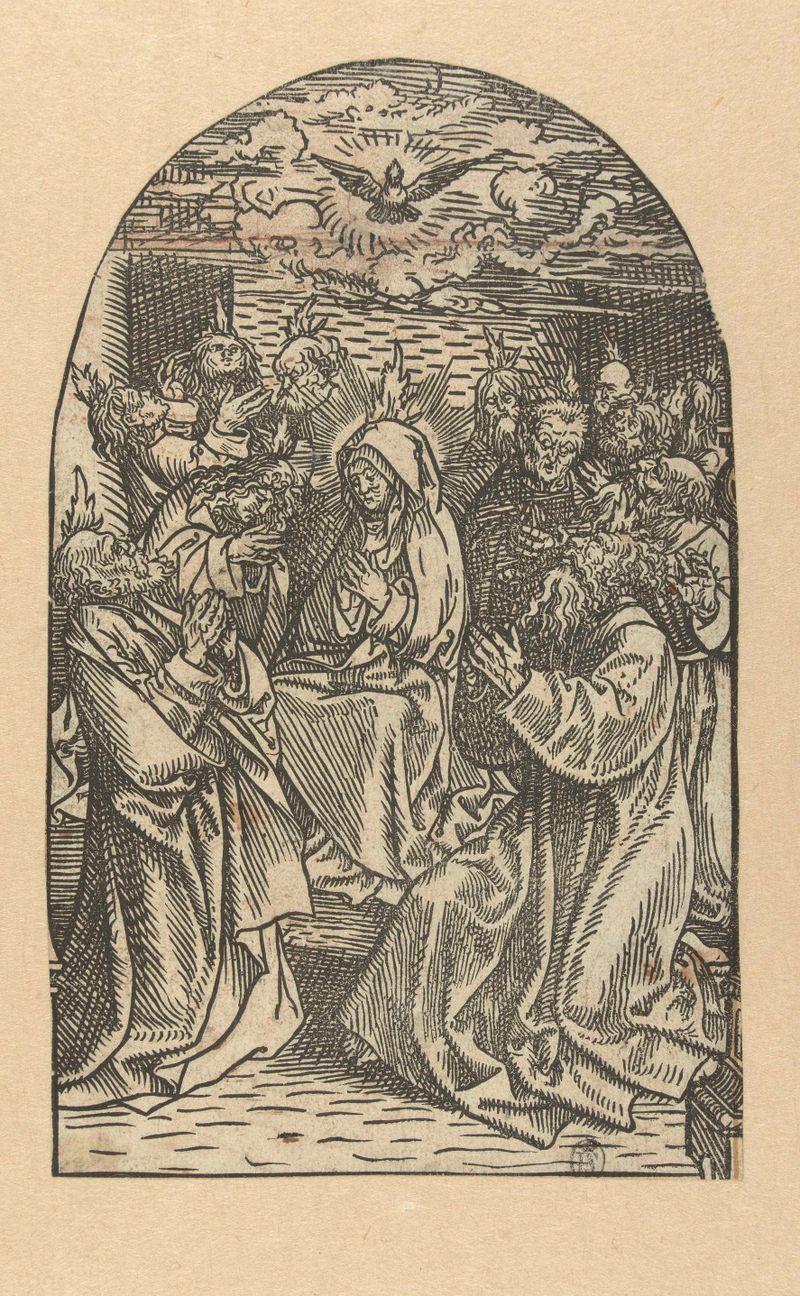
Uitstorting van de Heilige Geest
Jacob Cornelisz van Oostsanen
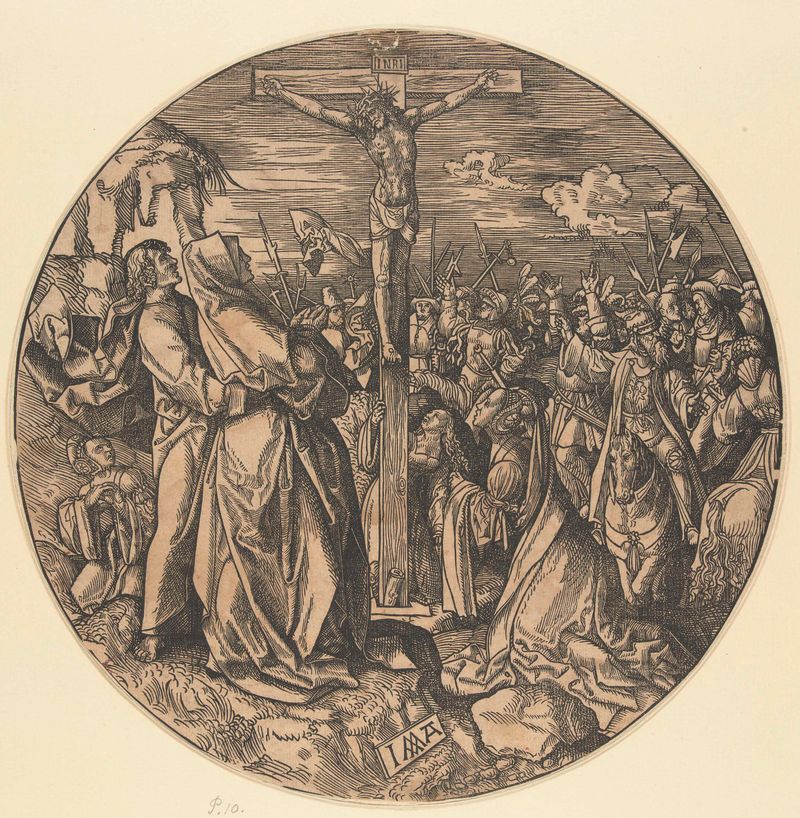
Christus aan het kruis
Jacob Cornelisz van Oostsanen

De kruisiging en de graflegging van Christus
Jacob Cornelisz van Oostsanen
More Portrait Art
Browse all →
Las meninas
Diego Velázquez

Self-portrait with a Bandaged Ear and Pipe
Unidentified artist

Girl with a Pearl Earring
Johannes Vermeer

The Sampling Officials of the Amsterdam Drapers’ Guild, Known as ‘The Syndics’
Rembrandt van Rijn

The Hundred Guilder Print: the man seen on the back in the lower left corner
Rembrandt van Rijn

Portrait of Dr Gachet
Vincent van Gogh