
Marina — History & Facts
What if silence could speak through light? The calm expanse of water stretches out before us, whispering its own tales of solitude and reflection. Look to the center of the canvas, where the tranquil blue of the sea meets the soft, muted hues of the sky. The artist employs a delicate blend of brushstrokes that captures the gentle ripples of water, inviting the viewer's gaze to wander endlessly across the surface. Notice how the play of light creates a sense of depth, each wave illuminated as if the very essence of tranquility is distilled into the pigment.
The subtle contrasts between the soft waves and the horizon evoke a dreamlike quality, reinforcing the theme of isolation. As you observe deeper, the emptiness becomes palpable, stirring a complex emotional resonance. The vastness of the sea is juxtaposed with the absence of human presence, provoking a sense of longing and introspection. The gentle gradient of colors suggests a fleeting moment, perhaps at dawn or dusk, representing the transient nature of existence.
This emptiness is not mere absence; it is an invitation to ponder the silence enveloping us and the weight of unspoken thoughts. In 1870, Courbet found himself immersed in a world grappling with industrialization and political upheaval. Living in France during a time of transformation and conflict, he sought solace in nature, creating artworks that reflected both the beauty and the loneliness of existence. Painted towards the end of his career, Marina embodies his commitment to realism while exploring the introspective depths of the human experience within the natural world.
More Artworks by Gustave Courbet
Browse all →
Marine
Gustave Courbet
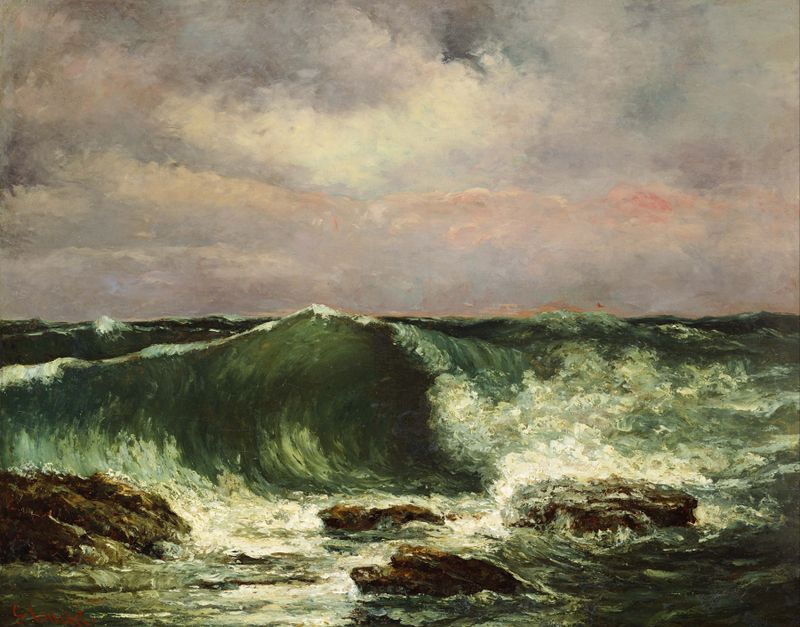
Waves
Gustave Courbet

Étretat; Les Falaises
Gustave Courbet
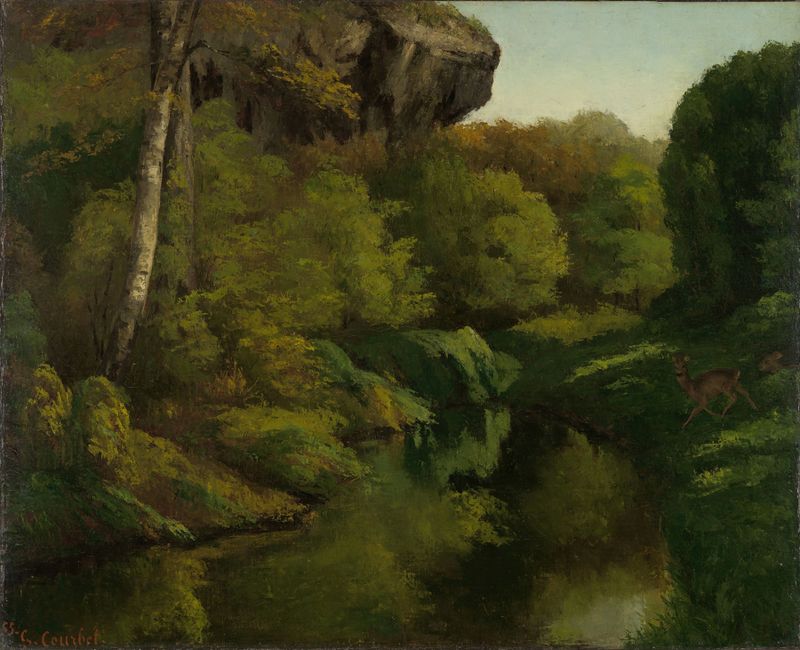
View in the Forest of Fontainebleau
Gustave Courbet
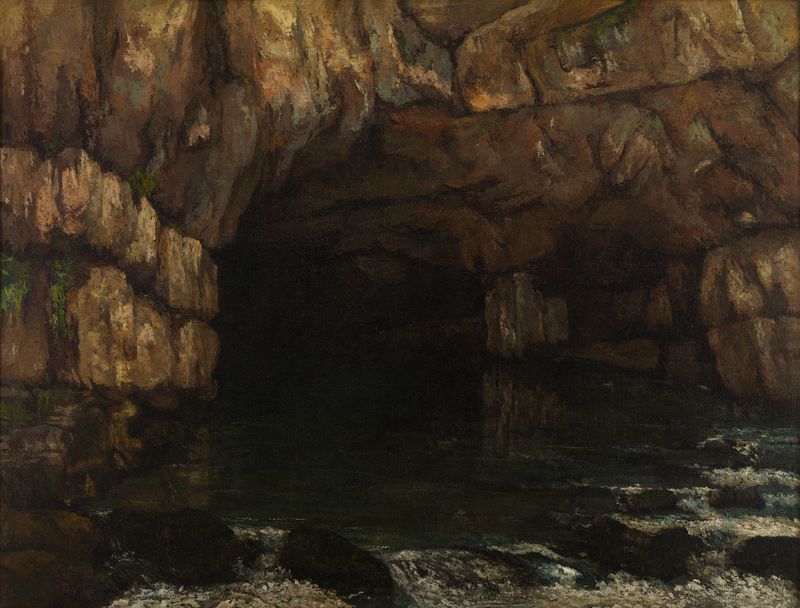
La source de la Loue (The Source of the Loue)
Gustave Courbet

Low Tide at Trouville
Gustave Courbet
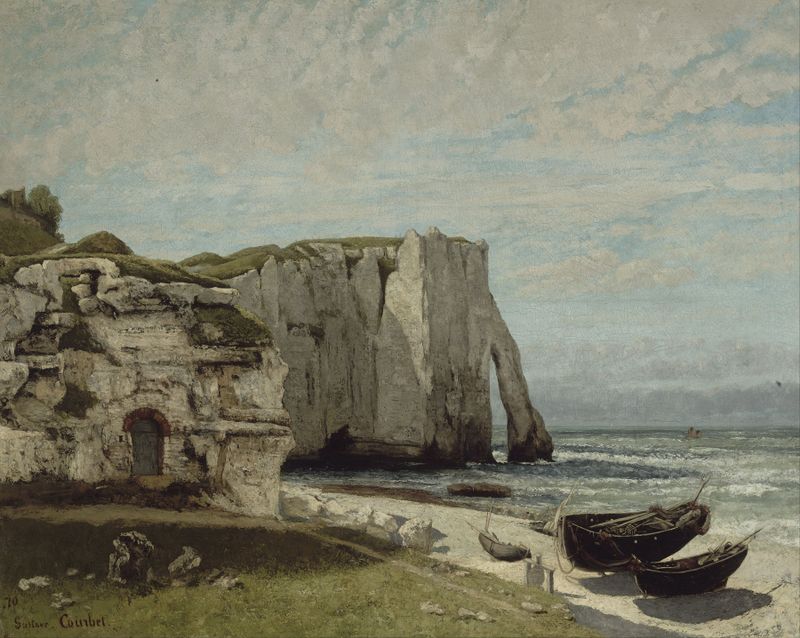
The Etretat Cliffs after the Storm
Gustave Courbet
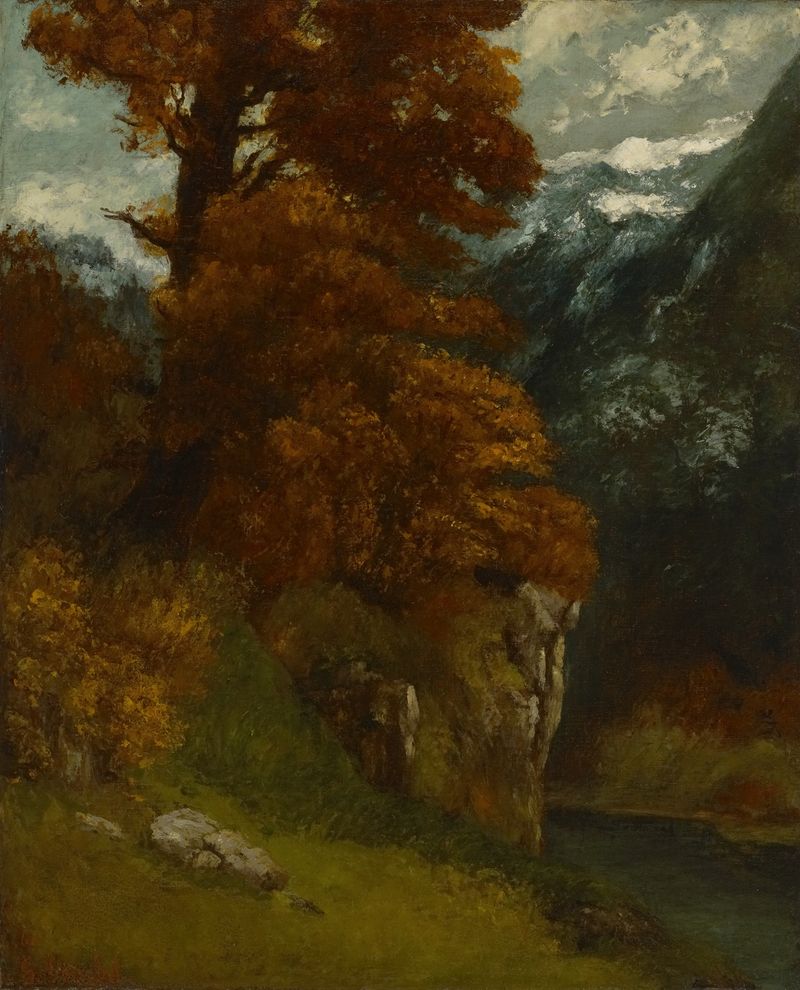
The Glen at Ornans (Bords du Doubs; Effet d’Automne)
Gustave Courbet
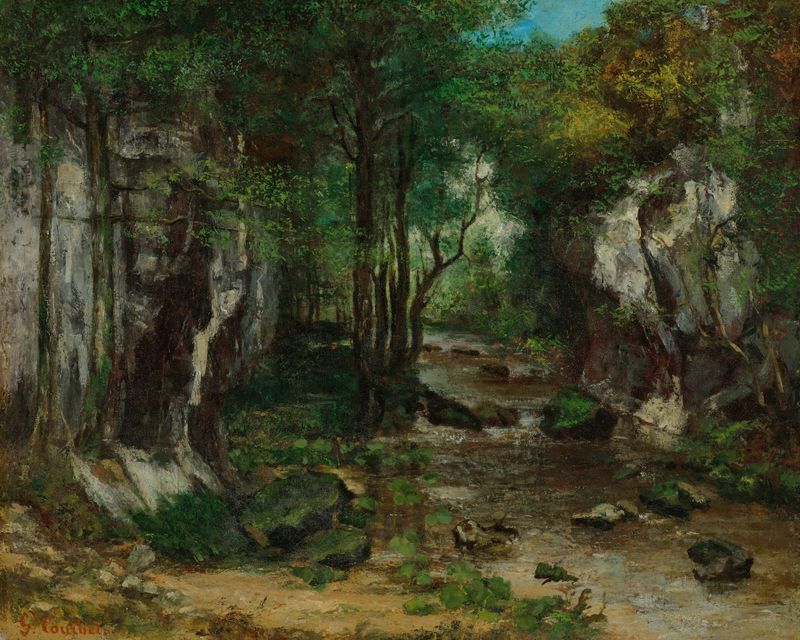
Le Ruisseau de Puits Noir
Gustave Courbet
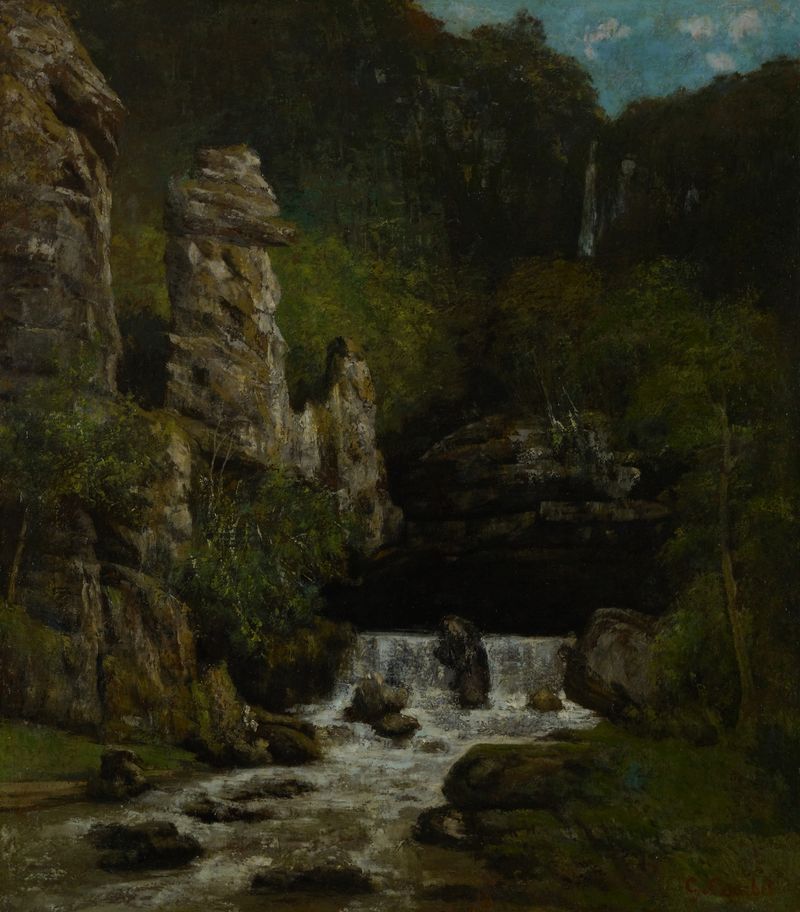
Landscape with a Waterfall
Gustave Courbet





