
Marine — History & Facts
Did the painter know this moment would outlive them? In Marine, Copley Fielding immortalizes a fleeting encounter with nature, weaving the essence of memory into the fabric of his art. Look to the lower right at the rocky shoreline, where delicate waves lap at the stones, shimmering with hues of turquoise and deep indigo. The sky, a breathtaking canvas of soft pastels, transitions from warm gold to cooling lilac, guiding your gaze across the horizon where sea meets sky. Fielding’s masterful brushwork creates a sense of movement, as if the wind could sweep across the canvas, stirring the air and your own spirit. Hidden within this tranquil scene lies a deeper emotional gravity.
The contrast between the serene sea and the jagged rocks speaks to life’s inherent duality—a reminder of calm moments punctuated by turbulence. The gentle play of light across the water reflects fleeting memories, echoing the painter’s contemplation of ephemerality. Each stroke invites the viewer to ponder the personal histories woven into the landscape, as if the sea holds untold stories beneath its surface. Copley Fielding created Marine during a significant period in his life, around the early to mid-19th century, as he continued to develop his reputation in the British art community.
At this time, he was deeply influenced by the Romantic movement, which celebrated nature’s beauty and power. Fielding's commitment to capturing the essence of the English landscape resonated with a growing audience that sought solace in the natural world amidst the industrial changes surrounding them.
More Artworks by Copley Fielding
Browse all →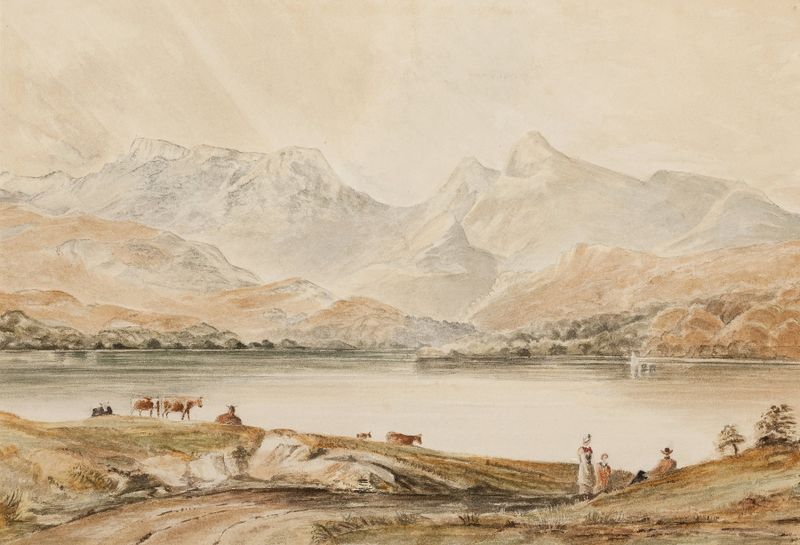
Loch Awe, Scotland
Copley Fielding
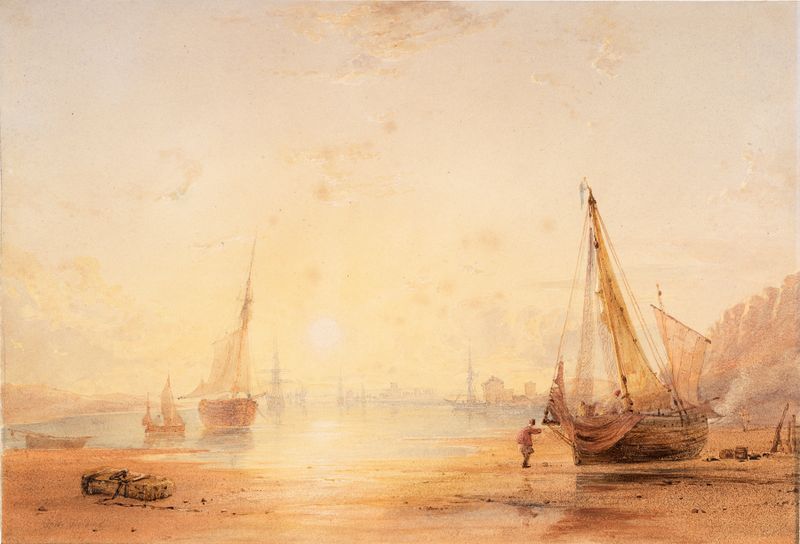
Shoreham Harbour, Sussex
Copley Fielding

Crowborough Hill
Copley Fielding
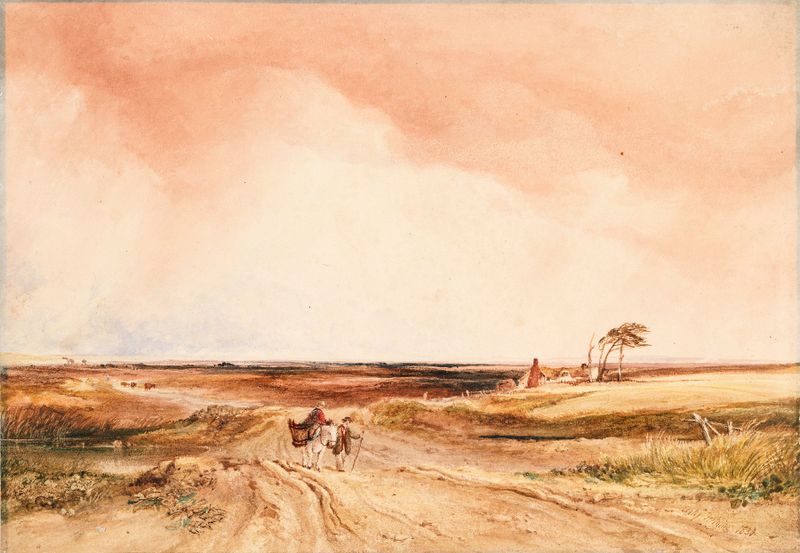
The Wash of Cumberland (Cumbria)
Copley Fielding
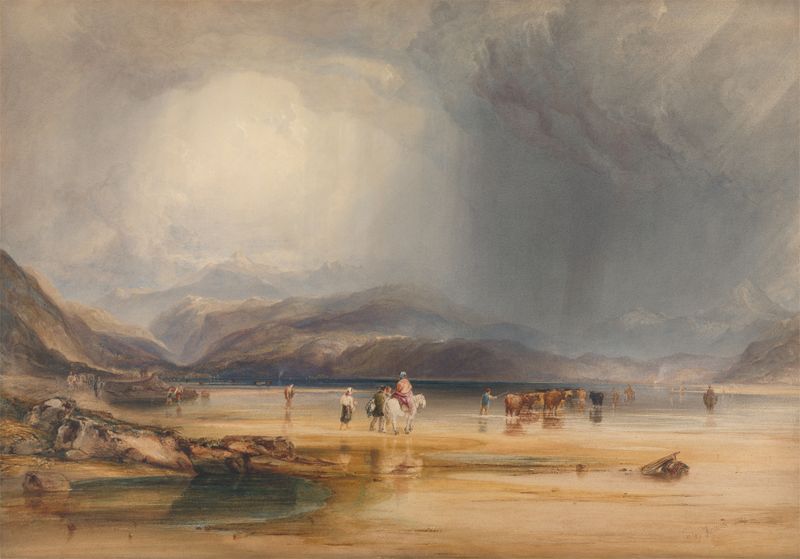
A View of Snowdon from the Sands of Traeth Mawr, taken at the Ford Between Pont Aberglaslyn and Tremadoc
Copley Fielding
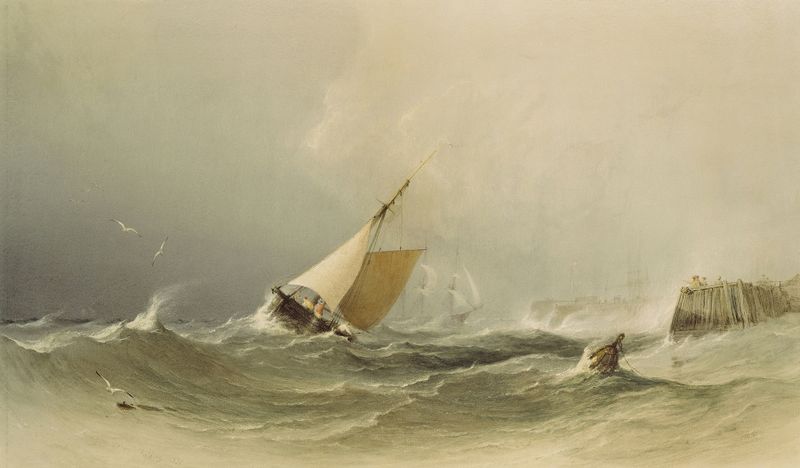
Bridlington Harbour
Copley Fielding
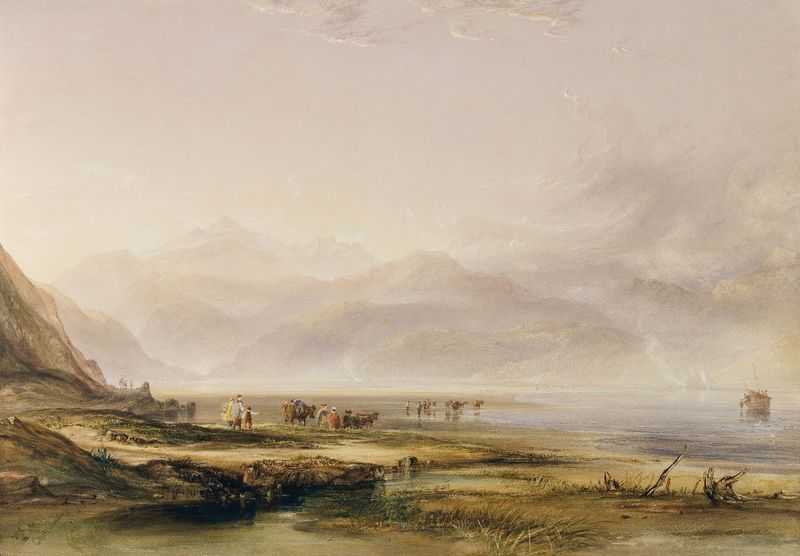
Traeth Mawr
Copley Fielding

The Head of Glencoe, North Argyll, Scotland
Copley Fielding
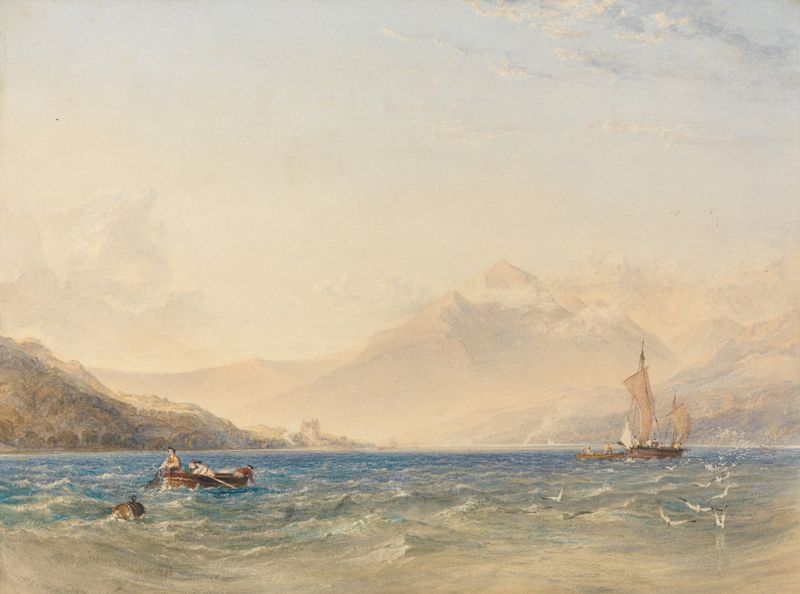
The Head of Loch Fyne, with Dindarra Castle
Copley Fielding
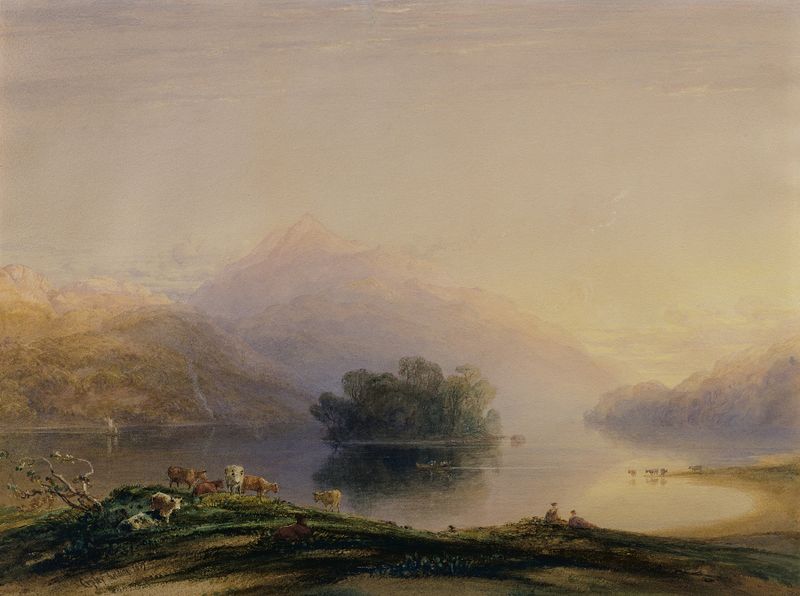
Loch Katrine
Copley Fielding





