
Marine — History & Facts
The legacy of a master reveals itself through every stroke, as the interplay of colors tells a story of beauty and transformation. Look to the center of the canvas, where vibrant blues and greens meld into swirling patterns, echoing the rhythms of the sea. Notice how the waves seem to dance under the luminescent light, each brushstroke capturing a fleeting moment in time. The dazzling interplay of sunlight on the water creates a shimmering effect, inviting you to trace the flow of movement across the surface. Hidden within the harmonious chaos lies a deeper commentary on nature's duality — the calm juxtaposed with the tumult of waves.
The delicate balance of light and shadow suggests a dialogue between peace and turbulence, reflecting the artist’s own tumultuous life experiences. Each ripple carries an echo of vitality and fragility, a reminder of the transient beauty of existence. In this period, Renoir was navigating the complexities of his artistic identity, striving to merge Impressionism with his personal vision. Painting Marine during the late 19th century, amidst the evolving art movements of the time, he sought to solidify his legacy, capturing the essence of nature while contributing to the broader dialogue of modern art.
More Artworks by Pierre-Auguste Renoir
Browse all →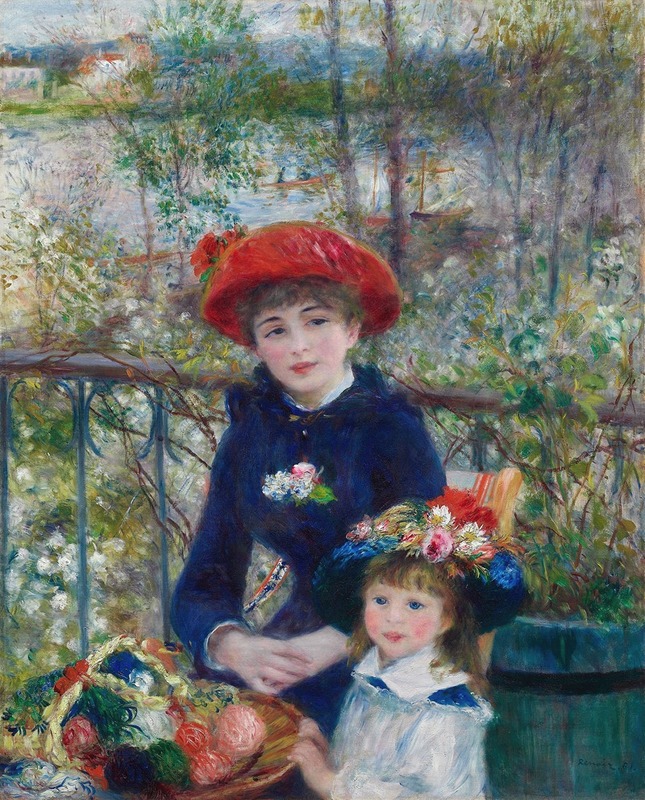
Two Sisters (On the Terrace)
Pierre-Auguste Renoir
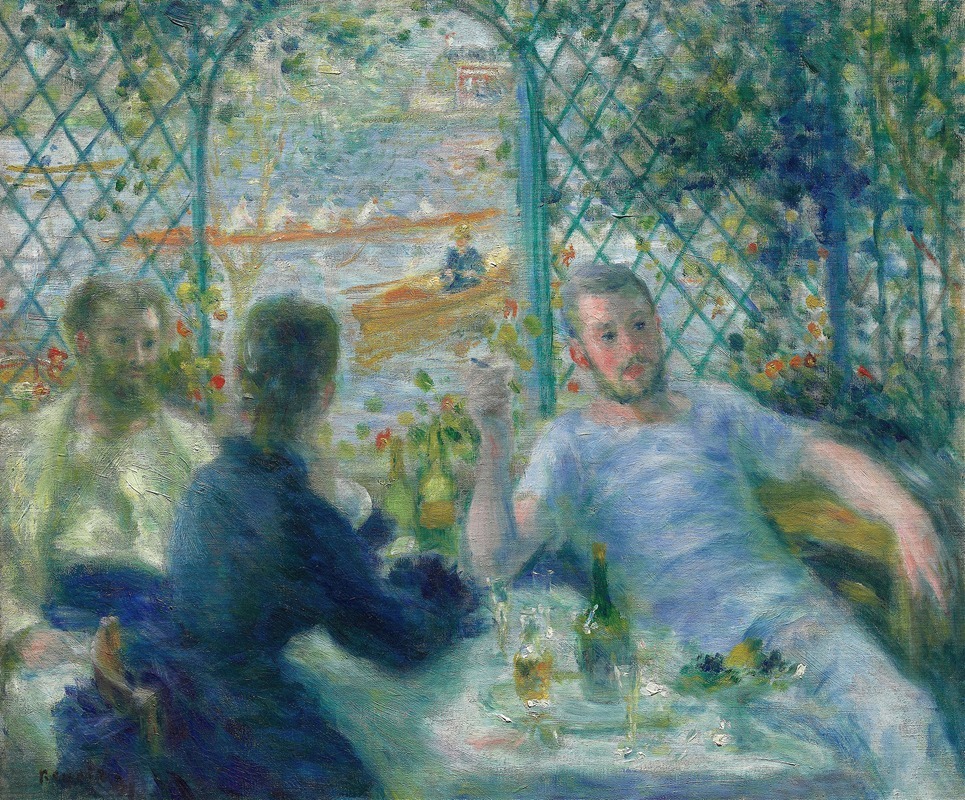
Lunch at the Restaurant Fournaise (The Rowers' Lunch)
Pierre-Auguste Renoir
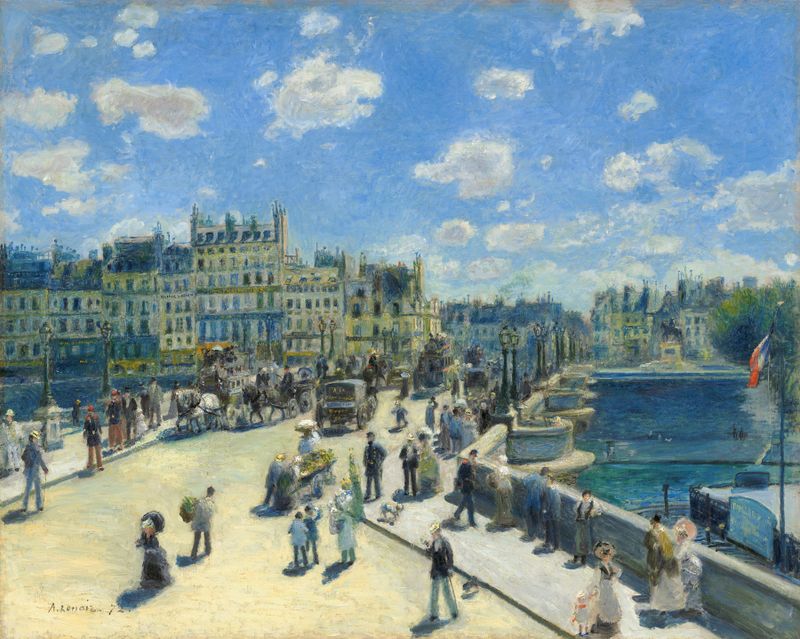
Pont Neuf, Paris
Pierre-Auguste Renoir
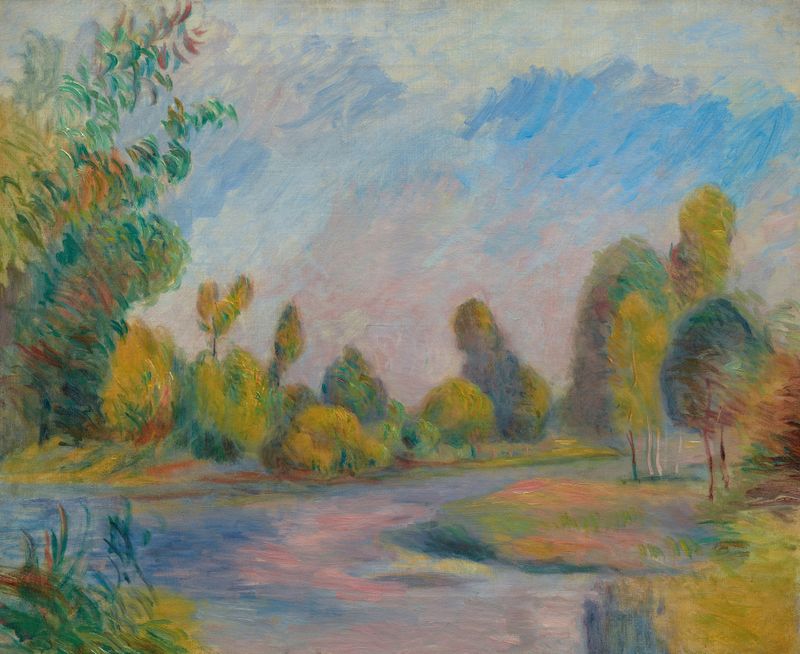
Au bord de la rivière
Pierre-Auguste Renoir

Near the Lake
Pierre-Auguste Renoir
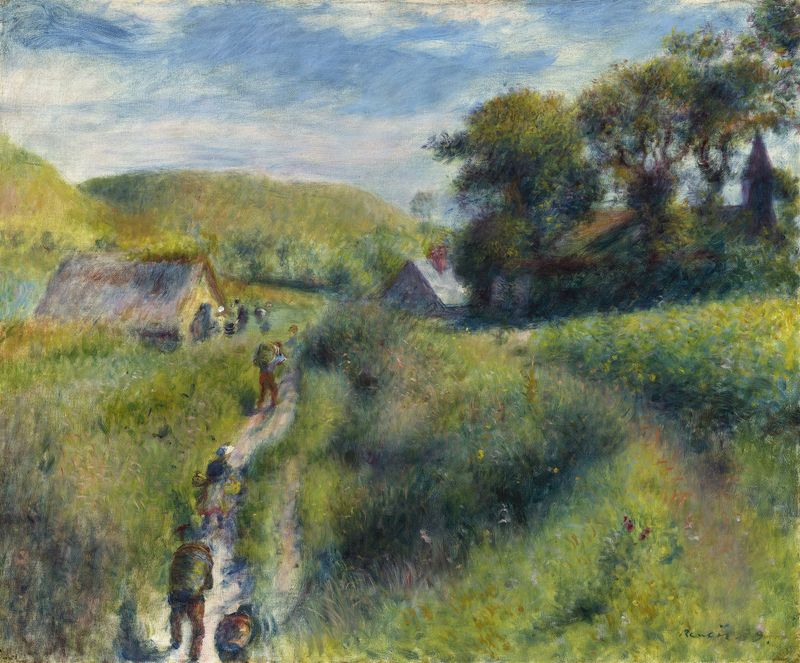
The Mussel Harvest
Pierre-Auguste Renoir

The Seine at Chatou
Pierre-Auguste Renoir
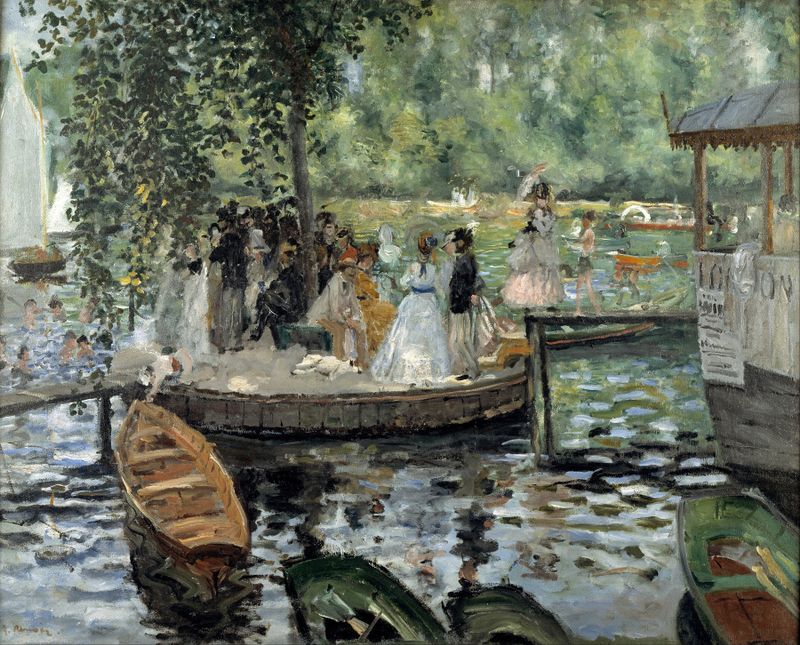
La Grenouillère
Pierre-Auguste Renoir
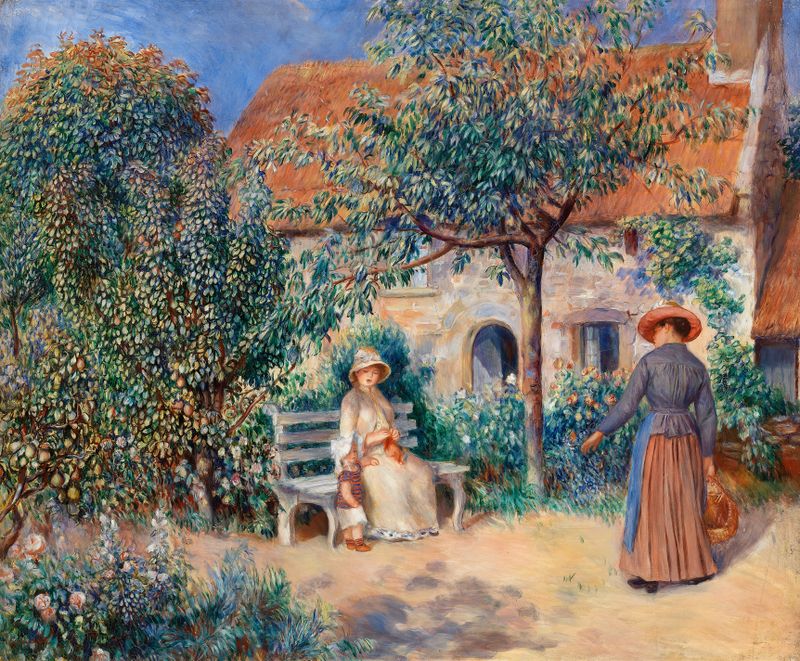
In Brittany (En Bretagne)
Pierre-Auguste Renoir
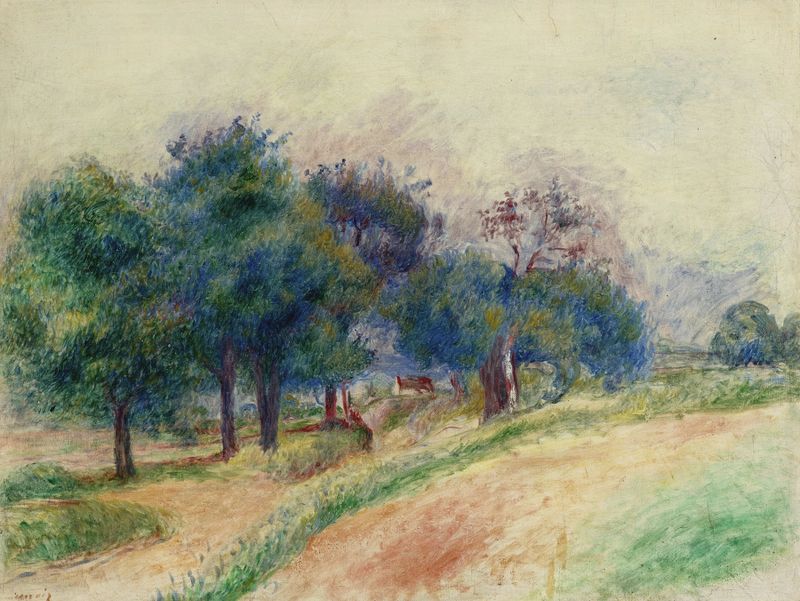
Paysage d’Essoyes
Pierre-Auguste Renoir





