
Mariánsky Dvor in Košice — History & Facts
When did color learn to lie? In a world bound by the constraints of reality, dreams often shimmer just beyond the surface, waiting for the bold to plunge into their depths. Look to the center of the canvas, where the vibrant hues of sky-blue and gentle yellows meld into an ethereal backdrop. The architectural forms rise with a quiet elegance, their soft contours inviting the viewer to trace their outlines. Notice how the artist employs light to dance across the surfaces, creating shadows that breathe life into the scene.
Each brushstroke is deliberate, conveying a sense of harmony that transcends mere representation. Yet, hidden within the beauty lies an underlying tension. The juxtaposition of the tranquil environment against the looming structures subtly hints at the complexities of urban life. The colors, while idyllic, seem to mask an unspoken narrative of the passage of time, evoking nostalgia for an era that blends the familiar and the dreamlike.
In the distance, a solitary figure stands, embodying solitude amidst the bustling life that the painting suggests, an invitation to ponder the stories of those who once walked these streets. Created between 1910 and 1915, the artist worked during a period of great change in Eastern Europe. Emerging from the shadows of traditional realism, he sought to capture the spirit of his surroundings with a modern touch. In Košice, where he painted this piece, the bustling city life began to intertwine with the echoes of history, and the artist found inspiration in developing an artistic language that spoke to both the present and the dreams of the past.
More Artworks by Ľudovít Čordák
Browse all →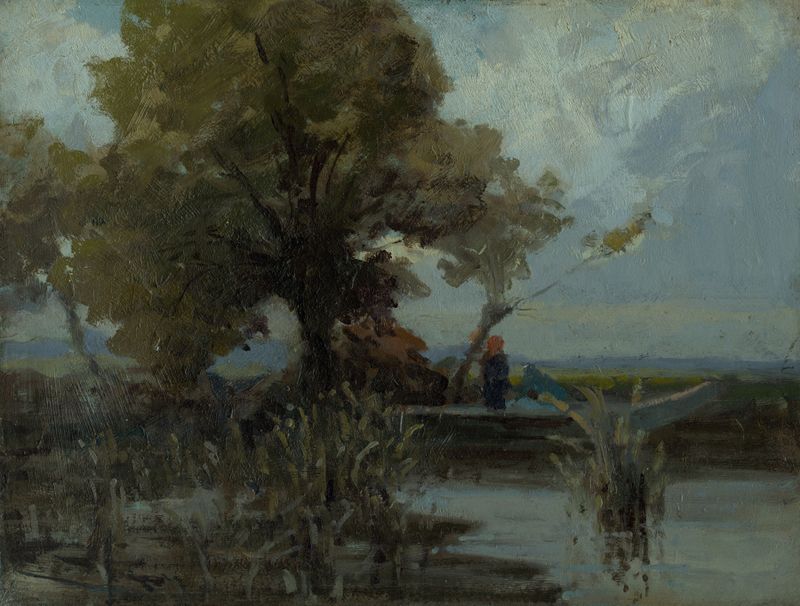
Košatý strom pri jazere
Ľudovít Čordák
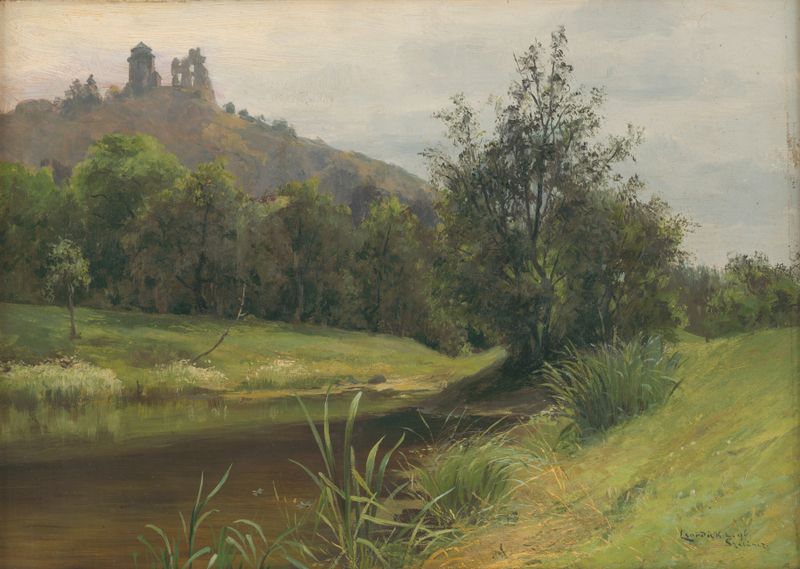
Močarina pod Slaneckým hradom
Ľudovít Čordák
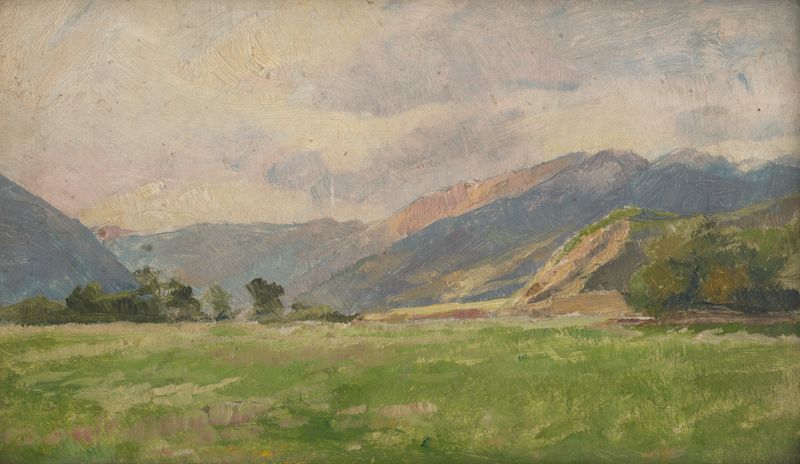
Mountain Meadow
Ľudovít Čordák
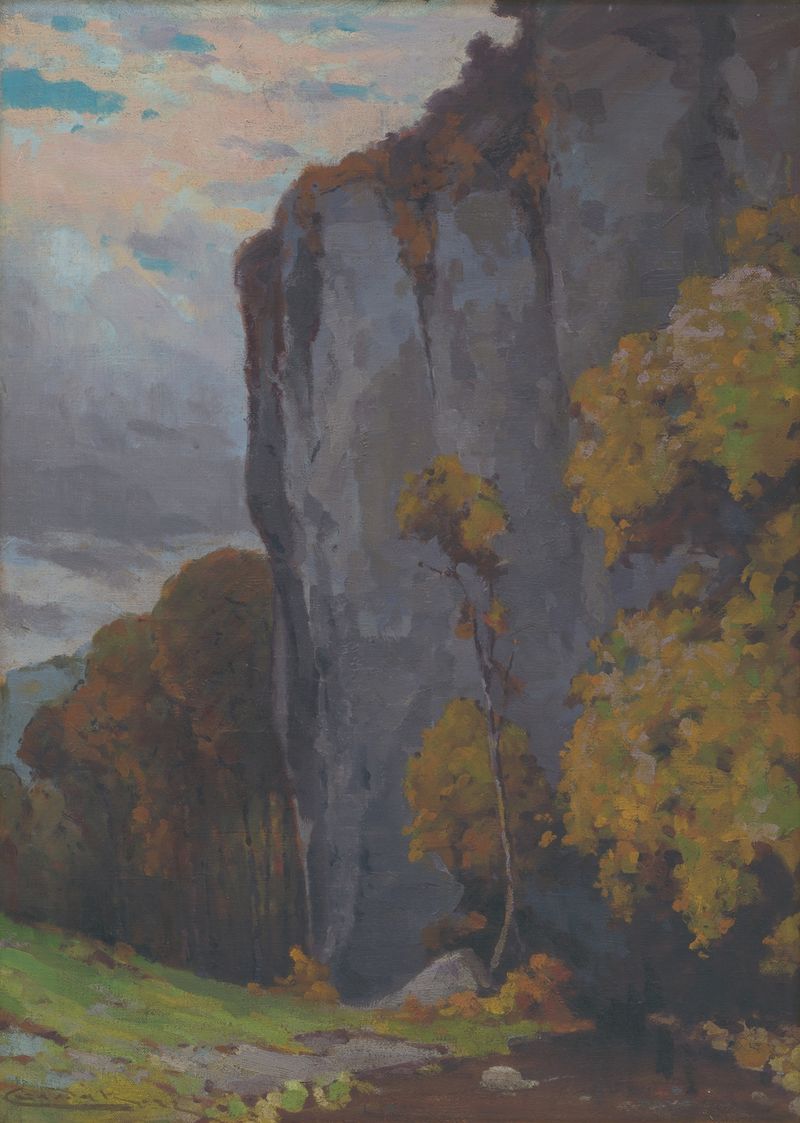
Zádiel
Ľudovít Čordák
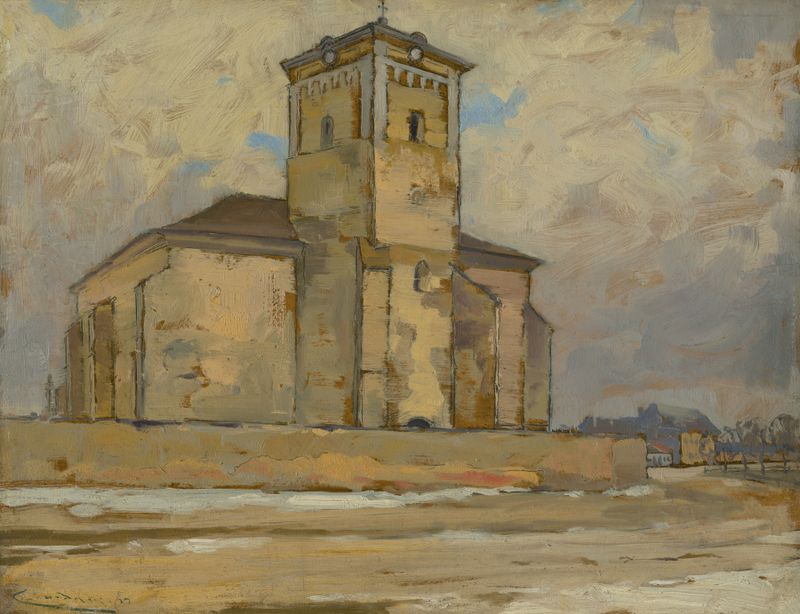
Church in Moldova
Ľudovít Čordák
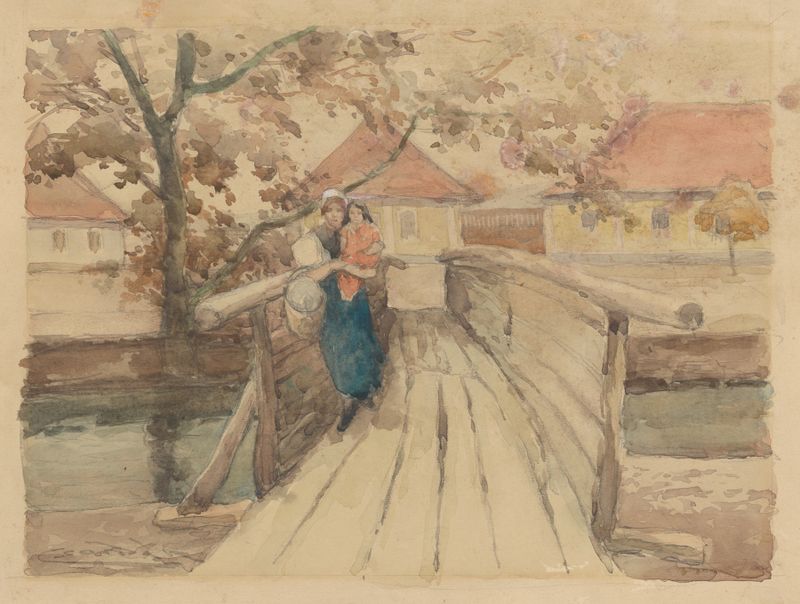
Wooden bridge
Ľudovít Čordák
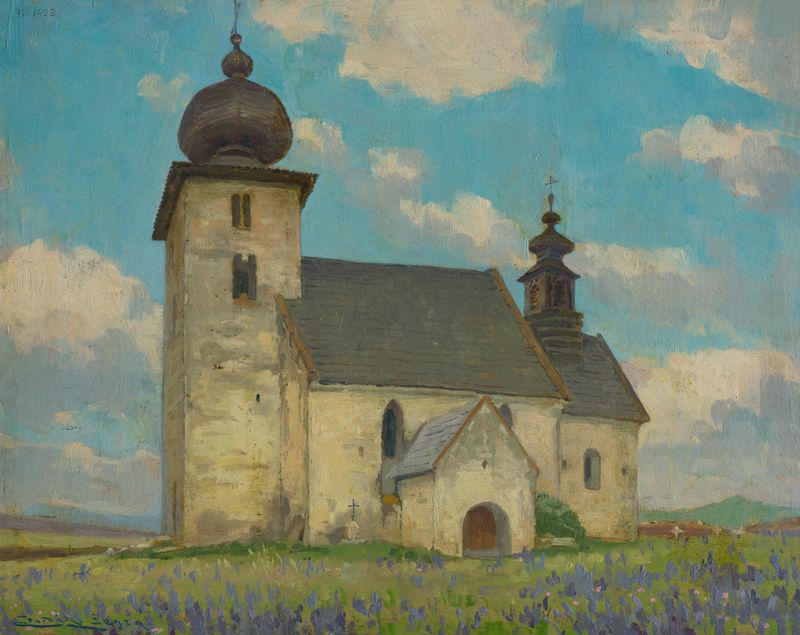
Gothic church in Žehra
Ľudovít Čordák
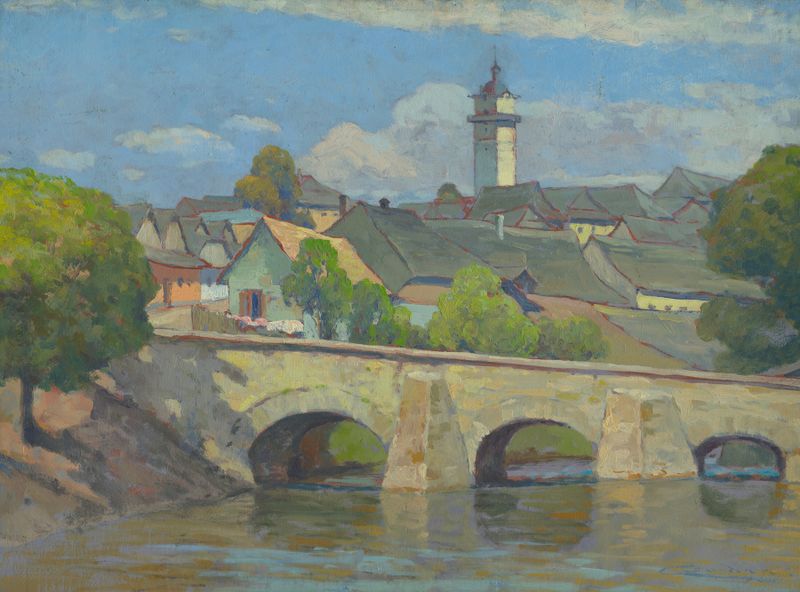
A small town in Spiš
Ľudovít Čordák
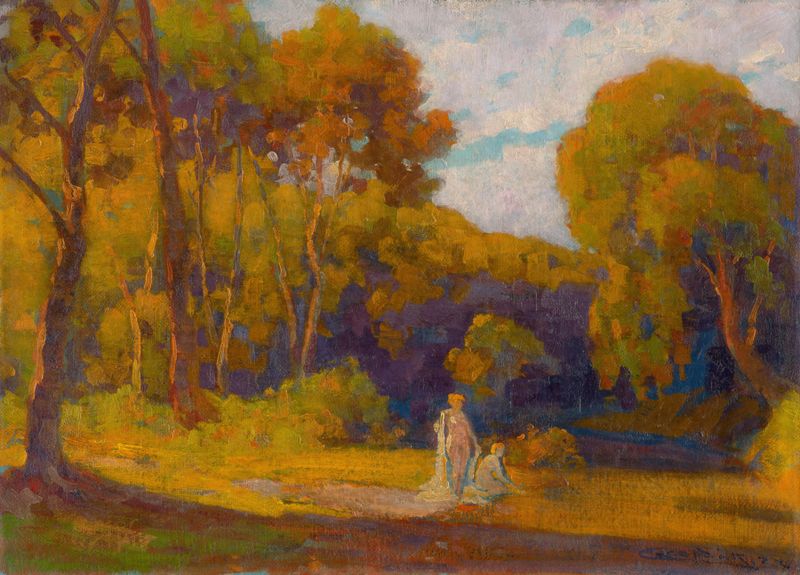
At Sunset
Ľudovít Čordák
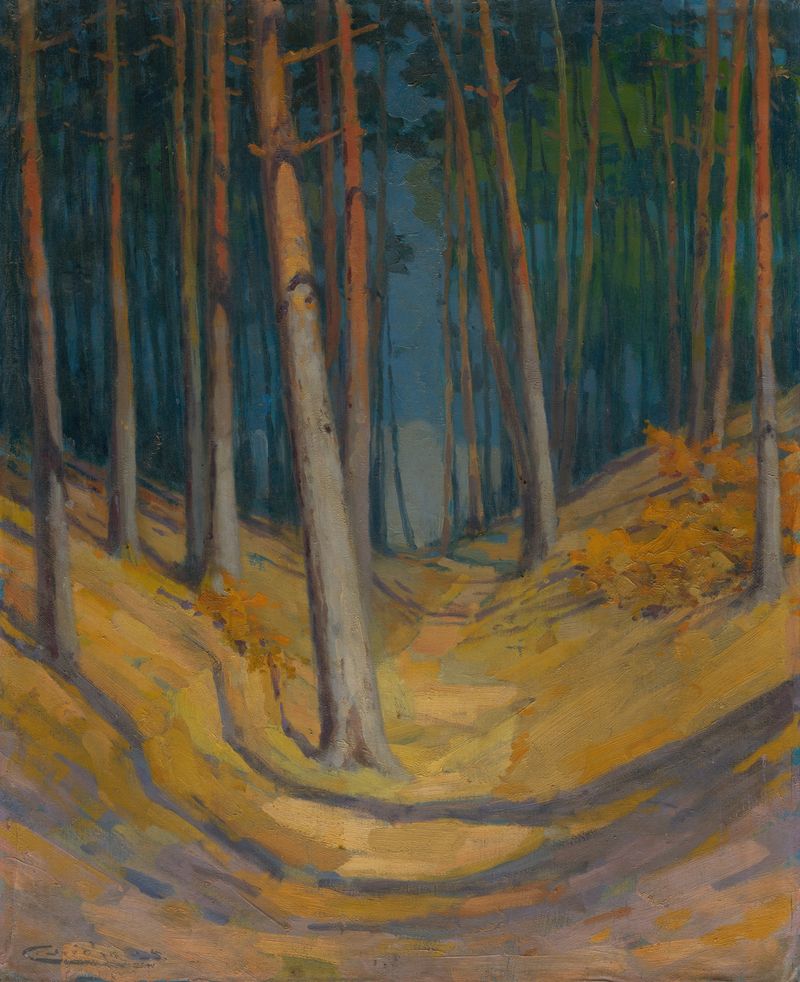
Forest
Ľudovít Čordák





