
Marriage A-la-Mode: 2. The Tête à Tête — History & Facts
A sense of disorder reigns in this grand interior, where the aftermath of a night’s revelry is written across every surface and face. The eye is drawn first to the young couple at the heart of the scene: their marriage, it seems, is already unraveling. The husband slouches in his chair, drained and indifferent, while his wife stretches with a languid, almost defiant air, her gaze turned away.
Scattered sheet music, a toppled chair, and a dog tugging at a lady’s undergarment all speak of chaos and secrets, while the accountant at the door—his pockets stuffed with bills—casts a wary glance back, as if eager to escape the scene. This is the world of mid-eighteenth-century England, where artists like William Hogarth wielded paintbrushes as sharp as any satirist’s pen. Around 1743, when this work was made, narrative paintings like this one were both entertainment and moral lesson, commissioned by a rising middle class hungry for stories about the follies of wealth and fashion. Marriage A-la-Mode: 2.
The Tête à Tête belongs to a tradition that delights in exposing the cracks beneath polished surfaces, using every detail—the cluttered mantel, the mismatched gestures, the weary dog—to invite viewers to read between the lines. Today it hangs in The National Gallery, a vivid window onto a society both fascinated and unsettled by its own reflection. Look again, and notice how every object seems to whisper a new clue to the story.
More Artworks by William Hogarth
The Graham Children
William Hogarth
Marriage A-la-Mode: 4. The Toilette
William Hogarth
Marriage A-la-Mode: 5. The Bagnio
William Hogarth
Marriage A-la-Mode: 3. The Inspection
William Hogarth

Miss Mary Edwards
William Hogarth
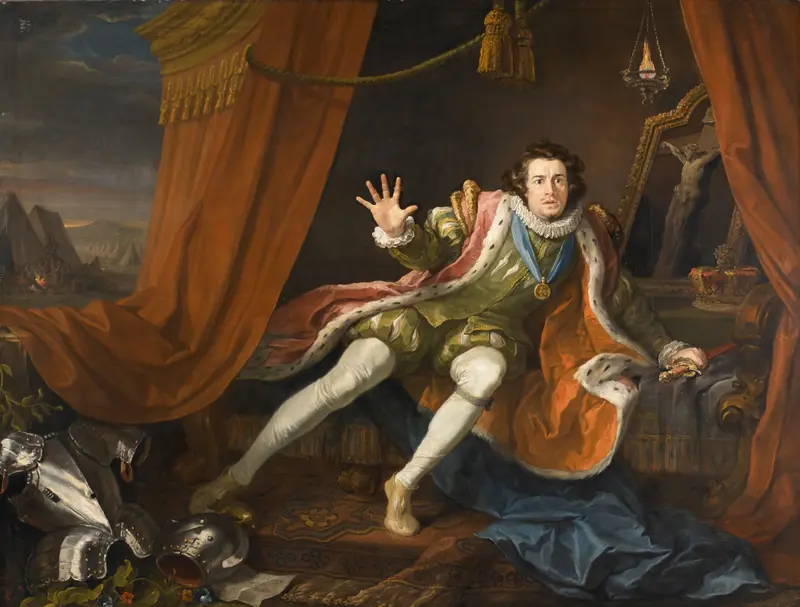
David Garrick as Richard III
William Hogarth
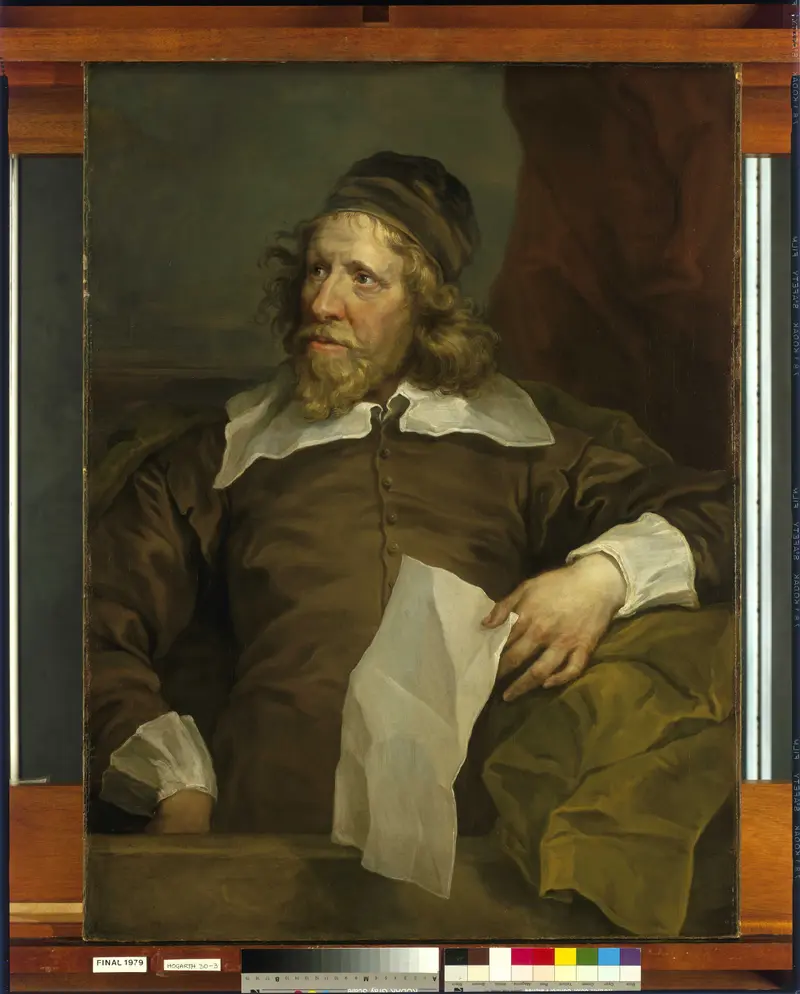
Inigo Jones, 1573-
William Hogarth
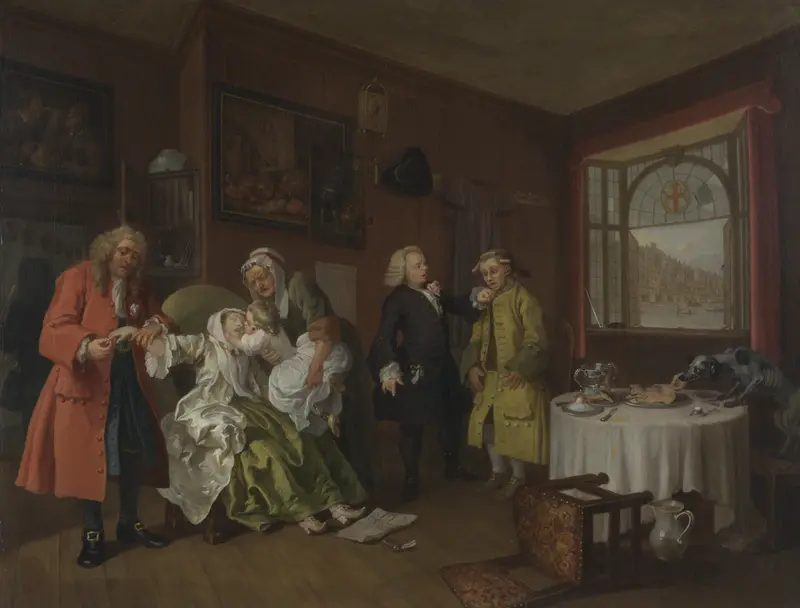
Marriage A-la-Mode: 6. The Lady's Death
William Hogarth
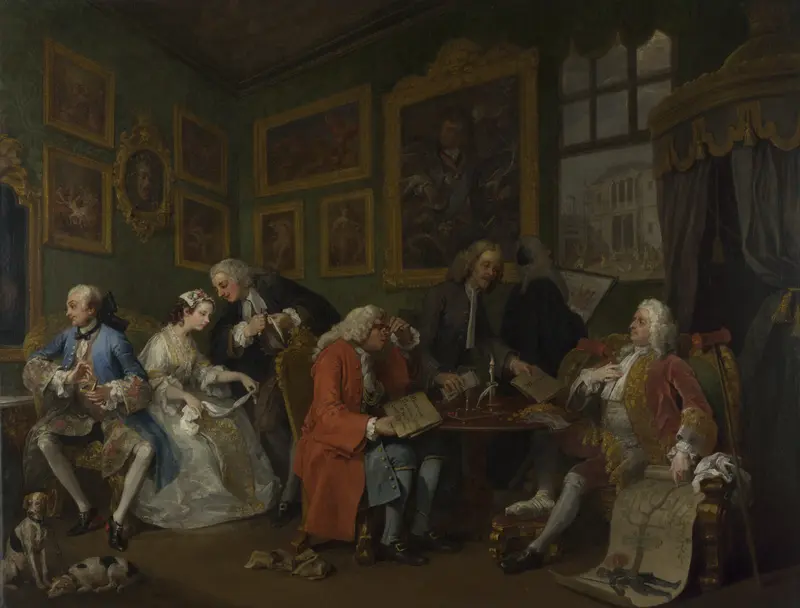
Marriage A-la-Mode: 1. The Marriage Settlement
William Hogarth

Before and After
William Hogarth
More Genre Scene Art

Banquet of the Officers of the St George Civic Guard
Frans Hals

Rembrandt and Saskia in the Scene of the Prodigal Son
Rembrandt van Rijn

Bal du moulin de la Galette
Pierre-Auguste Renoir

Quadrille at the Moulin Rouge
Henri de Toulouse-Lautrec

A Burial at Ornans
Gustave Courbet

When Will You Marry?
Paul Gauguin