
Marseille. Bateaux à quai — History & Facts
What if beauty was never meant to be finished? In Marseille. Bateaux à quai, the artist invites us into a moment suspended between expectation and reality, where the allure of the unfinished whispers deeper truths about existence. Look to the left at the softly rendered silhouettes of boats, their shapes emerging from the gentle murmur of the dock. Notice how the sunlight dances on the water’s surface, casting fleeting shadows that weave in and out of view, creating a dialogue between light and dark.
The colors evoke warmth — muted blues and earthy tones — as if the scene breathes in harmony with the Mediterranean air. This careful composition draws you in, inviting contemplation of both the vessels and the world beyond. Yet, there’s an underlying tension that flows through the painting. The contrasting elements of stillness and movement suggest a life just out of reach; the boats await their journeys, anchored yet full of potential.
Shadows, sharp and elongated, hint at the passage of time, a reminder of what is left unsaid. Each detail, from the gentle ripples in the water to the slight tilt of the boats, conveys an ephemeral beauty that lingers in the viewer’s mind. In 1929, Armand Apol painted this piece during a period in France marked by artistic exploration and social change, just before the full impact of the Great Depression. Living in Marseille, he immersed himself in the local harbor life, capturing the essence of a bustling city transitioning into modernity.
Amidst the backdrop of burgeoning artistic movements, this work stands as a testament to the simple yet profound beauty of everyday scenes.
More Artworks by Armand Apol
Browse all →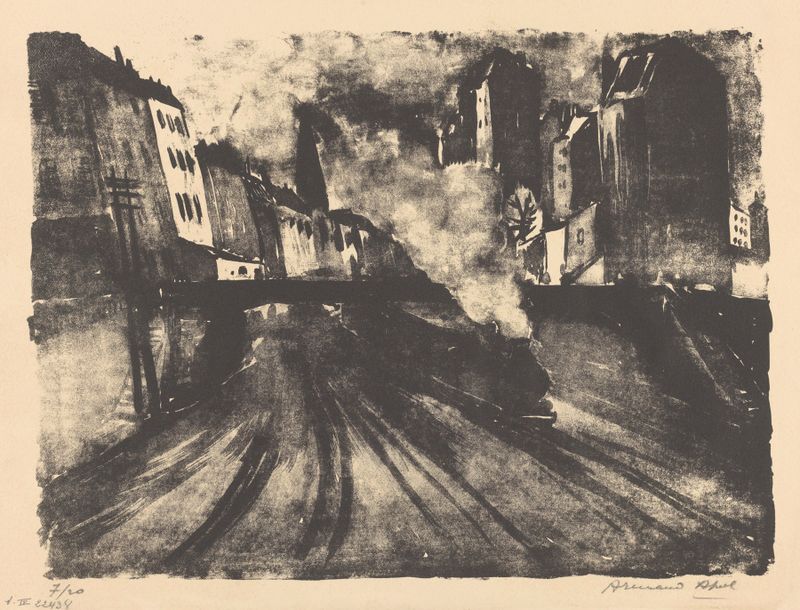
Chemin de fer de ceinture à Paris
Armand Apol
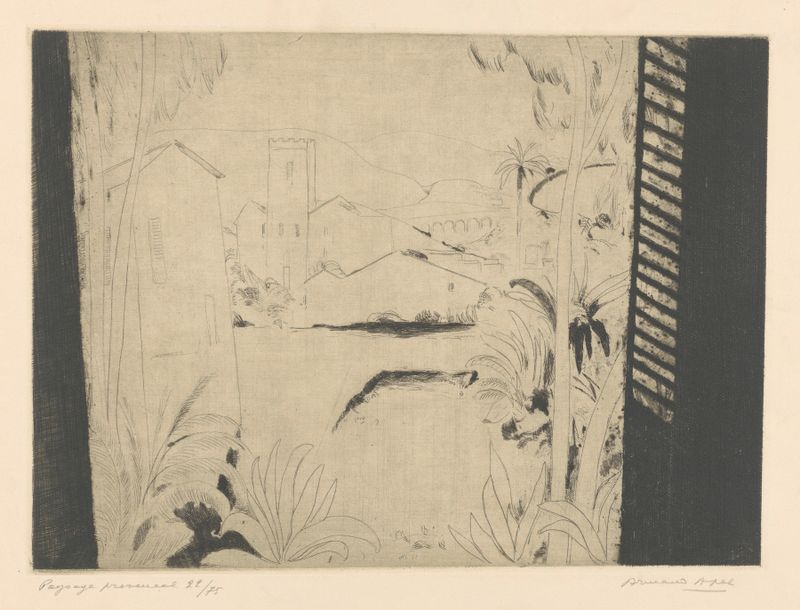
Paysage provençal
Armand Apol
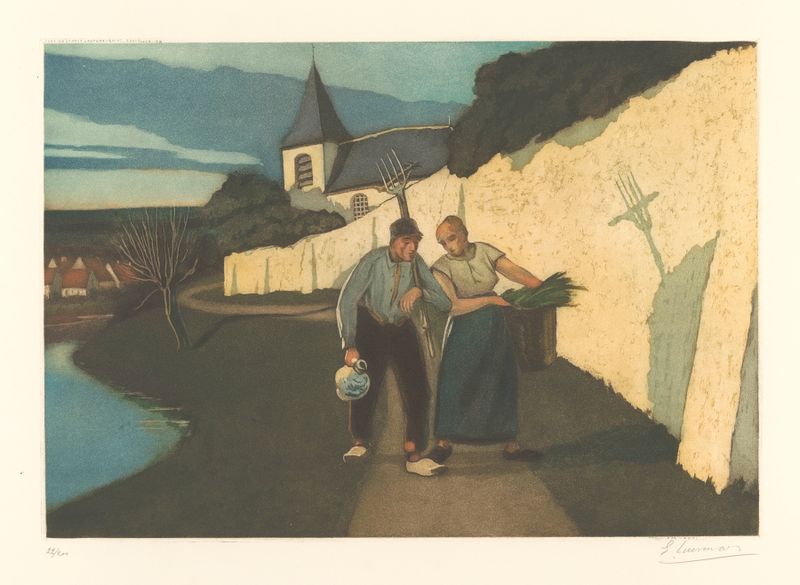
Retour des champs
Armand Apol
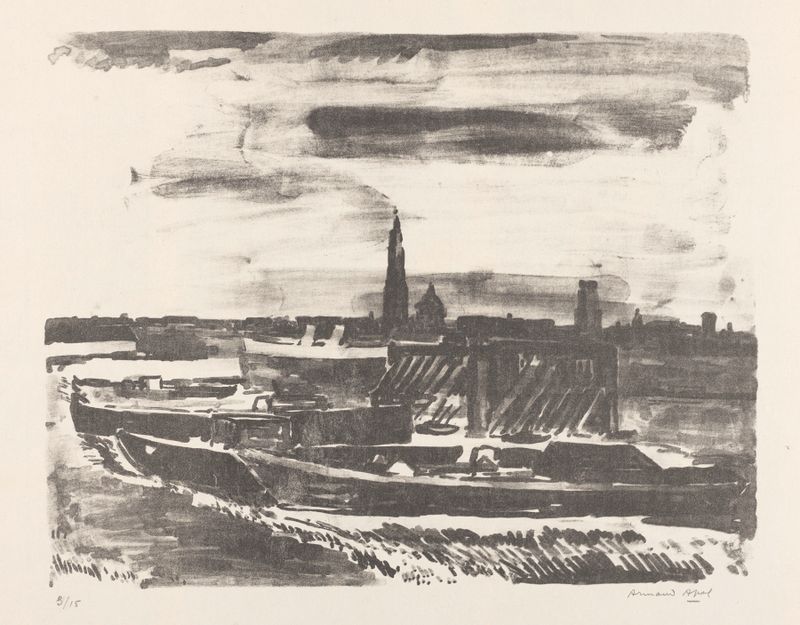
Bateaux à quai à Anvers
Armand Apol
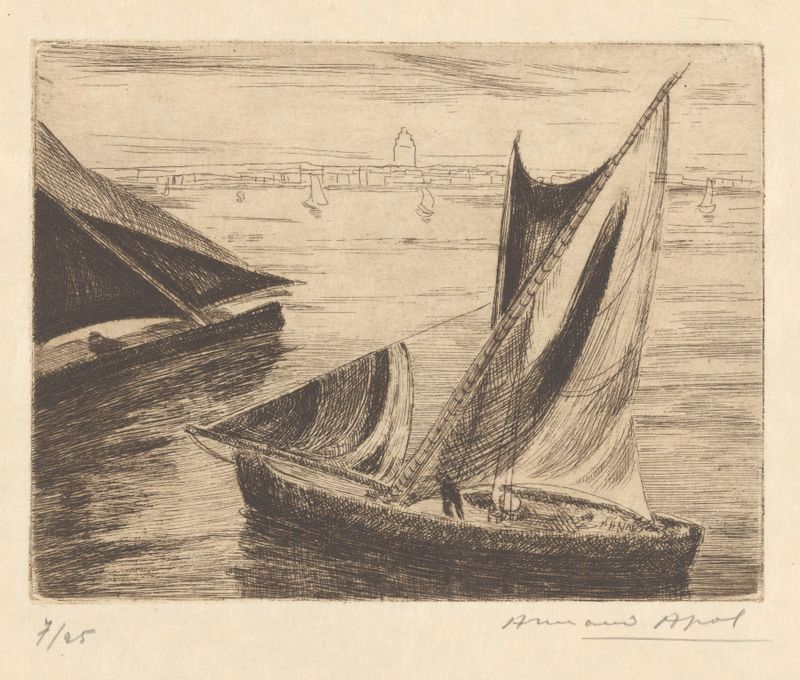
Marseille. Tartanes
Armand Apol
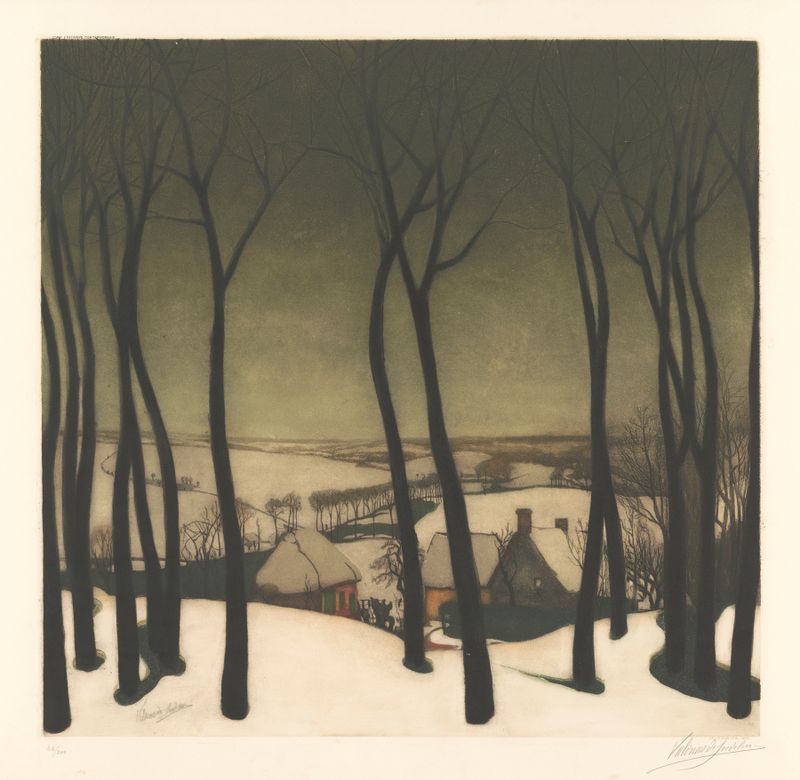
Paysage
Armand Apol
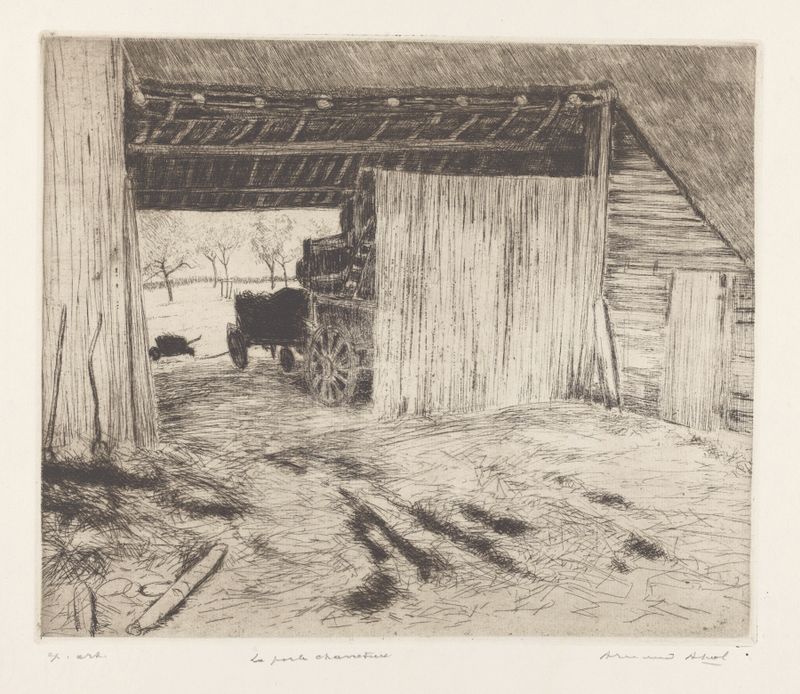
La porte charretière
Armand Apol
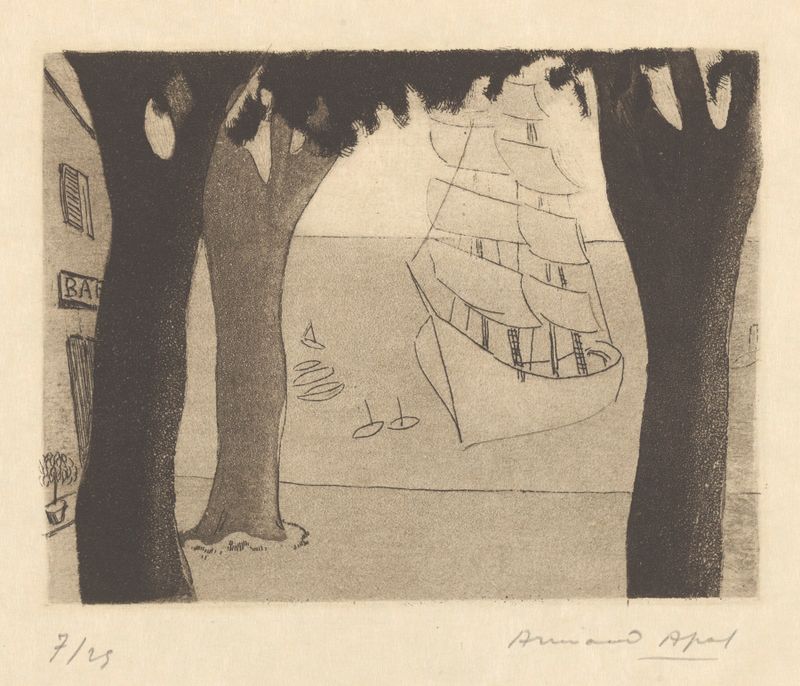
Cassis. Vue sur le port
Armand Apol
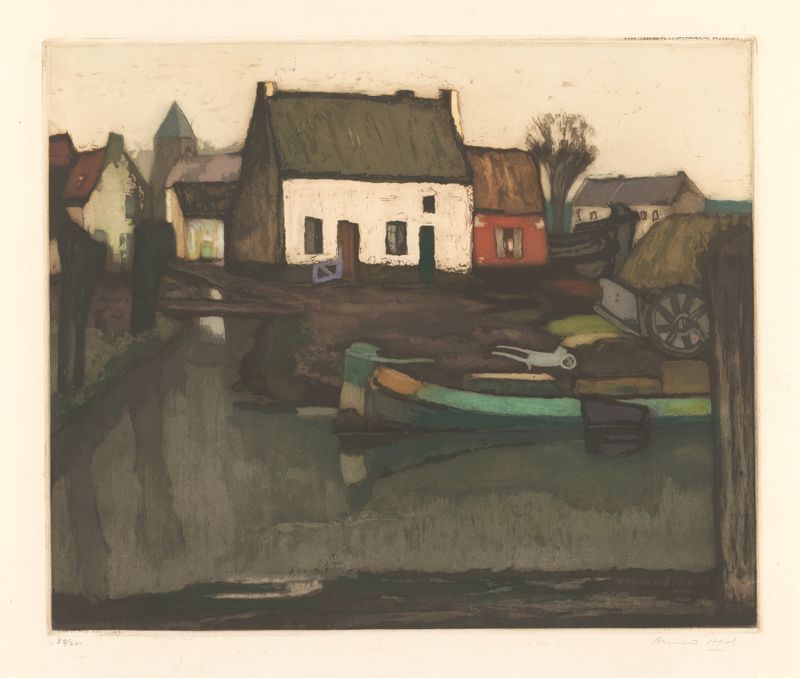
Bord du canal
Armand Apol
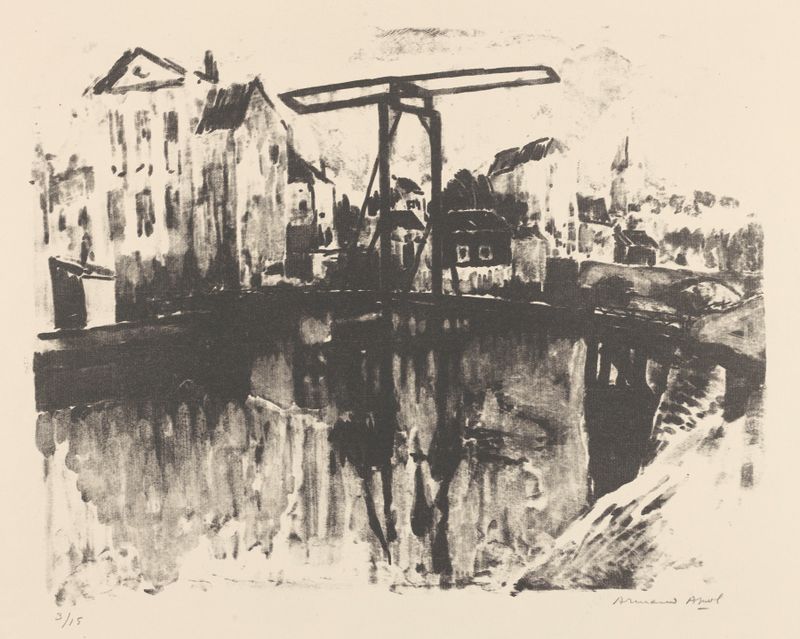
Pont basculant dans une ville
Armand Apol





