
Martelaarschap van de heilige Bartholomeus — History & Facts
What grips the viewer first in this print is the raw, unflinching confrontation between flesh and fate. The central figure, bound to a tree, contorts in a gesture that is both agony and defiance, his arms twisted high above his head as a knife-wielding executioner prepares to carry out his grim task. Every muscle and sinew is rendered with a precision that refuses to look away from suffering; the artist leads your eye from the taut wrists to the strained neck, then to the impassive faces of the onlookers.
Light falls starkly across the martyr’s body, isolating him against the background and making his ordeal the sole focus, while the shadowed scribe at left, calmly recording the event, signals the transformation of violence into history. The composition’s severity is heightened by the rough landscape and the absence of comforting detail—nothing distracts from the moment of trial. This work belongs to the early seventeenth-century world of Jusepe de Ribera, a Spanish artist who made his name in Naples with images that did not shy from the physical realities of martyrdom. Prints like this were created for a wide audience, circulating the stories of saints and their torments far beyond the reach of a single altarpiece.
The Martelaarschap van de heilige Bartholomeus draws on the Baroque fascination with the body under duress, a theme that resonated in Catholic Europe’s age of reform and spectacle. Ribera’s contemporaries, too, explored such scenes—Caravaggio’s version, for example, is more theatrical, but Ribera’s print is intimate in its brutality. Though this specific sheet’s journey through time is little recorded, its date and dedication root it firmly in the artist’s Neapolitan years, inviting us to return to the image and reckon with its unvarnished humanity.
More Artworks by Jusepe de Ribera

Saint Francis of Paola
Jusepe de Ribera

Penitent Saint Peter
Jusepe de Ribera
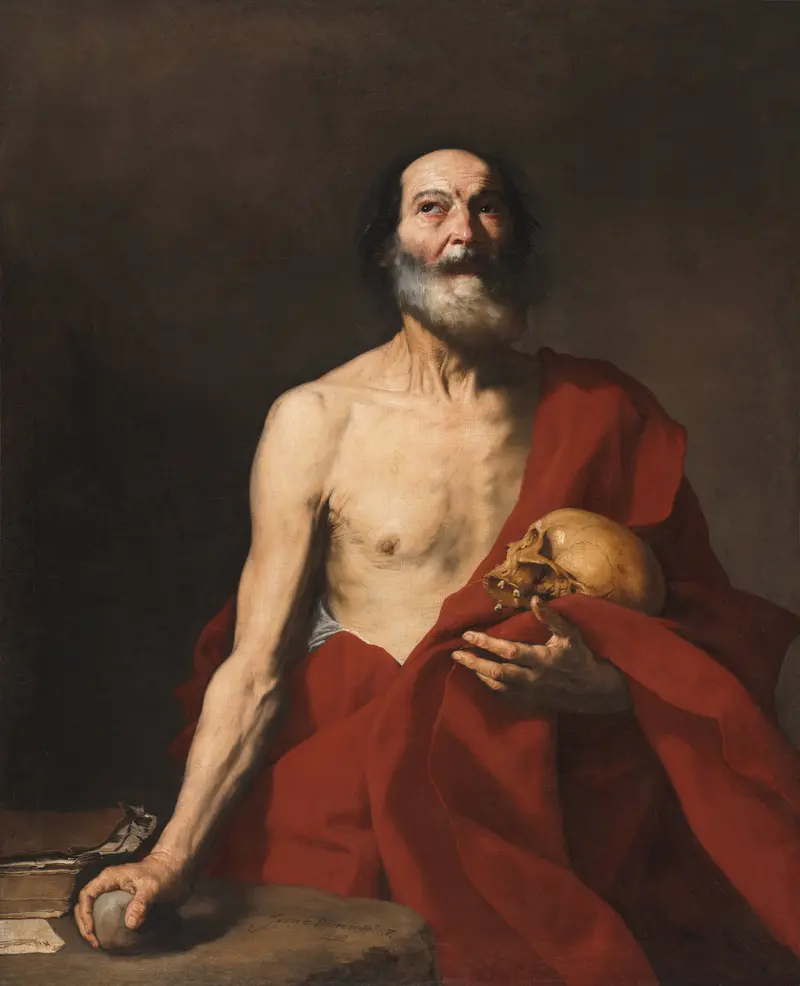
Saint Jerome
Jusepe de Ribera
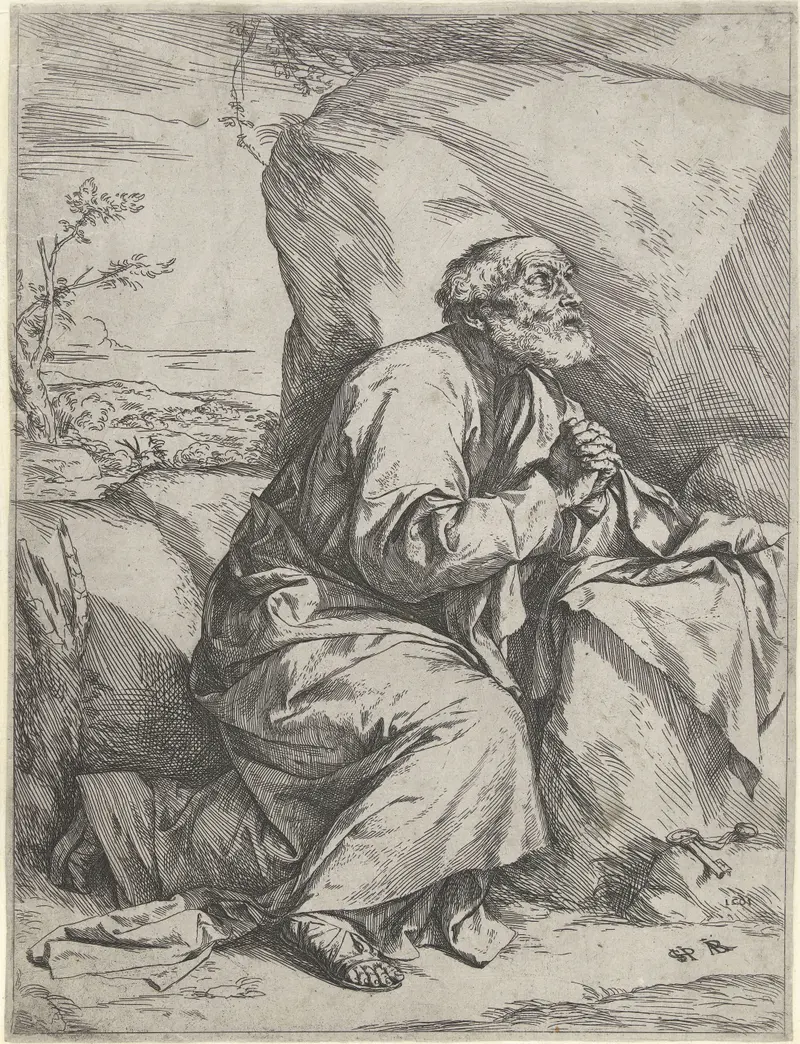
Boetvaardige Petrus
Jusepe de Ribera
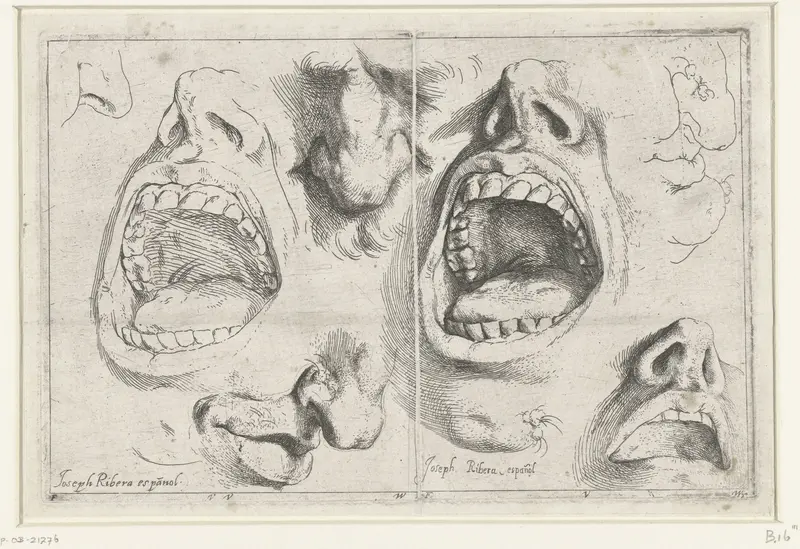
Studies van neus en mond
Jusepe de Ribera
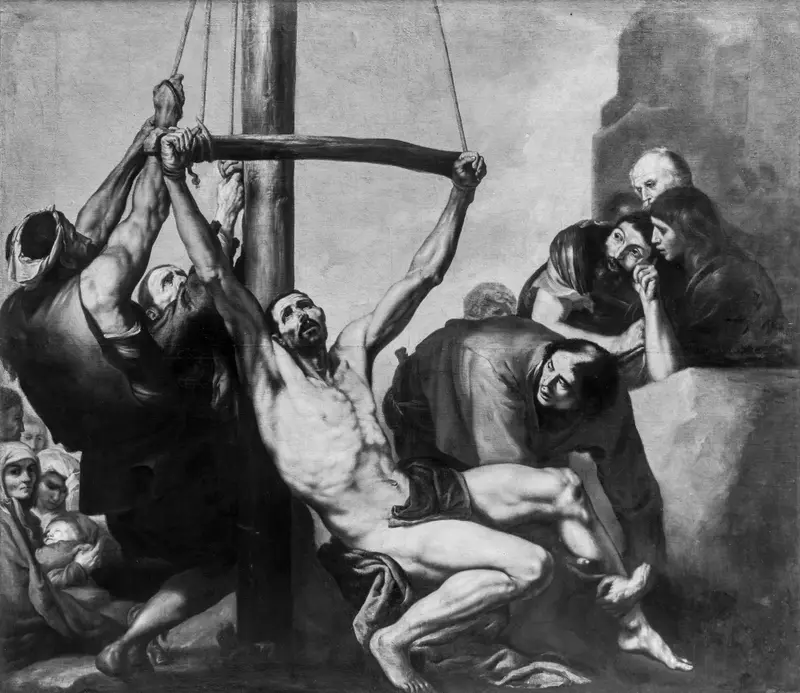
The Martyrdom of Saint Bartholomew
Jusepe de Ribera
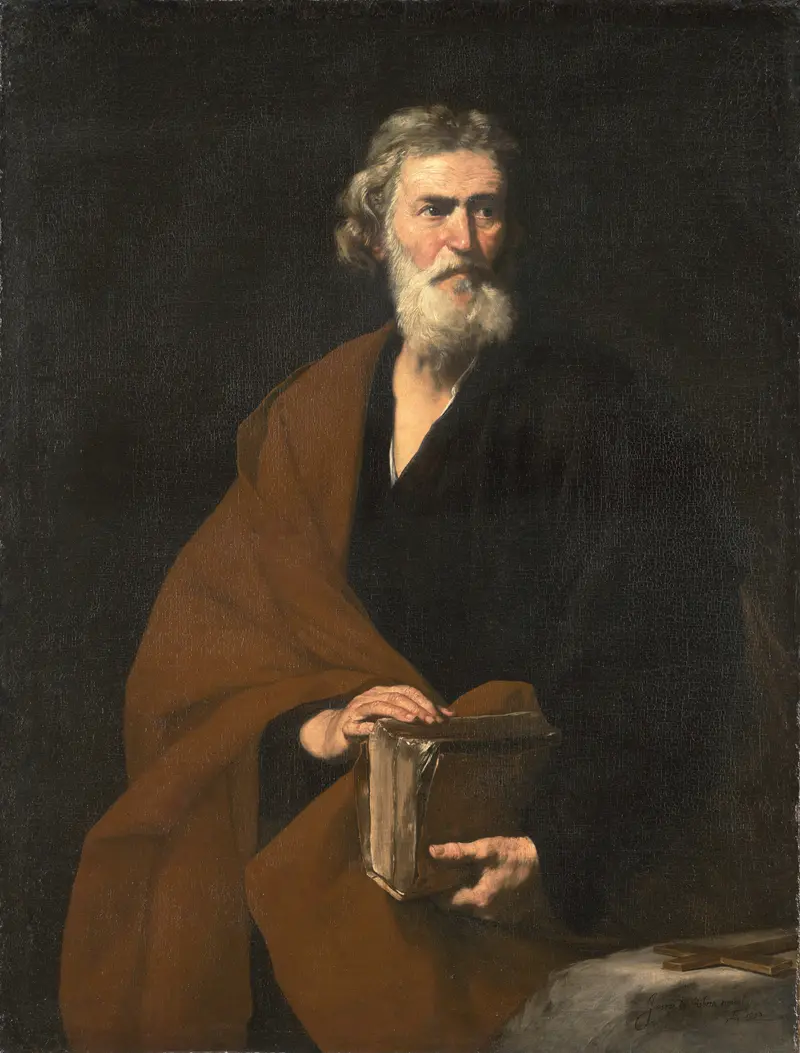
Saint Matthew
Jusepe de Ribera
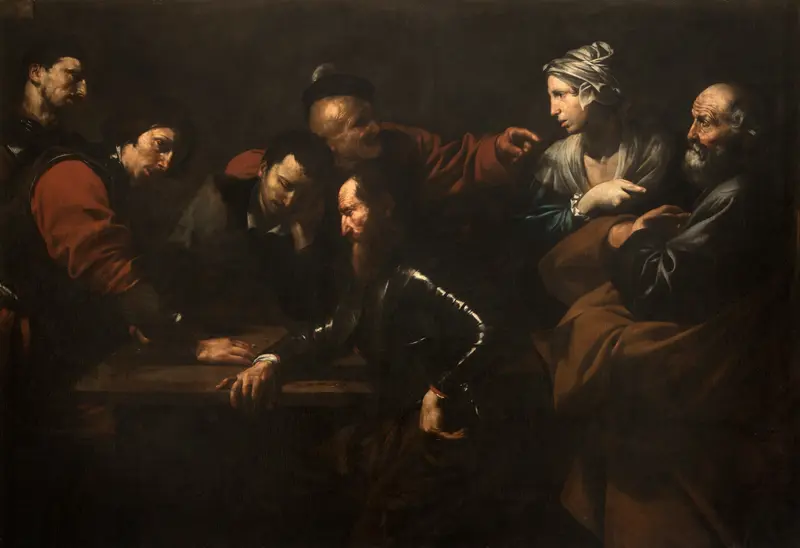
The Denial of Saint Peter
Jusepe de Ribera
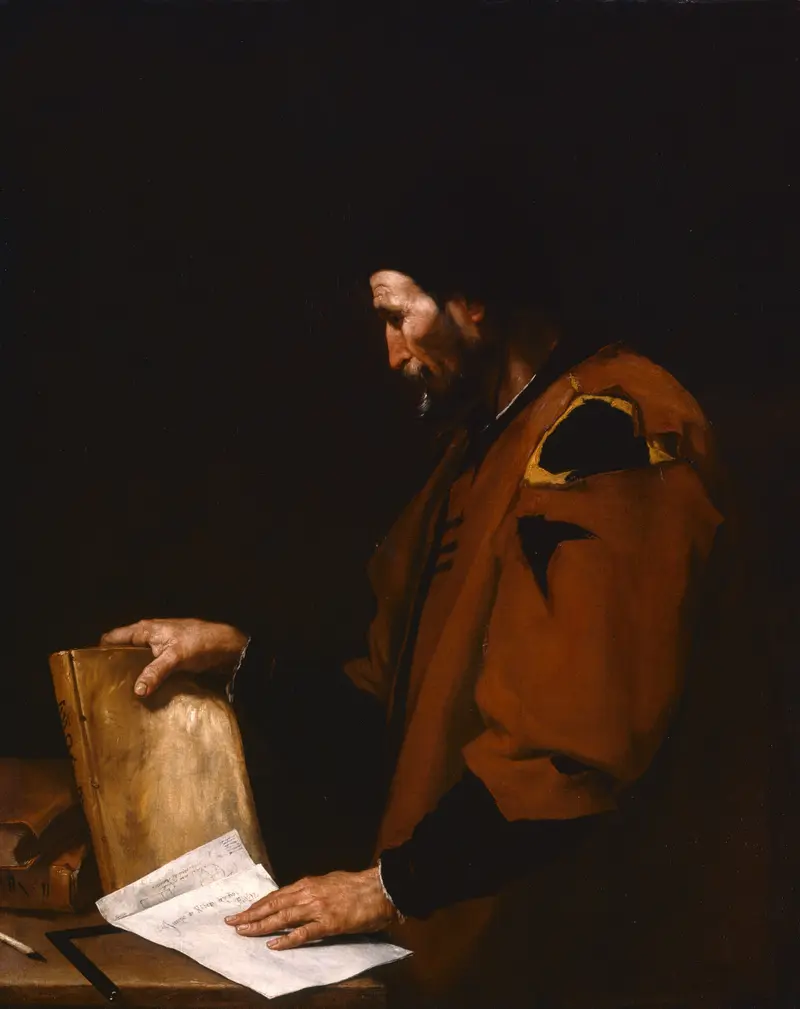
Aristotle
Jusepe de Ribera
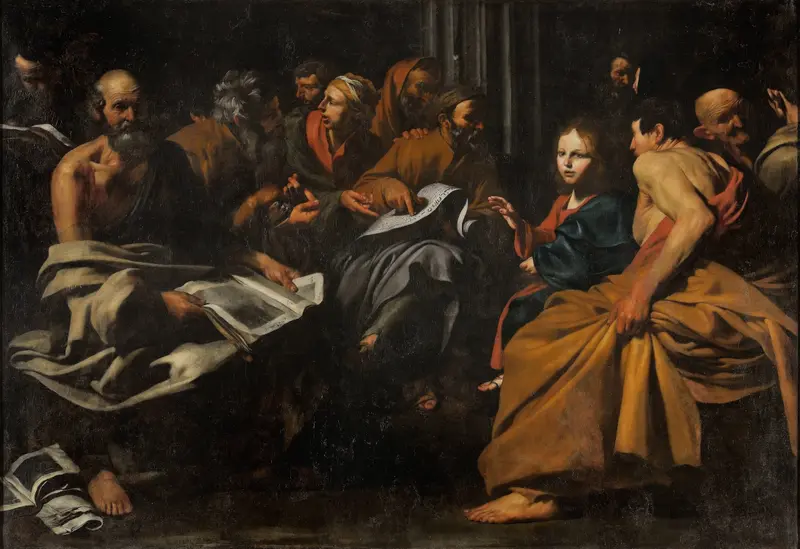
Christ among the doctors
Jusepe de Ribera





