
Marteldood van Atilius Regulus in ton met spijkers — History & Facts
In the midst of chaos, loneliness often finds an echoing solitude, where even the most dramatic moments reveal an inner desolation. Focus first on the figure in the center, Atilius Regulus, whose body lies stilled, meticulously rendered in shades of muted earth tones that envelop him like a shroud. His expression is a frozen testament to inevitable fate, contrasting starkly with the sharp, jagged nails surrounding him, each one a piercing reminder of his demise. Notice the delicate way the light falls upon the somber palette, casting elongated shadows that evoke a sense of foreboding.
The surrounding figures, witnesses to this tragic scene, are rendered with tense gestures and a palpable sense of unease, their eyes betraying a mix of horror and resignation. Delve into the intricacies of the composition; the arrangement of nails becomes a metaphor for punishment and sacrifice, framing the central figure in a way that accentuates the isolation of his fate. The artist invites contemplation on themes of betrayal and duty, contrasting the nobility of Regulus’s sacrifice with the grotesque manner of his demise. Each detail, from the expressions of those around him to the bleak background, speaks volumes about the isolation inherent in acts of valor, weaving a narrative of loneliness amid a tragic collective experience. Created in Nuremberg in 1535, the artist was navigating a world engulfed in turmoil, where religious conflicts and societal shifts were palpable.
During this time, Pencz was influenced by the burgeoning Northern Renaissance, which sought to blend realism with moral and philosophical themes. His work reflects the tension of an era grappling with existential questions, all while establishing his own voice in the evolving landscape of art.
More Artworks by Georg Pencz
Browse all →
Parabel van de zaaier
Georg Pencz

Parabel van de arbeiders in de wijngaard
Georg Pencz
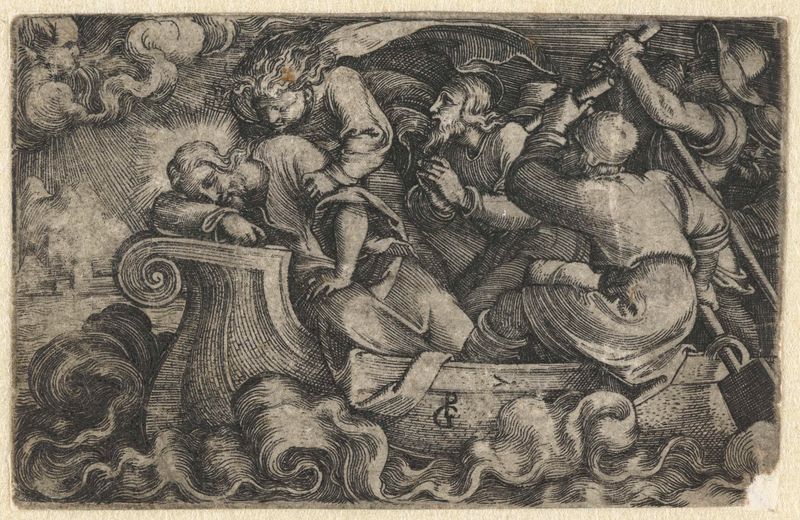
Discipelen wekken slapende Christus tijdens storm op Meer van Galilea
Georg Pencz

Afgunst (Invidia)
Georg Pencz
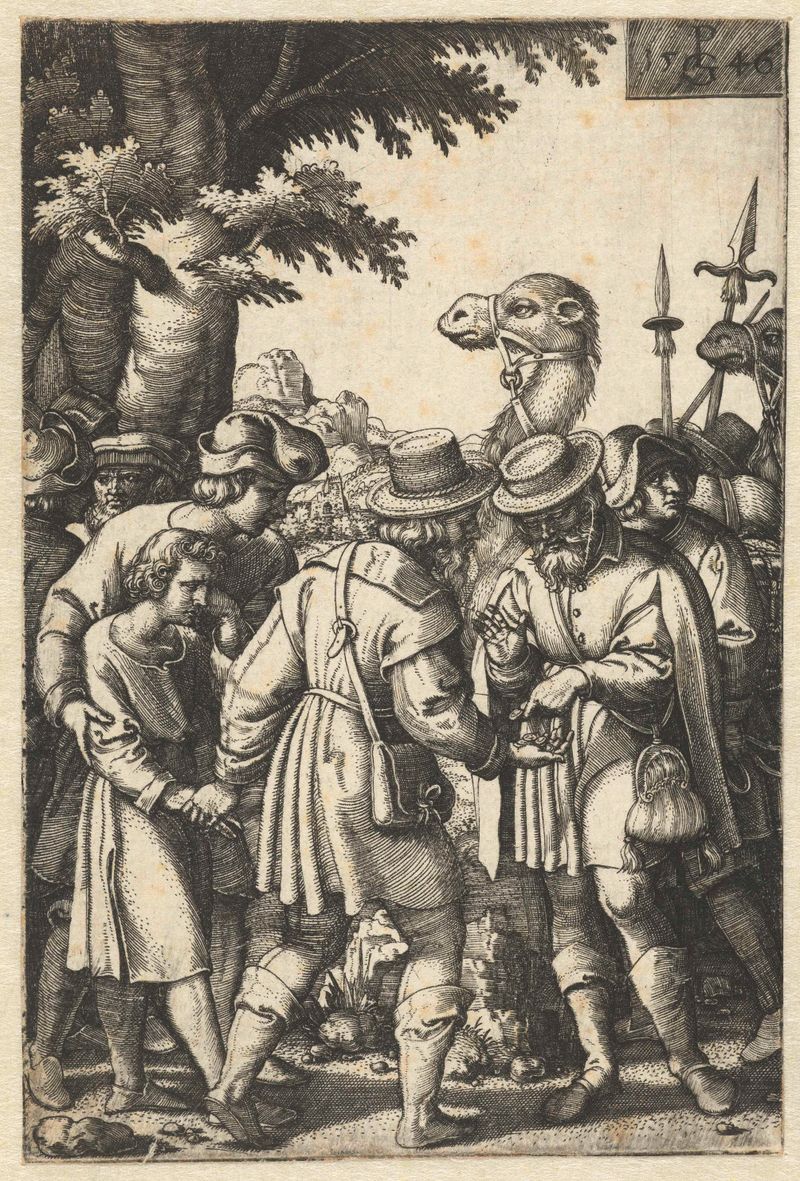
Jozef wordt verkocht aan kooplieden op weg naar Egypte
Georg Pencz

Aanbidding der koningen
Georg Pencz
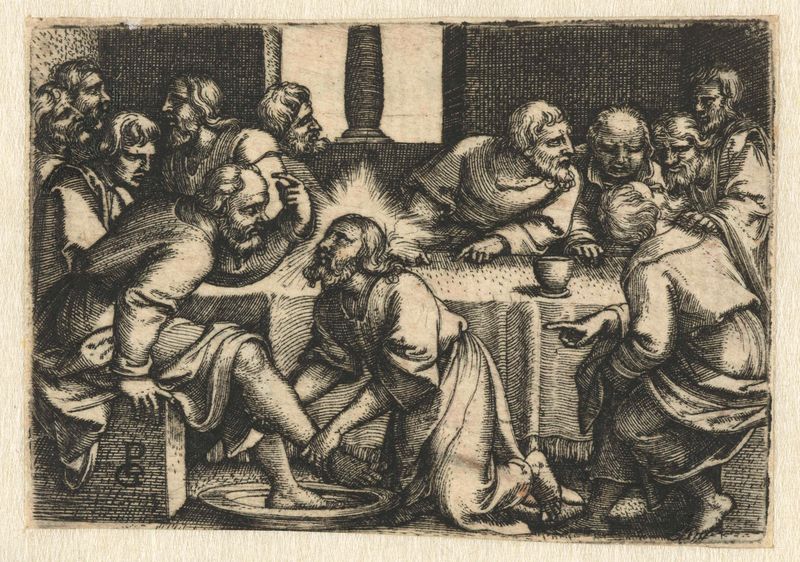
Petrus protesteert als Christus zijn voeten wast
Georg Pencz
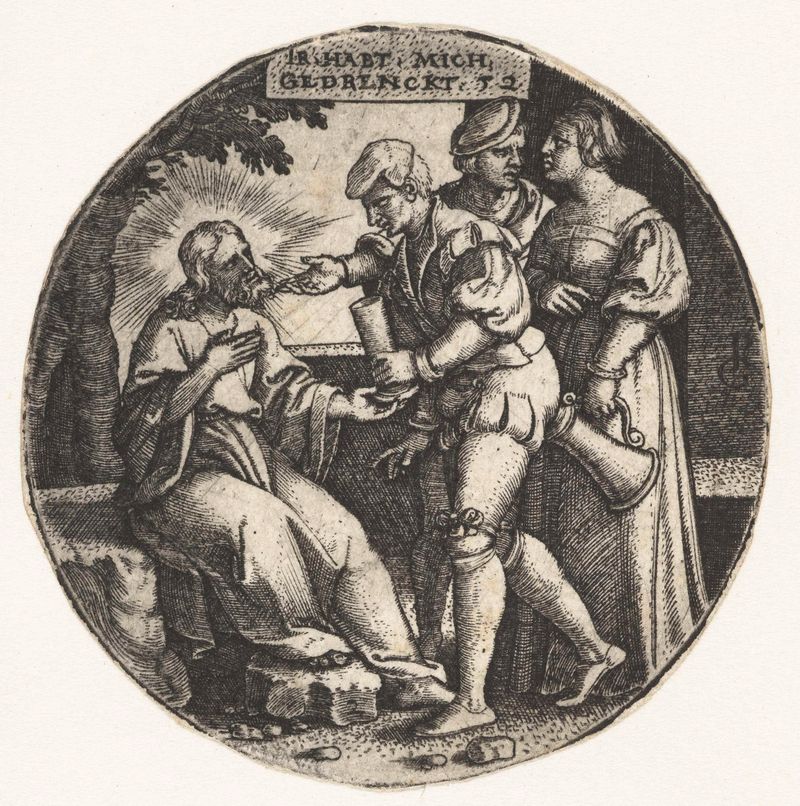
Christus heeft dorst en krijgt drinken aangeboden
Georg Pencz
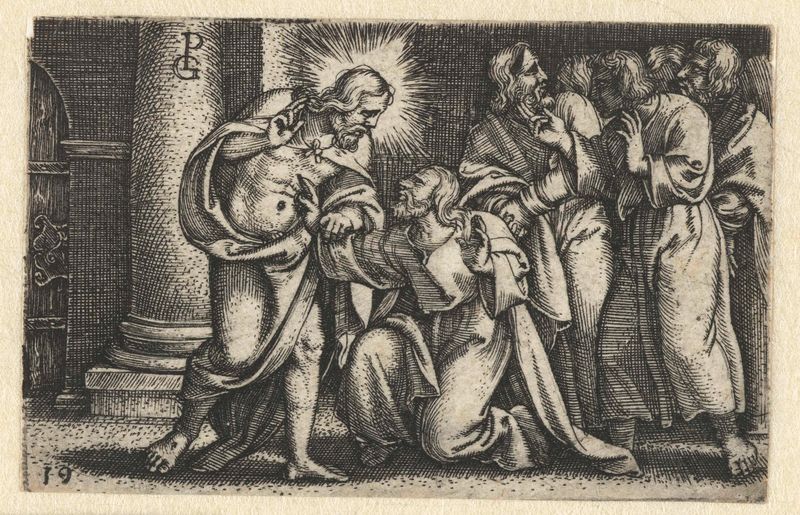
Ongelovige Thomas raakt wonden Christus aan
Georg Pencz

Offer van Abraham van Isaak
Georg Pencz
More Historical Art
Browse all →
The Night Watch Militia Company of District II under the Command of Captain Frans Banninck Cocq
Rembrandt van Rijn

Lincoln Memorial
Henry Bacon

The Third of May 1808
Francisco de Goya

Isaac and Rebecca, Known as ‘The Jewish Bride’
Rembrandt van Rijn

The Charge of the Mamelukes (1814)
Francisco de Goya

De vier ruiters van de apocalyps
Albrecht Dürer