
Marteldood van Mattias door onthoofding — History & Facts
Grief hangs heavy in the air, a palpable presence that transforms the moment into a haunting tableau of loss and reckoning. Look to the center of the canvas, where the stark figure of the decapitated Mattias lies, a chilling focal point enveloped in a somber palette of muted earth tones. Notice how the light casts subtle shadows across the figures surrounding him, emphasizing their varied expressions—some stoic, others anguished. The meticulous detail in their faces speaks volumes, drawing the eye first to their grief-stricken visages before revealing the intricate textures of the bloodied ground and the lethal executioner’s blade looming overhead. The emotional tension in this work is layered and profound.
The outstretched arms of the mourning figures signify a desperate grasp for understanding in the face of senseless violence, while the cold detachment of the executioner contrasts sharply with the palpable sorrow. Each figure reflects a different facet of grief, from shock to fury, creating a powerful commentary on the collective trauma inflicted by violence. This tragic scene captures not just a singular moment but a universal experience of loss, echoing through the ages. During the early 16th century, when this work was created, Cranach was deeply engaged in the artistic developments of the Northern Renaissance while also navigating the political and religious turmoil of the Reformation.
Working in Wittenberg, he was influenced by the upheaval around him, producing art that often intertwined moral narratives with historical references. This piece stands testament to his ability to convey complex emotions, blending realism with a moral message that resonated with his contemporaries.
More Artworks by Lucas Cranach (I)
Browse all →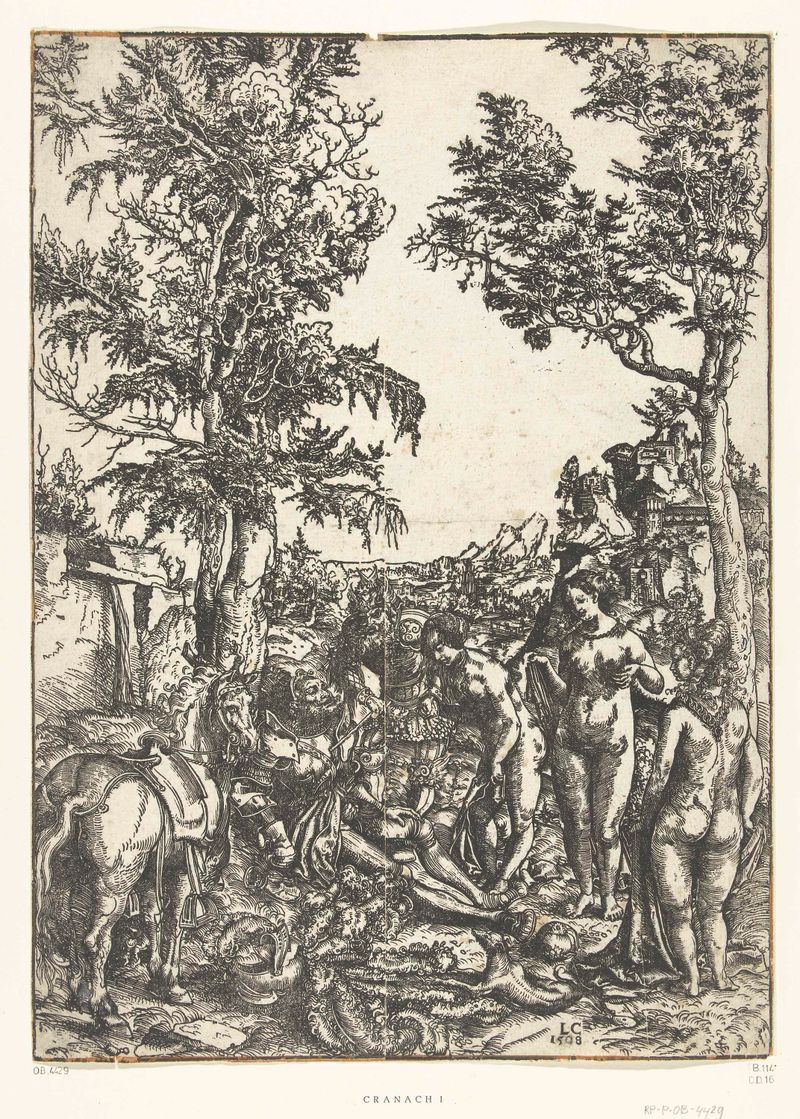
Oordeel van Paris
Lucas Cranach (I)
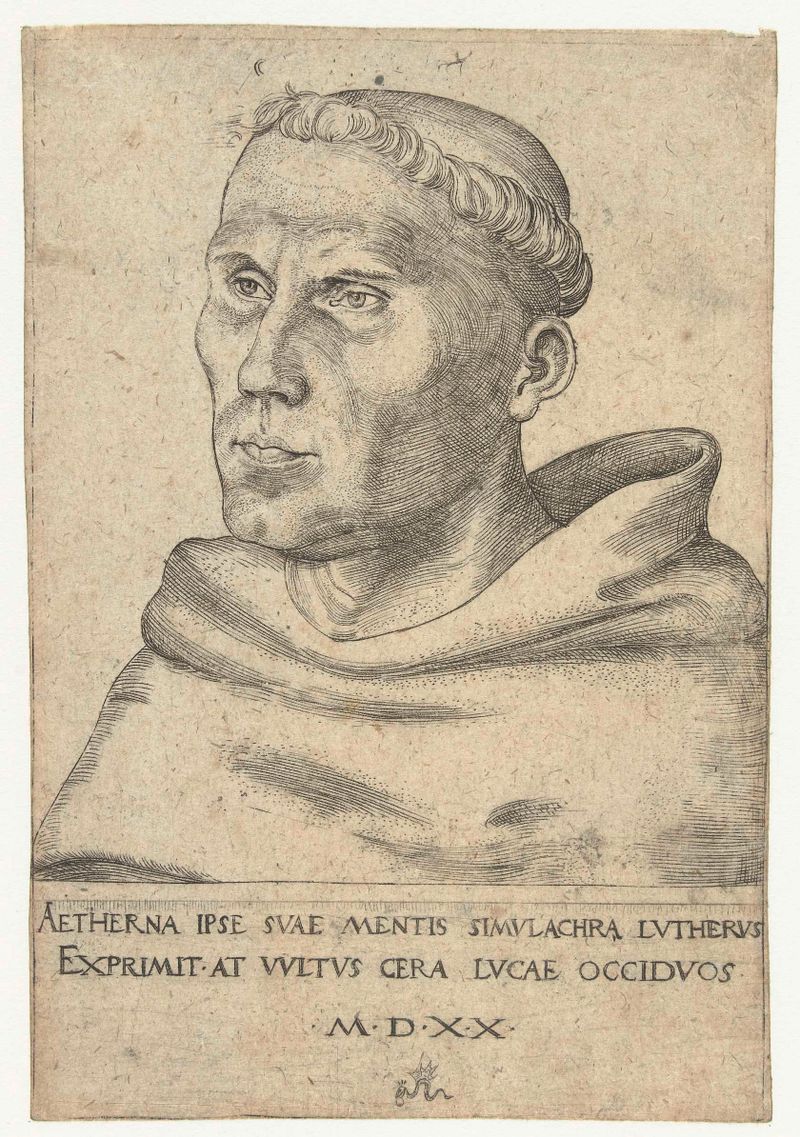
Portret van Martin Luther als Augustijner monnik
Lucas Cranach (I)
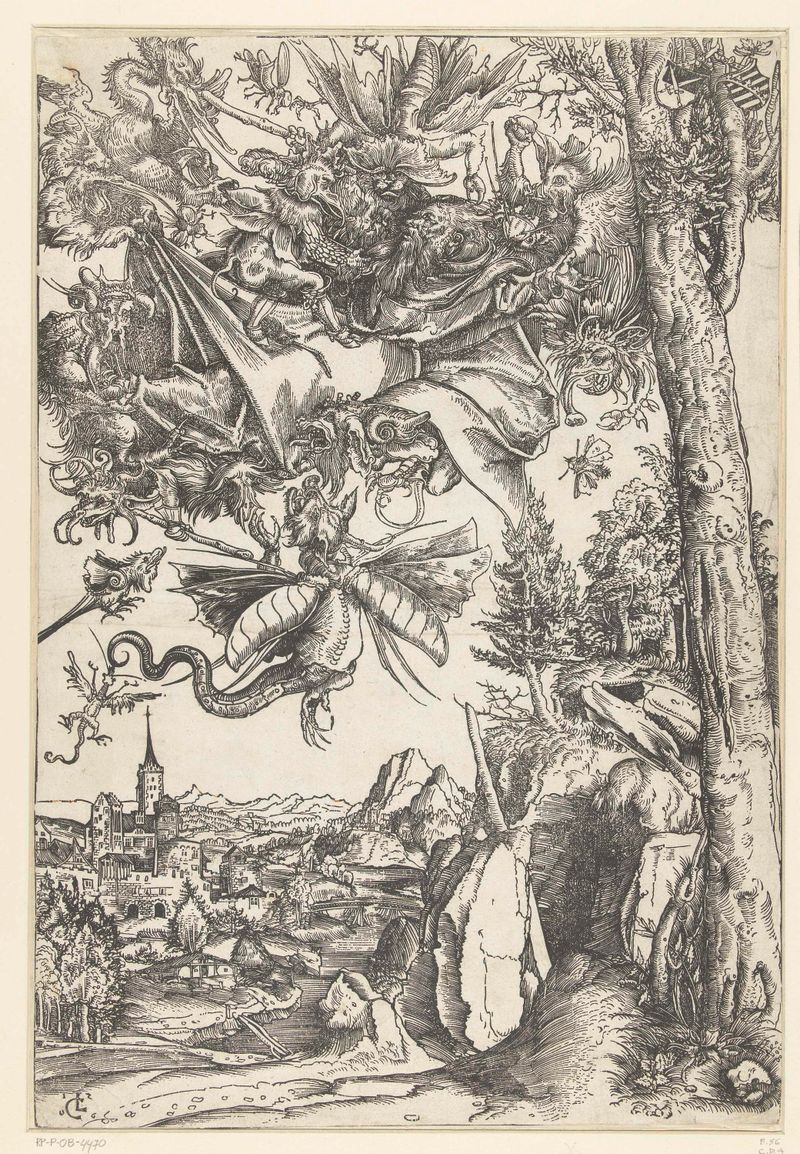
Verzoeking van Antonius met aanval door demonen
Lucas Cranach (I)

Christus en de Samaritaanse vrouw
Lucas Cranach (I)

Duits toernooi met twee edelmannen als ridders te paard
Lucas Cranach (I)
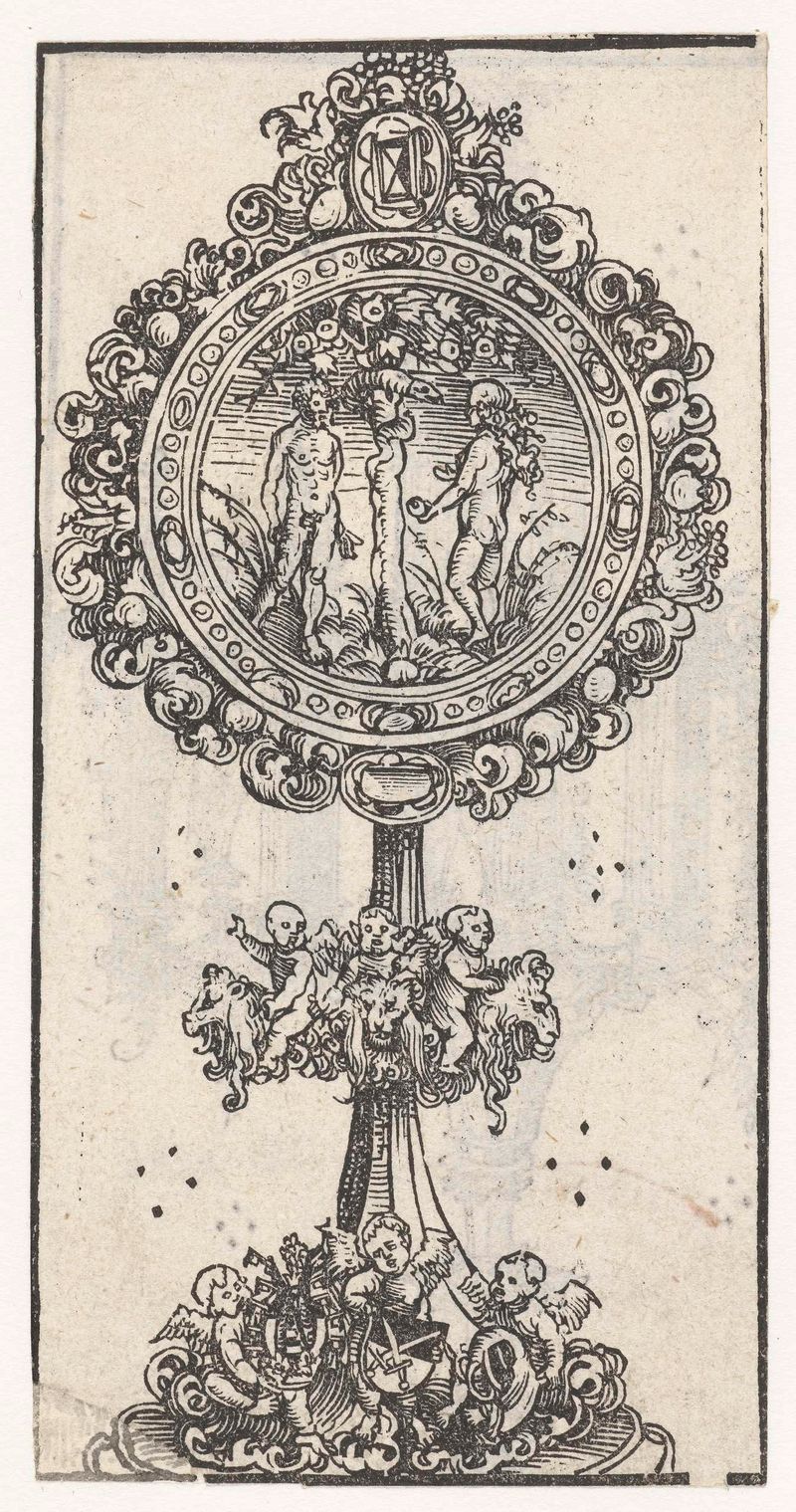
Reliekhouder met de verzoeking van Adam en Eva
Lucas Cranach (I)

Intocht van Christus in Jerusalem
Lucas Cranach (I)
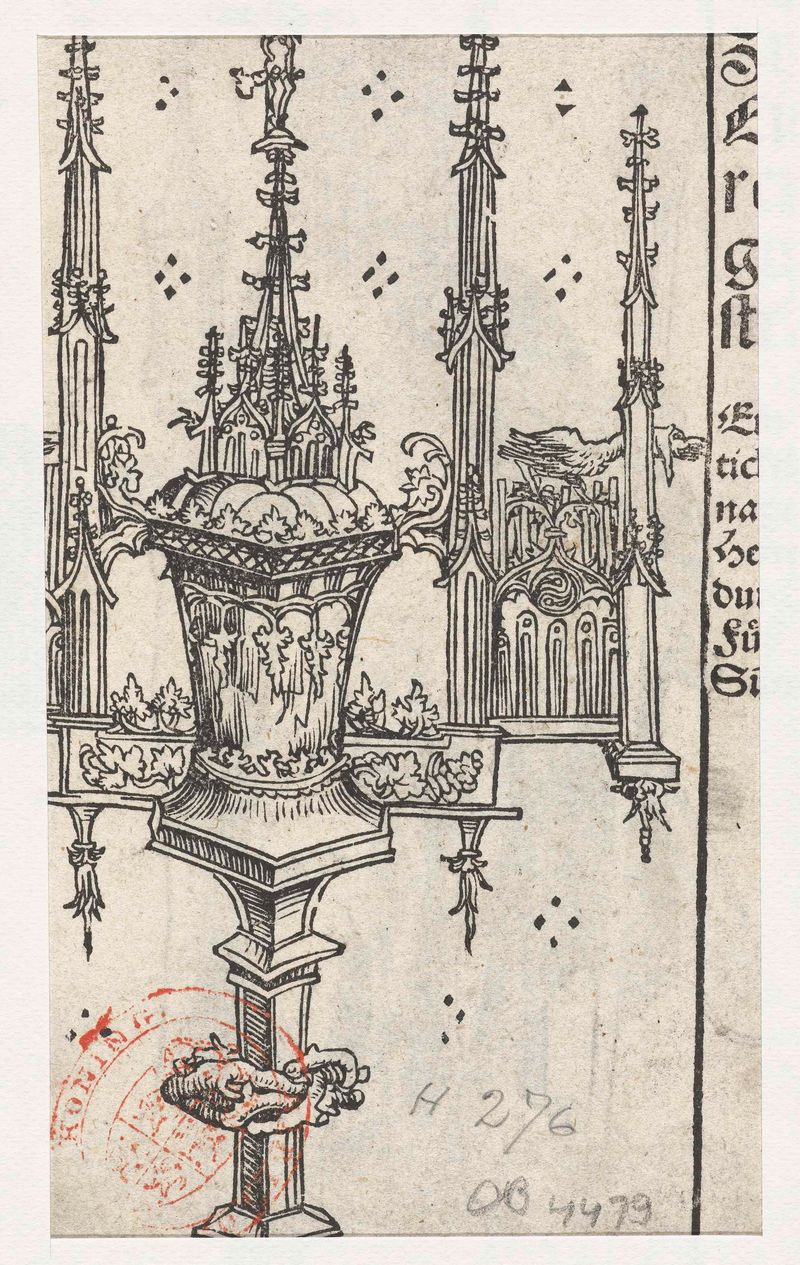
Monstrans met vogel (pelikaan)
Lucas Cranach (I)
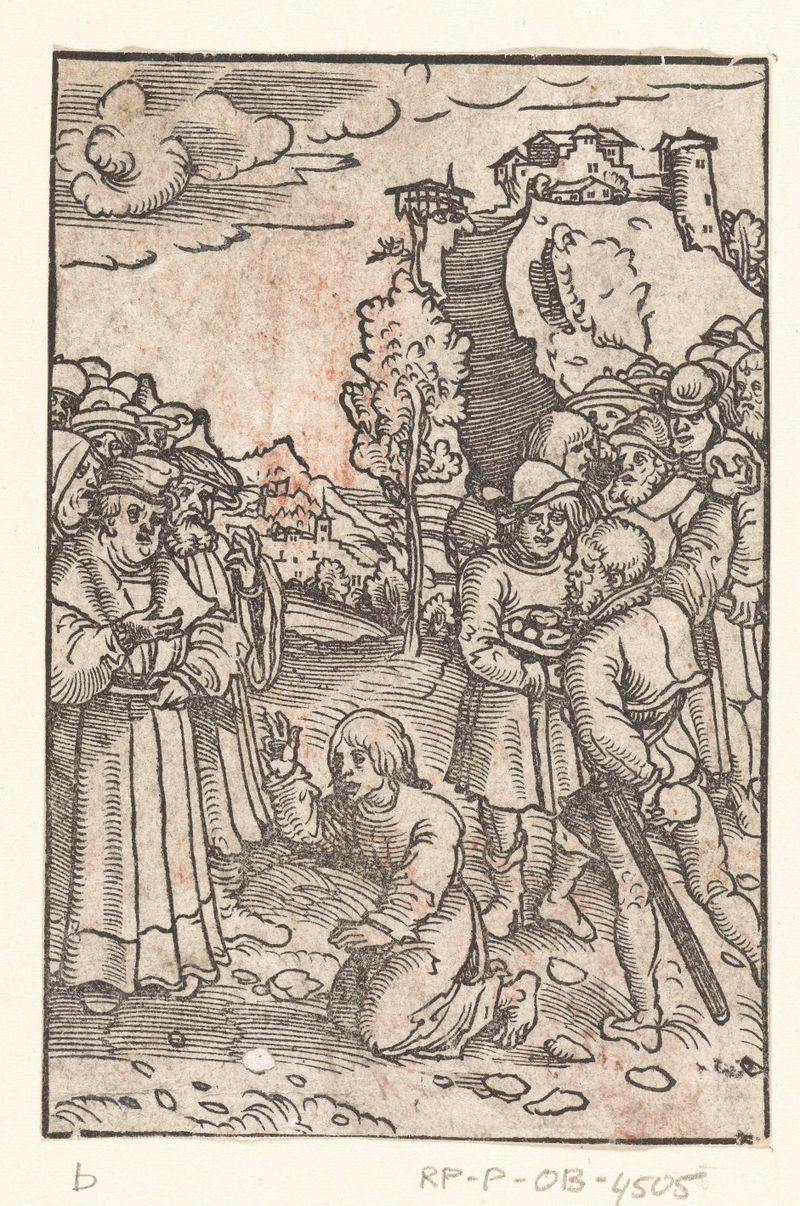
Steniging van Stefanus
Lucas Cranach (I)
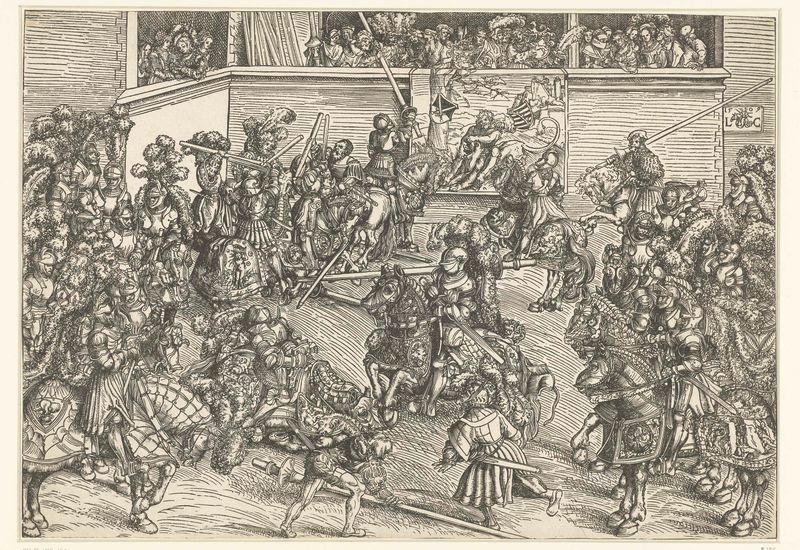
Toernooi van het keurvorstelijk hof van Saksen met wandtapijt Simson doodt de leeuw
Lucas Cranach (I)
More Historical Art
Browse all →
The Night Watch Militia Company of District II under the Command of Captain Frans Banninck Cocq
Rembrandt van Rijn

Lincoln Memorial
Henry Bacon

The Third of May 1808
Francisco de Goya

Isaac and Rebecca, Known as ‘The Jewish Bride’
Rembrandt van Rijn

The Charge of the Mamelukes (1814)
Francisco de Goya

De vier ruiters van de apocalyps
Albrecht Dürer