
Martyrdom of Saint Andrew — History & Facts
A shaft of light slices through the darkness, pinning the aged, sinewy body of Saint Andrew at the very center of the scene. His outstretched arms and twisted torso draw the viewer into the moment of his ordeal, while the faces that crowd around him flicker in and out of shadow, each expression a study in intent or indifference. The drama is heightened by the stark contrast between the saint’s illuminated flesh and the enveloping gloom, a device that pulls us into the emotional heart of the painting.
Every gesture has its purpose: the man at Andrew’s feet strains with the ropes, while another figure leans in, thrusting a small idol toward the saint’s face—a silent demand for apostasy. The yellow drapery at the lower edge is not just a splash of color but a reminder of the material world, set against the spiritual struggle unfolding above. Painted in 1628, this work by Jusepe de Ribera belongs to a world where faith and violence often shared the same stage. In seventeenth-century Europe, scenes of martyrdom were not only acts of devotion but also powerful tools of persuasion, especially in the Catholic south where the Counter-Reformation called for images that could move the soul.
Ribera, a Spanish painter who made his career in Naples, was renowned for his unflinching realism and his ability to wring drama from the human form. While history has kept few traces of this specific canvas’s journey, its presence in the Google Arts & Culture collection today lets us witness the raw immediacy that made such paintings both objects of veneration and windows onto the human condition. Stand before it, and let your eye return to the saint’s gaze—fixed not on his tormentors, but on something beyond their reach.
More Artworks by Jusepe de Ribera

Saint Francis of Paola
Jusepe de Ribera

Penitent Saint Peter
Jusepe de Ribera
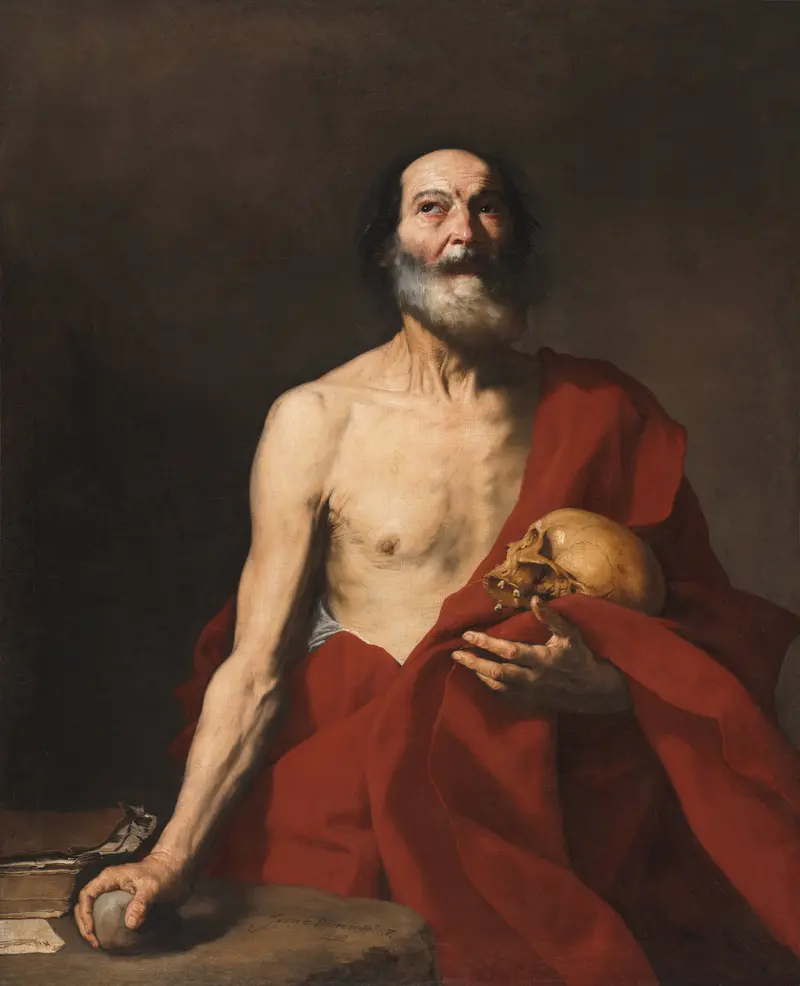
Saint Jerome
Jusepe de Ribera
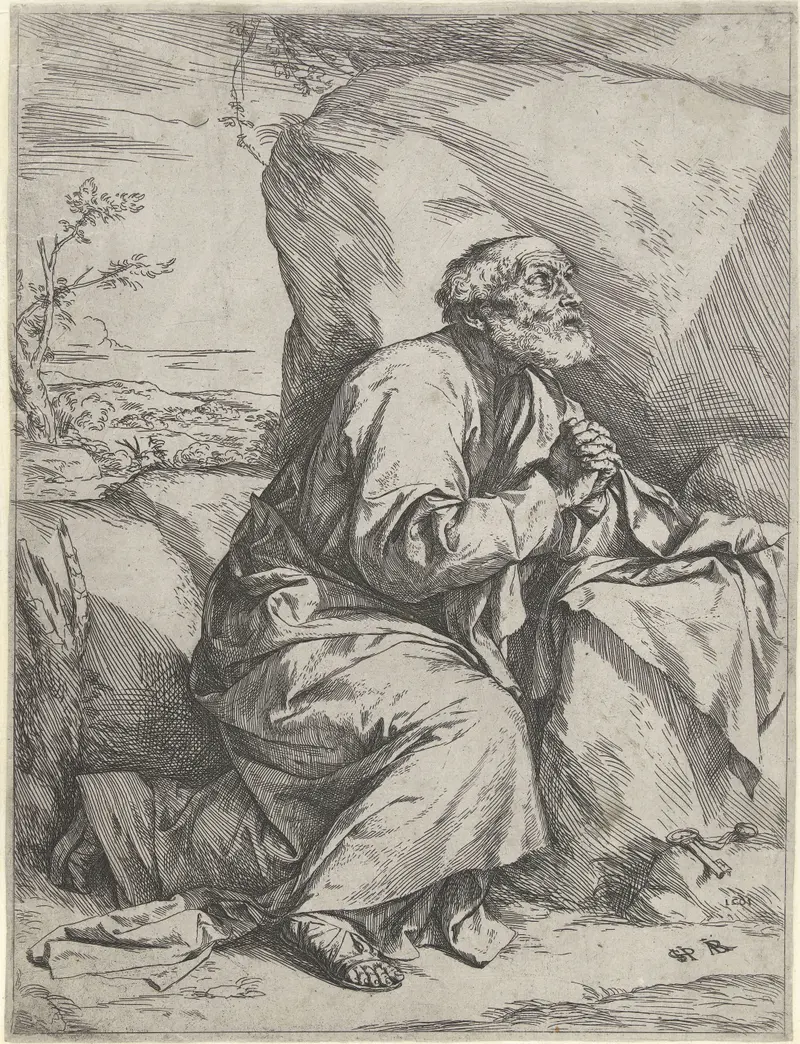
Boetvaardige Petrus
Jusepe de Ribera
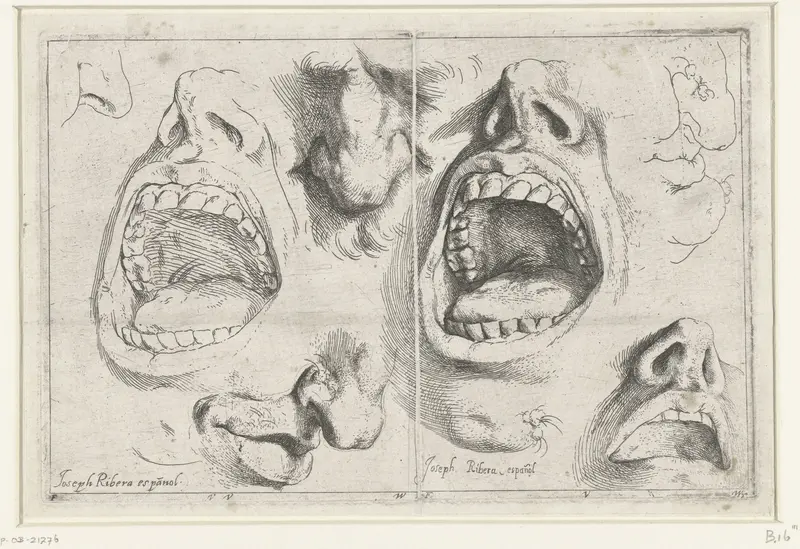
Studies van neus en mond
Jusepe de Ribera
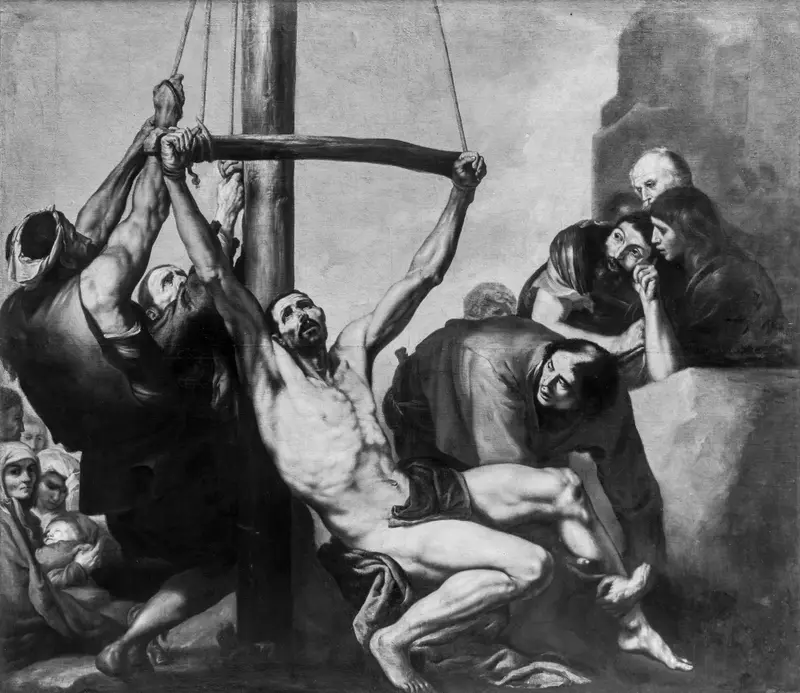
The Martyrdom of Saint Bartholomew
Jusepe de Ribera
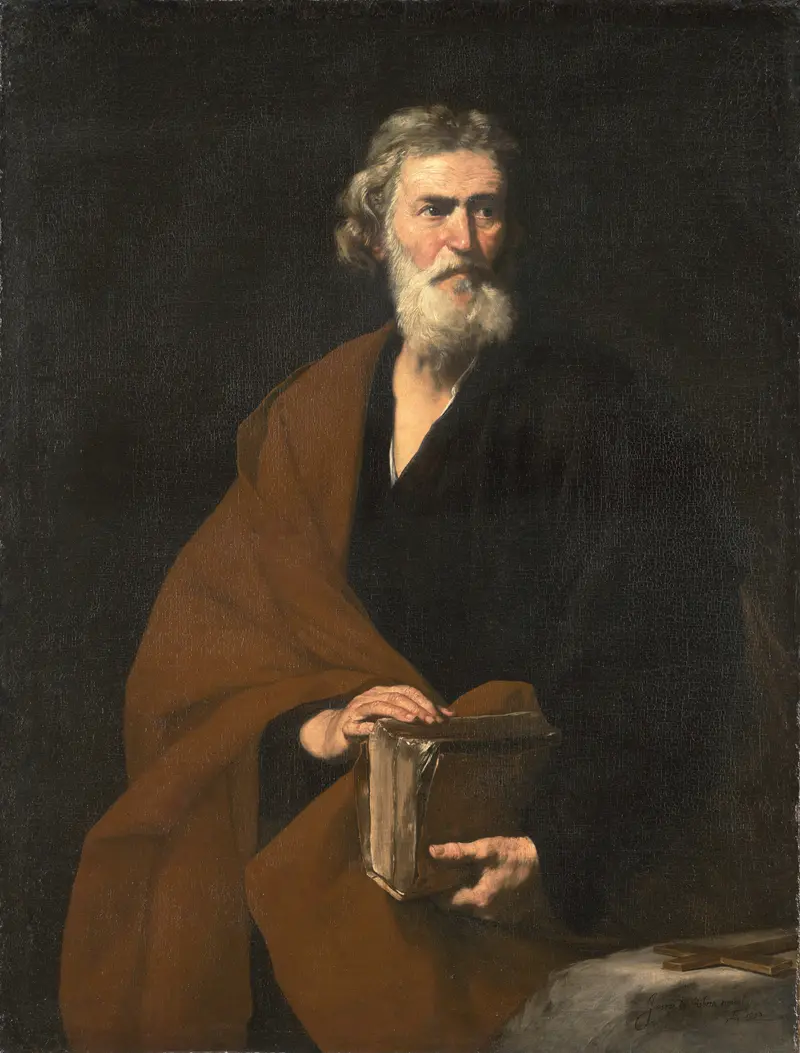
Saint Matthew
Jusepe de Ribera
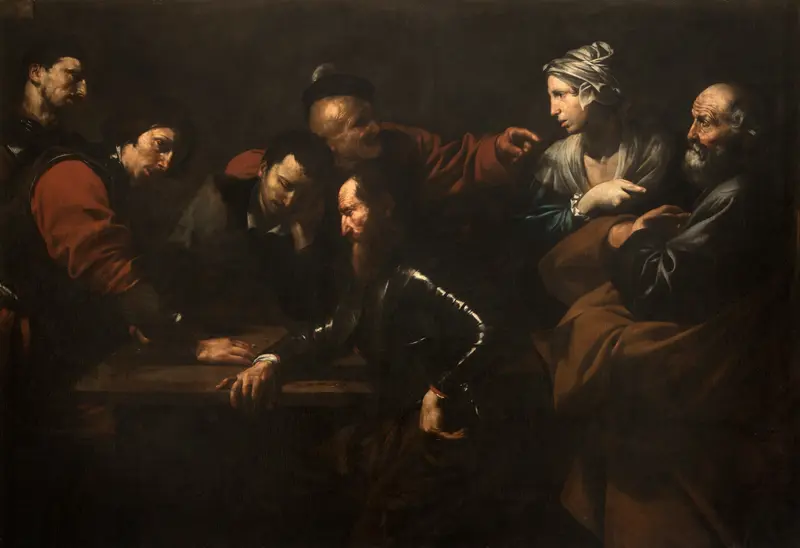
The Denial of Saint Peter
Jusepe de Ribera
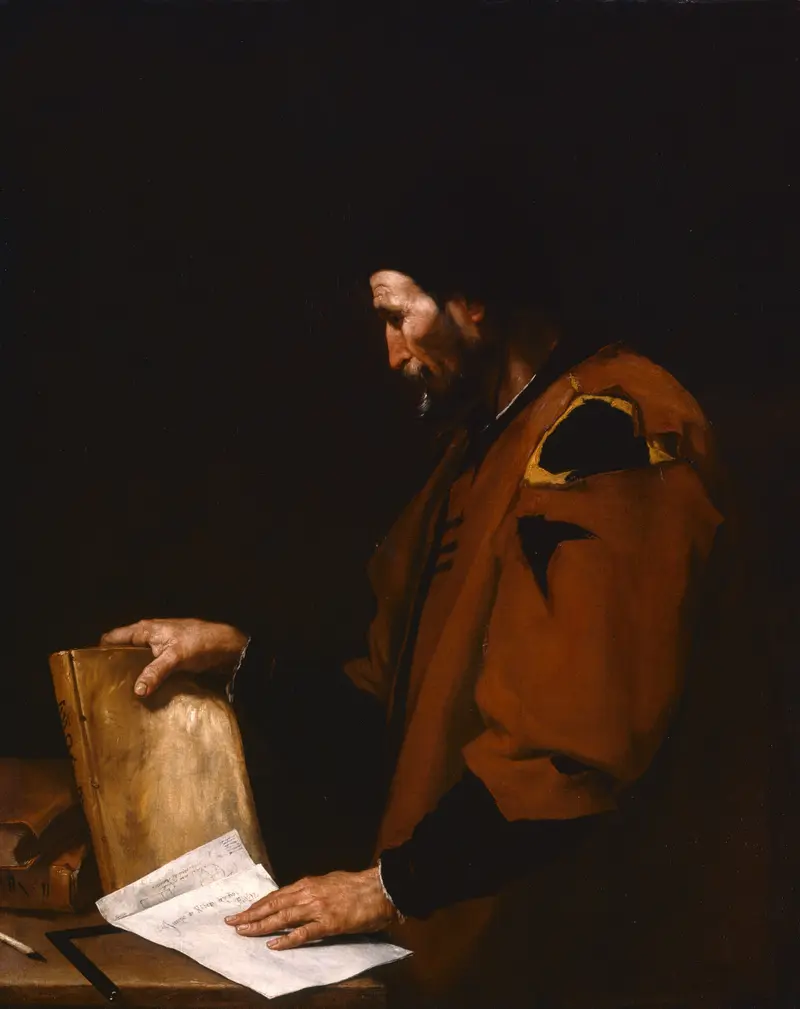
Aristotle
Jusepe de Ribera
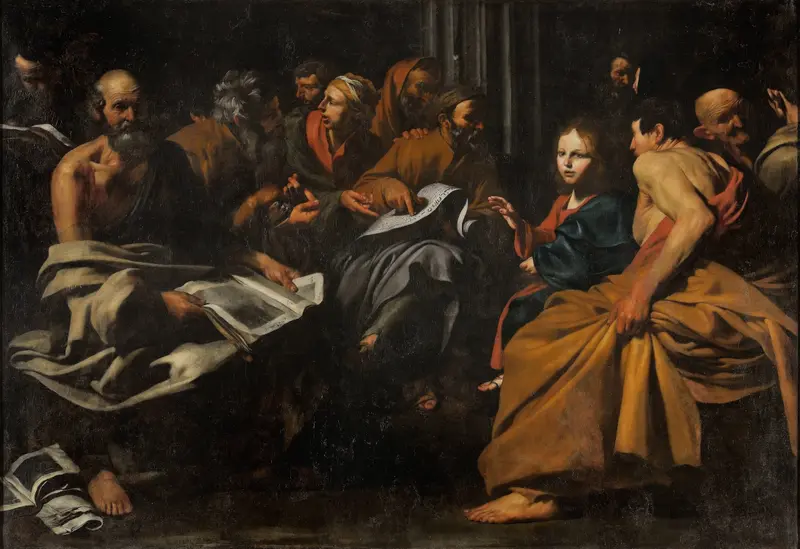
Christ among the doctors
Jusepe de Ribera





