
Martyrdom of St Lawrence — History & Facts
In 1447, Fra Angelico was summoned to Rome by Pope Nicholas V, who commissioned a series of frescoes for the newly built Chapel of San Lorenzo in the Vatican. Among these, the Martyrdom of St Lawrence stands out not only for its luminous palette but for the urgency of its creation: the pope, a devotee of St Lawrence, wished to reinforce the saint’s role as patron of the poor and the Church’s defenders. The painting captures a moment that had already become legendary in Christian Rome, and it was intended as both a devotional image and a political statement about faith under persecution. At the heart of the scene, St Lawrence is shown stretched above a gridiron, flames licking at his body, as Roman officials look on impassively.
According to tradition, Lawrence, a deacon of Rome, was executed in 258 AD for distributing Church wealth to the poor rather than surrendering it to Emperor Valerian’s prefect. Fra Angelico chooses the instant when Lawrence, refusing to recant, gazes heavenward, his right hand raised in a gesture of acceptance. The saint’s golden halo and the calm serenity of his face contrast with the turmoil of the executioners and the onlookers, a visual echo of the faith that, legend says, led Lawrence to declare, “Turn me over, this side is done.” Unlike Titian’s later, more dramatic treatment of the same subject, Fra Angelico bathes the entire scene in a gentle, celestial light, emphasizing spiritual triumph over physical agony. While the original fresco remains in Rome, this panel version—its exact medium still debated—was likely created for private devotion or as a modello for the larger work.
Fra Angelico was at the height of his powers, moving between Florence and Rome and blending the clarity of the early Renaissance with the devotional intensity of his Dominican faith. The painting’s later history is less clear: it passed through several collections, sometimes misattributed, before its current home in the museum. Today, it is recognized as a testament to Fra Angelico’s ability to fuse narrative clarity with spiritual depth, marking a pivotal moment in the evolution of religious art in 15th-century Italy.
More Artworks by Fra Angelico

Condemnation of St Lawrence by the Emperor Valerian
Fra Angelico
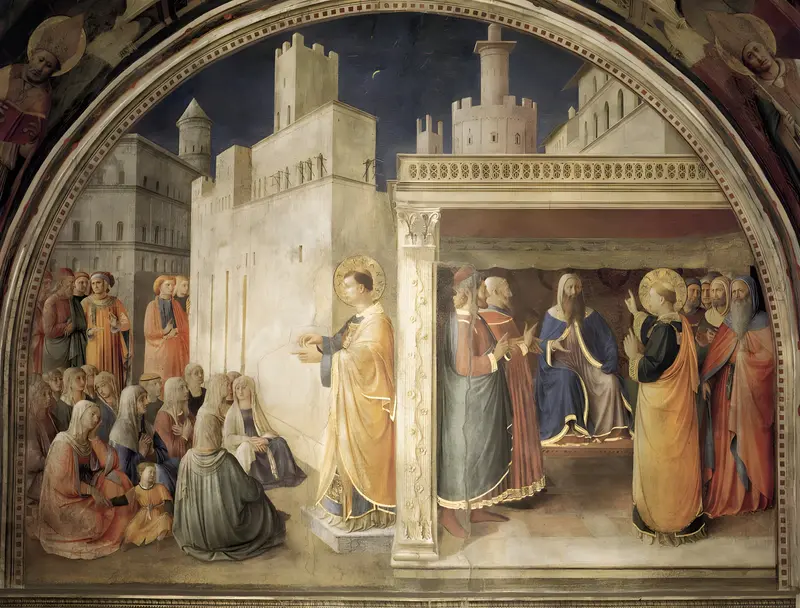
Lunette of the north wall
Fra Angelico
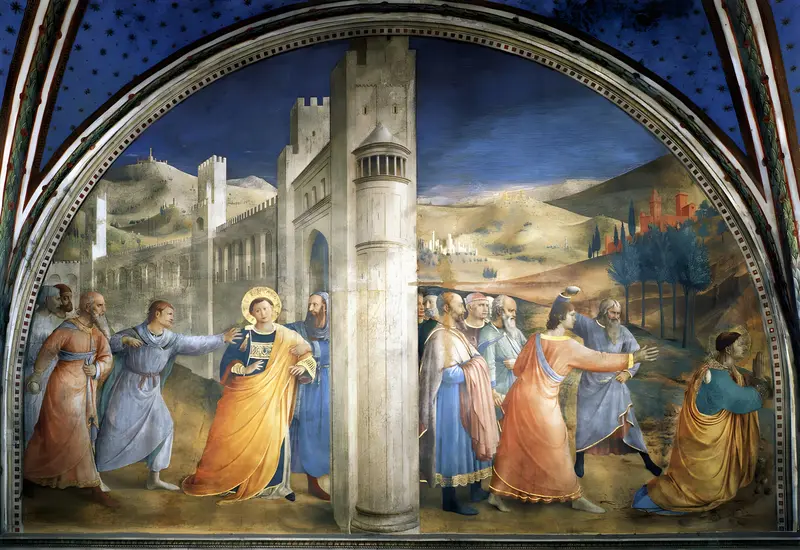
Lunette of the east wall in Niccoline Chapel
Fra Angelico
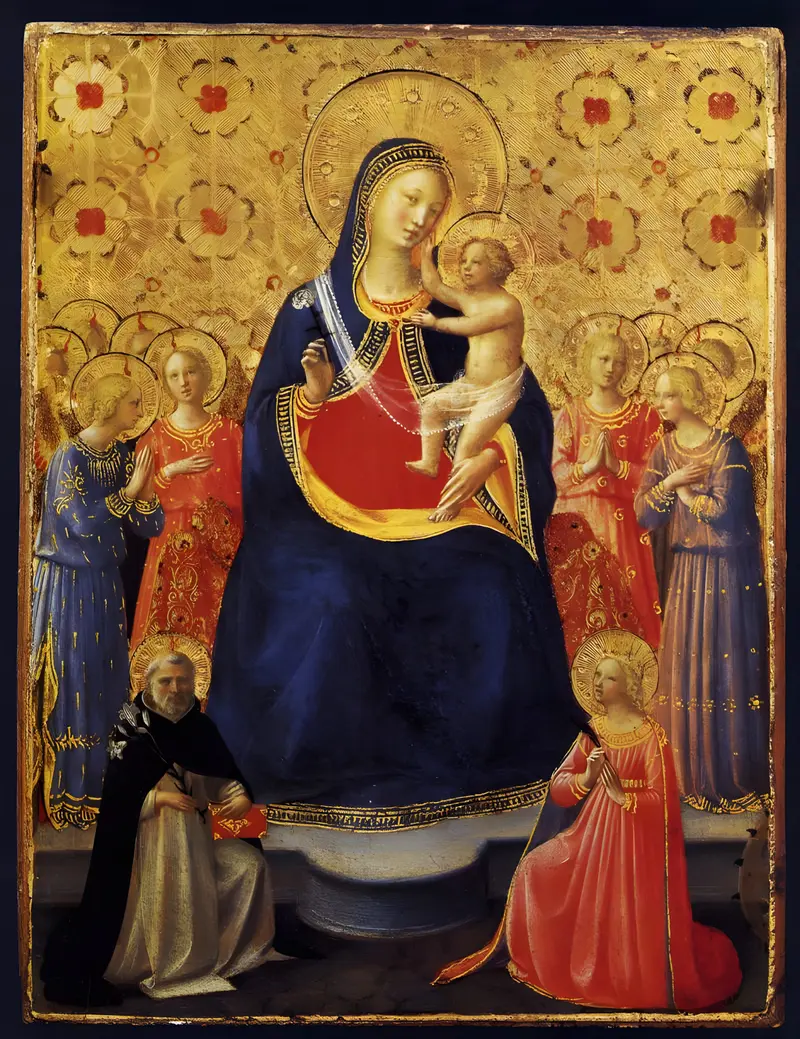
Madonna and Child Enthroned with Nine Angels and Saints Dominic and Catherine of Alexandria
Fra Angelico
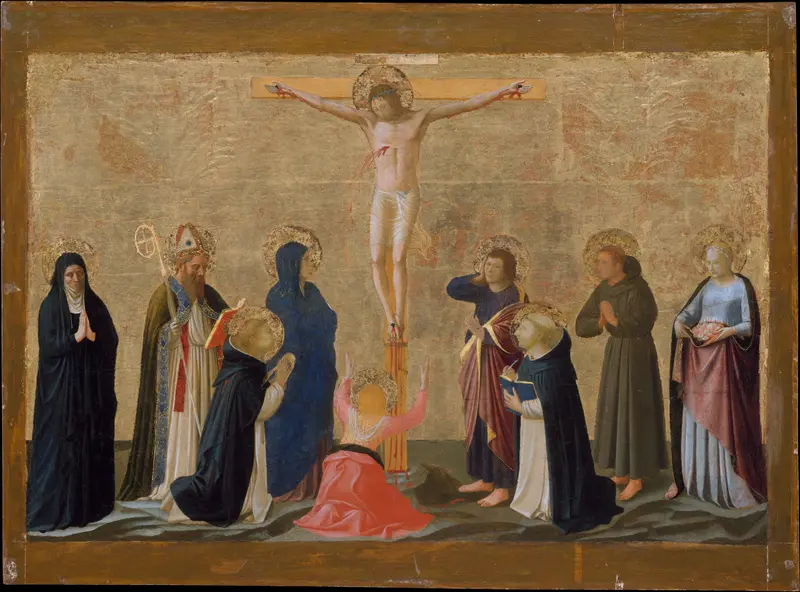
The Crucifixion
Fra Angelico
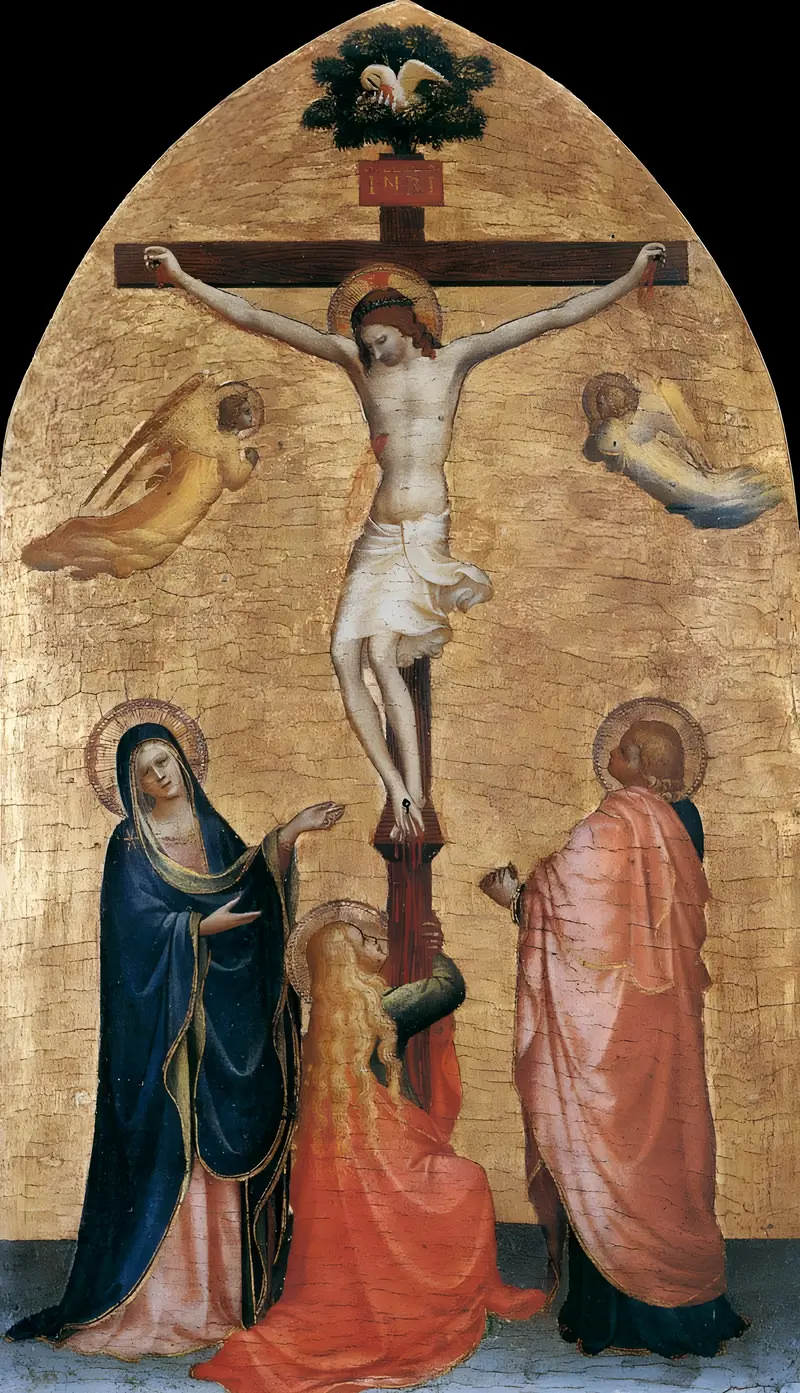
Crucifixion with the Virgin, John the Evangelist, and Mary Magdelene
Fra Angelico
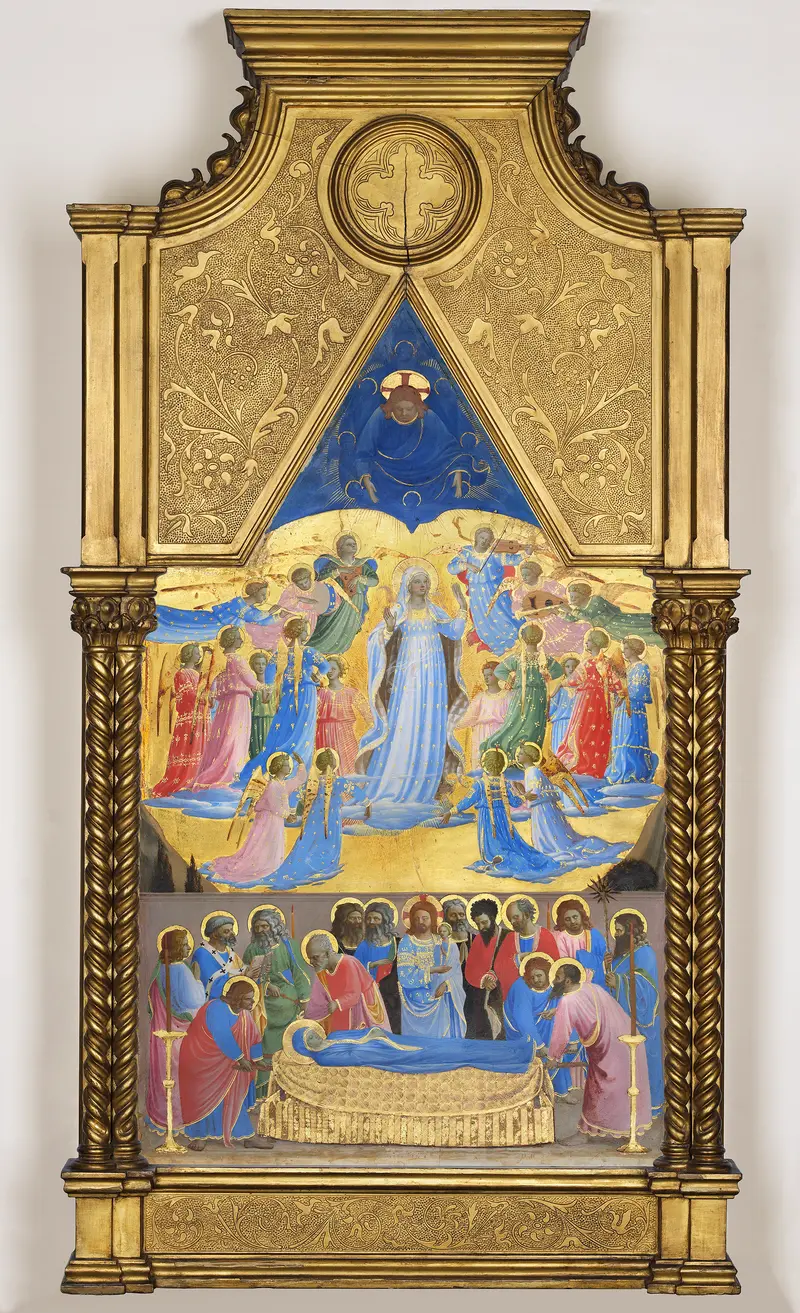
Dormition and Assumption of the Virgin
Fra Angelico
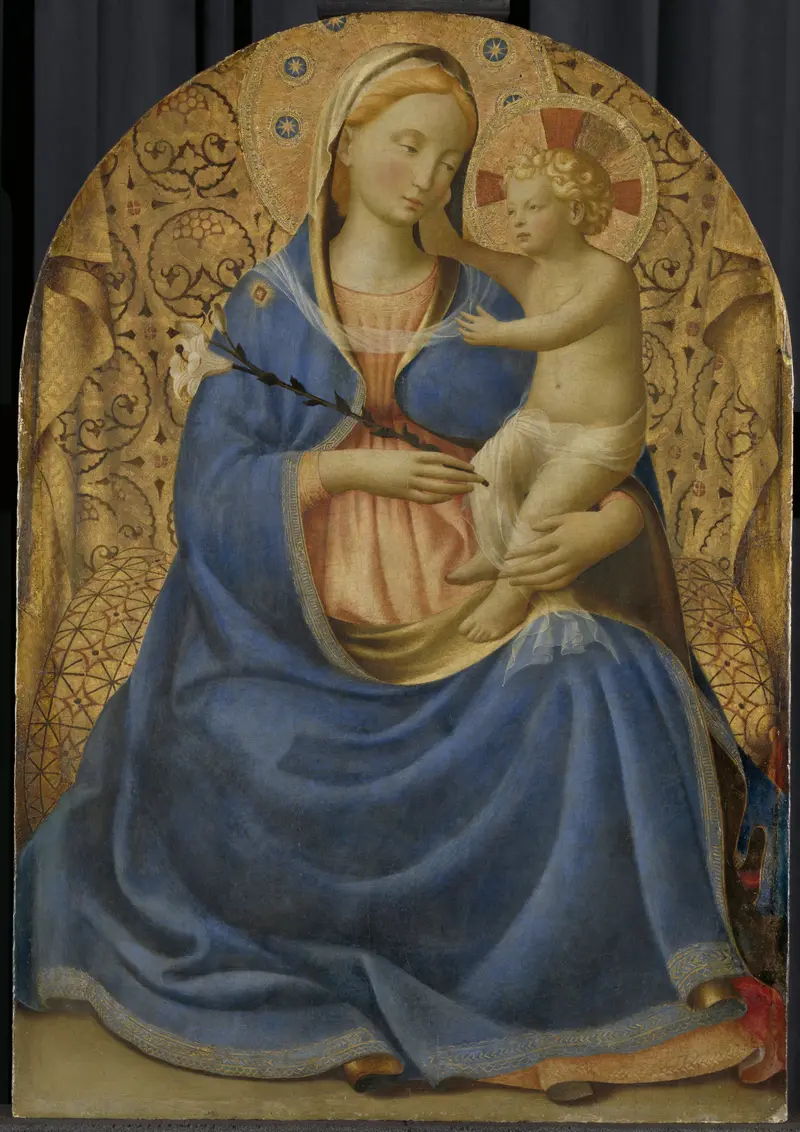
Madonna of Humility
Fra Angelico
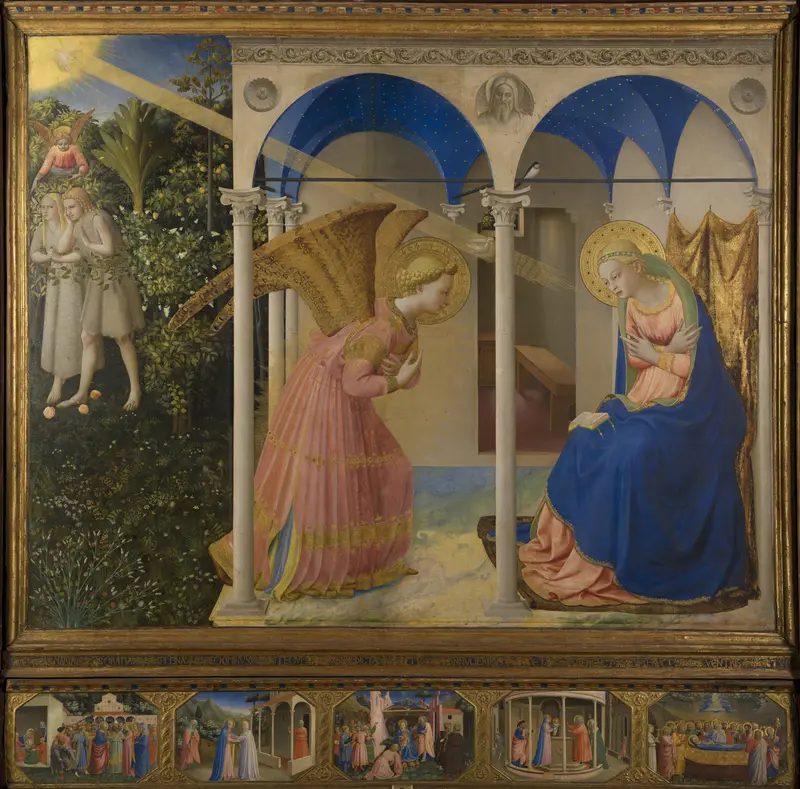
The Annunciation
Fra Angelico

Saint Anthony Abbot
Fra Angelico





