
Massacre of the Innocents in Bethlehem — History & Facts
The most gripping fact about Massacre of the Innocents in Bethlehem by Fra Angelico is that it captures one of the most harrowing episodes in Christian scripture: the slaughter ordered by King Herod after the birth of Christ. According to the Gospel of Matthew, around 4 BCE, Herod, fearing the prophecy of a newborn "King of the Jews," commanded the murder of all male infants in Bethlehem. This act of terror, meant to secure his throne, has haunted Western imagination for centuries, inspiring artists from Giotto to Rubens to wrestle with its horror.
Fra Angelico’s version, painted around 1450, stands out for the way it channels both violence and hope within a single, charged scene. At the center of the painting, mothers clutch their children in desperation, their faces twisted in grief and terror as soldiers advance with drawn swords. The artist freezes the moment of chaos: a mother kneels, shielding her infant with her body, while another reaches upward in a gesture of supplication or protest. The soldiers’ armor glints coldly, contrasting with the soft, flowing garments of the women.
Fra Angelico’s use of light—falling gently on the innocents and mothers—draws the viewer’s empathy to their suffering, while the shadowed figures of the soldiers seem almost otherworldly. Unlike the theatrical violence of Rubens’s Massacre of the Innocents, Fra Angelico’s approach is quieter, focusing on the emotional devastation rather than the physical brutality. The precise origins of this painting remain somewhat mysterious, as the original commission and intended location are not firmly documented. However, it is consistent with Fra Angelico’s work for religious institutions in Florence and the surrounding region, and likely formed part of a larger altarpiece or devotional cycle.
Over the centuries, the painting has been admired for its deep compassion and clarity of narrative. Today, it stands as a testament to Fra Angelico’s unique ability to blend dramatic storytelling with spiritual reflection, marking a high point in the late Early Renaissance—a period when artists sought new ways to convey both human suffering and divine presence.
More Artworks by Fra Angelico

Condemnation of St Lawrence by the Emperor Valerian
Fra Angelico
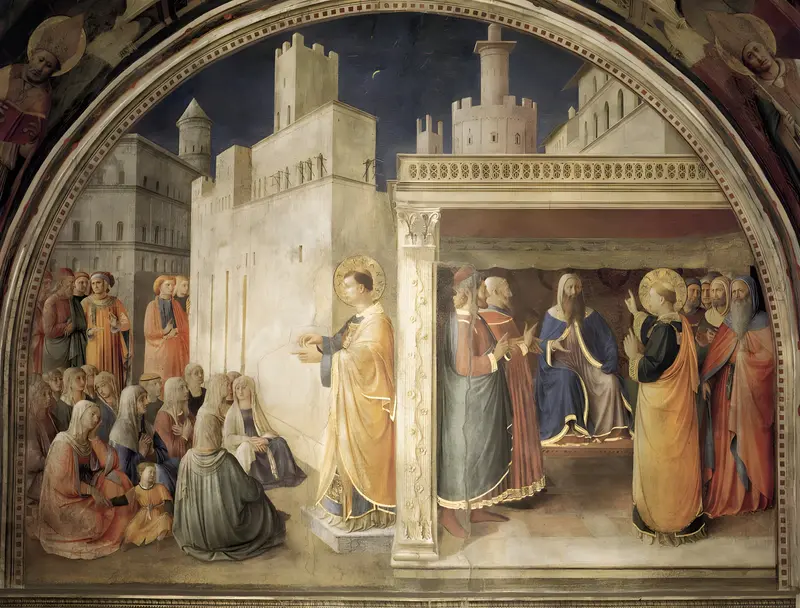
Lunette of the north wall
Fra Angelico
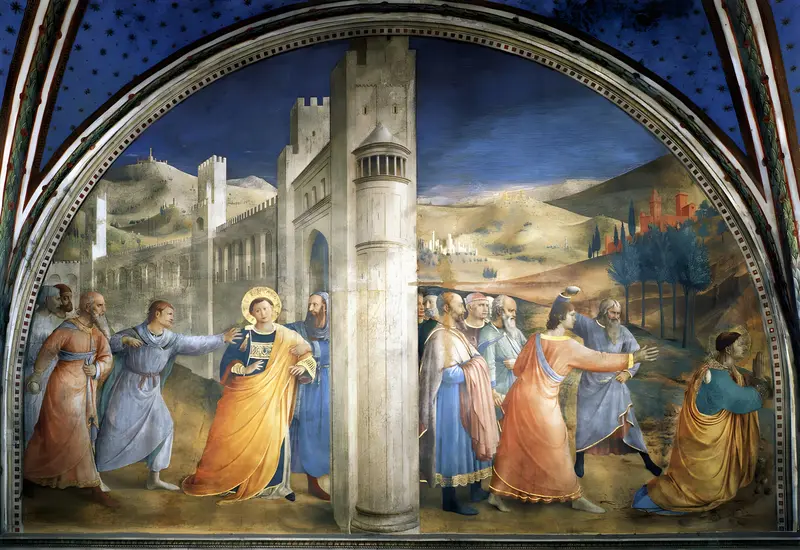
Lunette of the east wall in Niccoline Chapel
Fra Angelico
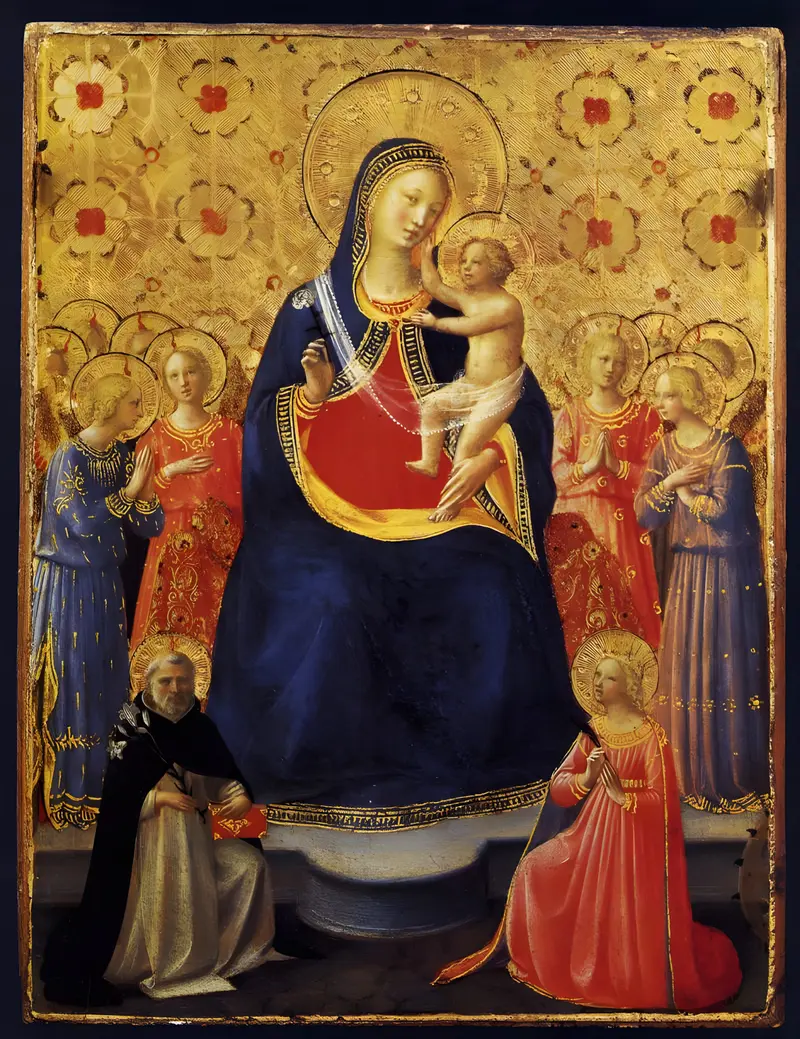
Madonna and Child Enthroned with Nine Angels and Saints Dominic and Catherine of Alexandria
Fra Angelico
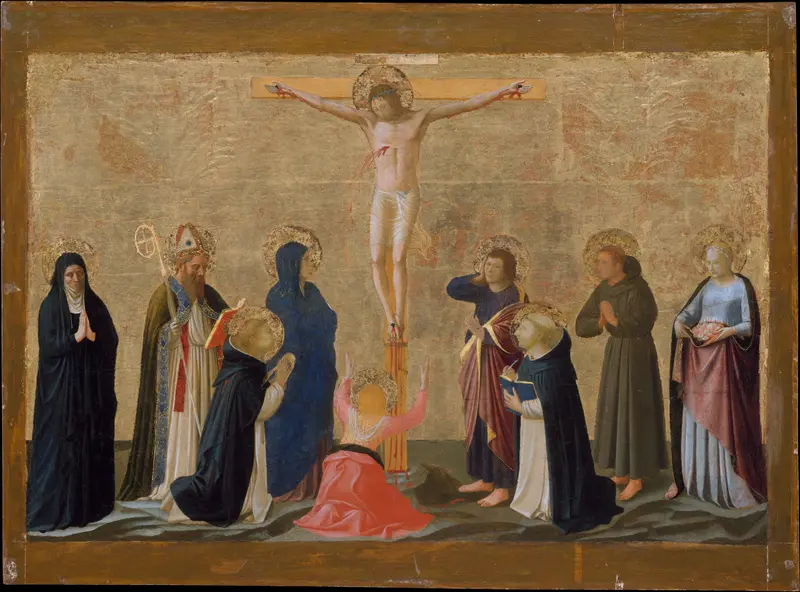
The Crucifixion
Fra Angelico
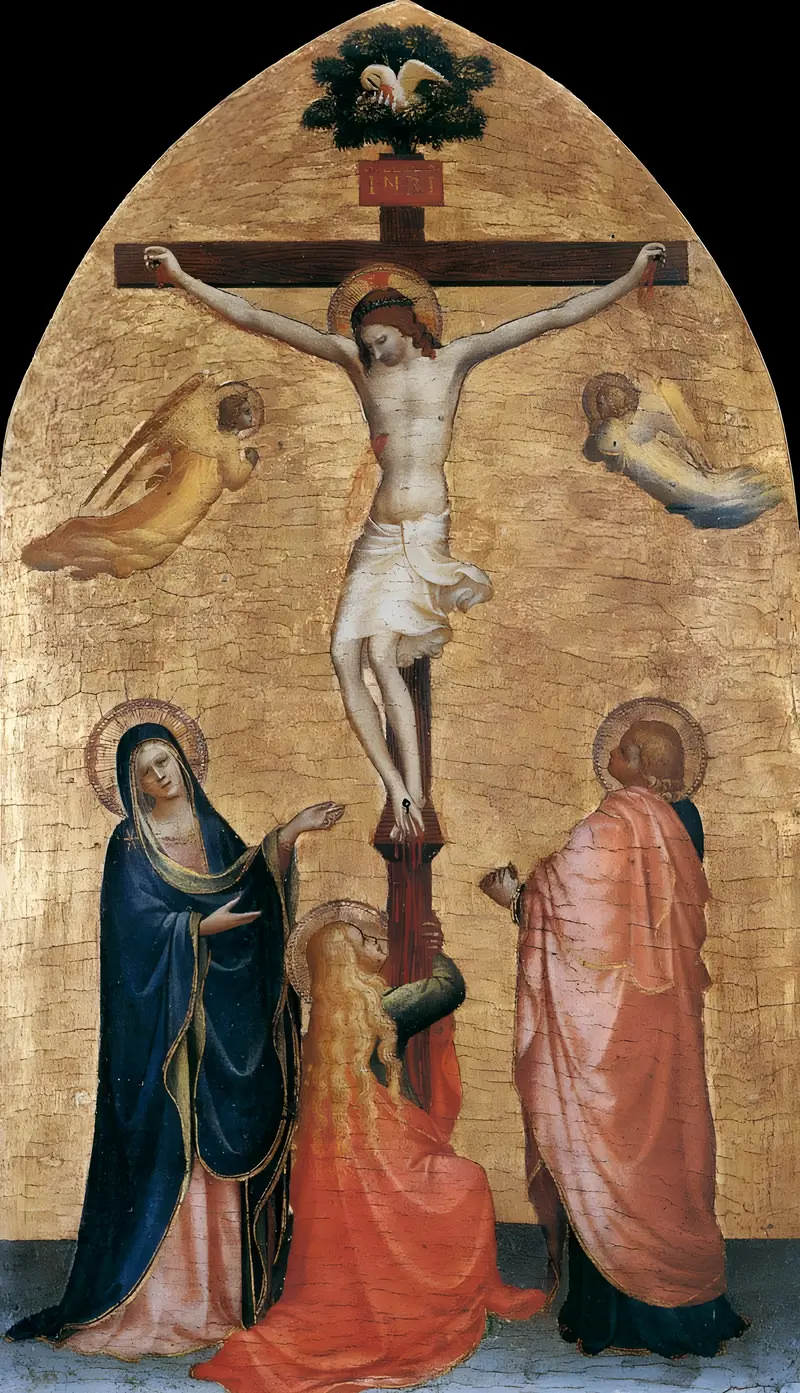
Crucifixion with the Virgin, John the Evangelist, and Mary Magdelene
Fra Angelico
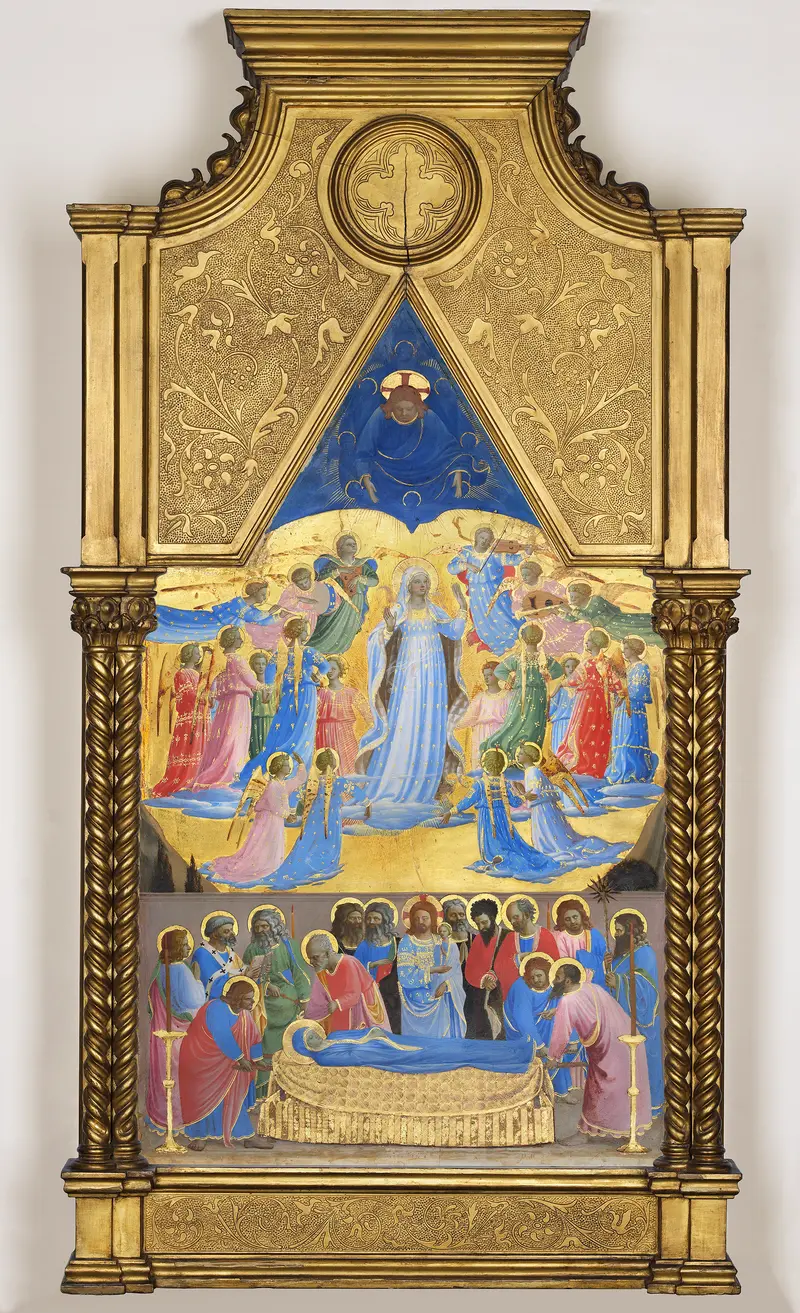
Dormition and Assumption of the Virgin
Fra Angelico
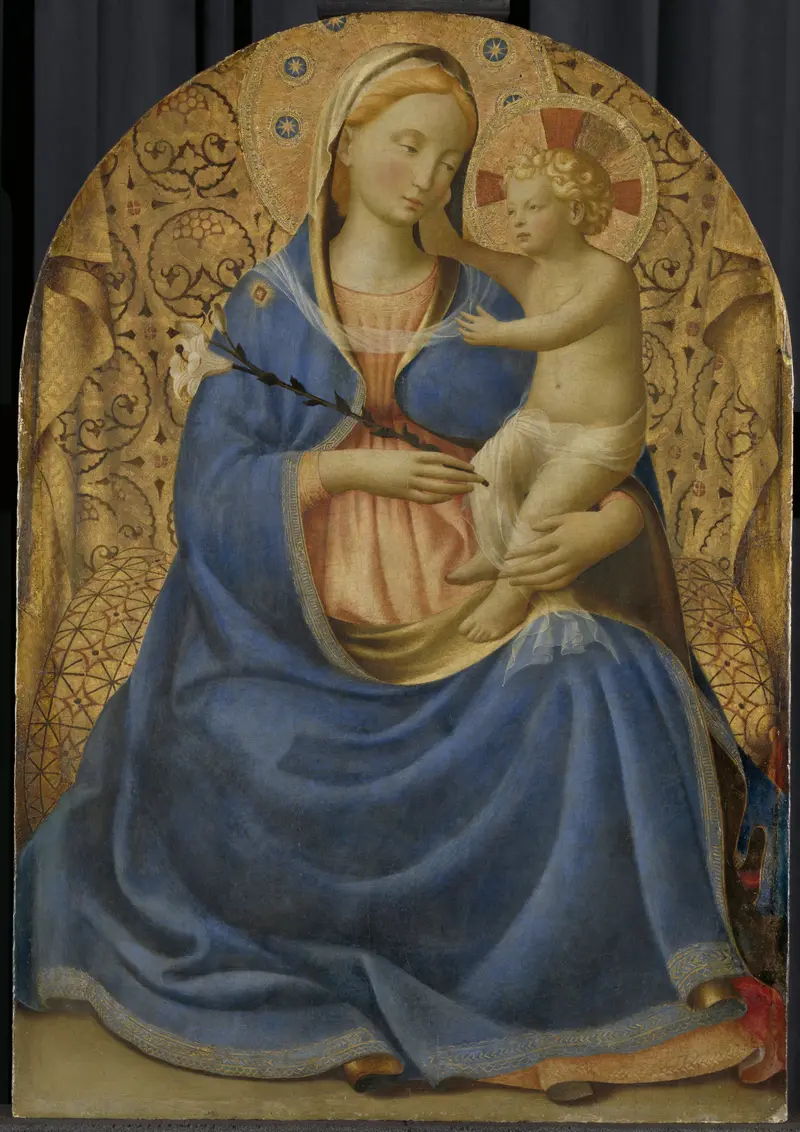
Madonna of Humility
Fra Angelico
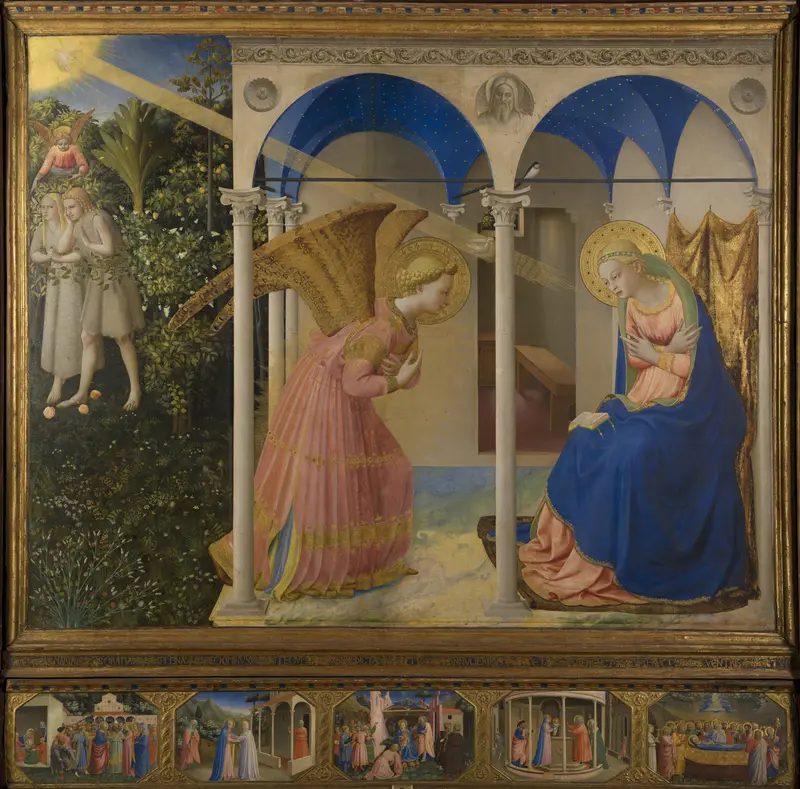
The Annunciation
Fra Angelico

Saint Anthony Abbot
Fra Angelico





