
Mei 1945, de Nederlandse vlag wappert op de daken. l. de Ned-Herv-kerk, r. de rk-kerk, vanuit het noordwesten, met een gedeelte van het Krommenieerpad — History & Facts
This powerful truth resonates through the haunting imagery of a cityscape caught in the aftermath of turmoil. In this moment, a vibrant flag flutters defiantly against a backdrop of devastation, a symbol of resilience amid violence—a reminder of the fragile line between hope and despair. Look closely at the rooftops where the Dutch flag stands proudly, its red, white, and blue colors a stark contrast to the somber grays and blacks of the surrounding buildings. Notice how the artist captures the interplay of light and shadow, illuminating the church steeples while leaving parts of the scene immersed in darkness.
The composition draws your eyes upward, emphasizing the struggle for renewal that brews just beneath the surface—a community poised for rebirth, yet haunted by its recent past. Beneath the surface of this seemingly ordinary scene lies a complex tapestry of emotions. The juxtaposition of the flag’s brightness against the muted tones hints at a fierce struggle within the hearts of the people. The two churches, one Protestant and one Catholic, stand in silent witness, representing the divided faiths in a time of collective grief and unity.
Each element speaks to the precarious balance between celebration and mourning, reflecting a society grappling with its identity in a post-war reality. Johannes Nicolaas Eijman painted this poignant piece in 1945, amidst the ruins of a war-torn Netherlands. As the country emerged from the shadows of conflict, Eijman sought to capture this moment, imbued with the hope of rebuilding and the weight of sorrow. It was a time when artists like him were redefining their purpose, using their craft to document the human experience in a world reshaped by violence.
More Artworks by Johannes Nicolaas Eijman
Browse all →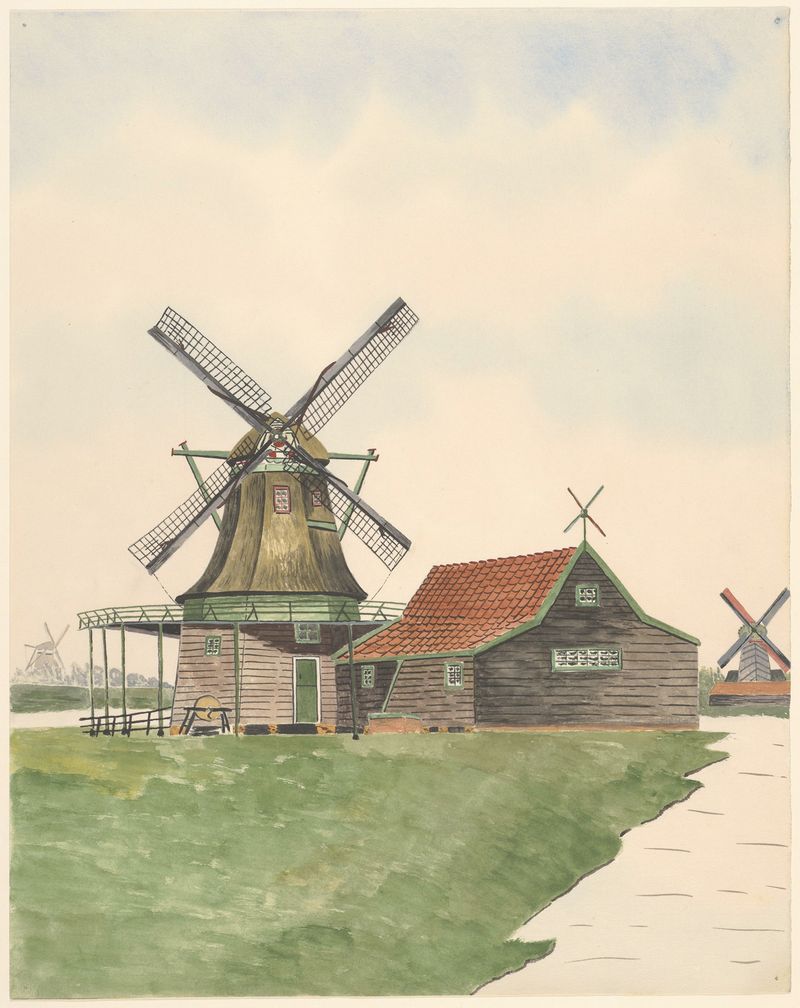
molens; oliemolen De Olievos, aan de Papenpadsloot, gesloopt 1878
Johannes Nicolaas Eijman
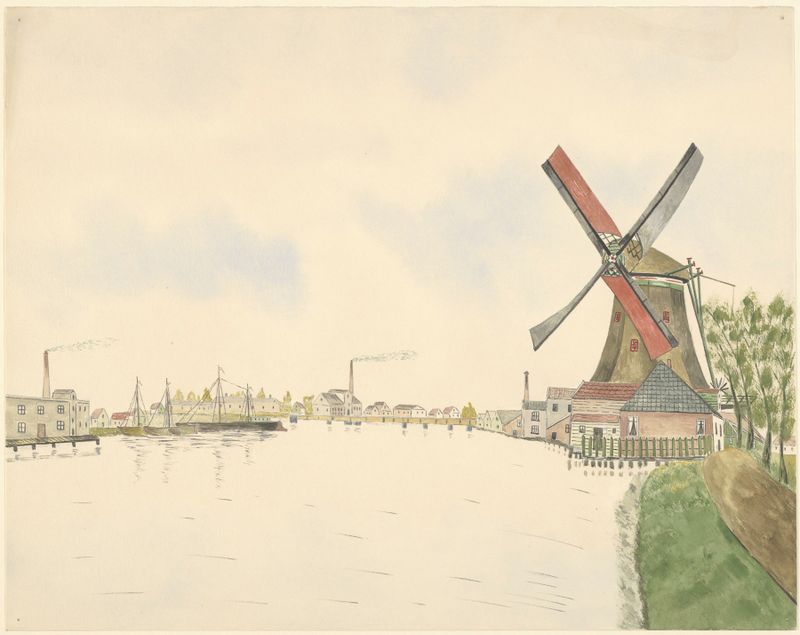
molens; meelmolen De Koker
Johannes Nicolaas Eijman

Papiermolen de Eendracht aan de westzijde van het Zaandammerpad, Wormer
Johannes Nicolaas Eijman
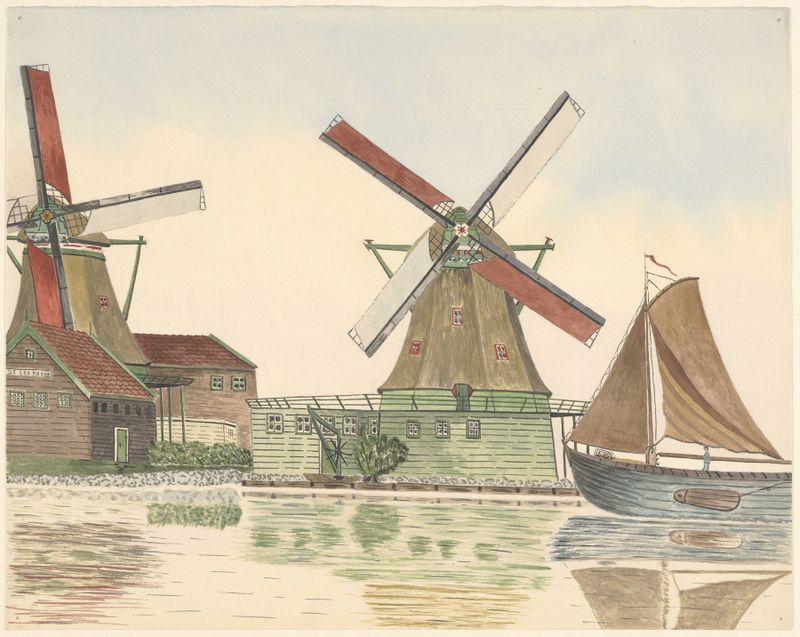
molens; oliemolen De Oude-Zwan, aan de Kalverpoel
Johannes Nicolaas Eijman
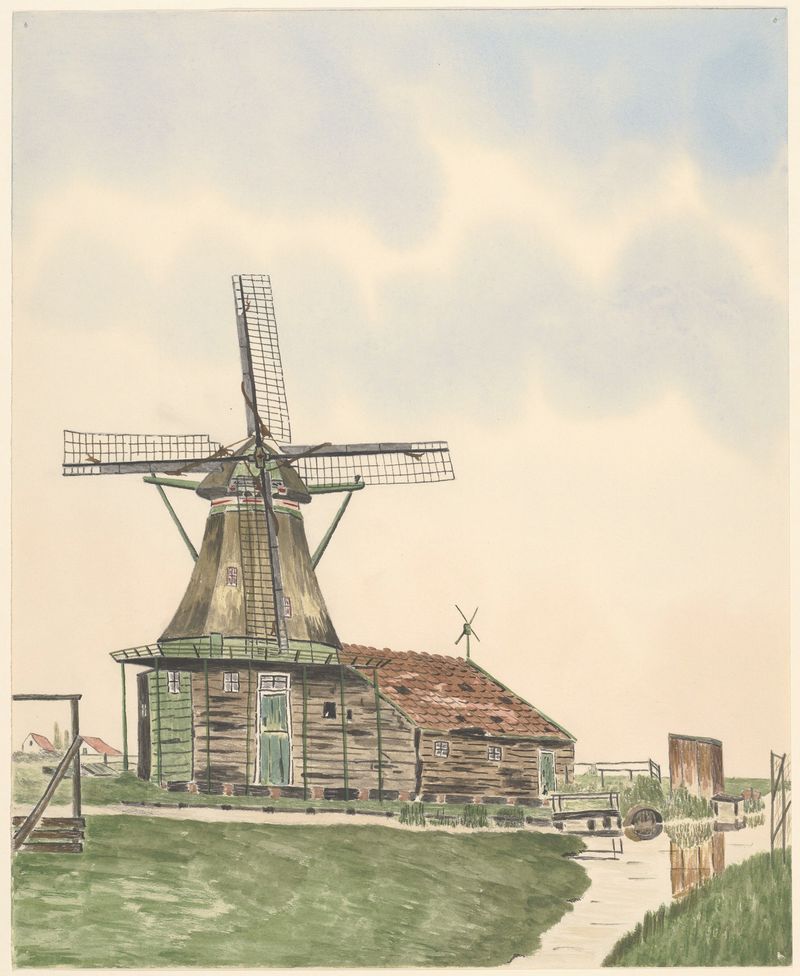
molens; oliemolen Het Oude-Honingvat, Oostzijderveld
Johannes Nicolaas Eijman
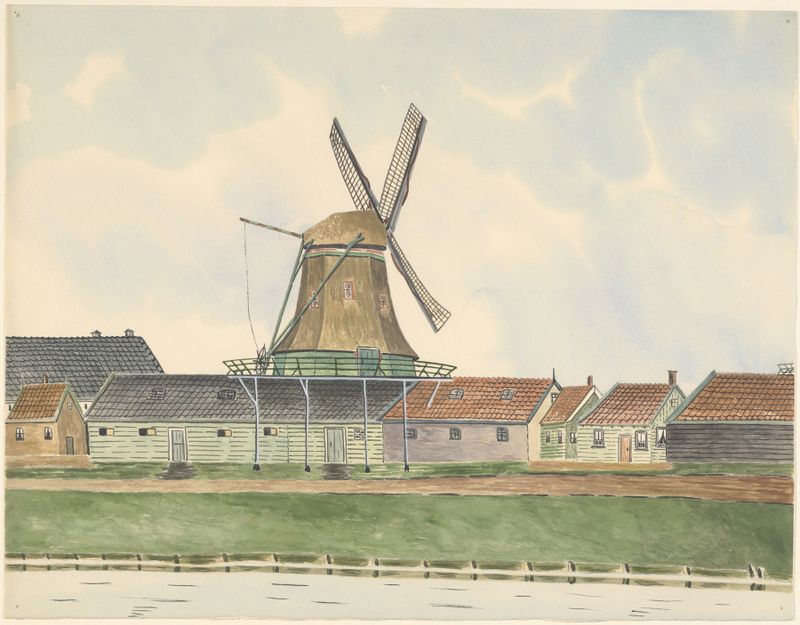
molen; oliemolen Het Witte-Paard aan het Zaandijkerwegje, 1893 gesloopt
Johannes Nicolaas Eijman

Op de voorgrond rechts doppenmolen De Prolpot aan de Hemmes, op de achtergrond links twee andere molens
Johannes Nicolaas Eijman
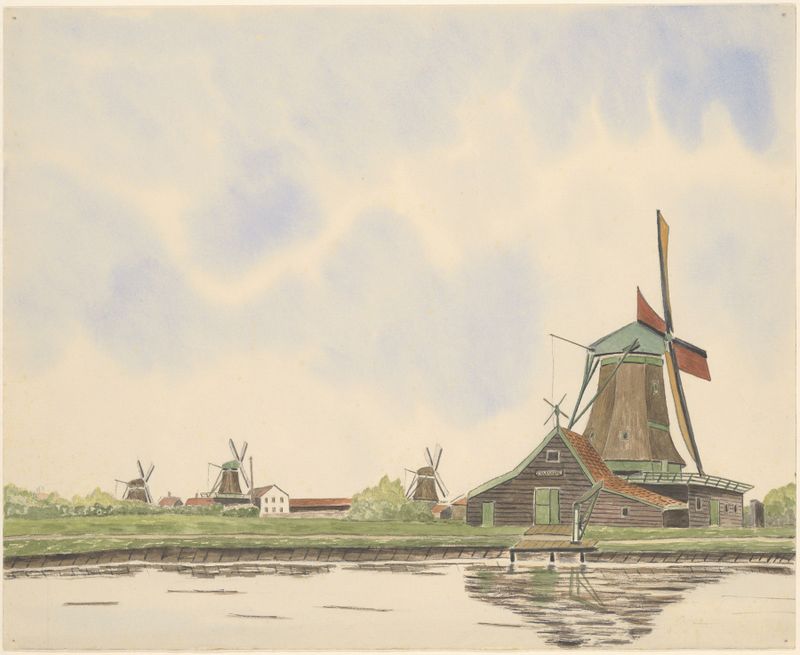
Oliemolen De Kerkuil aan de Zaan, met drie molens op de achtergrond. De Kerkuil stond binnendijks, tegenover de Wormerveerderkerk; afgebroken ca. 1892
Johannes Nicolaas Eijman
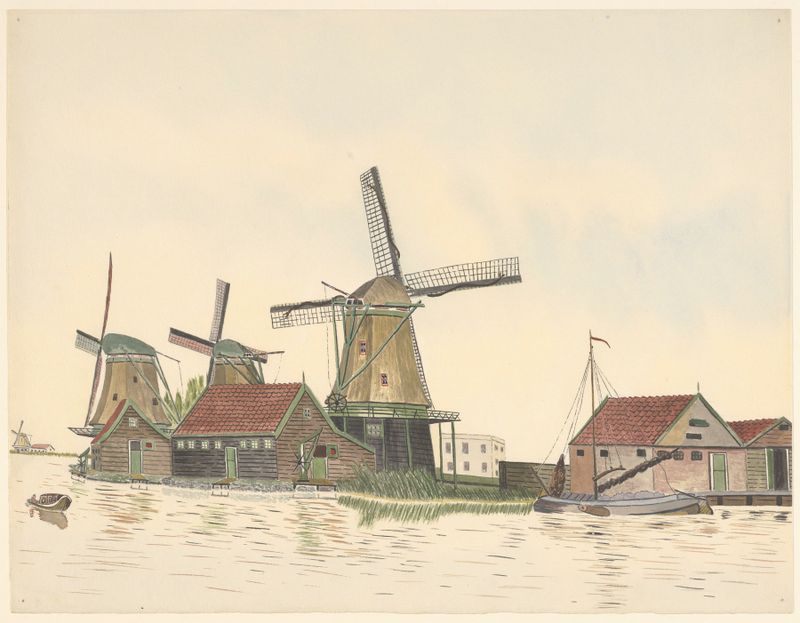
molens; De Ooievaar; De Windhond; De Gans, Kalverringdijk
Johannes Nicolaas Eijman
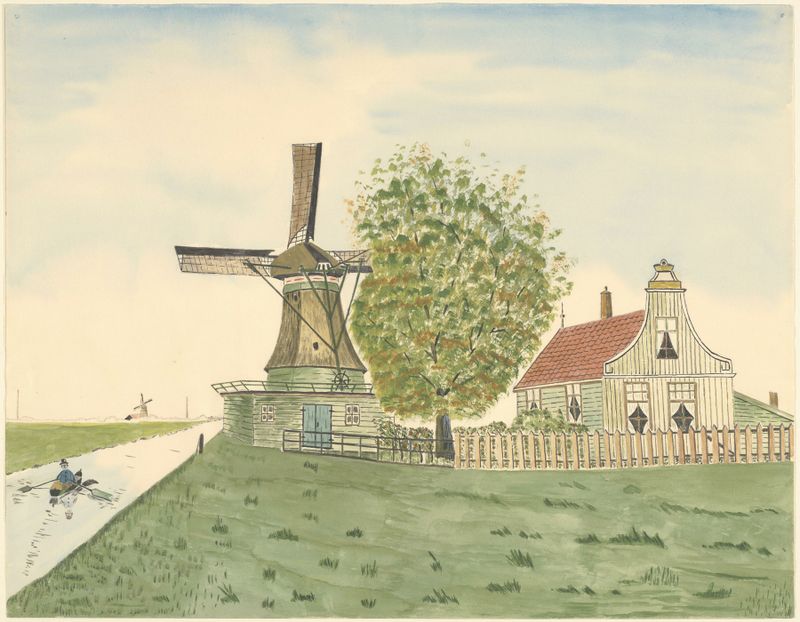
molens; houtzaagmolen De Haan
Johannes Nicolaas Eijman





