
Menton — History & Facts
In the soft embrace of a painter's brush, reflections transform reality into an emotional landscape, whispering truths hidden from the noise of life. Look to the foreground of Menton, where vibrant greens and blues dance together to depict the lush vegetation that cradles the sunlit shores. Notice how light glimmers off the water's surface, creating an ethereal quality that pulls your gaze toward the horizon. The artist employs a palette rich in color, invoking warmth and serenity, while wispy clouds play a gentle game with the sun, illuminating the scene with a soft glow.
It’s a moment caught between day and dusk, meticulously crafted to invite contemplation. Delve deeper, and you'll find contrasts that evoke a sense of nostalgia and longing. The vibrant colors of nature stand in stark opposition to the tranquil and almost melancholic stillness of the water, suggesting a deeper relationship between the two elements. Small boats scattered along the shore serve as reminders of human presence, hinting at stories untold, while the undulating hills in the background frame the scene, both grounding and elevating the viewer's experience of this peaceful harbor.
The reflection in the water, though fleeting, holds echoes of the beauty above—a duality that invites introspection. In 1902, during a period marked by artistic exploration and the rise of impressionism, the artist painted Menton while living in France, where he sought the serene beauty of the French Riviera. This was a time when many artists were captivated by the light and landscape of southern France, each seeking to express their own interpretations of nature's subtleties. Harpignies, known for his mastery of light and color, captured the essence of his surroundings, solidifying his place in the pantheon of French landscape painters.
More Artworks by Henri-Joseph Harpignies
Browse all →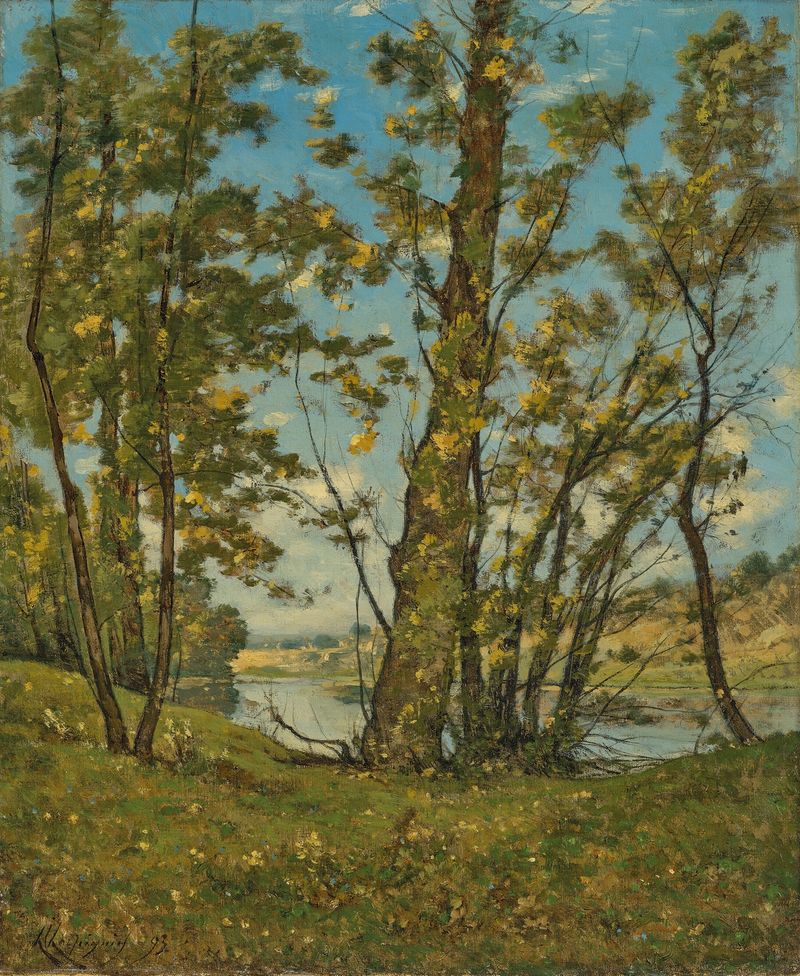
La Loire à Bonny
Henri-Joseph Harpignies
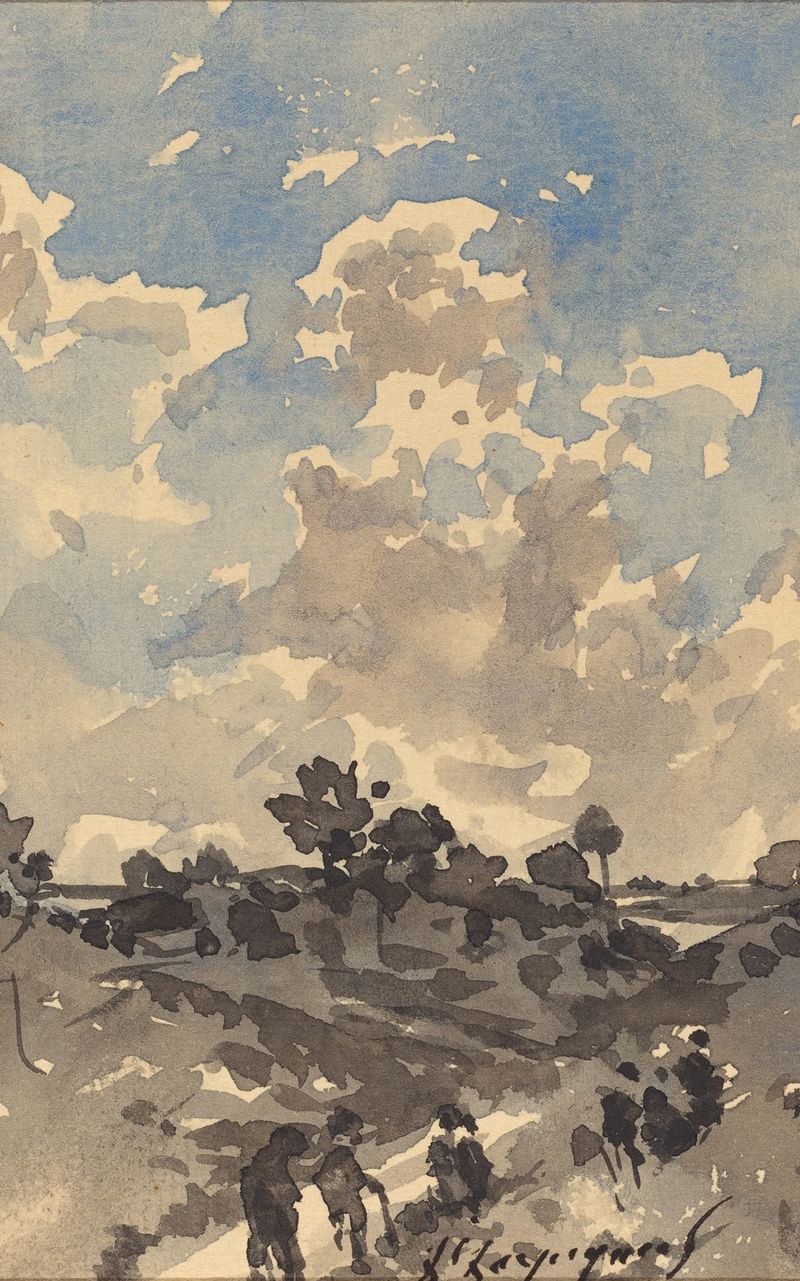
A Landscape with Figures Walking along a Path
Henri-Joseph Harpignies
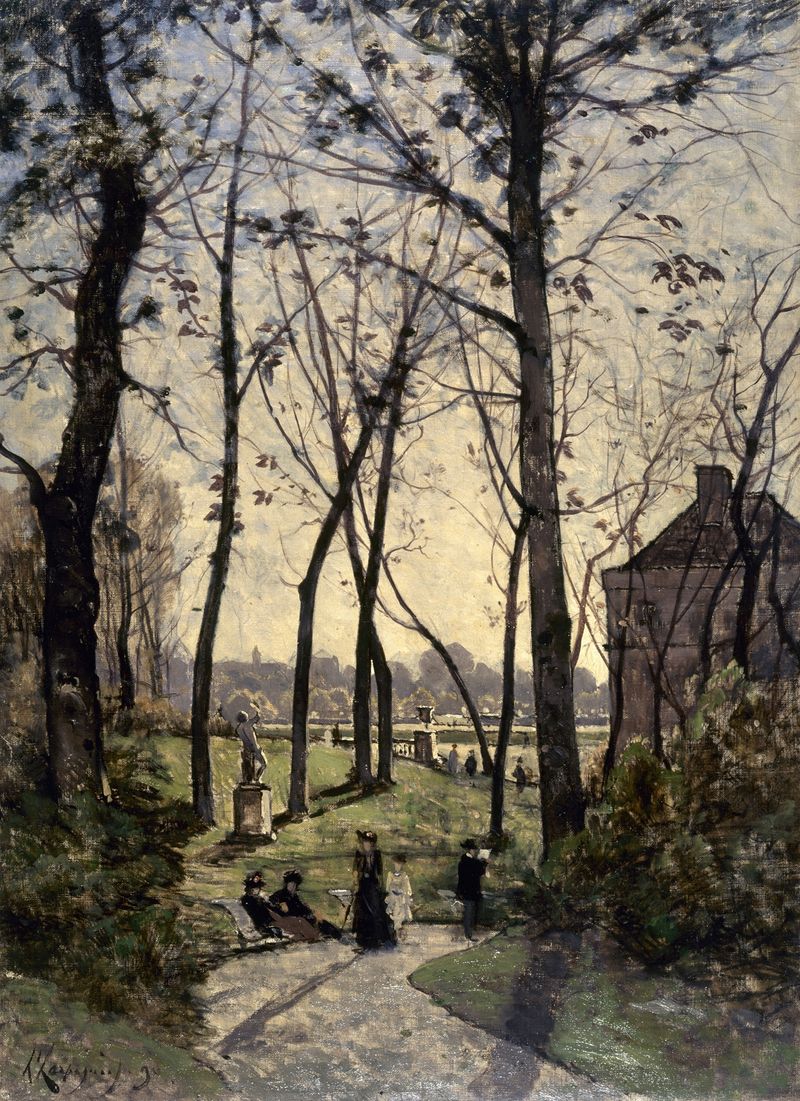
Le jardin du Luxembourg
Henri-Joseph Harpignies
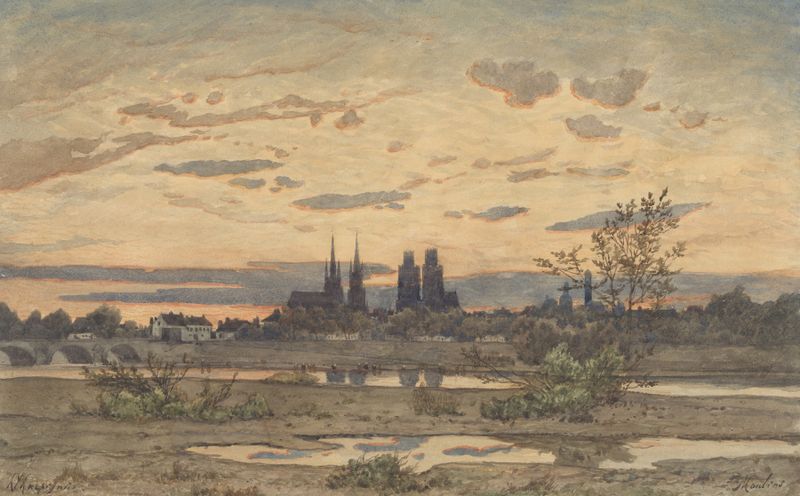
A View of Moulins
Henri-Joseph Harpignies
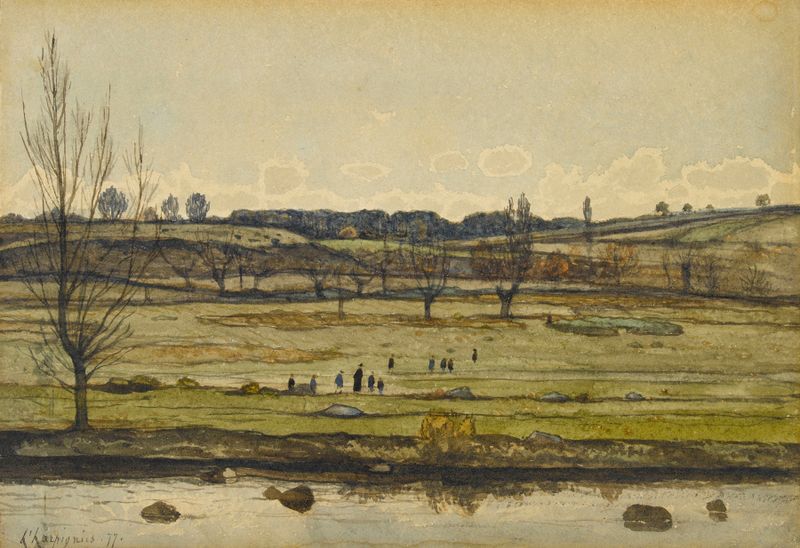
Paysage
Henri-Joseph Harpignies
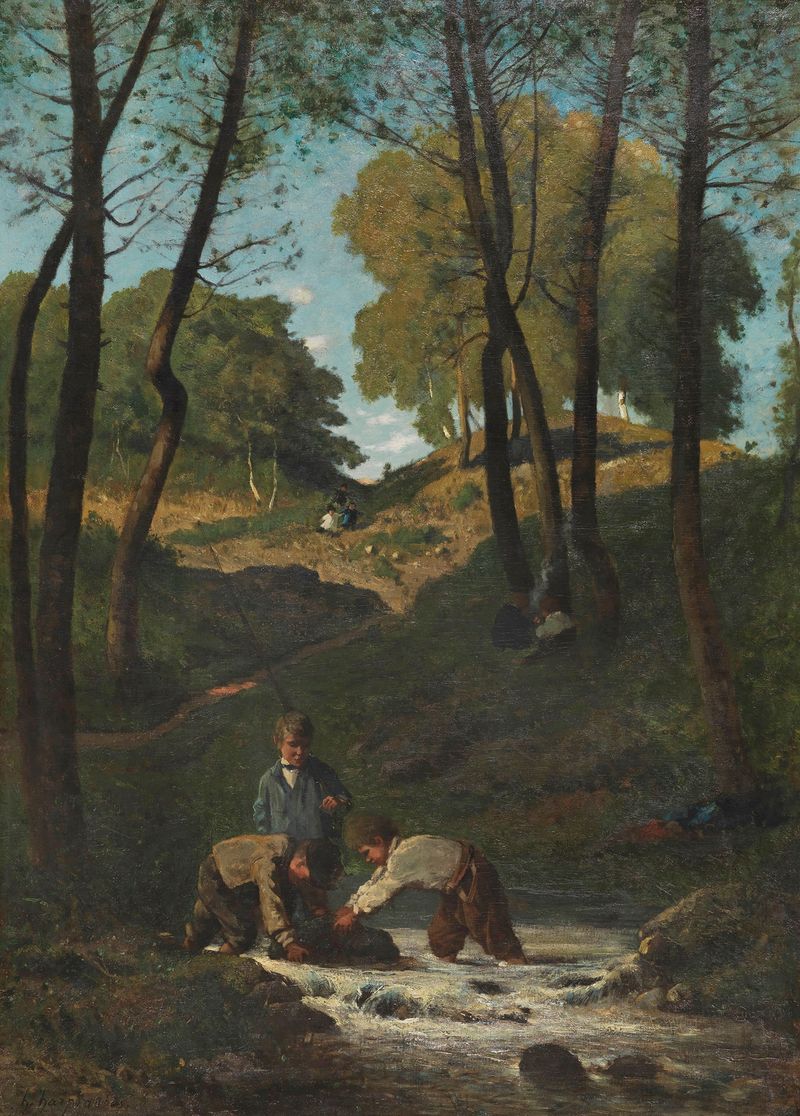
Chercheurs d’écrevisses
Henri-Joseph Harpignies
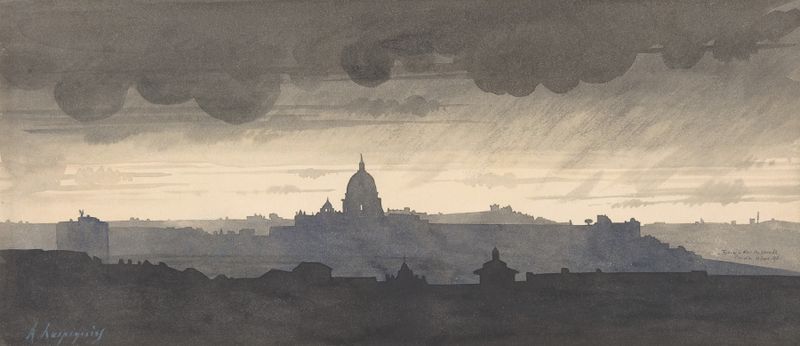
Saint Peter’s Seen From the Pincio, Rome
Henri-Joseph Harpignies
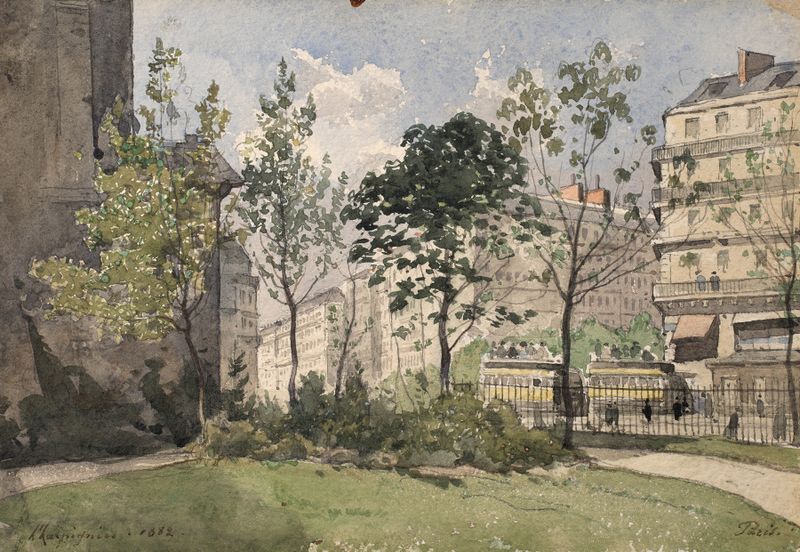
View of the forecourt of the Saint-Germain-des-Prés church
Henri-Joseph Harpignies
Le Colisée à Rome
Henri-Joseph Harpignies

Villefranche
Henri-Joseph Harpignies





