
Mexican dresses — History & Facts
In Mexican dresses, the vibrancy of life and culture pulsates through the canvas, inviting viewers to dive into an ocean of color and emotion. The artwork encapsulates the ecstasy of tradition and celebration, weaving together the threads of identity and heritage. Look to the left at the radiant garments draped elegantly, their bold hues of red, green, and yellow contrasting magnificently against a softer background. Notice how the intricate patterns swirl and dance, each fold and crease meticulously rendered to suggest movement and vibrance.
The artist employs a warm palette that not only captivates the eye but also evokes a sense of joy and connection to the figures encapsulated within those garments. Beneath the surface, there lies a deeper commentary on cultural identity and the celebration of femininity. The dresses symbolize not just attire but a rich history, representing the resilience and vibrancy of a people. The interplay of light and shadow throughout the fabric hints at the emotional weight carried by these garments, suggesting stories of laughter, sorrow, and community woven into each thread. In 1869, C.
Castro created this piece during a period of burgeoning national pride in Mexico, as the country sought to define its identity following years of conflict. He was part of a movement that celebrated indigenous culture and traditions, using his art as a means to explore and uplift the essence of Mexican life. This was a time when the arts flourished, and Castro’s work reflects both the turmoil and the beauty of a nation rising to embrace its heritage.
More Artworks by C. Castro
Browse all →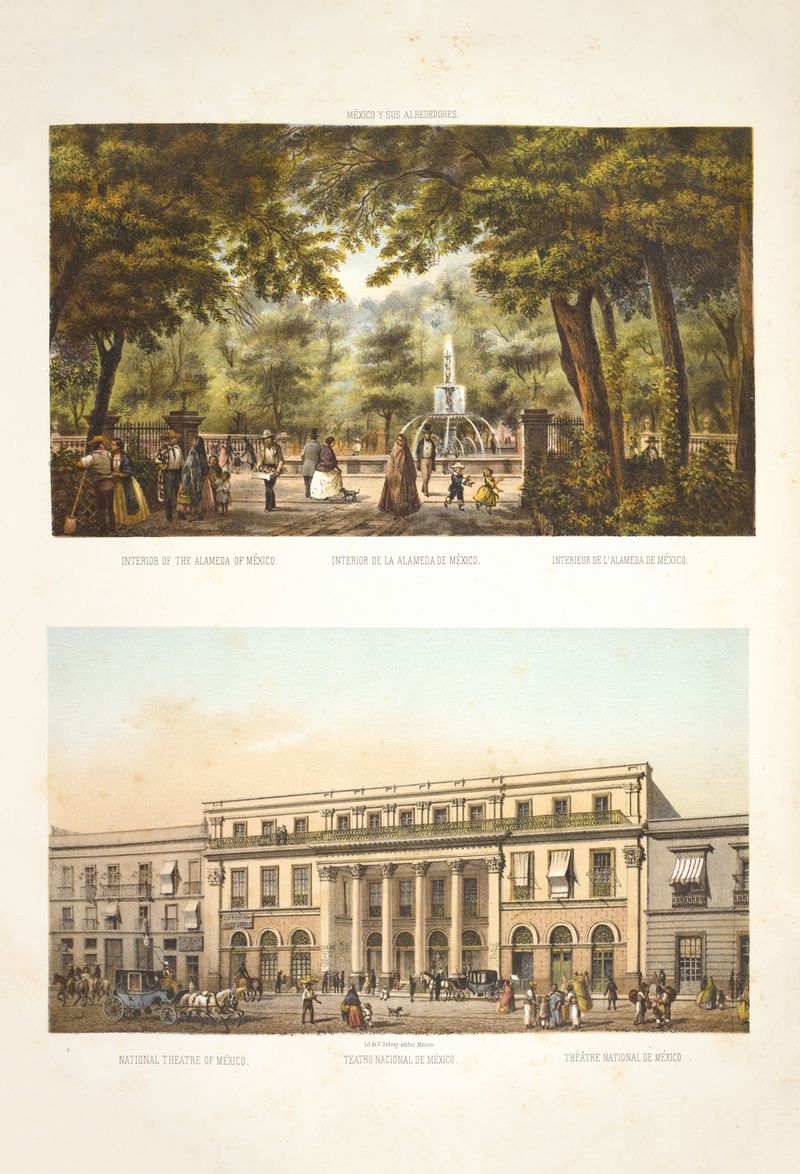
Interior of the Alameda of Mexico ; National Theatre of Mexico.
C. Castro
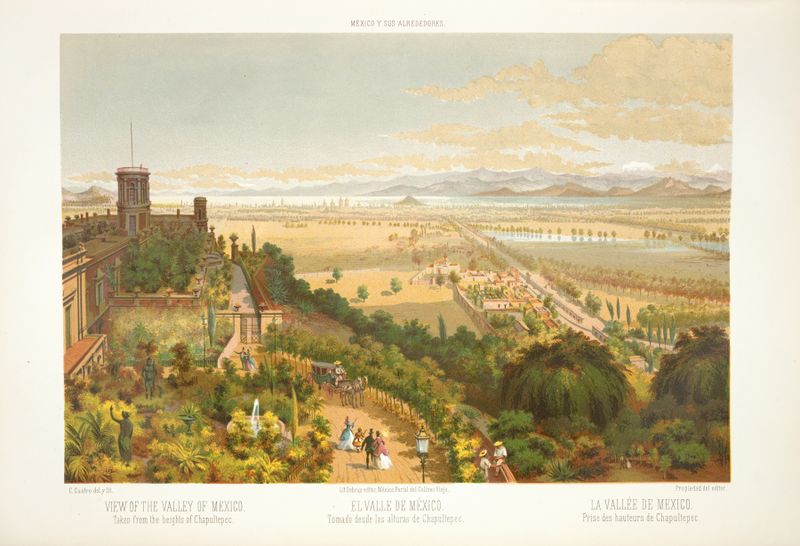
View of the Valley of Mexico, taken from the heights of Chapultepec.
C. Castro
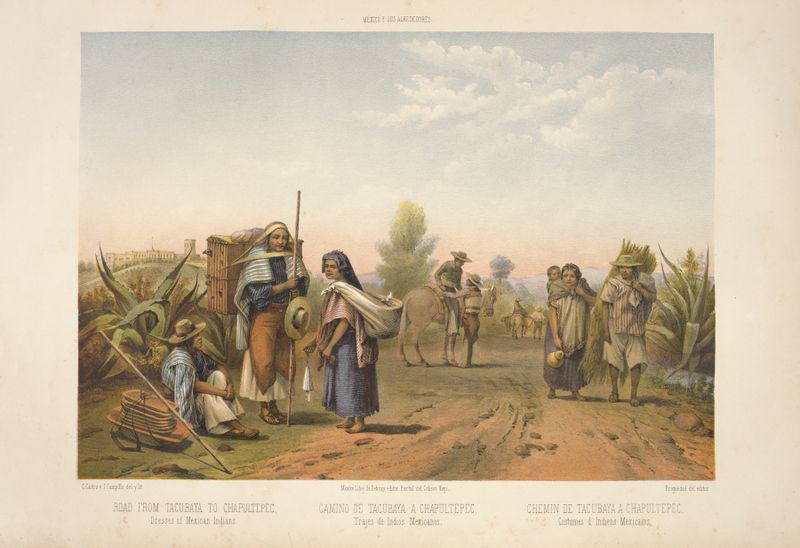
Road from Tacubaya to Chapultepec, dresses of Mexican Indians.
C. Castro
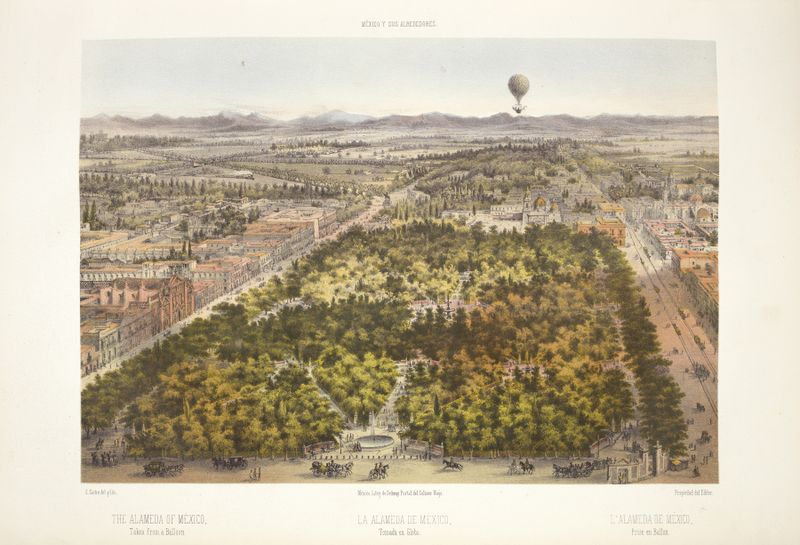
The Alameda of Mexico, taken from a balloon.
C. Castro
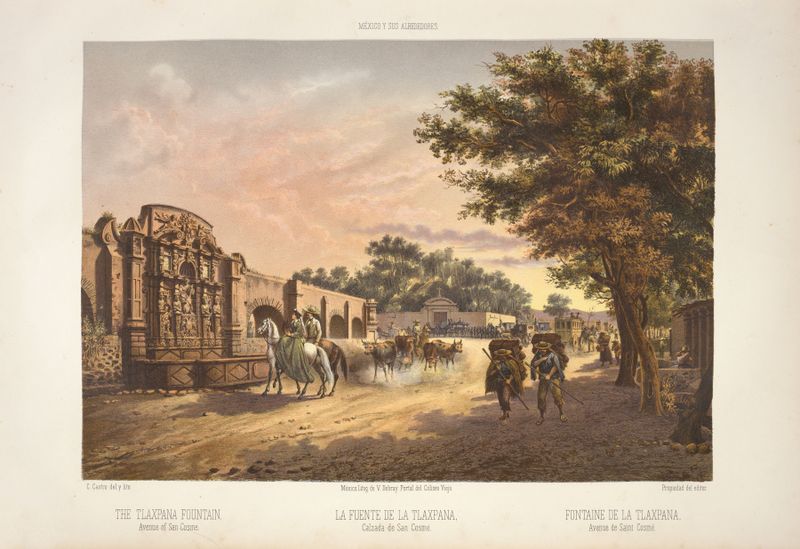
The Tlaxpana fountain, Avenue of San Cosme.
C. Castro
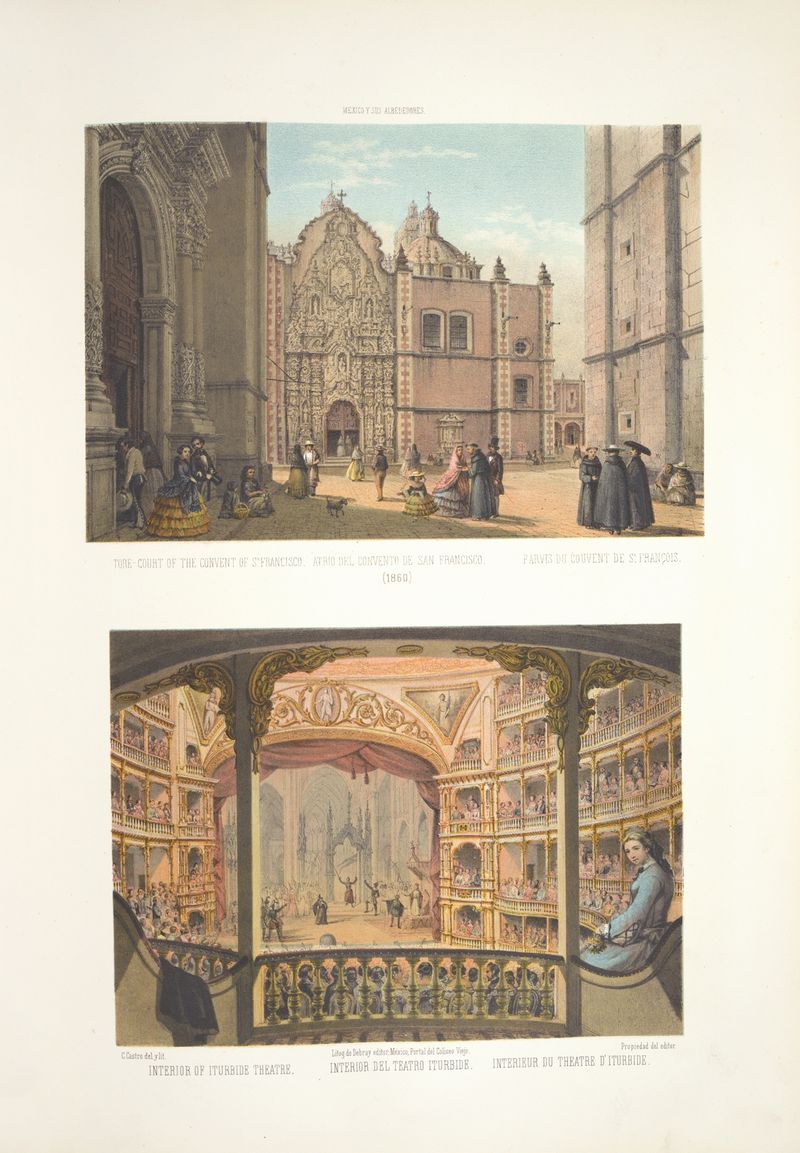
Tore-court of the convent of St. Francisco ; Interior del Teatro Iturbide
C. Castro
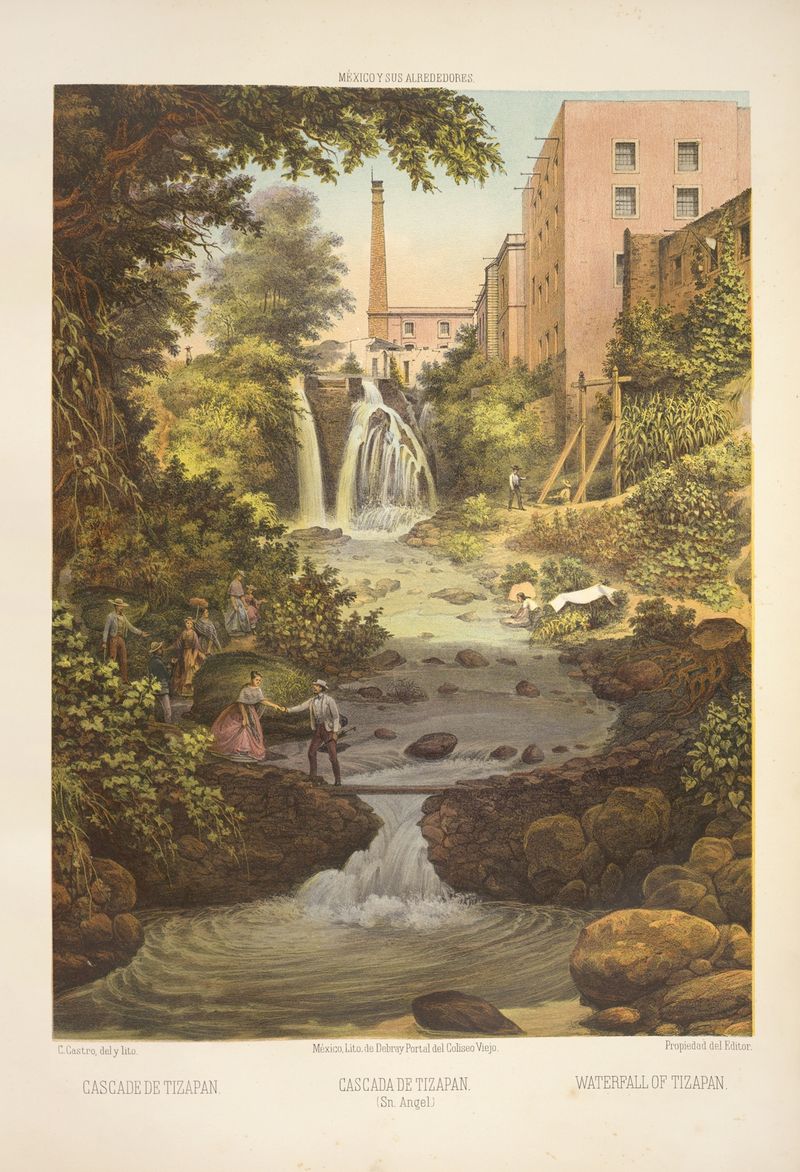
Waterfall of Tizapan
C. Castro
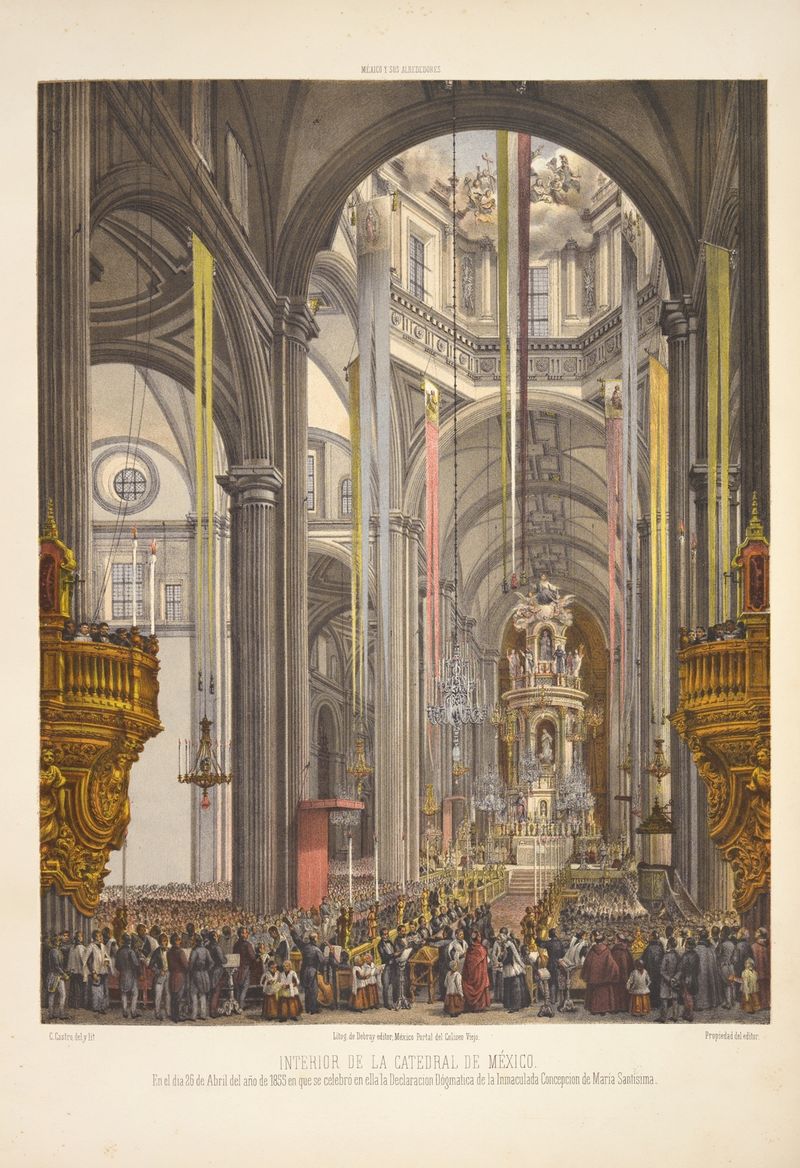
Interior de la Catedral de México. En el dia 26 de Abril del año de 1855 en que se celebró en ella la Declaracion Dógmatica de la Inmaculada Concepcion de María Santisima.
C. Castro
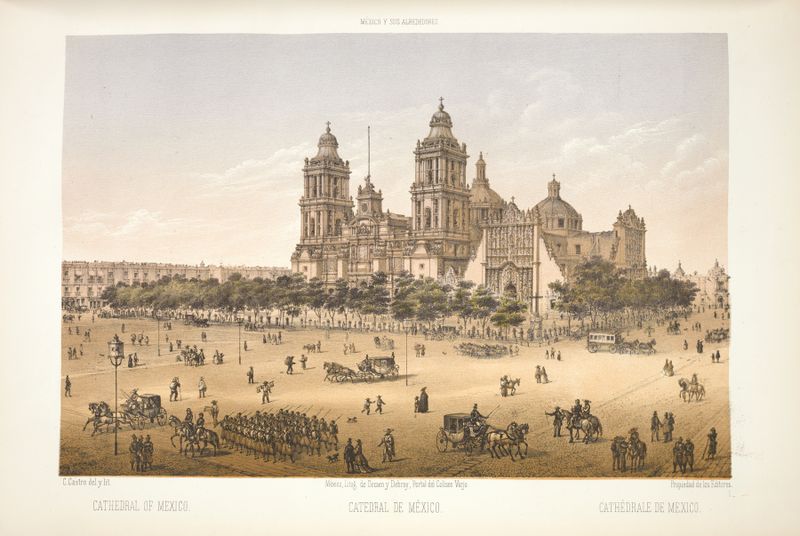
Cathedral of Mexico.
C. Castro
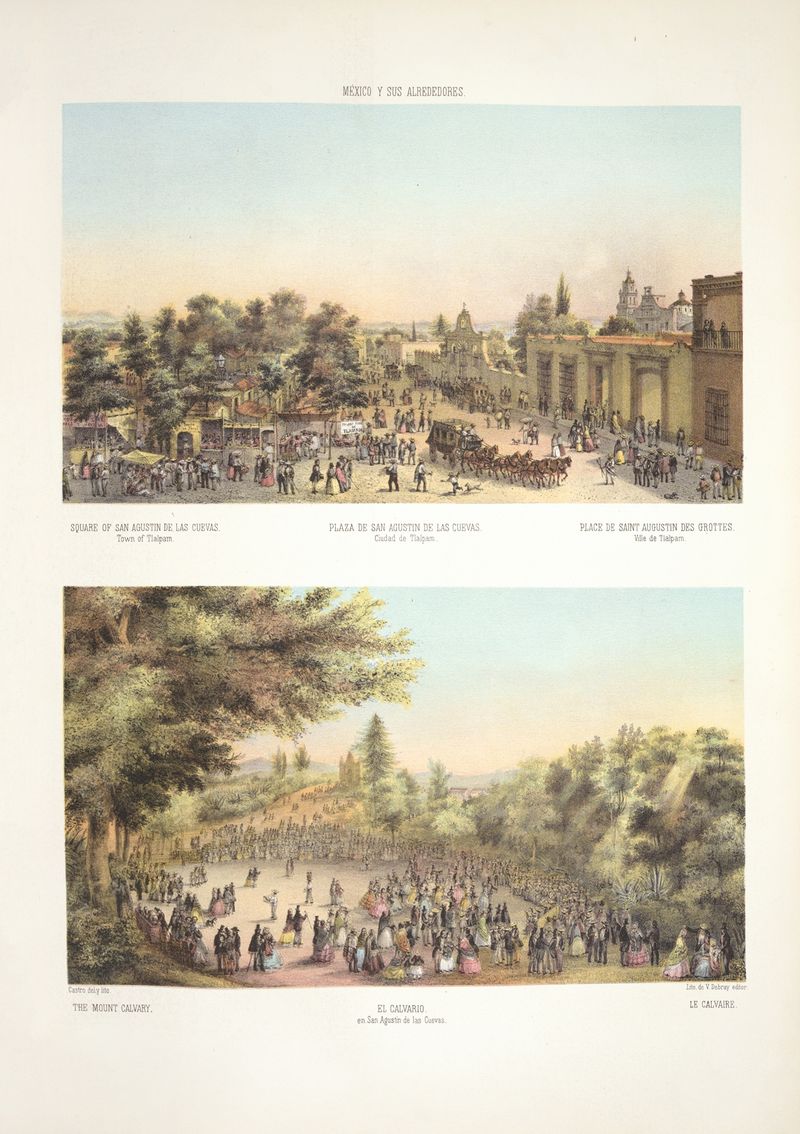
Square of San Agustin de las Cuevas, town of Tlalpam ; The Mount Calvary.
C. Castro





